
Can you arrange furniture in a long living room to make it feel bigger and more functional? Yes, you absolutely can! The key to arranging furniture in a long living room is to break up the long, narrow space into smaller, more defined zones. This creates distinct areas for different activities, making the room feel more cohesive and less like a bowling alley. By thoughtfully planning your living room layout ideas, you can transform even the most challenging long room into a stylish and practical haven.
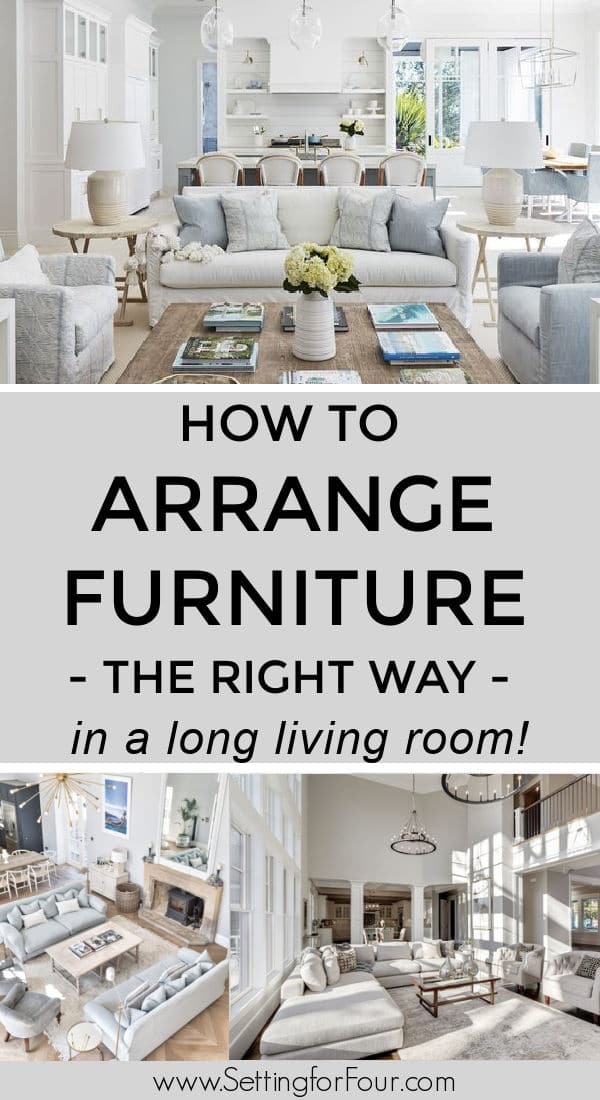
Image Source: www.settingforfour.com
Deciphering the Challenge: Embracing the Long Living Room
Long living rooms often present a unique decorating puzzle. They can feel disconnected, making it difficult to create cozy nooks or a natural flow. The primary challenge is to avoid furniture lining up along the walls, which emphasizes the length and can feel impersonal. Instead, the goal is to create balance and visual interest. This involves strategic furniture placement for long rooms that encourages movement and conversation.
The Power of Zoning
The most effective way to tackle decorating a long, narrow space is through zoning a long living room. Zoning means dividing the room into separate areas, each with its own purpose. Think of it like creating mini-rooms within your larger space. This approach combats the feeling of one long, unbroken stretch.
Common Zones for a Long Living Room:
- Conversation Area: The heart of most living rooms, this is where people gather to talk and relax.
- Reading Nook: A quiet corner for reading or a single person to unwind.
- Entertainment Hub: A space for a TV, gaming consoles, or a music system.
- Dining Area (if applicable): If your living room doubles as a dining space.
- Workspace: A small desk area for occasional work or study.
Dividing a Long Living Room: Smart Strategies
Dividing a long living room doesn’t always require permanent walls. There are many clever ways to visually or physically separate these spaces. The aim is to create a sense of intimacy within each zone while maintaining a connection between them.
Methods for Dividing Space:
- Furniture Grouping: Arranging furniture into distinct clusters naturally creates zones.
- Rugs: Using area rugs is a fantastic way to define each zone. Each rug acts as a visual anchor for its respective area.
- Shelving Units: Open shelving units, like bookcases or console tables, can act as soft dividers without blocking light or making the room feel smaller.
- Screens or Dividers: Decorative screens or folding panels can offer a more substantial but still flexible division.
- Lighting: Different lighting setups can highlight specific zones. For example, a pendant light over a dining table or task lighting in a reading nook.
Creating Conversation Areas: The Heart of Your Layout
Creating conversation areas is paramount in any living room, and especially so in a long one. The goal is to arrange seating so people can easily talk to each other without shouting across a vast expanse.
Effective Furniture Arrangement for Conversation:
- Sofa Facing Sofa/Chairs: Place two sofas facing each other, or a sofa facing a pair of chairs, with a coffee table in between. This creates an immediate focal point and encourages interaction.
- “L” or “U” Shaped Arrangements: These configurations naturally enclose a space, making it feel more intimate and conducive to conversation.
- Placement Away from Walls: Pull furniture away from the walls. Even a few inches can make a difference in creating a more inviting and less “line-up” feel.
Anchoring Furniture in a Large Room:
When anchoring furniture in a large room, especially a long one, think about the focal point. This could be a fireplace, a window with a view, or your entertainment center. Arrange your main seating pieces around this focal point. A large area rug is often the best way to anchor a seating group. It visually grounds the furniture and defines the conversation zone.
Narrow Living Room Furniture Arrangement: Tips for Success
When dealing with a narrow living room furniture arrangement, consider the scale of your pieces. Oversized furniture can overwhelm the space.
Smart Furniture Choices for Narrow Rooms:
- Slim Profile Sofas: Opt for sofas with a more streamlined design, avoiding bulky arms.
- Armless Chairs: These take up less visual and physical space.
- Loveseats: Instead of a full sofa, a loveseat can be a good option for smaller zones.
- Nesting Tables: These offer flexibility and can be tucked away when not in use.
- Ottomans and Poufs: These serve as extra seating, footrests, or coffee tables and are easily moved.
Sectional Placement in Long Rooms: Maximizing Comfort
Sectional placement in long rooms requires careful consideration to avoid dominating the entire length of the space. Sectionals can be excellent for creating cozy, defined areas.
Strategic Sectional Use:
- “L” Shaped Sectionals: An “L” shaped sectional can effectively create a corner conversation area. Position it so the longer side runs parallel to one wall, but not necessarily all the way down it. The shorter end can jut out slightly, helping to divide the room visually.
- “U” Shaped Sectionals: A “U” shaped sectional can create a very intimate and enclosed seating area. This works well if you have a slightly wider long room. Ensure there’s enough space to walk around it comfortably.
- Modular Sectionals: These are incredibly versatile. You can arrange the pieces to fit your specific needs and reconfigure them as your layout preferences change.
Avoiding the Bowling Alley Effect with Sectionals:
- Don’t Push it Against the Wall: Try to pull your sectional away from the longest walls.
- Use it as a Divider: The arm of a sectional can act as a natural visual divider between zones.
- Balance with Other Furniture: Pair your sectional with other seating options like armchairs or poufs to create a well-rounded seating arrangement.
Maximizing Space in a Long Living Room: Practical Strategies
Maximizing space in a long living room is about smart choices and thoughtful arrangement. It’s not just about fitting more in, but about making the space feel more open and usable.
Furniture Placement Strategies:
- Create Multiple Seating Areas: As discussed, this is key. Don’t try to cram all your seating into one large group.
- Use Furniture to Define Zones: Rugs, console tables behind sofas, and strategically placed armchairs can all help delineate distinct areas.
- Consider Traffic Flow: Ensure there are clear pathways for moving through the room. Avoid placing furniture in a way that obstructs doorways or natural walkways.
- Utilize Vertical Space: Tall bookshelves or wall-mounted shelving can draw the eye upwards, making the room feel taller. They also provide valuable storage.
- Choose Multifunctional Furniture: Ottomans with storage, sofa beds, and nesting tables are excellent for maximizing space in a long living room.
Visual Tricks for Wider-Looking Rooms:
- Light Colors: Lighter paint colors on walls and ceilings can make a room feel more spacious and airy.
- Mirrors: Strategically placed mirrors can reflect light and create the illusion of depth. A large mirror on a long wall can significantly open up the space.
- Symmetry: While not always achievable, symmetrical arrangements can create a sense of order and balance, making a room feel more grounded.
- Stripes: Vertical stripes on walls can make the ceiling appear higher, while horizontal stripes can make a room appear wider.
- Strategic Lighting: Good lighting is crucial. Ensure each zone has adequate lighting. Wall sconces or floor lamps can provide ambient light without taking up precious floor space.
Practical Living Room Layout Ideas for Long Spaces
Let’s explore some concrete living room layout ideas that work well for long rooms.
Layout Idea 1: The Two-Zone Approach
This is a very common and effective method for dividing a long living room.
- Zone 1: Main Seating Area: Place your sofa and a couple of armchairs around a coffee table, creating a primary conversation pit. This area might be centered in the room or towards one end. Anchor it with a large rug.
- Zone 2: Secondary Area: The remaining space can become a secondary zone. This could be a reading nook with a comfortable armchair and a floor lamp, a small desk area, or a play area for children.
- Placement: Position your sofa with its back to the secondary zone, acting as a subtle divider.
Example Layout:
| Feature | Placement |
|---|---|
| Sofa | Centered, facing a fireplace/TV |
| Armchairs (2) | Flanking the sofa, angled towards center |
| Coffee Table | In front of the sofa, on the rug |
| Console Table | Behind the sofa, separating zones |
| Secondary Armchair | In the secondary zone, near a window |
| Floor Lamp | Next to the secondary armchair |
| Area Rug | Under the main seating group |
Layout Idea 2: The “Gallery” or Parallel Arrangement
This approach works well if you have a lot of length to play with, but you still want to create distinct areas.
- Arrangement: Imagine placing two distinct seating groups parallel to each other down the length of the room. For instance, a sofa and two chairs facing each other on one side, and on the other side, another sofa or two chairs with a coffee table.
- Dividers: Use console tables behind the sofas or tall plants to create a subtle separation between these parallel arrangements.
- Traffic Flow: Ensure there’s a clear walkway between the two groups.
Example Layout:
| Feature | Placement |
|---|---|
| Sofa 1 | Along one long wall, facing inward |
| Armchairs (2) | Opposite Sofa 1, facing each other |
| Coffee Table 1 | Between Sofa 1 and Armchairs |
| Console Table 1 | Behind Sofa 1, defining its space |
| Sofa 2 / Chairs | On the opposite side of the room |
| Coffee Table 2 | In front of Sofa 2 / Chairs |
| Rug 1 | Under the first seating group |
| Rug 2 | Under the second seating group |
Layout Idea 3: The Central Focus
If your room has a natural focal point like a fireplace or a large window, use that to your advantage.
- Focal Point: Arrange your primary seating around this central element.
- Secondary Area: The remaining length can then be used for another purpose, like a dining area or a media zone.
- Balance: Ensure the furniture arrangement feels balanced, even though it’s long.
Example Layout:
| Feature | Placement |
|---|---|
| Sofa | Facing the fireplace/window |
| Armchairs (2) | Placed at an angle to the sofa, framing the focal point |
| Coffee Table | In the center of the seating group |
| Dining Table & Chairs | At the opposite end of the room |
| Buffet/Console Table | Behind the dining table |
| Rug | Under the seating arrangement |
Narrow Living Room Furniture Arrangement – Specific Examples
Let’s get more granular with narrow living room furniture arrangement.
The “Hallway” Problem
Many long rooms feel like hallways. To combat this, avoid placing furniture in a single line down the middle or along the walls.
- Solution: Create a cozy nook by placing a sofa and two chairs perpendicular to the longest walls. This breaks up the long sightline.
Furniture Placement for Functionality
Consider how you use the room. If it’s primarily for watching TV:
- TV Placement: Mount the TV on one of the shorter end walls if possible. If it has to be on a long wall, position your main seating to face it directly, but pull it away from the wall.
- Sofa and Chairs: A sofa placed facing the TV, with a coffee table in front, and two armchairs flanking it or at either end of the sofa, can create a good viewing setup.
If the room needs to accommodate multiple activities:
- Split into Three Zones:
- Zone A: Main living/conversation area.
- Zone B: Dining area or desk space.
- Zone C: Reading nook or play area.
- Flow: Use rugs and furniture placement to guide movement between these zones.
Furniture Placement for Long Rooms: Putting it All Together
When planning your furniture placement for long rooms, ask yourself these questions:
- What is the primary function of this room?
- What is the focal point (or can I create one)?
- How do people naturally move through the room?
- What is the scale of my furniture relative to the room size?
Key Principles to Remember:
- Balance: Ensure visual weight is distributed evenly.
- Traffic Flow: Always leave clear pathways.
- Focal Point: Create a central element to ground your arrangement.
- Conversation Areas: Arrange seating to encourage interaction.
- Scale: Choose furniture that fits the room’s proportions.
Decorating a Long, Narrow Space: Beyond Furniture
Once the furniture is placed, consider how other design elements can enhance the space.
Lighting Strategies:
- Ambient Lighting: Ceiling fixtures, floor lamps.
- Task Lighting: Reading lamps, desk lamps.
- Accent Lighting: Wall sconces, picture lights to highlight artwork.
- Layered Lighting: Combine different types for a warm and inviting atmosphere. In a long room, multiple light sources are better than one central overhead light.
Color and Pattern:
- Wall Colors: Light, neutral colors on the long walls can make the room feel wider. A slightly darker or accent color on the shorter end walls can draw the eye and make the room feel more proportionate.
- Rugs: Use rugs to define zones and add color and texture. Stripes running across the width of the room can also visually widen it.
- Artwork: Hang artwork at eye level. A large piece of art on a long wall can break up the monotony, or a gallery wall can create a visual anchor.
Window Treatments:
- Horizontal Blinds or Curtains: These can emphasize the width of the room.
- Sheer Curtains: Allow natural light to filter in, making the space feel brighter and larger.
Frequently Asked Questions (FAQ)
Q1: What is the best way to start arranging furniture in a long living room?
The best way to start is by zoning a long living room. Identify the different activities you want to happen in the space and create distinct areas for them. Use furniture, rugs, and lighting to define these zones.
Q2: Can I use a large sectional in a long living room?
Yes, but sectional placement in long rooms needs to be strategic. An “L” or “U” shaped sectional can create a cozy, defined seating area. Avoid pushing it against the longest wall; instead, use it to break up the length or as a divider.
Q3: How can I make a long, narrow living room feel wider?
Use visual tricks like light paint colors, mirrors, and horizontal lines in your decor. Arrange furniture in a way that breaks up the long sightlines, perhaps by creating multiple conversation areas or placing furniture perpendicular to the walls.
Q4: What kind of furniture should I avoid in a long living room?
Avoid very large, bulky furniture that can overwhelm the space. Also, steer clear of placing all your furniture in a single line along the walls, as this emphasizes the length and creates a less inviting atmosphere.
Q5: Is it okay to have multiple seating areas in a long living room?
Absolutely! In fact, it’s highly recommended. Dividing a long living room into multiple, smaller, well-defined seating areas is one of the most effective ways to make it feel more balanced and functional. It encourages different activities and creates cozy, intimate spaces.