
Image Source: studio-mcgee.com
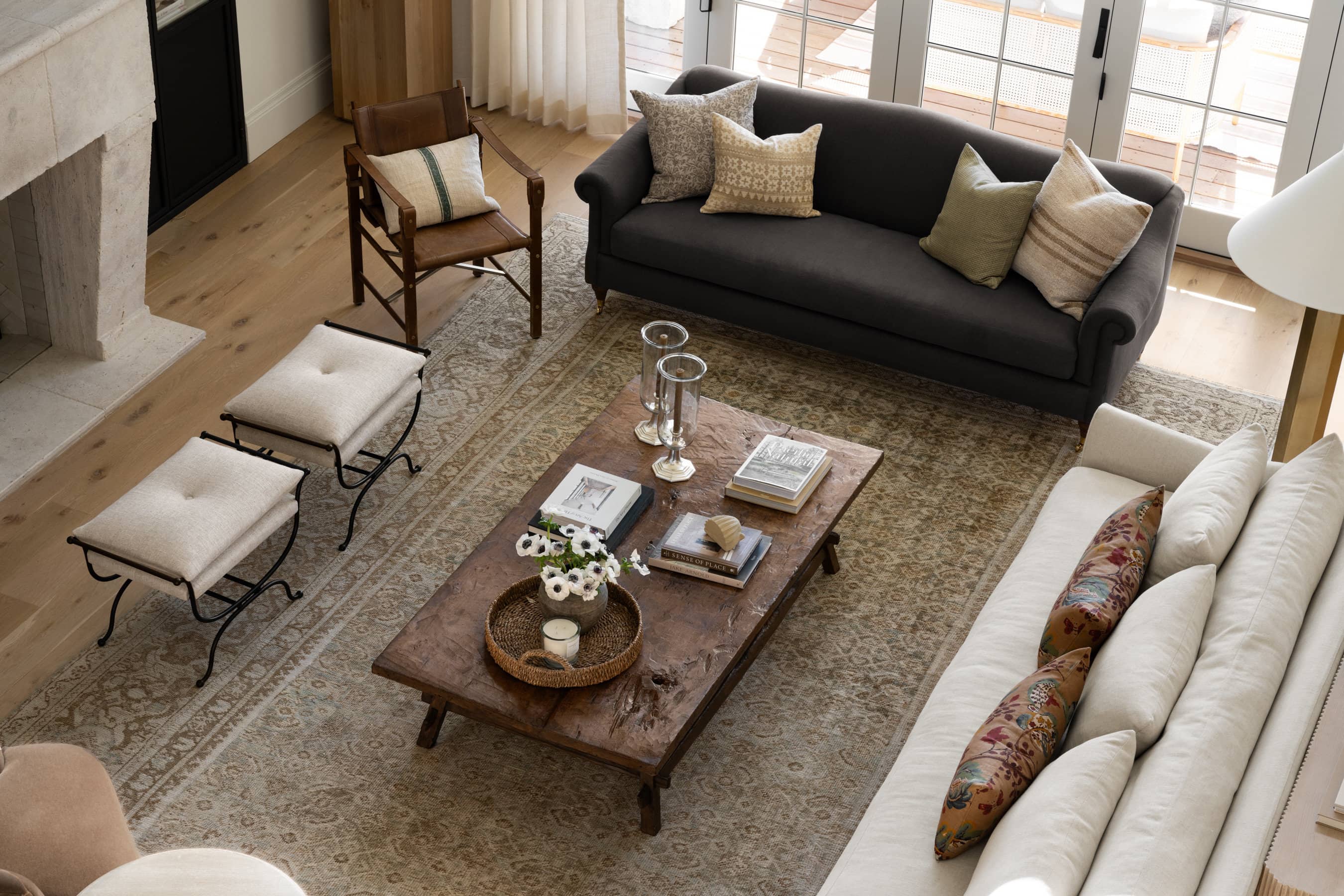
How To Arrange Two Different Sofas In Living Room Perfectly
Yes, you absolutely can arrange two different sofas in your living room perfectly, and it’s a fantastic way to add personality, functionality, and style to your space! It’s a common question for homeowners looking to maximize comfort and create inviting gathering spots.
The Art of Mixing Sofas
Bringing two different sofas into your living room isn’t just about filling space; it’s about creating a harmonious and stylish ensemble. This approach allows for greater flexibility in design, caters to diverse seating needs, and can be a budget-friendly way to achieve a curated look. Whether you’re dealing with a large living room that needs definition or a smaller space that requires clever sofa placement living room strategies, arranging multiple sofas can transform your room.
Key Principles for Seamless Integration
When you decide to use two different sofas, think about how they relate to each other and the overall room. It’s not about making them identical, but about making them friends.
1. Scale and Proportion: Finding the Right Fit
This is crucial for any living room layout with two sofas. The size of your sofas must suit the size of your room. A massive sectional paired with a dainty loveseat might look out of place.
- For Large Living Rooms: A larger sectional paired with a medium-sized sofa or a traditional two-seater can work well. Ensure there’s enough space for comfortable movement between them. This is where furniture layout for large living room planning really shines.
- For Smaller Living Rooms: Consider a streamlined sofa (like a three-seater) and a smaller, perhaps more visually light, sofa or loveseat. The key is to avoid overwhelming the space.
2. Style Harmony: Mixing and Matching with Flair
The joy of mixing sofa styles lies in creating a unique look. You don’t need them to be from the same collection, but they should feel like they belong together.
- Similar Silhouettes, Different Fabrics: If you have a clean-lined, modern sofa, you could pair it with another modern-shaped sofa but in a different texture or color.
- Classic Meets Contemporary: A more traditional Chesterfield sofa can look striking next to a sleek, minimalist sofa. The contrast can be exciting, provided there’s a unifying element.
- Color Palette Cohesion: Even with different styles, a shared color palette will tie them together. If one sofa is navy, perhaps the other has navy accents, or you can use navy in your throw pillows and blankets.
- Texture Play: Mixing textures adds depth. A plush velvet sofa can sit comfortably next to a linen or leather sofa. Just ensure the textures don’t clash aggressively.
3. Functional Zones: Creating Conversation Areas
The most effective way to arrange two sofas is to create distinct living room zoning with sofas. This means arranging them to facilitate interaction and serve specific purposes within the room. The goal is to make it easy for people to talk.
- Opposite Facing: Place the two sofas facing each other, creating a direct line of sight. This is ideal for maximizing creating conversation areas and is a classic two sofa arrangement ideas.
- L-Shape Configuration: Arrange the sofas in an L-shape, with one sofa perpendicular to the other. This is excellent for defining a corner or creating a more enclosed seating nook.
- Parallel Arrangement: Place the sofas parallel to each other, usually with a coffee table or ottoman in between. This can be effective in wider rooms or when you want to balance a fireplace or focal point.
Practical Layout Strategies
Let’s dive into specific ways to position your sofas.
Strategy 1: The Classic Facing Duo
This is perhaps the most common and effective living room layout with two sofas.
- Setup: Place two sofas directly opposite each other.
- Focal Point: Position a coffee table or a pair of ottomans in the center, equidistant from both sofas. This creates a natural gathering spot.
- Accents: Flank the sofas with accent chairs or side tables and lamps.
- Room Flow: Ensure there’s ample walkway space around the arrangement. This layout works well for both square and rectangular rooms.
- Consideration: This layout is fantastic for creating conversation areas as it directly encourages face-to-face interaction.
Example Layout:
| Sofa 1 | Coffee Table | Sofa 2 |
|---|---|---|
| (Facing) | (Facing) | |
| Accent Chair | Accent Chair | |
| Side Table | Side Table |
Strategy 2: The Cozy Corner L-Shape
This setup is perfect for defining a specific zone within a larger room or making a smaller room feel more intimate.
- Setup: Place one sofa against a wall and the other at a right angle to it, forming an “L.”
- Focal Point: The coffee table or ottomans can sit in the corner of the “L,” accessible from both sofas.
- Anchor: This arrangement naturally anchors a seating area.
- Versatility: You can place this L-shape in a corner of the room or use it to divide a large open-plan space, effectively creating living room zoning with sofas.
- When it Works Best: Great for arranging multiple sofas in rooms with an architectural feature like a fireplace or a bay window that can serve as a backdrop for one of the sofas.
Example Layout:
+———–+ | | | Sofa 1 | | | +—–+—–+ | | Coffee Table | +—–+—–+ | | | Sofa 2 | | | +———–+
Strategy 3: The Parallel Powerhouse
This layout is excellent for wider rooms and can create a very balanced feel.
- Setup: Place two sofas parallel to each other, with a significant space or furniture piece between them.
- Focal Point: A long coffee table, a console table with seating, or even a walkway can bridge the gap.
- Symmetry: This creates a sense of order and formality, making it a strong option for furniture layout for large living room designs.
- Consideration: Ensure the distance between the sofas allows for easy conversation without shouting. This layout might require more floor space than other two sofa arrangement ideas.
Example Layout:
| Sofa 1 | Long Coffee Table/Walkway | Sofa 2 |
|---|---|---|
| (Facing) | (Facing) | |
| Accent Chair | Accent Chair |
Strategy 4: The Sectional and Sofa Combination
When you have a sectional and sofa living room scenario, the arrangement needs to consider the L-shape or U-shape of the sectional.
- Setup: Place the sectional against a wall or in a corner, creating a natural boundary. Position the second sofa perpendicular to one of the sectional’s arms.
- Flow: Ensure the second sofa doesn’t block access to the main part of the sectional.
- Creating Zones: This arrangement is fantastic for living room zoning with sofas, allowing the sectional to define a primary lounging area, while the standalone sofa offers additional, more adaptable seating.
- Conversation: Angle the secondary sofa slightly towards the sectional to encourage conversation, or place it to face a focal point like a TV or fireplace.
Example Layout:
+—————+ | | | Sectional | | | +——-+——-+ | | Coffee Table | +——-+——-+ | | | Sofa 2 | | | +—————+
Choosing Your Sofas: A Blend of Style and Substance
When selecting your two sofas, keep these points in mind to ensure they complement each other.
Mixing Sofa Styles: The Art of Contrast
- Traditional Sofa with Modern Accents: A classic rolled-arm sofa can be paired with a sleek, low-profile modern sofa. The key is to find a color or fabric that bridges the gap. For instance, if your traditional sofa is a rich navy velvet, pair it with a charcoal grey or light grey modern sofa in a textured weave.
- Scandinavian Simplicity with Bohemian Comfort: A clean-lined, wooden-frame Scandinavian sofa can be beautifully contrasted with a plush, fringed bohemian sofa. Use a consistent color palette or complementary patterns to tie them together.
- Industrial Chic with Mid-Century Modern: A leather sofa with a slightly distressed finish can sit well with a mid-century modern sofa featuring tapered legs and clean lines.
Complementary Sofa Seating: Beyond Just Matching
- Color Coordination: Even if the colors aren’t identical, they should work together. Think analogous colors (like blue and green) or a neutral with a complementary accent color.
- Material Harmony: While mixing textures is good, avoid jarring combinations. A hard, shiny material might not sit well with a very soft, matte one unless handled with care through accessories.
- Shared Design Element: Sometimes, a subtle shared feature can unite disparate pieces. This could be the leg style, a decorative nailhead trim, or the general “feeling” of the piece.
Elevating the Arrangement with Accessories
Once your sofas are in place, accessories are your best friends for unifying the look.
- Throw Pillows and Blankets: This is the easiest way to create cohesion. Use pillows in coordinating colors and patterns on both sofas. You can mix and match patterns, but keep a consistent color story.
- Rugs: A large area rug can anchor the entire seating arrangement. Ensure both sofas (or at least their front legs) sit on the rug to visually connect them.
- Coffee Tables and Side Tables: Choose pieces that complement both sofas. A round coffee table can soften the lines of a more angular sofa, while a rectangular one can bridge the gap between two linear sofas.
- Lighting: Use floor lamps and table lamps strategically to illuminate the seating areas and create a warm ambiance.
- Art and Decor: Hang artwork or place decorative items that tie the color scheme and style of the two sofas together.
Considerations for Different Room Shapes and Sizes
The success of arranging multiple sofas hinges on how well the layout fits your specific space.
Furniture Layout for Large Living Room
In a spacious room, two sofas can be key to preventing the space from feeling cavernous or empty.
- Creating Multiple Zones: Use the sofas to define separate areas, such as a main seating area and a reading nook.
- Balancing the Space: Position the sofas to balance architectural features like large windows, fireplaces, or entertainment units.
- Walkability: Ensure there are clear pathways so people can move around easily without feeling cramped.
Living Room Layout with Two Sofas in a Square Room
Square rooms often benefit from arrangements that break up the symmetry or embrace it.
- Facing Layout: Two sofas facing each other work very well in a square room, creating a centered conversation area.
- L-Shape: An L-shaped arrangement can create a cozy nook within the square, leaving other areas open for additional seating or a walkway.
Living Room Layout with Two Sofas in a Rectangular Room
Rectangular rooms offer opportunities for linear and balanced layouts.
- Parallel Arrangement: Placing sofas parallel to each other, with a coffee table in between, can enhance the length of the room.
- Facing Layout: Two sofas facing each other across a longer space can create a more intimate conversation zone, with accent chairs filling in the ends.
- L-Shape: Using an L-shape can help to break up the long expanse of the room and create a more defined seating area.
Sectional and Sofa Living Room Layout Nuances
When dealing with a sectional and sofa living room, the sectional often dictates the primary seating zone.
- Sectional as Anchor: Position the sectional to take advantage of a corner or a focal point.
- Secondary Sofa Role: The second sofa can then be placed to complement the sectional, extending the seating or creating a secondary, more intimate area. It might face the open end of the sectional or sit perpendicular to it.
Common Pitfalls to Avoid
Even with the best intentions, some common mistakes can detract from your arrangement.
- Blocking Pathways: Ensure sofas don’t obstruct natural traffic flow.
- Too Much Furniture: Don’t overcrowd the room. Allow for breathing space around your seating.
- Lack of Focal Point: While creating conversation areas is key, consider if there’s a primary focal point (fireplace, TV, artwork) that the furniture should orient towards.
- Ignoring Scale: Placing oversized sofas in a small room or tiny sofas in a large room will always feel off.
Frequently Asked Questions (FAQ)
Q1: Can I put two sofas of different colors in my living room?
A1: Absolutely! Different colors can add personality and visual interest. The key is to ensure the colors work together within a cohesive color palette. Neutral colors mixed with an accent color, or two complementary colors, often work well.
Q2: Should the two sofas be the same style?
A2: No, they don’t have to be. Mixing styles can create a more dynamic and curated look. The important thing is that the styles have some element that connects them, like a shared color, material, or overall aesthetic feeling.
Q3: What is the best distance between two sofas arranged for conversation?
A3: Aim for a distance that allows for easy conversation without shouting. Typically, 4 to 7 feet between the seating surfaces is ideal for comfortable dialogue. The coffee table should be within easy reach of both sofas.
Q4: How do I make two different sofas look like they belong together?
A4: Use accessories like throw pillows, blankets, and rugs that share colors and textures. Matching side tables or a central coffee table that complements both styles can also help unify the space.
Q5: Can a sectional and a sofa work well together?
A5: Yes, a sectional and sofa living room arrangement can be very effective. The sectional often acts as an anchor, and the second sofa can be positioned to create a complementary seating area, extending the conversation space or defining a specific zone.
By carefully considering scale, style, and placement, you can master the art of arranging multiple sofas to create a beautiful, functional, and inviting living room that perfectly suits your needs.