
Can you knock down wall sections in a living room? Yes, you can, but it’s not always a simple DIY project, especially if the wall is structural. This guide will walk you through the process, from initial planning to the final finishing touches, covering everything from assessing your wall to the actual interior demolition. We’ll explore different wall cutting techniques, the crucial step of structural engineer consultation, and how this home renovation can transform your space.
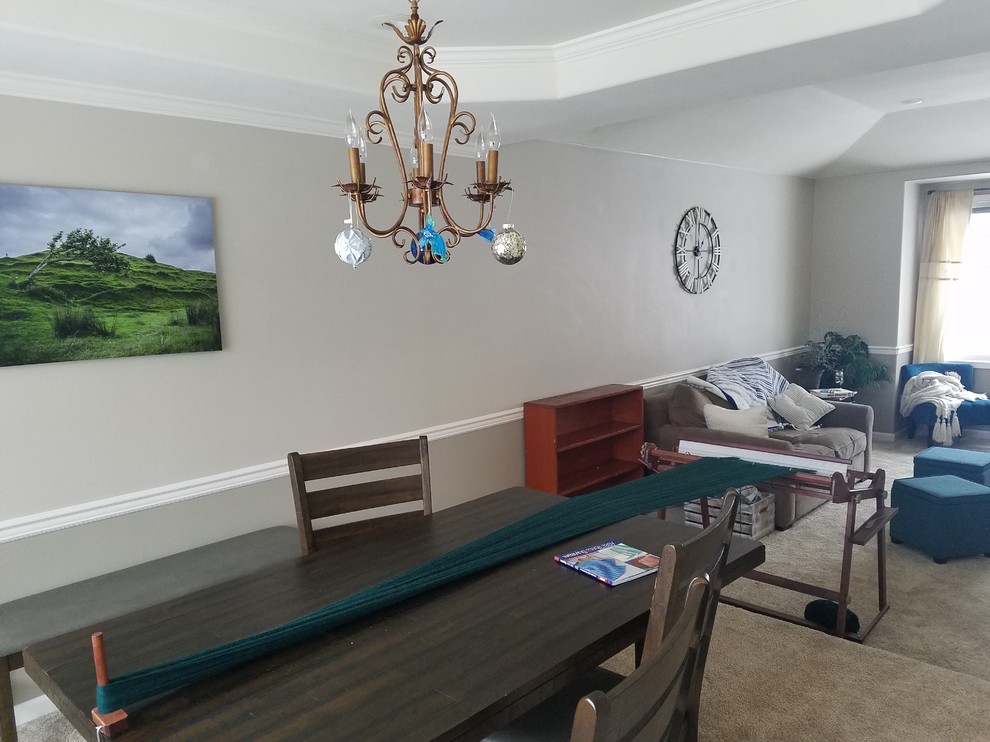
Image Source: st.hzcdn.com
Deciding to Remove a Wall: A Big Step
A large wall in your living room can sometimes feel like a barrier. It might make the space feel smaller, darker, or less connected. Removing a portion of it can open things up, create a more modern feel, and allow for better flow and light. It’s a significant interior design modification that can dramatically change the atmosphere of your home.
Why Break Up a Large Wall?
- Open Concept Living: Create a more spacious and airy feel by connecting your living room to adjacent areas like a dining room or kitchen.
- Improved Light Flow: Allow natural light to travel further into your home, making rooms brighter and more welcoming.
- Enhanced Entertaining: Facilitate better interaction and conversation when hosting guests.
- Modern Aesthetics: Achieve a contemporary look that many homeowners desire.
- Functional Changes: Create opportunities for new furniture layouts or add architectural features.
The Initial Assessment: Is This Wall Load-Bearing?
Before you even think about tools, the most critical question is: Is this a load-bearing wall? This dictates everything about the feasibility and complexity of your project.
What is a Load-Bearing Wall?
A load-bearing wall is a structural component of a house that supports weight from above. This weight can come from floors, roofs, or other parts of the building’s structure. If you remove load-bearing wall sections without proper support, you risk serious structural damage, including sagging ceilings, cracked walls, and even complete collapse.
How to Tell if a Wall is Load-Bearing:
- Look Upstairs: If the wall runs directly above or below another wall on the floor above or below, it’s likely load-bearing.
- Check the Basement/Crawl Space: Joists or beams often rest on load-bearing walls. If you see these resting on the wall in your basement or crawl space, it’s load-bearing.
- Location in the House: Walls that run perpendicular to floor joists are often load-bearing. Walls that support the roof structure are also critical.
- Room Layout: Exterior walls are almost always load-bearing. Interior walls that are parallel to floor joists might not be, but it’s not a guarantee.
- Look for Beams: If there’s a substantial beam running along the top of the wall, it’s almost certainly supporting weight.
Crucial Note: While these are general guidelines, the only way to be 100% certain if you’re dealing with a structural wall removal is to consult a professional.
The Importance of Professional Consultation
This is where structural engineer consultation becomes non-negotiable. Even if you’re comfortable with DIY wall removal for non-load-bearing partitions, a load-bearing wall requires expert knowledge.
When to Call a Structural Engineer:
- Any Load-Bearing Wall: If you suspect the wall supports any significant weight, an engineer is essential.
- Complex Renovations: If you plan to remove a large section or significantly alter the wall.
- Older Homes: Older construction methods can be more complex and less documented, making professional assessment vital.
- Peace of Mind: Even for seemingly non-load-bearing walls, an engineer’s report can prevent costly mistakes and ensure safety.
What a Structural Engineer Does:
A structural engineer will:
- Assess the existing structure.
- Determine if the wall is load-bearing and precisely what it supports.
- Design the necessary support system (e.g., beams, columns) to carry the load if the wall is altered or removed.
- Provide detailed plans and specifications that contractors will follow.
- Advise on building codes and permit requirements.
Ignoring this step is one of the biggest mistakes a homeowner can make during a home renovation project involving wall removal.
Planning Your Wall Modification
Once you’ve established the wall’s structural status and have professional guidance (if needed), it’s time for detailed planning.
Gathering Information and Permits
- Building Permits: Most significant structural changes require building permits. Your local municipality’s building department will have specific requirements. This often involves submitting architectural and structural plans, which will include the engineer’s report.
- HOA Approval: If you live in a community with a Homeowners Association, check their rules regarding structural changes.
- Utility Lines: Identify any electrical wires, plumbing pipes, or HVAC ducts running within or through the wall. You’ll need to reroute these before demolition. This often requires licensed electricians and plumbers.
Designing the Opening
Deciding exactly how much of the wall to remove is an aesthetic and functional choice.
Types of Wall Openings:
- Full Removal: The entire wall is taken down. This is only possible if it’s entirely non-load-bearing or if a robust support system is installed.
- Partial Removal: Creating an opening (like a doorway or archway) within the wall. This requires a header to support the load above the opening.
- Alcove or Niche: Removing a smaller section to create a decorative alcove or shelf.
- Half-Wall: Removing the lower portion, leaving a knee-wall.
Header Requirements:
If you are creating an opening in a load-bearing wall, a properly sized header is essential. This beam spans the opening and transfers the load to the studs or columns on either side.
Table: Typical Header Sizing Guidelines (for illustration purposes only; consult an engineer!)
| Span of Opening (ft) | Load Type | Recommended Header Material & Size (Example) |
|---|---|---|
| 2-4 | Single Story Exterior | 2×6 (single) or 2×8 (double) solid wood |
| 4-6 | Single Story Interior | 2×8 (single) or 2×10 (double) solid wood |
| 6-8 | Two Story Exterior | 2×10 (double) or 2×12 (double) solid wood |
| 8-10 | Two Story Interior | 2×12 (double) or engineered lumber |
This table is for general understanding. The exact size and type of header depend on the specific load, wood species, and local building codes. Always consult your structural engineer.*
Material Selection
- For Support Beams: Steel I-beams, laminated veneer lumber (LVL), or engineered wood beams are common choices for supporting significant loads.
- For Non-Load-Bearing Walls: Standard lumber is usually sufficient.
The Demolition Process: Step-by-Step
This is where the interior demolition begins. Safety and precision are paramount.
Safety First!
- Personal Protective Equipment (PPE): Always wear safety glasses, work gloves, a dust mask or respirator, and sturdy work boots.
- Secure the Area: Lay down drop cloths to protect floors and furniture. Cover any vents or doorways leading to other parts of the house to contain dust.
- Turn Off Power: Shut off the electricity to the area where you’ll be working. Locate the circuit breaker and ensure it’s clearly labeled.
- Water Shut-Off: If you suspect plumbing in the wall, shut off the main water supply.
Temporary Support for Load-Bearing Walls
If you are altering a load-bearing wall, you MUST install temporary supports before removing any section of the wall.
Installing Temporary Supports:
- Locate Support Points: Identify where the temporary supports will bear weight. This should be on a solid subfloor or a beam that can handle the load.
- Use Jack Posts (Acrow Props): These adjustable steel posts are designed for temporary support. They distribute the load evenly.
- Install Beams: Place a sturdy beam (e.g., a 4×6 or larger) across the top of the wall where you plan to cut.
- Position Jack Posts: Place the jack posts directly beneath the beam, spaced according to the engineer’s specifications, and tightly secure them to support the load.
- Gradually Apply Pressure: Slowly tighten the jack posts until they bear the weight of the structure above. You might hear creaking or popping sounds – this is normal as the load is transferred.
Wall Cutting Techniques
The method you use depends on the wall material and the scale of the opening.
Drywall Removal:
- Utility Knife: For scoring and cutting drywall panels.
- Oscillating Multi-Tool: Excellent for precise cuts in drywall.
- Reciprocating Saw (Saber Saw): For larger cuts, but use with caution to avoid hitting studs or utilities unnecessarily.
Stud and Framing Removal:
- Reciprocating Saw: The go-to tool for cutting through wooden studs and plates. Ensure you have sharp blades designed for wood.
- Circular Saw: Useful for making straight cuts across multiple studs if the wall is being completely removed.
- Pry Bar and Hammer: For carefully dismantling framing once it’s cut or loosened.
Concrete or Masonry Walls:
If your wall is concrete or brick, you’ll need specialized tools:
- Rotary Hammer with Chisel Bit: For chipping away at concrete or mortar.
- Angle Grinder with Diamond Blade: For making clean cuts in concrete or masonry. Requires extreme caution and significant PPE.
- Masonry Saw: For larger, more precise cuts in brick or block.
Table: Wall Cutting Tools and Their Uses
| Tool | Primary Use | Best For | Considerations |
|---|---|---|---|
| Utility Knife | Scoring drywall | Precise drywall cuts | Limited to thin materials |
| Oscillating Multi-Tool | Cutting, sanding, scraping | Intricate cuts, detail work, drywall | Versatile, good control |
| Reciprocating Saw | Cutting through various materials | Studs, framing, pipes, drywall | Can be aggressive, requires practice for precision |
| Circular Saw | Straight cuts across large surfaces | Framing, sheathing, subflooring | Safety guards crucial, dust generation |
| Hammer & Pry Bar | Demolition, separating materials | Pulling nails, prying boards apart | Useful for controlled dismantling |
| Rotary Hammer | Drilling and chiseling hard materials | Concrete, masonry, tile | Heavy-duty, requires specific bits |
| Angle Grinder | Cutting and grinding metal, masonry, concrete | Precise cuts in hard materials | High speed, sparks, dust, requires significant PPE |
| Masonry Saw | Cutting bricks, concrete blocks, stone | Large-scale masonry cutting | Specialized, often rented, significant dust and water |
Executing the Demolition:
- Mark Your Cut Lines: Clearly mark where you intend to cut the wall.
- Remove Drywall: Carefully cut and remove the drywall on both sides of the wall, exposing the studs. This allows you to check for utilities and see the wall’s structure clearly.
- Address Utilities: Safely disconnect and cap any wires or pipes. If you’re not comfortable with this, hire a professional.
- Cut Studs: Starting from the top (if temporary supports are in place), cut through the studs one by one. For load-bearing walls, you’ll cut the studs in sections, working around the new header you’ll install.
- Install New Header (if applicable): Once the load is supported by temporary jacks, cut out the section of the load-bearing wall where the opening will be. Install the engineered header, securing it to the studs above with proper support posts at its ends.
- Remove Wall Sections: Carefully remove the cut sections of the wall, working from top to bottom.
- Clean Up Debris: Bag and dispose of construction waste properly.
Finishing Touches and Reinforcement
After the demolition, the real work of making the space functional and beautiful begins.
Installing Permanent Supports
- Headers: For any opening in a load-bearing wall, the new header must be properly installed and supported by king studs and possibly jack studs or built-in columns.
- Reinforcing Joists: If removing a wall means floor joists no longer have adequate support, additional blocking or a new beam might be needed. Your engineer’s plan will detail this.
Reframing and Wall Repair
- New Framing: Frame out the edges of your new opening with studs.
- Drywall Installation: Hang new drywall to cover any exposed framing or unfinished edges.
- Taping and Mudding: Apply joint tape and drywall compound (mud) to the seams and screw heads. This usually requires multiple coats with sanding in between.
- Sanding: Achieve a smooth, seamless finish. This is a dusty process, so use a dust collection system with your sander if possible.
Interior Design Modifications and Aesthetics
- Painting: Apply primer and your chosen paint colors.
- Trim Work: Install baseboards and casing around the new opening.
- Flooring: You might need to repair or extend flooring to match the new open space.
- Lighting: Consider how the open space will affect your lighting needs. You may need to add or reposition lights.
- Furniture Placement: Plan your furniture layout to take advantage of the new open flow.
DIY vs. Professional: When to Hire Out
While some aspects of DIY wall removal can be managed by a handy homeowner, certain tasks are best left to professionals.
Tasks Best Left to Professionals:
- Structural Engineer Consultation: Absolutely essential for load-bearing walls.
- Load-Bearing Wall Alteration: The actual removal and installation of headers and supports.
- Electrical Work: Disconnecting, rerouting, or installing new electrical wiring.
- Plumbing Work: Rerouting pipes.
- HVAC Rerouting: Modifying ductwork.
- Final Finishes: For a truly professional finish on drywall, painting, and trim, consider hiring specialists.
When DIY is More Feasible:
- Non-Load-Bearing Walls: If the wall is confirmed to be non-load-bearing and has no utilities running through it, a skilled DIYer can manage the demolition and drywall work.
- Drywall Removal Only: If you just want to change the opening size for an existing doorway and the wall is non-load-bearing.
- Simple Wall Opening Creation: For non-load-bearing walls, creating a basic opening can be a manageable DIY project.
Common Pitfalls to Avoid
- Not Verifying Load-Bearing Status: The most dangerous mistake.
- Skipping the Engineer: Relying on guesswork for structural changes.
- Ignoring Utilities: Cutting into live wires or water pipes.
- Inadequate Temporary Support: Causing structural damage due to insufficient bracing.
- Underestimating Dust and Mess: Preparation is key to containing the mess.
- Not Getting Permits: Leading to fines or mandatory rework.
- Using the Wrong Tools: Making the job harder and more dangerous.
- Rushing the Finish: Poorly executed finishing work can ruin the aesthetic.
Frequently Asked Questions (FAQ)
Q1: How much does it cost to knock down a wall?
The cost can vary wildly. A non-load-bearing wall removal might cost a few hundred dollars for DIY supplies or $1,000-$3,000 if hiring a contractor for demolition and basic finishing. Removing a load-bearing wall, including the structural engineer’s fees, permits, materials (beams, posts), and professional labor for the structural work and finishing, can range from $4,000 to $15,000 or more, depending on the complexity.
Q2: Can I knock down a wall myself?
You can knock down wall sections yourself if it is a non-load-bearing wall and you have the necessary skills and tools. However, if the wall is load-bearing, it is highly recommended to hire professionals for the structural work after consulting with a structural engineer.
Q3: What is the difference between a load-bearing and non-load-bearing wall?
A load-bearing wall supports weight from above (floors, roof), while a non-load-bearing wall does not carry any structural load. Removing a load-bearing wall requires installing beams or other supports to transfer the weight, whereas a non-load-bearing wall can often be removed without significant structural intervention.
Q4: Who is responsible for getting building permits?
The homeowner is typically responsible for obtaining all necessary building permits for a home renovation project. Contractors may assist with the process, but the ultimate responsibility lies with the property owner.
Q5: How long does it take to remove a wall?
A simple non-load-bearing wall removal and basic finishing might take a few days for a DIYer. However, a structural wall removal, including engineering, permits, temporary supports, demolition, structural work, and finishing, can take anywhere from a week to several weeks or even months, depending on the project’s scope and any unforeseen issues.
Breaking up a large wall in your living room can be a rewarding home renovation that opens up your living space and enhances its feel. However, it’s a project that demands careful planning, respect for structural integrity, and a commitment to safety. Whether you tackle parts of it yourself or hire professionals for the entire job, ensuring the structural integrity of your home is the absolute priority.