
Can you brighten a dark kitchen? Yes, you absolutely can make a dark kitchen feel brighter and more welcoming with a few smart changes. This guide will show you how.
A dark kitchen can feel cramped and uninviting. It might lack sufficient natural light, or the existing lighting might be inadequate. Perhaps the paint colors are too dark, or the layout isn’t helping. Whatever the reason, there are many easy ways to transform a dim kitchen into a bright, cheerful space. This article will explore various strategies, from simple decor tweaks to more involved renovations, all aimed at maximizing light and creating a more open feel. We’ll cover everything from paint choices and lighting solutions to furniture arrangement and the use of reflective materials.
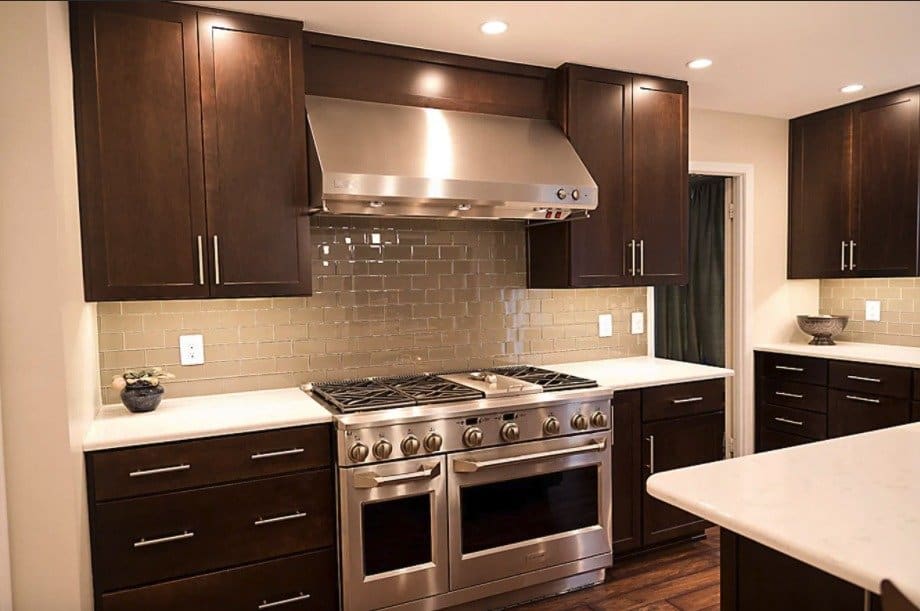
Image Source: ohanlonkitchens.com
Maximizing Natural Light
The best way to brighten a dark kitchen is to let in as much natural light as possible. This is the most effective and cost-efficient method.
Opening Up Windows
If you have windows, ensure they are clean and unobstructed. Avoid heavy, dark curtains that block light. Opt for sheer blinds, Roman shades, or light-colored curtains that can be easily opened during the day. If your windows are small or limited, consider increasing their size or adding more windows if your home’s structure allows. This is a more significant renovation but can dramatically change the feel of the space.
Skylights: A Brilliant Addition
For kitchens on the top floor or with a suitable roof structure, installing skylights can flood the space with natural light. Skylights bring light from above, which can reach even the deepest corners of a room, especially beneficial in kitchens without ample wall space for windows. There are various types of skylights, including fixed, vented, and tubular daylighting devices, each offering different benefits. Tubular skylights, in particular, can be installed in smaller spaces and can channel light effectively.
Smart Lighting Solutions
Beyond natural light, artificial lighting plays a crucial role in banishing darkness. Layering different types of lighting ensures the kitchen is well-lit at all times.
The Power of LED Lighting
LED lighting is a game-changer for brightening any space. LEDs are energy-efficient, long-lasting, and come in a wide range of color temperatures. For a bright, natural feel, choose cool white or daylight LEDs.
- General Illumination: Replace old incandescent or fluorescent bulbs with bright LED lighting in your ceiling fixtures. This provides the base layer of light for the entire kitchen.
- Task Lighting: This is essential for areas where you perform tasks like chopping vegetables or reading recipes.
Under Cabinet Lights: Illuminating Workspaces
One of the most impactful ways to brighten a kitchen, especially the countertops, is by installing under cabinet lights. Dark cabinets can cast shadows on your work surfaces, making them feel dingy.
- Benefits of Under Cabinet Lights:
- They illuminate your countertops directly, reducing shadows.
- They add a warm ambiance to the kitchen.
- They are often sleek and unobtrusive.
- Types of Under Cabinet Lights:
- LED Strips: Flexible and easy to install, often with adhesive backing. They provide continuous light.
- Puck Lights: Small, circular lights that can be mounted individually. Good for targeted illumination.
- Bar Lights: Longer, linear lights that offer broader coverage.
- Installation: Many under cabinet lights are plug-in or battery-operated for easy DIY installation. For a cleaner look, consider hardwired options, which might require an electrician.
Pendant Lights: Style and Illumination
Pendant lights are not only functional light sources but also decorative elements that can draw the eye upward and add visual interest.
- Placement is Key: Hang pendant lights over islands, peninsulas, or even sinks. Ensure they are hung at an appropriate height to provide sufficient light without being blinding.
- Light Output: Choose pendants with open shades or clear glass to allow light to disperse freely.
- Style: Select pendants that complement your kitchen’s aesthetic, whether it’s modern, farmhouse, or traditional.
Accent Lighting: Highlighting Features
Accent lighting is used to draw attention to specific architectural features or decorative items.
- Examples:
- Recessed lights aimed at artwork.
- Lights inside glass-front cabinets to showcase dishes.
- Sconces on walls to provide softer ambient light.
- Impact: Accent lighting adds depth and dimension to the kitchen, preventing it from feeling flat and uninspired.
The Magic of Light Paint Colors
The color of your walls and cabinets has a significant impact on how bright a kitchen feels. Dark colors absorb light, while light colors reflect it.
Choosing Light Paint Colors
Opting for light paint colors is one of the simplest and most effective ways to brighten a dark kitchen.
- Whites and Off-Whites: These are classic choices for a reason. They bounce light around the room, making it feel larger and more airy. Consider soft whites, creamy ivories, or light greys.
- Pastels: Pale blues, greens, or yellows can add a touch of color while still maintaining a bright feel.
- High-Gloss Finishes: For cabinets or even walls, a semi-gloss or high-gloss finish will reflect more light than a matte finish. Be mindful that glossy surfaces can show imperfections.
Cabinet Color Choices
If your cabinets are dark, repainting them can make a huge difference.
- White or Light Grey Cabinets: These are popular choices that instantly brighten the kitchen.
- Light Wood Tones: If you prefer a natural look, consider cabinets made of or painted in light-colored woods like maple, birch, or ash.
Incorporating Reflective Surfaces
Reflective surfaces are your best friend when it comes to bouncing light around a room.
Mirrors: The Ultimate Light Reflector
Mirrors are incredibly effective at amplifying light.
- Strategic Placement:
- Place a large mirror opposite a window to reflect natural light back into the room.
- Consider mirrored backsplash tiles or a mirrored cabinet door.
- Even smaller decorative mirrors can help.
- Types of Mirrors:
- Frameless mirrors: Offer a clean, modern look and maximize reflection.
- Mirrored tiles: Can be used for a backsplash for a subtle shimmer.
- Full-length mirrors: If you have the space, a floor-length mirror can make a dramatic impact.
Glossy Finishes and Metallic Accents
Beyond mirrors, other reflective surfaces can contribute to a brighter kitchen.
- High-Gloss Cabinetry: As mentioned earlier, glossy finishes bounce light.
- Polished Countertops: Materials like polished granite, quartz, or marble can add subtle reflectivity.
- Metallic Finishes: Stainless steel appliances, polished chrome or brass hardware, and metallic light fixtures all reflect light and add sparkle.
- Glossy Backsplashes: Consider subway tiles with a glossy finish, glass tiles, or even stainless steel panels.
The Impact of Open Shelving
Open shelving can make a kitchen feel more open and less visually heavy than closed cabinets.
Benefits of Open Shelving
- Airy Feel: By removing upper cabinet doors, you create a sense of spaciousness.
- Display Potential: It’s an opportunity to display attractive dishware, glassware, or decorative items, which can add personality and visual lightness.
- Light Penetration: Light can pass through the open space, reaching further into the kitchen.
Considerations for Open Shelving
- Maintenance: Items on open shelves need to be kept tidy and clean, as they are always on display.
- Dust: Shelves can collect dust, so regular cleaning is necessary.
- Visual Clutter: If not organized well, open shelving can look cluttered, which can have the opposite effect of making the kitchen feel brighter. Stick to a curated selection of items.
Furniture and Layout Adjustments
The arrangement of furniture and the style of your kitchen elements can also influence perceived brightness.
Light-Colored Furniture and Decor
Choose furniture, rugs, and accessories in lighter colors to maintain the bright atmosphere you’re creating. Light-colored wood, white, or pastel furniture will contribute to an airy feel.
Decluttering and Organization
A cluttered kitchen will always feel darker and smaller. Keep countertops clear of unnecessary items. Utilize smart storage solutions to keep things organized and out of sight.
Table: Comparing Lighting Strategies
| Lighting Strategy | Primary Benefit | Best Use Case | Cost (Est.) | DIY Friendly |
|---|---|---|---|---|
| Natural Light | Free, authentic brightness | Windows, skylights | N/A | N/A |
| LED Lighting (General) | Energy-efficient, bright overall illumination | Ceiling fixtures, replacing old bulbs | $ | Yes |
| Under Cabinet Lights | Illuminates task areas, reduces shadows | Work surfaces, countertops | $$ | Yes |
| Pendant Lights | Task lighting with decorative appeal | Kitchen islands, dining areas | $$$ | Moderate |
| Accent Lighting | Highlights features, adds depth | Art, display cabinets, architectural details | $$ | Moderate |
| Skylights | Floods space with natural light from above | Kitchens without ample wall windows, top floors | $$$$$ | No |
Cost estimates: $ (low), $$ (medium-low), $$$ (medium), $$$$ (medium-high), $$$$$ (high)
Frequently Asked Questions
Q: What is the single best way to brighten a dark kitchen?
A: Maximizing natural light through windows and, if possible, skylights is the most impactful step. If natural light is limited, layering effective artificial lighting, especially under cabinet lights and bright LED lighting, is crucial.
Q: Can I paint my dark kitchen cabinets white to brighten the space?
A: Yes, painting dark kitchen cabinets with light paint colors, such as white, off-white, or a light grey, is one of the most transformative and effective DIY projects for brightening a kitchen. Ensure you use the correct primer and paint specifically designed for cabinets for durability.
Q: How much does it cost to add under cabinet lights?
A: The cost varies depending on the type and number of under cabinet lights you choose. Simple plug-in LED strips or puck lights can cost anywhere from $20 to $100 for a set. Hardwired options, including installation by an electrician, will be more expensive, potentially ranging from $200 to $500 or more depending on the complexity.
Q: Should I use warm white or cool white LED bulbs in my kitchen?
A: For a bright, energizing feel, especially in task areas, cool white or daylight LED lighting (around 4000K-5000K) is often preferred. For a warmer, cozier ambiance, especially in dining areas or as part of accent lighting, warm white (around 2700K-3000K) might be suitable. Many modern kitchens benefit from a mix, using cooler tones for task lighting and warmer tones for ambient or accent lighting.
Q: Are open shelves a good idea for a dark kitchen?
A: Open shelving can make a kitchen feel more open and less visually heavy than closed cabinets, which can contribute to a brighter atmosphere. However, they can also make a space feel more cluttered if not kept meticulously organized. They are best used strategically, perhaps on one or two walls, and accessorized with light-colored dishware and decor.
By implementing these strategies, you can transform your dark kitchen into a bright, inviting, and functional space that you’ll love spending time in. Experiment with different combinations of natural light, LED lighting, light paint colors, and reflective surfaces to find the perfect solution for your home.