
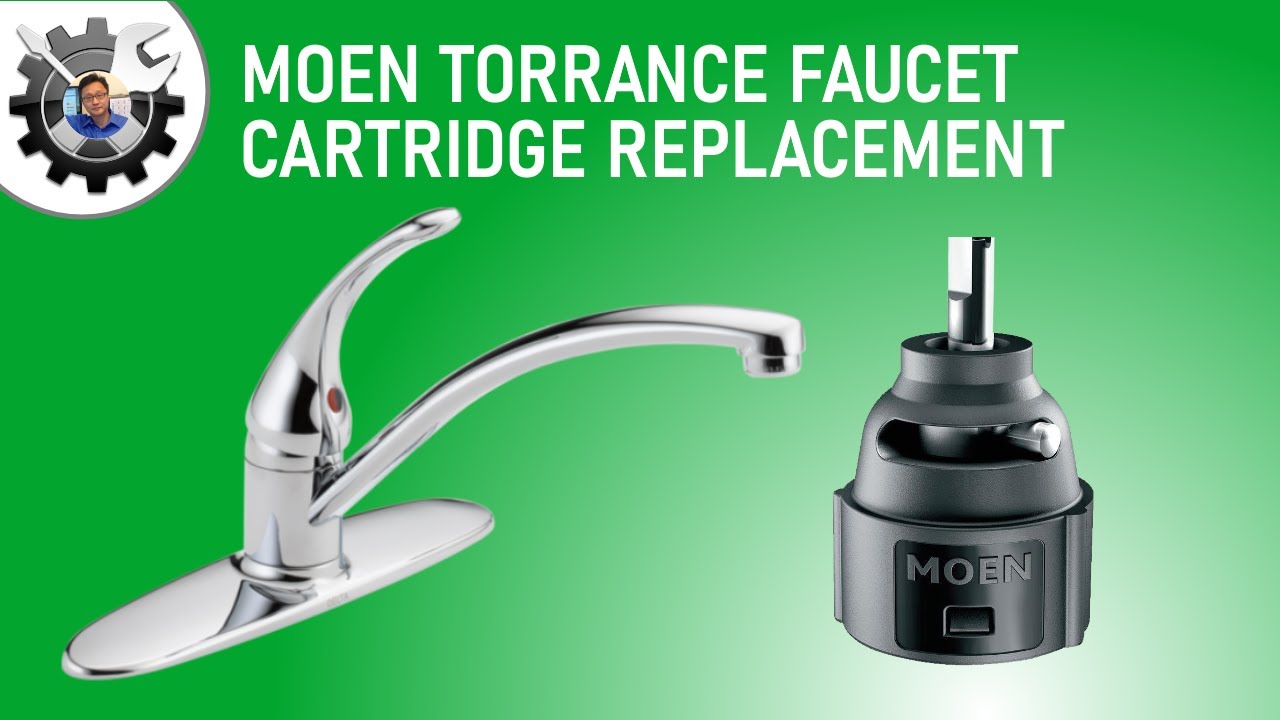
Image Source: i.ytimg.com
How to Change a Moen Kitchen Faucet Cartridge Easily
Yes, you can easily change a Moen kitchen faucet cartridge yourself with a few basic tools and this step-by-step guide. Most common Moen faucet issues, like a Moen faucet drip or a Moen faucet leaking, are resolved by replacing the cartridge.
A dripping or leaking kitchen faucet can be incredibly annoying. It wastes water, increases your utility bills, and can even damage your sink. For many homeowners, the culprit behind these pesky problems is a faulty cartridge inside their Moen kitchen faucet. Fortunately, a Moen faucet repair, specifically replacing the cartridge, is a common DIY project that can save you money and restore peace to your kitchen. This guide will walk you through the entire process, from identifying the problem to having your new cartridge installed and working like a charm. We’ll cover everything you need to know for a successful Moen faucet maintenance and repair.
Why Your Moen Faucet Might Be Leaking
Before we dive into the “how-to,” let’s briefly touch on why your Moen faucet might be experiencing issues.
- Worn-Out Cartridge: The cartridge is the heart of your faucet. It controls the flow and temperature of the water. Over time, the internal seals and components can wear down, leading to leaks and drips. This is the most common reason for a Moen faucet drip.
- Mineral Buildup: Hard water can cause mineral deposits to accumulate within the cartridge, obstructing its smooth operation and eventually causing leaks.
- Damaged O-rings: The cartridge is sealed by O-rings. If these rubber seals become cracked or brittle, water can bypass them, resulting in a leak.
Gathering Your Moen Faucet Parts and Tools
To successfully replace your Moen kitchen faucet cartridge, you’ll need a few essential items. Having these ready before you start will make the process much smoother.
Essential Tools:
- Adjustable Wrench: For loosening and tightening nuts and fittings.
- Phillips Head Screwdriver: For removing handle screws.
- Flathead Screwdriver: Sometimes needed for prying off caps or handles.
- Pliers (Channel-lock or slip-joint): For gripping and turning parts.
- Allen Wrench Set: Some Moen handles use a small set screw that requires an Allen wrench.
- Utility Knife or Small Pry Tool: To carefully remove decorative caps.
- Rag or Towel: To protect surfaces and soak up any residual water.
- Bucket or Container: To catch any water that might drain from the faucet.
- Penetrating Oil (Optional but helpful): For loosening stubborn or corroded parts.
- Plumber’s Grease: To lubricate new O-rings and the cartridge for easier installation and future removal.
The Crucial Moen Faucet Part: The Cartridge
The most important item you’ll need is the correct Moen replacement cartridge. Moen uses various cartridge types depending on the faucet model.
How to Identify Your Moen Faucet Cartridge:
- Check the Faucet Base: Often, the model number or series is stamped on the faucet body, usually on the back or underside.
- Consult Your Manual: If you still have the original owner’s manual, it will specify the correct cartridge.
- Take Pictures: If you can’t find a model number, take clear pictures of your faucet, especially the handle and the base, and bring them to a hardware store or plumbing supply store. They can often help you identify the correct part.
- Online Resources: Moen’s website has a faucet troubleshooting section where you can search for parts by faucet type or model number. You can also find diagrams to help you identify your cartridge.
Common Moen Cartridge Types:
- 1225 Cartridge: Used in many Moen single-handle faucets (e.g., widespread and center-set lavatory faucets, and some kitchen faucets). This is often the most common cartridge.
- 1255 Cartridge: For Moen’s temperature-limiting single-handle faucets.
- 1234 Cartridge: Used in many Moen two-handle faucets.
It’s crucial to get the exact Moen faucet parts for your specific model. Using the wrong cartridge will not fix the leak and could potentially damage the faucet.
Step-by-Step Moen Faucet Disassembly and Cartridge Replacement
Let’s get started with the actual process of how to fix a Moen kitchen faucet by replacing the cartridge. This process involves careful disassembly and reassembly.
Step 1: Turn Off the Water Supply
This is the most critical first step. You do not want water spraying everywhere!
- Locate Shut-Off Valves: Look for the shut-off valves beneath your kitchen sink. There will be one for hot water and one for cold water. They typically have small oval or round handles.
- Turn Valves Clockwise: Turn both handles clockwise until they are hand-tight.
- Test: Turn on the faucet to ensure the water flow has stopped completely. Let any remaining water drain out.
Step 2: Prepare Your Workspace
Lay down a rag or towel in the sink and around the faucet base. Place your bucket underneath the faucet connections to catch any drips. This will help keep your sink clean and prevent scratches.
Step 3: Remove the Faucet Handle
This is where Moen faucet handle removal can vary slightly by model.
- Find the Set Screw: Most Moen single-handle faucets have a small set screw that holds the handle in place. This screw is usually located on the back or underside of the handle.
- Remove Decorative Cap (if present): Some handles have a small decorative cap that covers the set screw. Gently pry this cap off using a small flathead screwdriver or a utility knife. Be careful not to scratch the finish.
- Loosen the Set Screw: Use the appropriate size Allen wrench or a small Phillips head screwdriver to loosen the set screw. You don’t need to remove it completely, just loosen it enough so the handle can slide off.
- Remove the Handle: Once the set screw is loosened, gently pull the handle straight up and off the faucet body. If it’s stuck, try wiggling it gently or applying a bit of penetrating oil. Avoid forcing it, as this could break something.
Step 4: Remove the Handle Adapter (if applicable)
On some Moen faucets, there’s a decorative handle adapter or bonnet nut that sits between the handle and the faucet body.
- Unscrew the Adapter: This adapter may screw off by hand or require an adjustable wrench. If using a wrench, place a rag around the adapter to protect its finish.
- Grasp Firmly: Twist the adapter counter-clockwise to unscrew it.
Step 5: Remove the Cartridge Retaining Clip or Nut
This is a key part of Moen faucet disassembly. Moen uses two main methods to secure the cartridge: a retaining clip or a large retaining nut.
Method A: Retaining Clip
- Locate the Clip: Look for a small, U-shaped metal clip that inserts into a slot on the top of the cartridge body.
- Pull the Clip Out: Use needle-nose pliers or a flathead screwdriver to carefully pull this clip straight up and out. It might be a bit stiff, but it should come free.
Method B: Retaining Nut
- Identify the Nut: This is a large, often brass or plastic, nut that screws onto the faucet body, holding the cartridge in place.
- Loosen the Nut: Use an adjustable wrench or pliers to grip the nut and turn it counter-clockwise. You might need to use some force, especially if it’s been in place for a while. A penetrating oil can help here if it’s very tight.
Step 6: Remove the Old Cartridge
With the clip or nut removed, you can now pull out the old cartridge.
- Grip the Cartridge: Use pliers to grip the top stem of the cartridge.
- Pull Straight Up: Pull the cartridge straight up and out of the faucet body. It might be a snug fit.
- Cartridge Removal Tool (Optional): If the cartridge is exceptionally difficult to remove, Moen offers a cartridge removal tool that can be very helpful. This tool screws onto the cartridge and provides a leverage point for extraction. Many hardware stores rent or sell these.
- Inspect the Faucet Body: Once the cartridge is out, take a moment to inspect the inside of the faucet body. Ensure there are no debris or mineral deposits clinging to the seat where the cartridge sits. Clean it gently with a cloth if necessary.
Step 7: Install the New Moen Cartridge
Now it’s time to put the new cartridge in. This is the core of the Moen faucet repair.
- Lubricate the New Cartridge: Apply a thin layer of plumber’s grease to the rubber O-rings on the new cartridge. This will help it slide in easily and prevent future sticking.
- Align the Cartridge: Note the orientation of the new cartridge. It has specific notches or flats that must align with corresponding slots in the faucet body. Moen cartridges are often designed with a flat side or a specific keyway that needs to be positioned correctly for the handle to operate properly. Refer to the instructions that came with your new cartridge.
- Insert the Cartridge: Gently push the new cartridge straight down into the faucet body. It should slide in smoothly if it’s oriented correctly. If it resists, do not force it; remove it, re-check the alignment, and try again.
Step 8: Reinstall the Retaining Clip or Nut
This step reverses Step 5.
For Retaining Clip:
- Position the Clip: Slide the U-shaped retaining clip back into its slot on the faucet body, ensuring it firmly secures the top of the cartridge.
For Retaining Nut:
- Screw on the Nut: Screw the retaining nut back onto the faucet body by hand, then tighten it securely with your adjustable wrench or pliers. Again, use a rag to protect the finish. Don’t overtighten, but ensure it’s snug.
Step 9: Reinstall the Handle Adapter (if applicable)
If you removed a handle adapter in Step 4, screw it back on by hand until it’s snug.
Step 10: Reattach the Faucet Handle
This reverses Step 3.
- Slide the Handle On: Place the handle back onto the cartridge stem.
- Tighten the Set Screw: Tighten the set screw using the Allen wrench or screwdriver until the handle is secure.
- Replace Decorative Cap: Snap the decorative cap back into place if your handle had one.
Step 11: Turn the Water Supply Back On
- Open Shut-Off Valves: Slowly turn the hot and cold water shut-off valves counter-clockwise to restore the water supply.
- Check for Leaks: Turn the faucet on and off several times, checking for any leaks around the handle or base. Ensure the water temperature controls are working correctly.
Moen Faucet Troubleshooting Tips and Common Issues
Even with careful work, you might encounter a snag. Here are some common issues and how to address them as part of your Moen faucet maintenance.
Faucet Still Leaking After Cartridge Replacement
- Incorrect Cartridge: Double-check that you used the correct Moen cartridge for your model.
- Debris in Faucet Body: There might be a piece of grit or mineral deposit preventing the new cartridge from seating properly. You may need to remove the new cartridge and clean the faucet body thoroughly again.
- Damaged Faucet Body: In rare cases, the faucet body itself might be cracked or corroded, requiring a full faucet replacement.
- Loose Connections: Ensure all external connections (if you worked on those) are tight.
Handle is Stiff or Loose
- Stiff Handle: The new cartridge might need a bit of lubrication, or the handle adapter might be overtightened. Try loosening the adapter slightly.
- Loose Handle: The set screw might not be tight enough, or it might be stripped. Ensure the set screw is engaging properly with the cartridge stem.
Water Flow Issues
- Low Flow: Check if the aerator at the end of the spout is clogged with debris. Unscrew it, clean it, and screw it back on.
- Intermittent Flow: This can sometimes indicate a partially blocked waterway in the faucet body or a faulty cartridge (even a new one).
When to Call a Professional
While changing a Moen kitchen faucet cartridge is a manageable DIY project, there are times when it’s best to call in a plumber:
- Uncertainty: If you’re not confident about any step of the process.
- Stubborn Parts: If parts are severely corroded and won’t budge, you risk breaking them or the faucet.
- Persistent Leaks: If you’ve replaced the cartridge and the leak persists, there might be a more complex issue.
- Complex Faucet Designs: Some high-end or older faucets can have more intricate designs that require specialized knowledge.
Frequently Asked Questions (FAQ) about Moen Faucet Cartridge Replacement
Q1: How long does it take to change a Moen kitchen faucet cartridge?
A1: For an experienced DIYer, it can take as little as 30 minutes. For a first-timer, allow 1-2 hours, especially if you need to identify the correct cartridge or encounter stubborn parts.
Q2: Can I use a generic cartridge instead of a Moen brand cartridge?
A2: It’s highly recommended to use genuine Moen faucet parts. Generic cartridges may not fit correctly, leading to leaks or damage to your faucet.
Q3: My faucet has two handles. Do I need a different cartridge?
A3: Yes, Moen uses different cartridges for single-handle and two-handle faucets. For two-handle faucets, you will likely need the Moen 1234 cartridge. Always confirm the correct part for your specific model.
Q4: My faucet still drips from the spout after replacing the cartridge.
A4: This could indicate that the valve seats inside the faucet body are damaged or corroded. These seats are where the cartridge seals. You might need to replace the valve seats as well, or in some cases, the entire faucet might need replacement if the seats are integral to the faucet body.
Q5: How do I know if my Moen faucet cartridge needs replacing?
A5: Common signs include a persistent Moen faucet drip from the spout or handle, difficulty in turning the handle, or a Moen faucet leaking around the base or handle.
By following these detailed steps, you can confidently tackle a Moen faucet repair and bring your kitchen back to a leak-free state. This simple DIY project is an excellent example of effective Moen faucet maintenance that can save you time and money.