
What is a kitchen backsplash and why is it important? A kitchen backsplash is the material that covers the wall space between your kitchen countertops and the upper cabinets. It’s crucial for protecting your walls from splashes and stains from cooking, making cleanup easier, and adding significant aesthetic appeal to your kitchen. Can I install a backsplash myself? Yes, many backsplashes can be installed as a DIY project, especially tile options. Who is a kitchen backsplash for? It’s for anyone who wants to protect their kitchen walls from damage and enhance their kitchen’s overall appearance.
Choosing the perfect kitchen backsplash can feel like a big decision. It’s a prominent feature that ties together your countertops, cabinets, and overall kitchen design. With so many options available, it’s easy to get overwhelmed. This guide will help you navigate the process, ensuring you find a backsplash that is both beautiful and functional for your space. We’ll explore various kitchen backsplash ideas, delve into different backsplash materials, discuss backsplash installation, and touch upon backsplash cost.
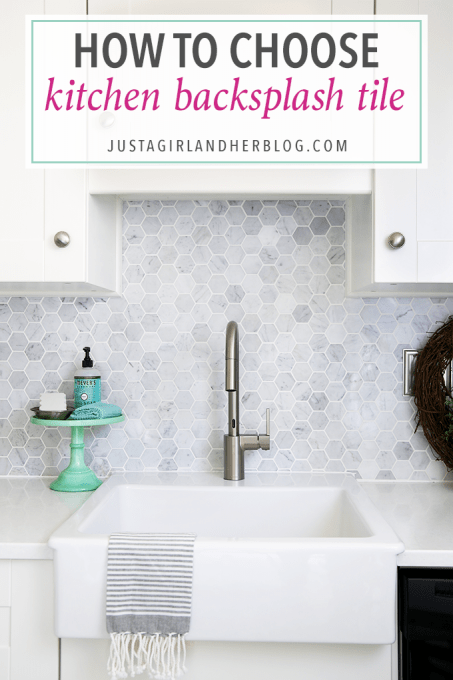
Image Source: justagirlandherblog.com
Identifying Your Kitchen’s Style
Before you even start looking at materials, take a moment to assess your kitchen’s current style or the style you envision. This will guide your backsplash choices and help you avoid missteps.
Modern Kitchens
Modern kitchens often feature clean lines, sleek surfaces, and minimalist aesthetics. For this style, consider:
- Glass backsplashes: These offer a seamless, reflective surface that can make a space feel larger and brighter.
- Large format tiles: Minimal grout lines create a very clean look.
- Metallic finishes: Stainless steel or brushed nickel can add a contemporary touch.
- Simple geometric patterns: Subtle patterns can add interest without overwhelming the space.
Farmhouse Kitchens
Farmhouse kitchens evoke a sense of rustic charm and warmth. Think natural materials and vintage-inspired elements. Popular choices include:
- Subway tile: A classic that never goes out of style, especially in white or cream.
- Shiplap: This wooden planking adds texture and a cozy feel.
- Natural stone: Materials like travertine or slate can bring an earthy, handcrafted look.
- Checkerboard patterns: A timeless look that adds a touch of playful nostalgia.
Traditional Kitchens
Traditional kitchens often incorporate classic details, ornate elements, and a sense of timeless elegance. Consider:
- Ceramic or porcelain tile: Available in a vast array of colors, patterns, and finishes.
- Marble or granite: Luxurious natural stones that offer intricate veining and a sophisticated look.
- Mosaics: Intricate patterns made from small tiles can add a decorative focal point.
- Beadboard: A painted wood paneling that offers a subtle texture.
Transitional Kitchens
Transitional kitchens blend elements of both modern and traditional styles, creating a balanced and versatile look. This offers a lot of freedom in your backsplash design. You can mix and match elements, such as:
- Classic materials with modern finishes: For example, marble with a honed finish.
- Simple tile shapes in bold colors or patterns.
- A mix of textures: Combining smooth tile with a more textured accent piece.
Exploring Backsplash Materials
The material you choose for your backsplash will significantly impact its look, feel, durability, and maintenance requirements. Here’s a breakdown of common backsplash materials:
Tile Backsplashes
Tile is arguably the most popular choice for kitchen backsplashes, and for good reason. It’s versatile, durable, and available in an endless array of styles, colors, and sizes.
Ceramic and Porcelain Tile
- Pros: Highly durable, water-resistant, stain-resistant, easy to clean, affordable to moderately expensive depending on the style, vast selection of colors, patterns, and finishes. Porcelain is denser and less porous than ceramic, making it even more durable.
- Cons: Grout lines can stain and require regular cleaning and sealing. Can chip or crack if hit with a heavy object.
- Styles: Subway tiles, square tiles, hexagonal tiles, mosaic tiles, large format tiles. You can find them in glossy, matte, textured, and even patterned finishes.
- Design Considerations: Think about backsplash patterns like herringbone, stacked, or a classic brick lay. The size and shape of the tile will dramatically change the look.
Glass Backsplash
Glass backsplashes offer a sleek, modern, and reflective surface.
- Pros: Easy to clean, water-resistant, can make a space feel larger and brighter due to reflectivity, available in a wide range of colors and finishes (frosted, textured, iridescent).
- Cons: Can be more expensive than ceramic, susceptible to scratching and chipping, grout lines can still be an issue if using individual glass tiles, professional installation is often recommended.
- Styles: Glass mosaic tiles, single sheets of tempered glass (often back-painted), glass subway tiles.
Stone Backsplashes
Natural stone backsplashes add a touch of organic beauty and luxury.
- Pros: Unique and beautiful veining and natural variations, highly durable (granite, quartz), can add significant value to your home.
- Cons: Can be expensive, porous stones (like marble and travertine) require regular sealing to prevent staining and etching, can be heavy and require professional installation.
- Styles:
- Marble: Elegant with distinctive veining, but requires diligent sealing.
- Granite: Very durable and heat-resistant, but also needs sealing.
- Travertine: Natural earthy tones and a porous surface that needs sealing.
- Slate: Offers a rustic, textured look with rich, deep colors.
- Quartzite: Extremely durable and naturally beautiful, often resembling marble but much harder.
- Stacked Stone: Pieces of natural stone fitted together to create a textured, dimensional look.
Metal Backsplashes
Metal backsplashes offer a modern, industrial, or sleek contemporary look.
- Pros: Durable, easy to clean, heat-resistant, can be a unique design element.
- Cons: Can be prone to scratching and showing fingerprints, installation can sometimes require specialized tools, can be more expensive.
- Styles: Stainless steel sheets, copper tiles, brushed aluminum, tin tiles.
Other Materials
- Laminate: A budget-friendly option, but not as durable or heat-resistant as other materials.
- Wallpaper: Certain types of vinyl or washable wallpaper can be used as a temporary or budget backsplash, but durability and heat resistance are limited.
- Wood: Can be used in certain applications, especially beadboard or shiplap, but requires proper sealing to protect against moisture and heat.
Designing Your Backsplash
Backsplash design is where your personal style truly shines. Consider these elements:
Color Palette
- Complementary Colors: Choose a backsplash color that harmonizes with your countertops and cabinets. If your countertops are busy, opt for a simpler backsplash color.
- Contrasting Colors: A bold backsplash can create a dramatic focal point. For example, dark cabinets with a light, striking tile.
- Neutral Tones: Whites, grays, and beiges offer timeless appeal and can be easily updated with accessories.
Patterns and Textures
- Grout Color: The color of your grout can significantly impact the overall look. White grout with white subway tile is classic. Dark grout can make patterns pop and hide minor stains.
- Tile Patterns:
- Subway Tile: Can be laid in a traditional brick pattern, vertically, or in a herringbone style.
- Herringbone: Creates a dynamic, visual V-shape.
- Stacked: Tiles are laid in straight, even rows, creating a clean, modern look.
- Mosaic: Small tiles arranged in intricate patterns or as accent borders.
- Geometric: Hexagons, chevrons, or other shapes can add a contemporary flair.
- Texture: Consider textured tiles, stacked stone, or even 3D patterns for added depth and visual interest.
Scale and Proportion
- Tile Size: Larger tiles can make a small kitchen feel more spacious. Smaller mosaic tiles can add intricate detail.
- Height: Most backsplashes extend from the countertop to the bottom of the upper cabinets. Some people choose to extend them higher or all the way to the ceiling for a more dramatic effect.
Accents and Borders
- Accent Strips: A strip of mosaic tile or a different color/material can break up a field of single-color tile.
- Decorative Borders: A decorative tile border can frame the backsplash or add a classic touch.
Backsplash Installation
Backsplash installation can range from a straightforward DIY project to a more complex undertaking requiring professional help, depending on the material and complexity of the design.
DIY Backsplash Installation
- For Tile: This is a popular DIY project. You’ll need tools like a wet saw (for cutting tiles), tile nippers, trowels, spacers, grout, and sealant. Preparation is key: ensure your wall surface is clean, dry, and smooth.
- Steps often involve:
- Measuring and planning your layout.
- Applying tile adhesive with a notched trowel.
- Setting tiles, using spacers for consistent gaps.
- Cutting tiles to fit around outlets and corners.
- Grouting after the adhesive has cured.
- Cleaning off excess grout.
- Sealing the grout (if necessary).
- Steps often involve:
- Peel-and-Stick Tiles: These are designed for easy DIY installation, often mimicking the look of real tile. They are a great option for renters or those looking for a quick update.
- Considerations for DIY:
- Patience: Rushing can lead to mistakes.
- Accuracy: Precise cuts and level installation are crucial.
- Tools: Invest in or rent the right tools for the job.
Professional Installation
- When to Hire a Professional:
- Complex Materials: Natural stone, large format tiles, or intricate mosaic patterns often benefit from professional expertise.
- Difficult Layouts: Rooms with many angles, windows, or electrical outlets can be challenging.
- Heavy Materials: Stone slabs or very heavy tiles require careful handling and installation.
- Time Constraints: If you want a flawless finish quickly, a professional is the way to go.
- Benefits of Professional Installation:
- Ensures a perfect, professional finish.
- Handles complex cuts and challenging areas with precision.
- Provides expertise on material handling and best practices.
- Saves you time and potential frustration.
Backsplash Cost
Backsplash cost can vary wildly based on the material, complexity of the design, the size of the area, and whether you hire a professional or go the DIY route.
Material Costs
| Material | Average Cost Per Square Foot (Material Only) | Notes |
|---|---|---|
| Ceramic Tile | $1 – $15+ | Varies greatly by style and brand. |
| Porcelain Tile | $2 – $20+ | Generally more expensive than ceramic. |
| Glass Mosaic Tile | $5 – $30+ | Can be quite intricate and costly. |
| Single Sheet Glass | $25 – $60+ | Requires professional installation usually. |
| Natural Stone (Marble) | $10 – $50+ | Varies by type and quarry. |
| Natural Stone (Granite) | $10 – $40+ | Durable and widely available. |
| Natural Stone (Slate) | $5 – $25+ | Rustic appeal, can be uneven. |
| Stainless Steel | $5 – $20+ | Sheets or tiles. |
| Peel-and-Stick Tile | $3 – $15+ | Easy DIY, good for temporary solutions. |
Labor Costs
- DIY: The primary cost is your time and the purchase of tools if you don’t already own them.
- Professional Installation: Can range from $25 to $100+ per hour, or a flat rate per square foot, depending on the complexity and your location. Expect to pay anywhere from $200 to $1,000+ for installation on average, but this can be significantly higher for intricate designs or premium materials.
Other Potential Costs
- Adhesive and Grout: Typically a few dollars per square foot.
- Sealant: Essential for porous materials like natural stone and some tiles; costs are usually modest.
- Tools: If you’re DIYing, factor in the cost of tile cutters, trowels, buckets, etc.
- Underlayment/Backer Board: May be needed for certain wall types or materials.
Tips for Choosing the Perfect Backsplash
- Get Samples: Always get samples of your chosen materials and view them in your kitchen’s lighting, next to your cabinets and countertops.
- Consider Maintenance: How much time are you willing to spend cleaning and sealing?
- Think Long-Term: While trends are fun, consider if you’ll love your backsplash for years to come.
- Don’t Forget Functionality: It needs to be easy to wipe down after cooking.
- Work with Your Existing Elements: If your cabinets and countertops are statement pieces, a more subdued backsplash might be best, and vice versa.
- Consider the Grout: It’s a small element that can make a big impact on the overall look.
- Look at Different Backsplash Patterns: Even with the same tile, changing the pattern can create a completely different aesthetic.
Frequently Asked Questions (FAQ)
Q1: What is the most popular kitchen backsplash material?
A1: Ceramic and porcelain tiles, particularly subway tiles, are consistently the most popular choices due to their versatility, durability, and wide range of styles and price points.
Q2: Can I install a backsplash over existing tile?
A2: In some cases, yes, but it depends on the condition of the existing tile. If the old tile is firmly adhered, flat, and in good condition, you might be able to install a new layer of tile directly over it. However, for best results and to avoid issues with depth or unevenness, it’s often recommended to remove the old tile. Peel-and-stick options are also designed for direct installation over existing surfaces.
Q3: How do I clean a kitchen backsplash?
A3: Most backsplashes can be cleaned with mild dish soap and water. For stubborn stains or specific materials:
* Tile: Use a non-abrasive cleaner. For grout, a specialized grout cleaner or a paste of baking soda and water can be effective.
* Glass: Use a glass cleaner and a microfiber cloth.
* Natural Stone: Use cleaners specifically designed for the type of stone to avoid etching or staining. Always consult the manufacturer’s recommendations.
Q4: How much backsplash do I need?
A4: Measure the length and height of the wall area you want to cover, from the countertop to the underside of your upper cabinets. It’s always a good idea to purchase about 10-15% extra to account for cuts, mistakes, and future repairs.
Q5: Should my backsplash match my countertops?
A5: Not necessarily! While matching can create a cohesive look, a contrasting or complementary backsplash can add visual interest and depth to your kitchen design. The key is to ensure the colors and styles work well together.
Q6: What are some good DIY backsplash ideas?
A6: Peel-and-stick tiles, simple ceramic subway tiles laid in a basic pattern, or even a painted beadboard backsplash are excellent DIY options for beginners.
By carefully considering your kitchen’s style, exploring the vast array of backsplash materials, and planning your backsplash design and installation, you can choose a kitchen backsplash that perfectly complements your space and adds lasting beauty and functionality.