
What is a faucet aerator, and why does it get dirty? A faucet aerator is a small, screw-on device at the tip of your kitchen faucet. It mixes air with water, creating a smoother, more splash-free stream and using less water overall. It gets dirty because minerals, sediment, and debris from your water supply can build up inside it over time, causing low water pressure and a less-than-sparkling flow.
Experiencing a dribble instead of a steady stream from your kitchen faucet? Low water pressure can be frustrating, but often, the solution is surprisingly simple and doesn’t require a plumber. The culprit is frequently a clogged faucet aerator. This small but mighty component, located at the very end of your faucet spout, can become a breeding ground for mineral deposits, sediment, and tiny debris. When this buildup occurs, it restricts water flow, leading to that disappointing trickle.
Fortunately, learning how to clean a kitchen faucet aerator is a straightforward DIY task that can restore your faucet’s performance and give it a sparkling finish. This in-depth guide will walk you through the entire process, from identifying the problem to ensuring your aerator is clean and functioning optimally. We’ll cover everything you need to know about faucet aerator cleaning, including how to remove it, the best ways to clean it, and tips to prevent future clogs. If you’re asking “How do I fix low water pressure faucet?”, cleaning the aerator is often the first and most effective step.
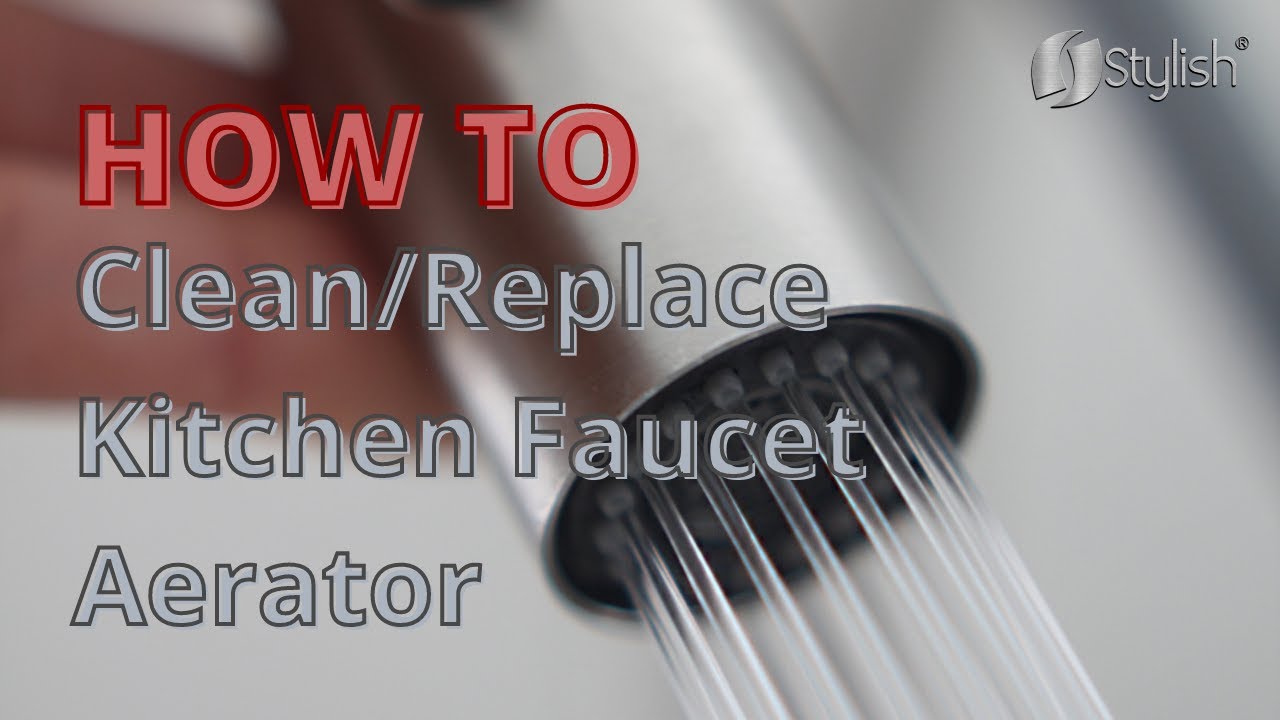
Image Source: i.ytimg.com
Why Your Faucet Flow Has Slowed: Fathoming the Aerator’s Role
Your kitchen faucet’s aerator is a marvel of simple engineering. Its primary purpose is to improve the water stream’s quality and efficiency. It achieves this by injecting air into the water stream, creating a softer, more voluminous-looking flow that reduces splashing. This aeration also conserves water, making it an eco-friendly addition to any faucet.
However, like any component in contact with water, especially water that might contain dissolved minerals (like calcium and magnesium, which cause hardness), the aerator is susceptible to buildup. This buildup, often referred to as limescale or mineral deposits, can accumulate on the aerator’s internal screens and openings. Over time, these deposits harden, effectively narrowing the passages through which water flows, leading to a noticeable reduction in water pressure.
Common Causes of Aerator Clogs:
- Hard Water: Water with a high mineral content is the primary enemy of faucet aerators. Minerals like calcium and magnesium precipitate out of the water as it flows, leaving behind hard, white deposits.
- Sediment and Debris: Older plumbing systems can sometimes shed small particles of rust, sand, or other debris. These particles can get trapped in the aerator’s fine mesh screens.
- Aging Plumbing: Over time, even well-maintained plumbing can start to degrade, releasing small particles that contribute to clogs.
- Construction Nearby: If there’s been recent plumbing work or construction in your area, temporary disturbances can dislodge sediment and send it through your pipes.
When these substances accumulate, they don’t just reduce flow; they can also affect the aerator’s ability to properly mix air with water, leading to a less desirable stream. Addressing a clean clogged aerator is crucial for maintaining your faucet’s performance and longevity.
Tools You’ll Need to Get the Job Done
Before you begin the process of faucet aerator cleaning, gathering the right tools will make the job much smoother. Most of these items are common household items, so you likely won’t need a special trip to the store.
Essential Tools for Aerator Cleaning:
- Adjustable Wrench or Pliers: To loosen and tighten the aerator. It’s best to use an adjustable wrench for a snug fit, but pliers can work in a pinch.
- Rag or Cloth: To protect the faucet finish from the wrench or pliers and to dry the aerator.
- Small Bowl or Container: For soaking the aerator.
- Soft Brush (e.g., Old Toothbrush): For scrubbing away loosened debris.
- White Vinegar: The most effective DIY faucet aerator cleaner for dissolving mineral deposits.
- Toothpicks or a Safety Pin: For dislodging stubborn particles from the aerator’s small openings.
Having these items ready will ensure you can efficiently remove faucet aerator, clean it thoroughly, and reassemble it without any hassle.
Step-by-Step Guide: How to Clean a Kitchen Faucet Aerator
Learning how to clean a kitchen faucet aerator is a simple process that yields significant results. Follow these steps to restore your faucet’s flow and shine.
Step 1: Identifying the Aerator
The aerator is located at the very tip of the faucet spout, where the water emerges. It’s a small, cylindrical or slightly conical piece that screws onto the spout.
Step 2: How to Remove Faucet Aerator
This is often the trickiest part for beginners, as aerators can sometimes be stuck.
- Protect Your Faucet: Wrap a rag or cloth around the aerator before using any tools. This prevents scratches on the faucet’s finish.
- Loosen the Aerator: Use your adjustable wrench or pliers to gently turn the aerator counter-clockwise. Most aerators will loosen with moderate pressure. If it’s very tight, try applying a bit more steady force. Avoid overtightening when you reassemble later.
- Unscrew by Hand: Once loosened, you should be able to unscrew the aerator the rest of the way by hand. Be prepared for a few drops of water to escape.
Tip: Some faucets have aerators that are recessed inside the spout. In this case, you might need a specific aerator wrench, which can often be purchased at hardware stores.
Step 3: Disassemble the Aerator (If Possible)
Most faucet aerators can be taken apart into a few components: the outer casing, a screen, and sometimes a small plastic or rubber washer. Carefully lay out these parts in order so you know how to put them back together. If your aerator is a single molded piece, you won’t be able to disassemble it further.
Step 4: Cleaning the Aerator Components
This is where the magic happens. The best way to clean an aerator depends on the type of buildup.
For Mineral Deposits (Limescale):
This is where vinegar for faucet cleaning truly shines.
- Soak Faucet Aerator: Place the disassembled aerator parts (or the entire aerator if it can’t be taken apart) into a small bowl.
- Add White Vinegar: Pour enough white vinegar into the bowl to completely submerge the aerator components.
- Let It Soak: Allow the aerator to soak for at least 30 minutes. For heavily clogged aerators, you might need to soak them for several hours or even overnight. The acetic acid in vinegar will break down and dissolve the mineral deposits.
For Sediment and Debris:
- Rinse Thoroughly: After soaking (or if mineral buildup isn’t the primary issue), rinse each part under running water.
- Gentle Scrubbing: Use a soft brush, like an old toothbrush, to gently scrub away any remaining debris from the screens and internal parts.
- Dislodge Stubborn Particles: If you notice small particles lodged in the mesh, use a toothpick or a safety pin to carefully dislodge them. Be gentle to avoid damaging the screen.
Step 5: Rinse and Reassemble
- Final Rinse: Once clean, rinse all the aerator parts thoroughly under running water to remove any vinegar residue or loosened debris.
- Reassemble: Carefully put the aerator back together, ensuring the screen and any washers are in their correct positions.
Step 6: Reinstall the Aerator
- Screw It On: Screw the reassembled aerator back onto the faucet spout by hand, turning it clockwise.
- Tighten Gently: Use your wrench or pliers with the protective rag to give it a final gentle tighten. Avoid over-tightening, as this can damage the aerator or the faucet.
Step 7: Test the Flow
Turn on the kitchen faucet. You should notice an immediate improvement in water pressure and flow. The stream should be smooth, steady, and splash-free.
This comprehensive faucet aerator cleaning process is the best way to tackle low water pressure at the source.
Descabling Your Faucet: Beyond the Aerator
While cleaning the aerator is the most common fix for low water pressure, sometimes the issue might extend further into the faucet system. If cleaning the aerator doesn’t solve the problem, you might need to address other potential blockages or mineral buildup within the faucet itself. This is where understanding how to descale kitchen faucet components becomes important.
What Does “Descaling” Mean?
Descaling refers to the process of removing mineral deposits, primarily limescale, that build up on plumbing fixtures. These deposits are essentially hardened mineral deposits from hard water.
Signs Your Faucet Needs Descaling (Beyond the Aerator):
- Low Pressure in Hot and Cold: If both hot and cold water streams are weak, even after cleaning the aerator.
- Inconsistent Flow: The flow might be good one moment and weak the next.
- Visible Mineral Buildup: You might see white or chalky deposits around the faucet handle or spout base.
How to Descale Your Kitchen Faucet (More Advanced):
This is a more involved process and should be approached with care.
- Turn Off Water Supply: Locate the shut-off valves under your sink (usually one for hot and one for cold water) and turn them clockwise until they are off.
- Remove Faucet Handle(s): This usually involves removing a decorative cap (often with a small “H” or “C” for hot/cold) to reveal a screw. Unscrew the handle and lift it off.
- Access Cartridge or Valve Stem: Depending on your faucet type, you’ll need to remove a retaining nut or clip to access the internal valve cartridge or stem. Consult your faucet’s manual if unsure.
- Soak Internal Components: Similar to the aerator, you can soak the cartridge or valve stem in white vinegar for several hours to dissolve mineral deposits.
- Clean Internal Passages: Use a soft brush and toothpicks to gently clean any visible mineral buildup within the faucet body.
- Reassemble and Test: Carefully reassemble the faucet, turn the water supply back on, and test for improved flow.
Caution: This process can vary greatly depending on your faucet’s make and model. If you’re not comfortable with disassembling plumbing fixtures, it’s best to call a professional plumber.
Alternative Cleaning Solutions for Your Aerator
While white vinegar is widely considered the best DIY faucet aerator cleaner, especially for tackling mineral deposits, other solutions can be effective for general cleaning or lighter buildup.
Comparing Cleaning Agents:
| Cleaning Agent | Best For | Pros | Cons |
|---|---|---|---|
| White Vinegar | Mineral deposits, limescale, general buildup. | Highly effective at dissolving minerals, safe, readily available. | Strong smell, requires soaking time. |
| Rubbing Alcohol | Light mineral deposits, general sanitation. | Dries quickly, good disinfectant. | Less effective on heavy limescale. |
| Lemon Juice | Light mineral deposits, refreshing scent. | Natural, pleasant smell. | Less acidic than vinegar, might require longer soaking. |
| Baking Soda Paste | Mild abrasive for scrubbing away loose debris. | Gentle abrasive, can help lift some surface deposits. | Not ideal for dissolving hardened mineral buildup. |
| Commercial Cleaners | Specific types of buildup (e.g., rust, heavy limescale). | Can be very effective and fast-acting. | Can be harsh chemicals, require good ventilation, read labels. |
How to Use Alternatives:
- Rubbing Alcohol: Soak the aerator in rubbing alcohol for 15-30 minutes, then scrub and rinse.
- Lemon Juice: Soak the aerator in lemon juice for an hour or more, then scrub and rinse.
- Baking Soda Paste: Make a paste of baking soda and water. Apply it to the aerator, let it sit for a few minutes, then scrub with a toothbrush and rinse.
For most common issues leading to low flow, the vinegar soak is the most reliable method for a deep clean and to descale kitchen faucet aerators.
Maintaining Your Kitchen Faucet for Longevity
Regular maintenance is key to preventing issues like low water pressure and keeping your faucet looking its best. Proactive care ensures your faucet functions smoothly for years to come.
Best Practices for Faucet Maintenance:
- Regular Cleaning: Wipe down your faucet regularly with a soft cloth and mild soap to prevent the buildup of water spots and light grime.
- Check Aerator Periodically: Make it a habit to check your faucet aerator every few months. If you notice any signs of reduced flow or debris, give it a quick clean. This prevents major clogs from forming.
- Address Leaks Promptly: Even small drips can indicate internal wear and tear. Fixing leaks quickly can prevent more significant issues down the line.
- Be Mindful of What Goes Down the Drain: Avoid letting food scraps, coffee grounds, or grease go down the kitchen sink, as these can contribute to clogs further down the line, potentially affecting water flow to your faucet.
- Consider a Water Softener: If you live in an area with very hard water, installing a whole-house water softener can significantly reduce mineral buildup throughout your plumbing system, including your faucet aerators.
By implementing these simple habits, you can significantly extend the life of your kitchen faucet and maintain optimal water flow. Consistent faucet aerator cleaning is a small effort that pays big dividends.
Frequently Asked Questions (FAQ)
Here are some common questions people have when tackling faucet aerator cleaning.
Q1: How often should I clean my faucet aerator?
A: It’s generally recommended to clean your faucet aerator every 3 to 6 months, or whenever you notice a decrease in water pressure or a sputtering stream. If you have very hard water, you might need to clean it more frequently.
Q2: Can I use bleach to clean my faucet aerator?
A: While bleach can kill bacteria and remove some stains, it’s not the best choice for removing mineral deposits. Vinegar is far more effective at dissolving limescale. Additionally, bleach can be harsh on some aerator materials and finishes.
Q3: My aerator is stuck and won’t budge. What should I do?
A: If the aerator is too tight, try soaking the base with a penetrating oil (like WD-40) for about 15-30 minutes, then try loosening it again with a protected wrench. Ensure you’re turning it counter-clockwise. If it still won’t budge, you might need to call a plumber to avoid damaging the faucet.
Q4: My faucet still has low pressure after cleaning the aerator. What else could it be?
A: If cleaning the aerator doesn’t solve the problem, the issue might be with the faucet cartridge, the supply lines, or even the main water valve. In this case, it’s best to consult a plumber to diagnose the problem further.
Q5: Are there different types of faucet aerators?
A: Yes, there are many types of faucet aerators, varying in size, flow rate (measured in gallons per minute or GPM), and spray pattern. Some are standard, while others might require a specific tool to remove. Most kitchen faucets use a male-threaded aerator that screws onto the outside of the spout, but some have female threads or are recessed.
By following this comprehensive guide, you’re well-equipped to perform faucet aerator cleaning and enjoy a robust water flow from your kitchen faucet once again. It’s a simple, cost-effective way to keep your kitchen running smoothly.