
Can you use baking soda to clean a stainless steel sink? Yes, baking soda is an excellent natural cleaner for stainless steel sinks, offering gentle abrasion and deodorizing properties.
Keeping your stainless steel kitchen sink sparkling clean is more than just an aesthetic pursuit; it’s about hygiene and extending the life of this essential kitchen fixture. Over time, water spots, food residues, soap scum, and even rust can mar the gleaming surface of your stainless steel sink. But fear not! Achieving a spotless, shining sink doesn’t require harsh chemicals or endless scrubbing. This guide will walk you through easy and natural methods for stainless steel sink cleaning, ensuring your sink remains a beautiful and functional centerpiece of your kitchen.
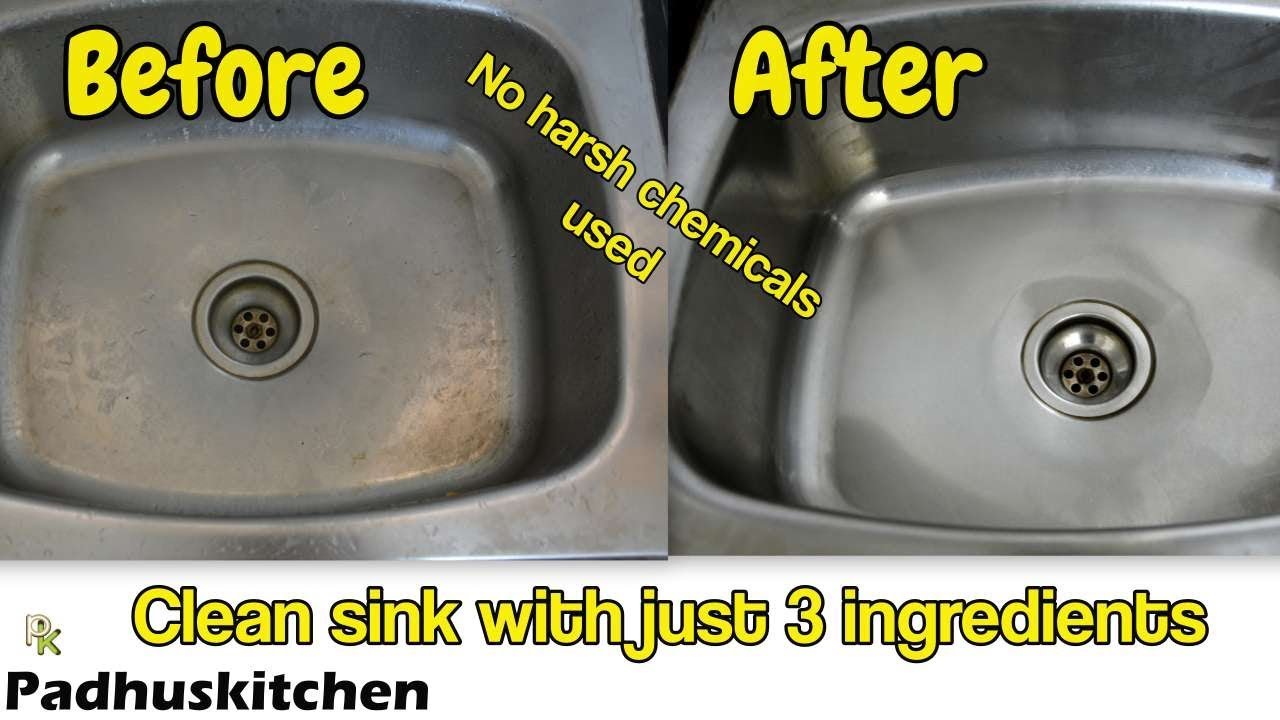
Image Source: i.ytimg.com
The Basics of Stainless Steel Sink Maintenance
Before diving into specific cleaning techniques, let’s cover the fundamentals of stainless steel sink maintenance. Regular care is key to preventing stubborn stains and keeping your sink looking its best.
Daily Cleaning Habits
Making a few simple habits part of your daily routine can significantly reduce the effort needed for deeper cleaning.
- Rinse thoroughly: After each use, rinse away any food particles, soap residue, or liquids. This prevents them from drying and becoming harder to remove.
- Wipe dry: Use a soft cloth or microfiber towel to wipe down the sink after rinsing. This is the most effective way to prevent water spots and streaks, especially in areas with hard water.
- Avoid abrasive materials: While stainless steel is durable, it can be scratched. Avoid using steel wool, abrasive scrub pads, or harsh scouring powders that can dull the finish.
Understanding Stainless Steel Finishes
Most stainless steel sinks have a brushed or satin finish, which means they have a grain. Cleaning and polishing with the grain will always yield the best results and prevent unsightly swirl marks. Always try to identify the direction of the grain before you start cleaning.
Natural Ways to Clean Stainless Steel Sink: Your Go-To Solutions
The beauty of natural cleaning methods is their effectiveness without the use of harsh chemicals. They are safe for your family, the environment, and your sink’s finish.
1. Baking Soda: The All-Purpose Powerhouse
Cleaning stainless steel sink baking soda is a classic for a reason. It’s a mild abrasive that gently lifts dirt and grime without scratching.
How to Use Baking Soda for Cleaning
- Create a Paste: Mix baking soda with a small amount of water to form a thick paste.
- Apply the Paste: Spread the paste over the entire surface of your sink, focusing on stained or dull areas.
- Gentle Scrubbing: Using a soft cloth or sponge, gently scrub the sink in a circular motion or following the grain of the stainless steel.
- Rinse Thoroughly: Rinse the sink completely with warm water.
- Dry and Buff: Wipe the sink dry with a clean, soft cloth to prevent water spots and buff to a shine.
This method is fantastic for general cleaning and removing light grime.
2. Vinegar: The Spot and Shine Expert
White vinegar is another kitchen staple that excels at tackling water spots and bringing back the shine. Its acidity helps break down mineral deposits.
Using Vinegar for Spotless Shine
- Spray or Wipe: You can either spray undiluted white vinegar directly onto the sink surface or soak a paper towel in vinegar and lay it over stubborn water spots for a few minutes.
- Let it Sit: Allow the vinegar to sit for 5-10 minutes.
- Gentle Scrubbing: Scrub gently with a soft cloth or sponge.
- Rinse and Dry: Rinse the sink thoroughly with water and then dry completely with a soft cloth.
Important Note: Never mix vinegar with bleach, as this creates toxic chlorine gas.
3. Baking Soda and Vinegar: The Dynamic Duo
When used together, baking soda and vinegar create a fizzing reaction that can help lift tougher grime.
The Fizzing Clean Method
- Sprinkle Baking Soda: Sprinkle a generous amount of baking soda all over your wet sink.
- Add Vinegar: Pour white vinegar over the baking soda. You’ll notice a fizzing action.
- Scrub: Use a soft cloth or sponge to gently scrub the sink while it’s fizzing.
- Rinse and Dry: Rinse thoroughly with water and dry with a soft cloth.
This combination is particularly effective for removing greasy residues and mild stains.
4. Flour: For the Ultimate Shine
For that final, brilliant polish, baking soda is often recommended. However, flour is a surprisingly effective and natural polishing agent for stainless steel.
Achieving a Mirror Finish with Flour
- Ensure Sink is Dry: Make sure your sink is completely dry after cleaning.
- Sprinkle Flour: Lightly sprinkle a generous amount of all-purpose flour over the entire sink surface.
- Buff: Use a soft, dry cloth to gently buff the flour into the stainless steel, working with the grain. The flour will absorb any remaining oils and residues, leaving a streak-free shine.
- Wipe Clean: Wipe away all the flour residue with a clean, dry cloth.
This is the best way to clean stainless steel sink for a truly dazzling, mirror-like finish.
Tackling Specific Stainless Steel Sink Problems
While general cleaning is important, you might encounter specific issues like rust or stubborn water spots. Here’s how to address them using natural methods.
How to Remove Rust from Stainless Steel Sink
Rust spots on a stainless steel sink can be frustrating, but they are often removable.
Natural Rust Removal Techniques
- Baking Soda Paste: As mentioned earlier, a thick paste of baking soda and water can be effective. Apply it to the rust spot, let it sit for 30 minutes, then gently scrub with a soft brush or cloth. Rinse and dry.
- Lemon Juice and Salt: The citric acid in lemon juice combined with the abrasive salt can help lift rust. Make a paste of salt and lemon juice. Apply it to the rust, let it sit for 30-60 minutes, then scrub gently and rinse.
- Cream of Tartar: Mix cream of tartar with a little water or lemon juice to create a paste. Apply to the rust, let it sit for 30 minutes, scrub gently, rinse, and dry.
Prevention is Key: To avoid rust, always dry your sink after use and avoid leaving wet sponges or metal items in the sink for extended periods.
How to Get Rid of Water Spots on Stainless Steel Sink
Water spots are usually mineral deposits left behind when water evaporates.
Natural Methods for Water Spot Removal
- Vinegar: As detailed above, vinegar is excellent for dissolving mineral deposits.
- Lemon Juice: Similar to vinegar, the acidity of lemon juice can help break down water spots. Apply half a lemon to the spots and let the juice work, then scrub and rinse.
- Microfiber Cloth: Sometimes, a good buffing with a dry microfiber cloth is all that’s needed to remove fresh water spots.
The most effective way to prevent water spots is to wipe your sink dry after every use.
DIY Stainless Steel Sink Cleaner Recipes
Creating your own cleaning solutions is simple, cost-effective, and allows you to control the ingredients.
Recipe 1: Gentle All-Purpose Cleaner
This is a great everyday cleaner that will keep your sink looking good.
Ingredients:
- 1/2 cup baking soda
- 1/4 cup water (or more, as needed)
Instructions:
Mix to form a paste. Apply, scrub gently, rinse, and dry.
Recipe 2: Streak-Free Shine Booster
This recipe uses common household items to bring out the shine.
Ingredients:
- 1/4 cup white vinegar
- 1 tablespoon baking soda
- 1 cup warm water
Instructions:
Combine vinegar and baking soda in a spray bottle. It will fizz. Once settled, add warm water. Shake gently. Spray onto the sink, let sit for a minute, scrub lightly, rinse, and dry.
Recipe 3: Polishing Paste
For a truly radiant finish.
Ingredients:
- 1/4 cup baking soda
- 2 tablespoons olive oil (or mineral oil for a more neutral scent)
Instructions:
Mix into a paste. Apply with a soft cloth, rub gently in the direction of the grain, then wipe away excess with a clean cloth.
Best Way to Clean Stainless Steel Sink: A Step-by-Step Guide
To summarize, here’s a comprehensive approach to cleaning your stainless steel sink perfectly.
- Clear the Sink: Remove all dishes, sponges, and other items from the sink.
- Rinse: Rinse the sink with warm water to wash away loose debris.
- Apply Baking Soda: Sprinkle baking soda generously over the entire wet surface of the sink.
- Scrub Gently: Using a damp, soft cloth or non-abrasive sponge, scrub the sink in the direction of the stainless steel grain. For tougher spots, use a slightly firmer pressure or a paste of baking soda and water.
- Address Stains (If Necessary):
- Water Spots: Spray with white vinegar, let sit for 5 minutes, then scrub and rinse.
- Rust: Apply a paste of baking soda and water or lemon juice and salt, let sit for at least 30 minutes, scrub gently, and rinse.
- Rinse Thoroughly: Rinse the sink completely with warm water, ensuring all cleaning agents are washed away.
- Dry Completely: This is a crucial step! Use a soft, clean microfiber cloth to thoroughly dry the entire sink, including the drain and faucet base. This prevents water spots and streaks.
- Polish for Shine: For an extra sparkle, you can use a small amount of olive oil or mineral oil on a clean cloth and buff the dry sink. Again, follow the grain.
This routine will not only clean your sink but also leave it with a beautiful, streak-free shine, making it the best way to clean your stainless steel sink for both health and appearance.
Stainless Steel Sink Polishing: Bringing Back the Gleam
Polishing is the final step to achieving that showroom-quality shine.
Polishing Techniques for a Radiant Finish
- Baking Soda & Oil Paste: A paste made from baking soda and a little olive oil or mineral oil works wonders. Apply with a soft cloth, buff in the direction of the grain, and then wipe off any excess.
- Flour Method: As described earlier, buffing dry with flour and then wiping clean is a fantastic natural polishing technique.
- Specialty Stainless Steel Polish (Use Sparingly): While natural methods are preferred, a commercial stainless steel polish can be used occasionally for a superior shine, but always follow product instructions and ensure it’s safe for kitchen surfaces.
Remember, always polish in the direction of the grain to avoid creating new scratches or dullness.
Stainless Steel Sink Maintenance: Long-Term Care
Consistent stainless steel sink maintenance ensures your sink remains in top condition for years to come.
Preventative Measures
- Avoid Harsh Chemicals: Steer clear of bleach, ammonia, and abrasive cleaners that can damage the stainless steel’s protective layer.
- Don’t Let Food Sit: Rinse away food particles promptly to prevent staining and odors.
- Use a Sink Grid: A sink grid can protect the bottom of your sink from scratches and dents caused by heavy pots and pans.
- Address Spills Quickly: Wipe up spills of acidic foods (like tomato sauce or citrus) as soon as possible.
By implementing these simple maintenance tips, you’ll spend less time scrubbing and more time enjoying your beautiful kitchen.
Frequently Asked Questions About Stainless Steel Sink Cleaning
Q1: Can I use dish soap to clean my stainless steel sink?
A: Yes, mild dish soap is generally safe for daily cleaning of stainless steel sinks. Use a soft cloth or sponge, rinse thoroughly, and always dry the sink afterward to prevent water spots.
Q2: Will baking soda scratch my stainless steel sink?
A: No, baking soda is a very mild abrasive and is generally considered safe for stainless steel when used with a soft cloth or sponge. However, avoid using excessive force.
Q3: How often should I deep clean my stainless steel sink?
A: Depending on usage and water hardness, a deep clean using natural methods like baking soda and vinegar can be done weekly or bi-weekly. Daily rinsing and drying are recommended.
Q4: What should I do if my sink looks dull?
A: A dull finish can often be revived with polishing. Try the flour method or a paste of baking soda and olive oil. Ensure the sink is clean and dry before polishing.
Q5: Can I use steel wool on my stainless steel sink?
A: It is strongly advised not to use steel wool on stainless steel sinks. Steel wool is highly abrasive and can scratch the finish, leaving behind tiny particles that can rust and cause further staining.
By following these guidelines and embracing natural cleaning solutions, you can ensure your stainless steel kitchen sink remains a gleaming, hygienic, and attractive feature of your home for years to come.