
Yes, you can effectively clean black kitchen appliances to achieve a sparkling finish. The best way to clean black appliances involves using gentle, non-abrasive cleaners and microfiber cloths to avoid scratches and maintain their sleek appearance. This guide will delve into the most effective methods for cleaning black appliances, specifically addressing common issues like smudges and fingerprints, and providing detailed instructions for various appliances.
Black kitchen appliances, whether stainless steel or a matte finish, offer a sophisticated and modern aesthetic to any kitchen. However, their dark color can also make them prone to showing smudges, fingerprints, and water spots, which can detract from their overall appeal. Keeping them looking pristine requires a bit of know-how and the right cleaning techniques. Fathoming the best approach to cleaning black appliance smudges and keeping your kitchen looking sharp is more achievable than you might think.
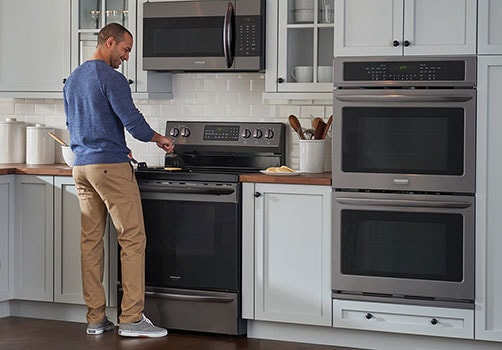
Image Source: support.frigidaire.com
The Allure of Black Appliances and Their Cleaning Challenges
Black appliances, from cleaning black refrigerator doors to keeping your cleaning black dishwasher front gleaming, have become a popular choice for homeowners. Their elegance is undeniable, but their tendency to reveal every touch and speck of dust can be a constant battle. Unlike lighter colors that might camouflage minor imperfections, black surfaces highlight them. This means regular, gentle maintenance is key to enjoying their aesthetic benefits without the constant upkeep.
Why Black Appliances Show More Imperfections
- Contrast: The dark color provides a stark contrast to dust, fingerprints, oil, and water marks, making them highly visible.
- Light Reflection: Depending on the finish, light can bounce off black surfaces, emphasizing any residue left behind by cleaning products or touch.
- Surface Type: Different finishes, like gloss or matte, react differently to cleaning. Glossy finishes can show streaks more readily, while matte finishes can absorb oils and become dull if cleaned improperly.
General Principles for Cleaning Black Appliances
Before diving into specific appliance types, it’s essential to grasp some universal rules for cleaning black appliances. Adhering to these principles will prevent damage and ensure a superior finish.
Dos and Don’ts for Black Appliance Care
- DO: Use soft, non-abrasive microfiber cloths. These are excellent for buffing and polishing without scratching.
- DO: Test any cleaning solution on an inconspicuous area first. This is crucial, especially with newer or specialized finishes.
- DO: Clean in the direction of the grain if your appliance has a visible grain (common with black stainless steel).
- DO: Use gentle, pH-neutral cleaners. Harsh chemicals can damage the finish.
- DO: Wipe spills immediately to prevent them from setting.
- DON’T: Use abrasive cleaners, scouring pads, steel wool, or harsh scrubbing brushes. These will scratch the surface.
- DON’T: Use ammonia-based or bleach-based cleaners, as they can dull or discolor the finish.
- DON’T: Spray cleaners directly onto the appliance. Spray onto your cloth instead to prevent liquid from seeping into vents or electrical components.
- DON’T: Use wax or polish unless specifically recommended by the manufacturer, as they can build up and attract more dust.
Essential Cleaning Supplies for Black Appliances
Having the right tools makes all the difference. Here’s a list of recommended supplies to keep your black appliances looking their best.
Your Black Appliance Cleaning Toolkit
- Microfiber Cloths: Several clean, soft microfiber cloths are essential. Have separate cloths for washing, rinsing, and drying/buffing.
- Mild Dish Soap: A small amount of gentle dish soap mixed with warm water is a safe and effective cleaner for general grime.
- White Vinegar: Diluted white vinegar is excellent for tackling water spots and grease.
- Rubbing Alcohol (Isopropyl Alcohol): Useful for disinfecting and removing tough grease or sticky residue.
- Water: For rinsing and diluting cleaning solutions.
- Spray Bottles: For holding your homemade cleaning solutions.
- Optional: Specialized Appliance Cleaners: If you’re dealing with specific issues or prefer commercial products, opt for those specifically designed for black stainless steel or appliance surfaces. Always read labels carefully.
Tackling Fingerprints and Smudges: The Best Way to Clean Black Appliances
One of the most common complaints about black appliances is how easily they show fingerprints and smudges. Fortunately, several methods effectively remove these unsightly marks.
Method 1: Mild Dish Soap and Water
This is often the safest and most effective first step.
- Mix Solution: In a spray bottle or bowl, mix a few drops of mild dish soap with warm water.
- Apply: Dampen a microfiber cloth with the soapy water. Wring out excess moisture so the cloth is damp, not soaking wet.
- Wipe: Gently wipe down the surface of the appliance, following the grain if applicable.
- Rinse: Use a second, clean microfiber cloth dampened with plain water to wipe away any soap residue.
- Dry and Buff: Immediately dry the surface with a third, clean, dry microfiber cloth. Buff gently to a shine.
Method 2: Diluted White Vinegar
Vinegar is a natural degreaser and can help remove water spots and fingerprints.
- Mix Solution: Combine equal parts white vinegar and distilled water in a spray bottle.
- Apply: Lightly spray the solution onto a microfiber cloth. Never spray directly onto the appliance.
- Wipe: Wipe the appliance surface with the dampened cloth, working in the direction of the grain.
- Rinse: Dampen a clean cloth with plain water and wipe the surface again to remove any vinegar residue.
- Dry and Buff: Thoroughly dry and buff with a clean, dry microfiber cloth for a streak-free finish.
Method 3: Rubbing Alcohol for Stubborn Smudges
For greasy fingerprints or tough smudges, rubbing alcohol can be very effective.
- Apply: Dampen a cotton ball or a corner of a microfiber cloth with rubbing alcohol.
- Wipe: Gently rub the stubborn smudge.
- Follow Up: Wipe the area with a damp cloth (water) and then dry thoroughly with a clean, dry microfiber cloth.
Important Note on Cleaning Black Appliance Smudges: Always ensure the appliance is cool before cleaning, especially stovetops.
Cleaning Specific Black Kitchen Appliances
While the general principles apply, each appliance might require slightly different attention.
Cleaning Black Refrigerator
The large, flat surfaces of a cleaning black refrigerator door are magnets for fingerprints.
For Stainless Steel Black Refrigerators:
- Daily Touch-Ups: Use a dry microfiber cloth to wipe away fresh fingerprints.
- Deeper Cleaning: Use the mild dish soap method or diluted vinegar method described above. Always wipe with the grain of the stainless steel.
- Polishing: After cleaning and drying, a specialized stainless steel polish designed for black appliances can add an extra layer of protection and shine. Apply sparingly with a microfiber cloth and buff.
For Matte Black Refrigerators:
- Caution: Matte finishes are more delicate and can be prone to showing oily residues.
- Gentle Cleaning: Stick to the mild dish soap and water method. Use minimal pressure.
- Avoid Harsh Rubbing: Do not scrub, as this can alter the matte appearance.
- Drying is Crucial: Ensure thorough drying with a soft microfiber cloth to prevent water spots.
Cleaning Black Dishwasher
The front of a cleaning black dishwasher can accumulate dust, fingerprints, and even splatter from cooking.
- Control Panel: Use a lightly damp microfiber cloth with water or a very diluted mild cleaner. Be careful not to let water seep into the control panel electronics. Dry immediately.
- Door Front: For stainless steel black, follow the refrigerator cleaning advice. For matte finishes, use the gentle dish soap method, wiping with the grain.
- Handles: Clean handles with a damp cloth and dry thoroughly, as these are high-touch areas.
Cleaning Black Stove Top
Cleaning black stove top surfaces requires care, especially around heating elements.
For Glass Ceramic Black Stove Tops:
- Cool Down: Ensure the stovetop is completely cool.
- Remove Loose Debris: Wipe away any loose crumbs or debris with a dry cloth.
- Tackle Stuck-On Food: For burnt-on food, a specialized glass ceramic cooktop cleaner is recommended. Apply a small amount to the cool surface.
- Scrape (If Necessary): If there are stubborn, burnt-on residues, use a razor blade scraper designed for cooktops, holding it at a low angle. Use extreme caution.
- Wipe and Buff: Wipe the surface with a damp microfiber cloth to remove the cleaner and residue. Buff dry with a clean, dry microfiber cloth.
- Vinegar for Shine: A spritz of diluted vinegar and a buff with a dry cloth can add extra shine.
For Gas Stove Tops with Black Enamel or Stainless Steel Grates:
- Grates: Remove grates and soak them in hot, soapy water. Scrub with a non-abrasive sponge or brush. For very tough grease, a paste of baking soda and water can be applied, left to sit, and then scrubbed. Rinse and dry thoroughly before replacing.
- Burner Caps: Clean burner caps with soapy water and a soft brush. Ensure they are completely dry before reassembling.
- Surface: Wipe the black enamel or stainless steel surface with a damp cloth with mild dish soap. For stubborn spots, use the diluted vinegar method. Avoid getting water into the burner ports.
Cleaning Black Microwave
Keeping your cleaning black microwave interior and exterior clean is important for hygiene and performance.
Exterior Cleaning:
- Surface: Use a damp microfiber cloth with mild dish soap or diluted vinegar for the exterior. Pay attention to the handle and control panel. Dry thoroughly.
- Ventilation Grills: Use a soft brush or a vacuum cleaner attachment to remove dust from ventilation grills.
Interior Cleaning:
- Steam Clean: Place a microwave-safe bowl filled with 1-2 cups of water and 1-2 tablespoons of white vinegar (or lemon juice) inside the microwave.
- Heat: Microwave on high power for 5-10 minutes, or until the water is steaming and the window is foggy.
- Let Sit: Leave the door closed for another 5-10 minutes to allow the steam to loosen grime.
- Wipe: Carefully remove the bowl (it will be hot!). Wipe down the interior walls, ceiling, and turntable with a damp microfiber cloth. The grime should wipe away easily.
- Stubborn Spots: For any remaining stubborn spots, a paste of baking soda and water can be used, followed by a damp cloth wipe.
- Dry: Dry the interior with a clean, dry cloth.
Special Considerations for Cleaning Black Stainless Steel Appliances
Clean black stainless steel appliances require a slightly more nuanced approach due to their layered finish.
Key Factors for Black Stainless Steel
- Grain Direction: Most black stainless steel has a subtle grain. Always clean and wipe in the direction of this grain to avoid streaking and scratching.
- Protective Coating: The black finish is often a coating over stainless steel. Harsh cleaners can strip this coating.
- Heat Sensitivity: Some finishes can react to excessive heat, so avoid prolonged exposure to steam or very hot cleaning solutions.
Best Products for Black Stainless Steel
- Microfiber Cloths: As mentioned, these are non-negotiable.
- Mild Dish Soap: Your go-to for everyday cleaning.
- Vinegar/Water Solution: Excellent for water spots and general cleaning.
- Specialized Black Stainless Steel Cleaners: Brands like Weiman and Affresh offer products specifically formulated for this finish. These often contain conditioning agents to maintain the look.
How to Remove Fingerprints from Black Appliances (Specifically Black Stainless Steel)
The methods using mild dish soap, diluted vinegar, or even a damp microfiber cloth are highly effective for how to remove fingerprints from black appliances with a stainless steel finish. The key is gentle wiping and thorough drying/buffing.
Cleaning Matte Black Appliances: A Delicate Touch
Cleaning matte black appliances demands extra care. The surface is porous and can absorb oils, making it appear dull if not cleaned properly.
Tips for Matte Black Finishes
- Avoid Shine: Do not use any products that add shine, as this can alter the matte effect.
- Minimal Liquid: Use damp cloths rather than soaking the surface.
- Gentle Pressure: Apply minimal pressure when wiping.
- Dry Thoroughly: This is critical to prevent water marks.
What NOT to Use on Matte Black
- Abrasive cleaners: Will scratch and ruin the finish.
- Waxes or polishes: Can create a glossy sheen.
- Ceramic or glass cooktop cleaners: Often too aggressive.
- Ammonia or bleach: Can damage the finish.
Natural Cleaning Solutions for Black Appliances
For those who prefer to avoid commercial chemicals, several natural options work effectively.
DIY Cleaning Recipes
-
All-Purpose Gentle Cleaner:
- 1 cup water
- 1 tablespoon mild dish soap
- (Optional: 1 tablespoon rubbing alcohol for extra degreasing)
- Mix in a spray bottle.
-
Streak-Free Shine:
- 1 part white vinegar
- 1 part distilled water
- Mix in a spray bottle.
-
Tough Grease (Baking Soda Paste):
- Baking soda
- Water
- Mix to form a paste. Apply to the greasy area, let sit for a few minutes, then gently wipe away with a damp cloth. Rinse and dry thoroughly.
Maintaining the Sparkle: Regular Upkeep
Preventing buildup is often easier than removing it. Incorporating a quick daily or weekly routine can keep your black appliances looking their best.
Daily Habits
- Wipe down handles and high-touch areas with a dry microfiber cloth after use.
- Clean up any spills immediately.
Weekly Routine
- Perform a more thorough clean of the appliance exteriors using one of the methods described above.
- Wipe down control panels.
Troubleshooting Common Black Appliance Issues
Even with the best care, you might encounter specific problems.
Problem: Stubborn Water Spots
- Solution: Diluted white vinegar is excellent for dissolving mineral deposits from water. Ensure you dry and buff thoroughly afterward.
Problem: Oily Residue on Matte Black
- Solution: A very mild dish soap solution with minimal water and a gentle wipe. Dry immediately and thoroughly with a clean microfiber cloth. Avoid over-wetting.
Problem: Streaks on Black Stainless Steel
- Solution: This is usually due to too much cleaner, residue left behind, or insufficient buffing. Try wiping with a clean, damp microfiber cloth to remove excess cleaner, then buff dry with a separate, dry microfiber cloth. Ensure you are wiping with the grain.
Frequently Asked Questions (FAQ)
Can I use Windex on my black appliances?
Generally, it’s best to avoid Windex or other ammonia-based glass cleaners on black appliances, especially stainless steel. Ammonia can damage the finish, causing dullness or discoloration. Stick to milder solutions.
How often should I clean my black appliances?
For high-touch areas like refrigerator handles and stovetops, daily wiping of visible smudges is recommended. A thorough cleaning of the entire exterior can be done weekly, or more often if needed.
What is the best cleaner for black stainless steel?
The best all-around cleaners for cleaning black stainless steel appliances are mild dish soap mixed with water or a diluted white vinegar solution. For a more protective finish, specialized black stainless steel cleaners are also effective. Always test in an inconspicuous area first.
How do I get rid of greasy fingerprints from black appliances?
Rubbing alcohol applied to a microfiber cloth can effectively remove greasy fingerprints. Alternatively, the diluted vinegar solution or mild dish soap method, followed by thorough drying and buffing, will also work.
Can I use baking soda to clean my black appliances?
Baking soda is a mild abrasive and can be used cautiously as a paste for stubborn spots or burnt-on food on stovetops. However, for general cleaning of appliance exteriors, especially matte finishes or stainless steel, it’s safer to use less abrasive methods to avoid micro-scratches.
By following these comprehensive methods and tips, you can ensure your black kitchen appliances remain a beautiful and functional centerpiece of your home, always looking their sparkling best.