
Can you use bleach on a granite composite sink? Yes, but it’s best to avoid it if possible, as it can dull the finish over time. What is the best way to clean a granite sink? The best way involves using mild, non-abrasive cleaners and regular maintenance. This comprehensive guide will walk you through everything you need to know about granite composite sink cleaning, ensuring your sink remains beautiful and functional for years to come.
Granite composite sinks have become incredibly popular in modern kitchens. They offer a stunning aesthetic, remarkable durability, and are resistant to heat, scratches, and stains. However, like any kitchen fixture, they require proper care and cleaning to maintain their lustrous appearance. This guide delves into the specifics of granite composite sink cleaning, providing you with the knowledge and techniques for effective daily granite composite sink care and tackling tougher issues like removing stains from granite composite sink and performing a deep clean granite composite sink.
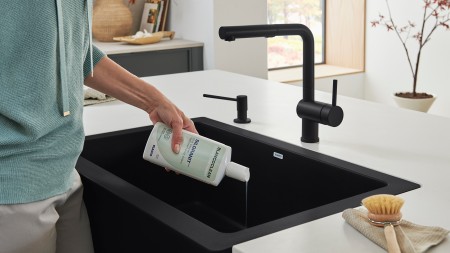
Image Source: cdn.blanco.com
Embracing Daily Granite Composite Sink Care
Consistent, gentle cleaning is the cornerstone of maintaining granite composite sink integrity. Developing a simple daily routine will prevent grime buildup and make deeper cleaning much easier.
Quick Rinse and Wipe Down
After each use, especially after washing dishes or food preparation, a quick rinse with warm water is essential. This removes any lingering food particles or soap residue that could harden and become difficult to remove later.
- Action: Rinse the sink thoroughly with warm water.
- Next Step: Use a soft cloth or sponge to wipe down the entire surface, including the sides and drain area.
This simple habit prevents water spots and minor residue buildup, keeping your sink looking fresh.
Mild Soap Solution
For more thorough daily cleaning, a mild dish soap is your best friend. Many homeowners wonder how to clean composite sink without damaging it, and mild soap is the answer.
-
Materials:
- Mild dish soap
- Soft cloth or non-abrasive sponge
- Warm water
-
Procedure:
- Add a few drops of mild dish soap to your damp cloth or sponge.
- Gently wipe down the entire interior and exterior of the sink.
- Pay attention to corners and around the faucet base where grime can accumulate.
- Rinse the sink thoroughly with warm water to remove all soap residue.
- Dry the sink with a clean, soft towel to prevent water spots.
This method is effective for everyday cleaning and is a key part of daily granite composite sink care.
Tackling Tougher Cleaning Challenges
While daily care is crucial, there will be times when your granite composite sink needs a more intensive cleaning approach. This includes dealing with hard water stains, food stains, or general dullness.
The Power of Baking Soda: A Natural Granite Sink Cleaner
Baking soda is a fantastic, all-natural cleaning agent that is gentle yet effective for granite composite sink cleaning. Many people ask about cleaning granite sink with baking soda, and for good reason – it’s a top-tier choice for many cleaning tasks.
-
Why Baking Soda? Baking soda is a mild abrasive, meaning it can scrub away grime without scratching the delicate surface of your granite composite sink. It also has deodorizing properties.
-
Methods for Using Baking Soda:
-
Paste for Spot Cleaning:
- Materials: Baking soda, water, soft cloth or sponge.
- Procedure:
- Mix baking soda with a small amount of water to create a thick paste.
- Apply the paste directly to the stained area.
- Let it sit for 5-10 minutes.
- Gently scrub the area with a soft cloth or sponge.
- Rinse thoroughly with warm water and dry.
-
All-Over Scrub for Deep Cleaning:
- Materials: Baking soda, warm water, soft cloth or non-abrasive sponge.
- Procedure:
- Sprinkle a generous amount of baking soda over the entire damp sink surface.
- Use a damp cloth or sponge to gently scrub the sink, working in a circular motion.
- Ensure you cover all areas, including the drain and edges.
- Rinse the sink completely with warm water.
- Dry the sink thoroughly with a soft towel.
This is often considered the best way to clean granite sink for moderate grime and minor stains.
-
Vinegar: Another Natural Ally
Vinegar, particularly white distilled vinegar, is another excellent natural granite sink cleaner. It’s effective against hard water deposits and can help restore shine. However, it’s important to use vinegar correctly to avoid potential issues.
-
Why Vinegar? Vinegar is acidic, which helps to break down mineral deposits and soap scum.
-
Using Vinegar Safely:
-
Diluted Solution for General Cleaning:
- Materials: White distilled vinegar, water, spray bottle, soft cloth.
- Procedure:
- Mix equal parts white distilled vinegar and water in a spray bottle.
- Spray the solution onto the sink surface.
- Let it sit for a few minutes (no more than 5-10 minutes for general cleaning to avoid prolonged acid exposure).
- Wipe down the sink with a soft cloth.
- Rinse thoroughly with water.
- Dry the sink completely.
-
For Hard Water Stains:
- Materials: White distilled vinegar, paper towels, soft cloth.
- Procedure:
- Soak paper towels in undiluted white distilled vinegar.
- Lay the soaked paper towels over the hard water stained areas.
- Let them sit for about 15-30 minutes.
- Remove the paper towels and gently scrub the area with a soft cloth or sponge.
- Rinse thoroughly with water.
- Dry the sink completely.
While cleaning granite sink with vinegar can be effective, always remember to rinse thoroughly and avoid letting it sit on the surface for too long. Some manufacturers advise against prolonged contact with acids, so test in an inconspicuous area first if you have any doubts.
-
Combining Baking Soda and Vinegar: A Dynamic Duo
For a powerful cleaning and deodorizing effect, you can combine baking soda and vinegar. This combination creates a fizzing action that helps lift grime.
- Procedure:
- Sprinkle baking soda generously over the damp sink surface.
- Pour or spray white vinegar over the baking soda. The mixture will start to fizz.
- Let the fizzing action work for a few minutes.
- Gently scrub the sink with a soft cloth or non-abrasive sponge.
- Rinse the sink thoroughly with warm water.
- Dry the sink completely.
This is an excellent method for a deep clean granite composite sink.
Removing Stains from Granite Composite Sink
Stains can happen, but with the right approach, they can be effectively removed. Understanding removing stains from granite composite sink is key to maintaining its appearance.
Common Stain Types and Solutions
-
Food Stains (e.g., berries, coffee, tea):
- Method: Baking soda paste is usually the most effective. For stubborn stains, you might try a small amount of hydrogen peroxide mixed with baking soda to create a paste. Apply, let sit for 15-30 minutes, gently scrub, and rinse.
-
Grease and Oil Stains:
- Method: Use a mild dish soap with warm water and a soft cloth to degrease the area. For persistent grease, you can use a paste of baking soda and water, letting it sit for a bit longer to absorb the oil.
-
Hard Water Stains and Mineral Deposits:
- Method: As detailed above, a diluted vinegar solution or vinegar-soaked paper towels are effective. For very tough buildup, you might need to repeat the process or let the vinegar sit for a bit longer, ensuring you rinse thoroughly afterward.
-
Metal Marks (from pots and pans):
- Method: These can sometimes be challenging. Try a baking soda paste first. If that doesn’t work, a very mild, non-abrasive cream cleaner specifically designed for composite surfaces might be necessary. Always test in an inconspicuous area.
-
Ink or Dye Stains:
- Method: A paste of baking soda and water is the first step. If the stain persists, a small amount of rubbing alcohol on a cloth can be used. Be sure to rinse immediately and thoroughly with water after using alcohol.
Important Considerations When Removing Stains:
- Act Quickly: The sooner you address a stain, the easier it will be to remove.
- Test First: Always test any cleaning solution on an inconspicuous area of the sink before applying it to the entire stain.
- Avoid Harsh Chemicals: Never use abrasive cleaners, steel wool, scouring pads, ammonia, or bleach, as these can damage the sink’s surface and finish.
Performing a Deep Clean Granite Composite Sink
A deep clean granite composite sink should be performed periodically, perhaps once a month, or as needed to revitalize the sink’s appearance and ensure thorough hygiene.
Step-by-Step Deep Cleaning Process
- Clear the Sink: Remove all dishes, sponges, racks, and any other items from the sink.
- Rinse Thoroughly: Rinse the entire sink with warm water to remove loose debris.
- Apply Baking Soda: Sprinkle a generous amount of baking soda over the entire damp surface of the sink.
- Scrub Gently: Using a damp, soft cloth or non-abrasive sponge, gently scrub the sink in a circular motion. Ensure you cover all areas, including the sides, bottom, corners, and around the drain and faucet.
- Tackle Stains (if present): If you encounter specific stains during your deep clean, apply the relevant stain removal method described earlier.
- Rinse Extensively: Rinse the sink thoroughly with warm water, making sure to remove all baking soda residue.
- Vinegar Rinse (Optional, for extra shine and disinfection): For an extra boost, spray a diluted vinegar solution (1:1 water and vinegar) over the sink and let it sit for a few minutes. Rinse again thoroughly with water.
- Dry Completely: Use a soft, clean towel to dry the entire sink. This is crucial for preventing water spots and mineral buildup, contributing to the overall maintaining granite composite sink regimen.
Protecting and Maintaining Your Granite Composite Sink
Proper maintaining granite composite sink involves not only cleaning but also protecting its surface from potential damage.
What to Avoid
- Abrasive Cleaners: Steel wool, scouring pads, abrasive powders, and harsh chemicals can scratch or dull the surface.
- Harsh Chemicals: Bleach (use sparingly and diluted if necessary, and never leave it in the sink), ammonia, oven cleaners, and drain cleaners should be avoided.
- Dropping Heavy Objects: While durable, granite composite sinks can chip or crack if heavy items are dropped directly into them.
- Leaving Wet Sponges or Mats: Prolonged contact with wet items can sometimes lead to discoloration or etching.
- Extremely Hot Pans: While heat resistant, placing extremely hot cookware directly from the stove onto the sink surface can potentially cause thermal shock or marks. Use trivets.
Recommended Maintenance Practices
- Regular Rinsing and Drying: This is the simplest yet most effective daily granite composite sink care tip.
- Using a Sink Grid or Mat: A sink grid can protect the bottom of the sink from scratches caused by pots, pans, and dishes.
- Sealing (Check Manufacturer’s Instructions): Most modern granite composite sinks are pre-sealed and do not require periodic sealing. However, it’s always wise to check your manufacturer’s recommendations. If sealing is recommended, use a food-grade granite sealer.
- Using Cutting Boards: Avoid cutting directly on the sink surface, even though it is scratch-resistant.
Frequently Asked Questions About Granite Composite Sink Cleaning
Here are answers to common questions regarding how to clean composite sink and its maintenance.
Q1: Can I use bleach on my granite composite sink?
A1: While a diluted bleach solution can be used for disinfection in emergencies, it’s generally not recommended for regular cleaning. Prolonged or concentrated exposure to bleach can dull the finish and potentially damage the binding agents over time. It’s better to stick to milder cleaners.
Q2: What is the best way to remove hard water stains?
A2: The best way to clean granite sink with hard water stains involves using a diluted white vinegar solution. Apply the solution with a soft cloth, let it sit for a few minutes, gently scrub, and rinse thoroughly. For tougher stains, use vinegar-soaked paper towels applied directly to the stain.
Q3: Can I use my dishwasher to clean my granite composite sink?
A3: No, you cannot clean your sink in a dishwasher. Sinks are fixtures in your kitchen and are not designed to be placed in a dishwasher.
Q4: What are the best natural cleaners for a granite composite sink?
A4: The best natural granite sink cleaner options include baking soda and white distilled vinegar. They are effective, readily available, and generally safe for the sink’s surface when used correctly.
Q5: How do I get rid of scratches on my granite composite sink?
A5: Minor scratches can sometimes be buffed out with a baking soda paste applied with a soft cloth. However, deep scratches may be permanent. Using a sink grid can help prevent scratches in the first place.
Q6: Is it safe to put hot pots directly into my granite composite sink?
A6: Granite composite sinks are heat-resistant, but it’s best practice to avoid placing extremely hot items directly onto the surface. Thermal shock can occur, potentially causing damage. Use trivets or allow hot cookware to cool slightly before placing it in or near the sink.
Q7: How often should I deep clean my granite composite sink?
A7: A deep clean granite composite sink is recommended about once a month, or more frequently if you notice significant buildup or stains. Daily granite composite sink care will reduce the frequency needed for deep cleaning.
Q8: Can I use abrasive cleaners like Comet or Ajax?
A8: Absolutely not. These abrasive cleaners will scratch and damage the surface of your granite composite sink, ruining its finish. Always opt for non-abrasive cleaners.
Q9: My sink looks dull. How can I restore its shine?
A9: After a thorough cleaning and drying, you can try applying a small amount of mineral oil or a specialized granite composite sink polish. Apply sparingly with a soft cloth, buffing it in. This can help restore shine and provide a protective layer.
Q10: What if I have a stubborn stain I can’t remove?
A10: If you’ve tried baking soda and vinegar and are removing stains from granite composite sink proves difficult, consult your sink’s manufacturer. They may have specific recommendations or approved cleaning products for stubborn stains on their particular composite material.
Conclusion
Maintaining granite composite sink beauty and functionality is straightforward with consistent care and the right cleaning techniques. By incorporating daily granite composite sink care and knowing how to tackle tougher jobs like removing stains from granite composite sink, you can ensure your sink remains a pristine and elegant centerpiece in your kitchen for years to come. Remember, gentleness and the use of mild, non-abrasive cleaners are key to preserving the integrity and lustrous finish of your granite composite sink.