
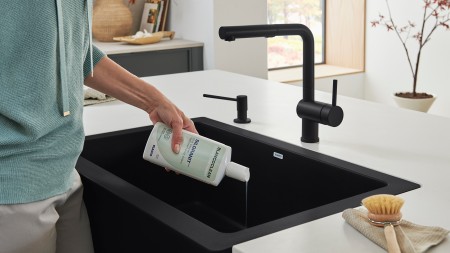
Image Source: cdn.blanco.com
How To Clean Granite Kitchen Sink Sparkle
Can you use harsh chemicals on a granite sink? No, it’s best to avoid harsh chemicals and abrasive cleaners on your granite sink, as they can damage the sealant and the stone itself. What’s the best way to clean a granite sink? The best way involves using gentle, pH-neutral cleaners and regular maintenance.
Your granite kitchen sink is a beautiful and durable addition to your home, but it requires proper care to maintain its shine and prevent damage. This guide will walk you through everything you need to know about cleaning granite kitchen sinks, from everyday upkeep to tackling stubborn stains. We’ll explore the best methods, effective cleaners, and essential maintenance tips to keep your sink looking its best for years to come.
Everyday Granite Sink Cleaning
Regular cleaning is the first line of defense against dirt, grime, and potential staining. Making a habit of these simple steps will significantly contribute to your granite sink’s longevity and appearance.
Daily Routine for a Gleaming Sink:
- Rinse after each use: After washing dishes or using the sink, give it a thorough rinse with warm water. This helps remove food particles and residue before they have a chance to dry and stick.
- Wipe down with a soft cloth: Use a soft microfiber cloth or a non-abrasive sponge to wipe down the sink after rinsing. This removes any lingering moisture and prevents water spots.
- Mild dish soap is your friend: For daily cleaning, a small amount of mild dish soap mixed with warm water is usually sufficient. Apply it with your soft cloth or sponge, gently scrub, and then rinse thoroughly.
This simple routine prevents the build-up of grease and food debris, which can be the primary culprits behind dullness and staining. It’s a form of everyday granite sink cleaning that makes deeper cleaning much easier.
Deep Cleaning Your Granite Sink
While daily maintenance is crucial, a more thorough cleaning is necessary periodically to tackle tougher grime and maintain that coveted sparkle.
Choosing the Right Granite Sink Cleaner
The market offers a variety of products, but for natural stone sink cleaning, opting for the right granite sink cleaner is paramount. You want something effective yet gentle.
Effective Cleaning Solutions:
- Mild Dish Soap: As mentioned, this is your go-to for daily use and often works wonders for deeper cleaning too.
- Baking Soda Paste: A fantastic natural cleaner, baking soda can be mixed with water to create a paste. This paste is slightly abrasive but gentle enough for granite when used with a soft cloth. It’s excellent for lifting grime and mild stains.
- Specialized Granite Cleaners: Many brands offer cleaners specifically formulated for granite. These are usually pH-neutral and safe for the stone and its sealant. Always check the label to ensure it’s suitable for granite.
- Diluted Rubbing Alcohol: For disinfecting and achieving an extra shine, a diluted solution of rubbing alcohol (50% water, 50% isopropyl alcohol) can be used sparingly. Spray it on and wipe off immediately with a soft cloth.
What to Avoid When Cleaning Granite Sinks
To prevent damage, certain products and tools should be strictly avoided.
Harmful Cleaning Agents and Tools:
- Abrasive Cleaners: Comet, Ajax, or any scouring powder can scratch the surface.
- Harsh Chemicals: Bleach, ammonia, vinegar, or acidic bathroom cleaners can etch the granite and degrade the sealant.
- Steel Wool or Scrub Brushes: These will scratch and dull the polished surface of your sink.
- Scouring Pads (Green Side): While not as abrasive as steel wool, the rough side of many kitchen sponges can still cause micro-scratches over time.
How to Remove Stains from Granite Sink
Even with regular cleaning, stubborn stains can appear. Knowing how to remove stains from granite sink effectively without causing further damage is key.
Common Granite Sink Stains and Their Solutions
Granite is porous, meaning it can absorb liquids, leading to stains if spills aren’t addressed promptly. However, with the right approach, most stains can be removed.
Water Spots and Mineral Deposits
These often appear as dull, white marks, especially in areas with hard water.
- Method: Create a paste of baking soda and water. Gently apply the paste to the affected area with a soft cloth and let it sit for a few minutes. Gently rub in a circular motion, then rinse thoroughly with water and wipe dry.
- For Tougher Deposits: A diluted solution of distilled white vinegar (1 part vinegar to 3 parts water) can be used very sparingly for stubborn mineral deposits. Apply with a soft cloth, wipe immediately, and rinse thoroughly. Do not let vinegar sit on the granite.
Oil-Based Stains (Grease, Cooking Oil)
These can darken the granite and are often the most challenging.
- Method: The best approach is to use an absorbent poultice.
- Mix baking soda with a small amount of water to create a thick paste, similar to peanut butter.
- Apply a generous layer of this paste directly onto the stain, extending slightly beyond its edges.
- Cover the paste with plastic wrap and tape down the edges to keep it moist.
- Let it sit for 24-48 hours. The baking soda will draw the oil out of the granite.
- Remove the plastic wrap, let the paste dry completely, then gently scrape it off with a plastic scraper or spatula.
- Wipe the area clean with a damp cloth and dry thoroughly. You may need to repeat this process for deep-set stains.
Organic Stains (Coffee, Tea, Fruit Juices)
These can cause discoloration on the granite.
- Method: A poultice made from hydrogen peroxide and baking soda is often effective.
- Mix baking soda with a small amount of 3% hydrogen peroxide to form a paste.
- Apply the paste to the stain, cover with plastic wrap, and tape the edges.
- Allow it to sit for 24-48 hours.
- Remove, let dry, and scrape off. Rinse and dry.
Metal Stains (Rust)
Rust stains, often from cans or metal objects left in the sink, can be tough.
- Method: Specialized rust removers for natural stone are available. Follow the product instructions carefully. Some DIY methods involve using a poultice with a commercial rust remover, but always test in an inconspicuous area first.
DIY Granite Sink Cleaning Techniques
When you’re looking for an economical and natural approach, DIY granite sink cleaning is a great option. The baking soda and water paste is a versatile tool in this regard.
- Baking Soda Paste: A staple for gentle scrubbing and stain removal.
- Water and Mild Dish Soap: Your everyday hero for light cleaning and rinsing.
- Hydrogen Peroxide (for stains): When diluted with baking soda, it becomes a powerful stain remover for organic marks.
Disinfecting Your Granite Sink
Keeping your kitchen sink germ-free is essential for hygiene.
Safe Methods for Disinfecting
You can effectively disinfecting granite sink without harsh chemicals.
- Diluted Rubbing Alcohol: As mentioned earlier, a 50/50 solution of isopropyl alcohol and water is a good disinfectant. Spray it on the sink surface, let it sit for a few minutes (without drying), then wipe it down with a clean, damp cloth and dry.
- Boiling Water (Caution): While hot water can kill some germs, it’s important to be cautious with boiling water directly on granite, as sudden temperature changes can potentially cause thermal shock, though this is rare with typical granite. A very thorough rinse with hot tap water is usually sufficient for germ-killing purposes after cleaning with soap.
Granite Sink Care and Maintenance
Beyond cleaning, proper granite sink care and maintenance involves protecting the sealant and preventing damage.
The Importance of Sealing
Granite is sealed to protect it from stains and moisture. Over time, this sealant can wear down.
- How to Test Your Seal: Sprinkle some water on the dry granite surface. If the water beads up, the seal is intact. If it darkens the stone or absorbs quickly, it’s time to reseal.
- Resealing Frequency: This varies depending on usage and the quality of the original seal, but generally, resealing is recommended every 1-3 years.
- Choosing a Granite Sealer: Use a high-quality, penetrating sealer designed for natural stone. Follow the manufacturer’s instructions for application and drying times.
Polishing Granite Sink for Maximum Shine
To restore and enhance the natural luster of your granite sink, periodic polishing can make a significant difference.
Achieving a Polished Finish
- Granite Polishers: Specialized granite polishers are available in spray or liquid form. These products can enhance the shine and provide a protective layer. Apply a small amount to a clean, soft cloth and buff the sink surface in a circular motion.
- Microfiber Cloth Buffing: After cleaning and drying, buffing the sink with a clean, dry microfiber cloth can significantly enhance its shine and remove any remaining streaks, giving it a polished look.
- Using a Granite Sealer with Polishing Properties: Some sealers also offer a polishing effect, combining protection with a glossy finish.
What is the Best Cleaner for Granite Sink?
The best cleaner for granite sink is one that is pH-neutral, gentle, and specifically designed for natural stone or recommended for granite. Mild dish soap is often the best for daily use, while specialized granite cleaners and baking soda paste are excellent for deeper cleaning and stain removal.
Cleaning Granite Without Scratching
The golden rule for cleaning granite without scratching is to always use soft materials.
- Soft Cloths: Microfiber cloths are ideal.
- Soft Sponges: Opt for the non-abrasive side.
- Avoid: Steel wool, abrasive pads, harsh scrub brushes, and abrasive cleaners.
When tackling stains with baking soda, remember to use gentle pressure.
How to Remove Hard Water Stains from Granite Sink
Hard water stains are a common issue.
- Method: Use a paste of baking soda and water. Apply it to the stain, let it sit for a few minutes, gently scrub with a soft cloth, and rinse thoroughly. For very stubborn spots, a brief application of diluted white vinegar (1 part vinegar to 3 parts water) can be used, followed by immediate rinsing.
Frequently Asked Questions (FAQ)
Q1: Can I use vinegar to clean my granite sink?
A: It’s best to avoid vinegar. While diluted vinegar can be used very sparingly for hard water stains, its acidic nature can etch the granite and damage the sealant if used frequently or left on the surface. Stick to pH-neutral cleaners.
Q2: How often should I reseal my granite sink?
A: You should reseal your granite sink every 1-3 years, or when you notice water is no longer beading on the surface.
Q3: Can I use lemon juice to clean my granite sink?
A: No, lemon juice is acidic and can etch the granite. Avoid citrus-based cleaners.
Q4: My granite sink looks dull. What can I do?
A: A dull granite sink might need resealing or polishing. Try using a specialized granite polisher or buffing it thoroughly with a clean microfiber cloth. Ensure all soap residue is rinsed away.
Q5: Is baking soda safe for granite sinks?
A: Yes, baking soda is generally safe for granite sinks when used as a paste with water and with a soft cloth. It’s a mild abrasive that can help clean and lift stains without scratching.
By following these guidelines for granite sink care and maintenance, you can ensure your beautiful granite sink remains a sparkling and functional centerpiece in your kitchen for many years to come. Remember, consistency in your cleaning routine is the most effective way to preserve its natural beauty.