
Image Source: i.ytimg.com
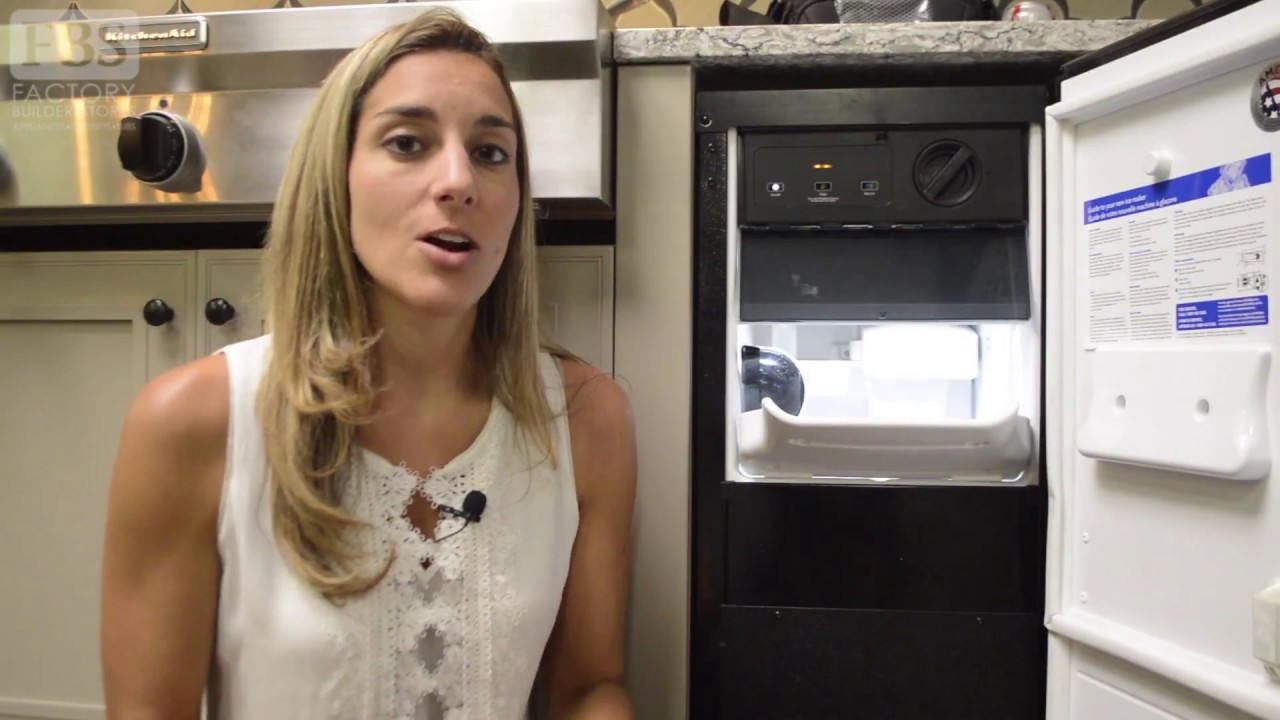
Step-by-Step: How to Clean KitchenAid Ice Machine
Can you clean a KitchenAid ice machine with vinegar? Yes, you can use a vinegar solution to clean your KitchenAid ice machine, but always follow the manufacturer’s specific cleaning instructions. Proper KitchenAid ice maker cleaning is vital for ensuring pure, great-tasting ice and extending the life of your appliance. This comprehensive guide will walk you through the entire process, from regular upkeep to deeper cleaning and addressing common issues. Whether you have a built-in, KitchenAid automatic ice maker cleaning, a KitchenAid nugget ice maker cleaning, a KitchenAid countertop ice maker cleaning, or a KitchenAid portable ice maker cleaning, these steps will help you maintain its performance.
Why Regular Cleaning Matters for Your KitchenAid Ice Machine
Over time, mineral deposits from your water can build up inside your ice machine. This is called scaling. If left unchecked, this scaling can affect the ice maker’s efficiency, ice quality, and even lead to breakdowns. Mold and bacteria can also grow in moist environments, leading to unpleasant tastes and odors in your ice. Regular cleaning, including how to descale KitchenAid ice machine units, prevents these issues and ensures you always have clean, safe ice. It’s a crucial part of KitchenAid ice machine maintenance.
Benefits of a Clean Ice Machine
- Purer Ice: Removes mineral buildup and prevents bacteria growth, resulting in cleaner, better-tasting ice.
- Improved Efficiency: A clean machine works better, producing ice faster and more reliably.
- Extended Lifespan: Regular maintenance prevents component damage and costly repairs.
- Odor Prevention: Eliminates mold and mildew that can cause unpleasant smells.
Essential Supplies for KitchenAid Ice Machine Cleaning
Before you begin, gather these supplies:
- Mild Dish Soap: For cleaning removable parts.
- White Vinegar: A natural disinfectant and descaler.
- Water: For rinsing and making cleaning solutions.
- Soft Cloths or Sponges: Non-abrasive ones are best.
- Bottle Brush or Small Brush: For cleaning nooks and crannies.
- Clean Towels: For drying.
- Gloves (Optional): To protect your hands.
- Approved Ice Machine Cleaner (Optional but Recommended): Some manufacturers offer specific cleaning solutions. Check your manual.
Getting Started: Preparing Your KitchenAid Ice Machine for Cleaning
Safety and proper preparation are key.
- Unplug the Ice Machine: Always disconnect the power before any cleaning. This is non-negotiable.
- Turn Off Water Supply: Locate the water shut-off valve for the ice machine and turn it off. This is usually found behind or near the unit.
- Remove Ice: Empty all existing ice from the storage bin. If the bin is full, you might need to discard it.
- Remove Removable Parts: Take out the ice bin, ice scoop, and any other detachable components. These will be cleaned separately.
Cleaning Removable Parts
These parts are usually easy to clean.
- Ice Bin and Scoop:
- Wash these items in warm, soapy water.
- Use a soft cloth or sponge.
- Rinse thoroughly with clean water.
- Allow them to air dry completely or dry them with a clean towel. Ensure they are completely dry before returning them to the machine.
The Deep Clean: How to Descale and Sanitize Your KitchenAid Ice Machine
This is where the real work happens. This process is essential for how to descale KitchenAid ice machine units effectively.
Step 1: The Vinegar Solution
- Mix the Solution: Combine equal parts white vinegar and water in a container. For example, if your ice machine’s reservoir holds 4 cups of water, use 2 cups of vinegar and 2 cups of water.
- Fill the Reservoir: Pour this vinegar-water solution into the ice machine’s water reservoir. Refer to your user manual to locate the reservoir.
Step 2: Running the Cleaning Cycle
- Turn On Power: Plug the ice machine back in and turn on the water supply.
- Select Cleaning Mode: Most KitchenAid ice machines have a specific cleaning cycle. Consult your user manual to find out how to activate it. This usually involves pressing a specific button or sequence of buttons.
- Let it Run: Allow the ice machine to run through its entire cleaning cycle. The machine will circulate the vinegar solution through its internal components, helping to break down mineral deposits and kill bacteria. This is a key part of sanitizing KitchenAid ice maker components.
- Discard the Solution: Once the cleaning cycle is complete, discard the dirty vinegar solution from the ice bin and the machine’s drain, if applicable.
Step 3: The Rinse Cycle
- Fill with Fresh Water: Rinse the reservoir thoroughly with clean water. Then, fill the reservoir with only fresh, clean water.
- Run a Water-Only Cycle: Activate a regular ice-making cycle or a dedicated rinse cycle (if your model has one). This will flush out any residual vinegar and cleaning solution from the internal parts.
- Repeat if Necessary: You might need to run two or three water-only cycles to ensure all traces of vinegar are gone and there’s no lingering odor or taste. Discard the water from each cycle.
Step 4: Cleaning the Exterior and Interior Surfaces
- Wipe Down: Use a damp cloth with a little mild dish soap to wipe down the exterior of the ice machine.
- Clean Interior Surfaces: Use a soft cloth dampened with the vinegar-water solution or a mild soap solution to wipe down the interior surfaces of the ice machine, including the sides of the ice bin area (but not the actual ice-making mechanism unless your manual specifies).
- Rinse and Dry: Wipe all cleaned surfaces with a clean, damp cloth to remove any soap residue. Dry everything thoroughly with a clean towel.
Cleaning the KitchenAid Ice Maker Filter
If your KitchenAid ice machine has a water filter, cleaning KitchenAid ice maker filter units is a separate process.
- Check Filter Type: KitchenAid ice machines typically use replaceable water filters. They are not designed to be cleaned and reused.
- Replacement Schedule: Refer to your user manual for the recommended filter replacement schedule. This is usually every six months, or sooner if you notice a decrease in ice production or a change in ice quality.
- How to Replace:
- Turn off the ice machine and shut off the water supply.
- Locate the filter housing.
- Remove the old filter by following the instructions in your manual (this might involve twisting or pulling).
- Insert the new filter, ensuring it’s properly seated.
- Turn the water supply back on and check for leaks.
- Run a few cycles of ice-making and discard the first few batches of ice to flush the new filter.
Specific Cleaning Tips for Different KitchenAid Ice Maker Types
While the core principles remain the same, some specific models might have nuances.
KitchenAid Automatic Ice Maker Cleaning (Built-in Units)
For built-in models, access to internal components can be more complex.
- Consult Your Manual: Always refer to your specific model’s manual for built-in units. They often have detailed instructions for accessing and cleaning parts like the water inlet, drain tube, and condenser coils.
- Condenser Coils: These are usually located at the back or bottom of the unit. Dust and debris can accumulate here, affecting cooling efficiency.
- Unplug the unit and gently vacuum the coils using a soft brush attachment.
- Be careful not to bend the delicate fins.
- Drainage: Ensure the drain line is clear. Clogs can cause water to back up.
KitchenAid Nugget Ice Maker Cleaning
These machines are popular for their soft, chewable ice.
- Frequent Cleaning: Nugget ice makers can be prone to clogs and buildup due to the nature of the ice they produce. More frequent cleaning might be necessary.
- Specific Cycles: Some nugget ice makers have a “clean” or “sanitize” cycle. Follow the manufacturer’s instructions for activating it.
- Chewable Ice Mechanism: Pay attention to the mechanism that crushes and forms the ice. Ensure no ice fragments are stuck.
KitchenAid Countertop Ice Maker Cleaning
These portable units are generally easier to clean.
- Easy Access: Most countertop models have easily removable water reservoirs and ice bins.
- Regular Wiping: Wipe down the interior and exterior regularly between uses.
- Draining: Always drain any remaining water from the reservoir after each use to prevent stagnant water and mold growth.
KitchenAid Portable Ice Maker Cleaning
Similar to countertop models, portable units are designed for convenience.
- Ease of Disassembly: Most parts can be easily removed for washing.
- Drying: Crucially, ensure all components are thoroughly dried before reassembly and storage to prevent mold and mildew.
- Storage: If storing for an extended period, ensure the unit is clean and completely dry.
KitchenAid Ice Machine Troubleshooting Cleaning
Sometimes, cleaning is the solution to common problems.
- Slow Ice Production: Mineral buildup can restrict water flow. A descaling cycle can often resolve this.
- Ice Tastes or Smells Bad: This is a direct indicator of bacterial growth or lingering residues. A thorough cleaning and sanitizing cycle are needed.
- Machine Not Making Ice: Check for water supply issues, but also ensure the internal components aren’t clogged with scale.
- Error Codes: Consult your manual; some error codes might relate to a need for cleaning or descaling.
What About Commercial Cleaning Solutions?
While vinegar is a widely recommended and effective cleaning agent for home use, some situations or specific models might benefit from commercial ice machine cleaners.
- Manufacturer Approval: Always check your KitchenAid user manual to see if they recommend or offer a specific cleaning solution. Using an unapproved cleaner could void your warranty.
- Application: If you use a commercial cleaner, follow the product’s instructions precisely, paying close attention to dilution ratios and rinsing procedures. Proper rinsing is critical to ensure no chemical residues are left behind.
How Often Should You Clean Your KitchenAid Ice Machine?
The frequency of cleaning depends on several factors:
- Water Hardness: If you have hard water, you’ll need to descale more frequently.
- Usage: Heavy usage may require more frequent cleaning.
- Manufacturer Recommendations: Always prioritize the cleaning schedule outlined in your user manual.
General Guidelines:
- Wipe Down: After each use, wipe down removable parts and dry the interior.
- Light Cleaning/Rinse: Every 1-3 months, run a water-only rinse cycle.
- Deep Clean/Descaling: Every 6-12 months, or more often if you have hard water or notice any issues.
Maintenance Checklist for Your KitchenAid Ice Machine
Consistent KitchenAid ice machine maintenance goes beyond just cleaning.
- Regularly check and replace the water filter.
- Ensure the unit is level to promote proper drainage.
- Keep the area around the ice machine clean and free of dust.
- Avoid placing the ice machine near heat sources or in direct sunlight, which can affect its performance.
- Periodically check the water line for any kinks or damage.
Frequently Asked Questions (FAQ)
Q1: Can I use bleach to clean my KitchenAid ice machine?
A: No, it is generally not recommended to use bleach. Bleach can be harsh, damage internal components, and leave a residue that affects the taste of the ice. Always stick to vinegar or manufacturer-approved cleaners.
Q2: My ice machine smells musty. What should I do?
A: A musty smell indicates mold or mildew growth. You need to perform a thorough cleaning and sanitizing cycle with vinegar. Ensure all parts are completely dried before reassembly.
Q3: How do I know if my KitchenAid ice machine needs descaling?
A: Signs include slower ice production, smaller ice cubes, or a gritty texture to the ice. If your water is hard, descaling every 3-6 months is a good preventive measure.
Q4: What if my KitchenAid ice machine is making cloudy ice?
A: Cloudy ice is usually caused by dissolved air or minerals in the water. Ensure your water filter is new and properly installed. Running a cleaning cycle might also help if scale is interfering with water flow.
Q5: How do I clean the exterior of my KitchenAid ice maker?
A: Use a soft cloth dampened with a mild soap and water solution or a vinegar-water solution. Wipe down the surfaces and then rinse with a clean, damp cloth. Dry thoroughly.
By following these detailed steps and prioritizing regular KitchenAid ice maker cleaning and maintenance, you can ensure your KitchenAid ice machine continues to produce clear, refreshing ice for years to come. Remember, a little effort in cleaning goes a long way in keeping your appliance running smoothly and your ice tasting great.