
A slow draining kitchen sink can be a real nuisance. But what’s the best way to deal with it? You can clean kitchen pipes safely and easily using a variety of methods, from simple household ingredients to gentle mechanical tools.
Kitchen pipes are the unsung heroes of our homes. They silently whisk away dirty water and food scraps, keeping our kitchens functional and hygienic. However, over time, these vital conduits can become clogged with grease, food particles, and other debris. This can lead to frustrating slow draining kitchen sink issues and, if left unchecked, more serious plumbing problems. This comprehensive guide will walk you through how to clean kitchen pipes safely, effectively, and easily, focusing on prevention and using readily available solutions. We’ll cover everything from tackling immediate clogs to establishing a regular kitchen pipe maintenance routine.
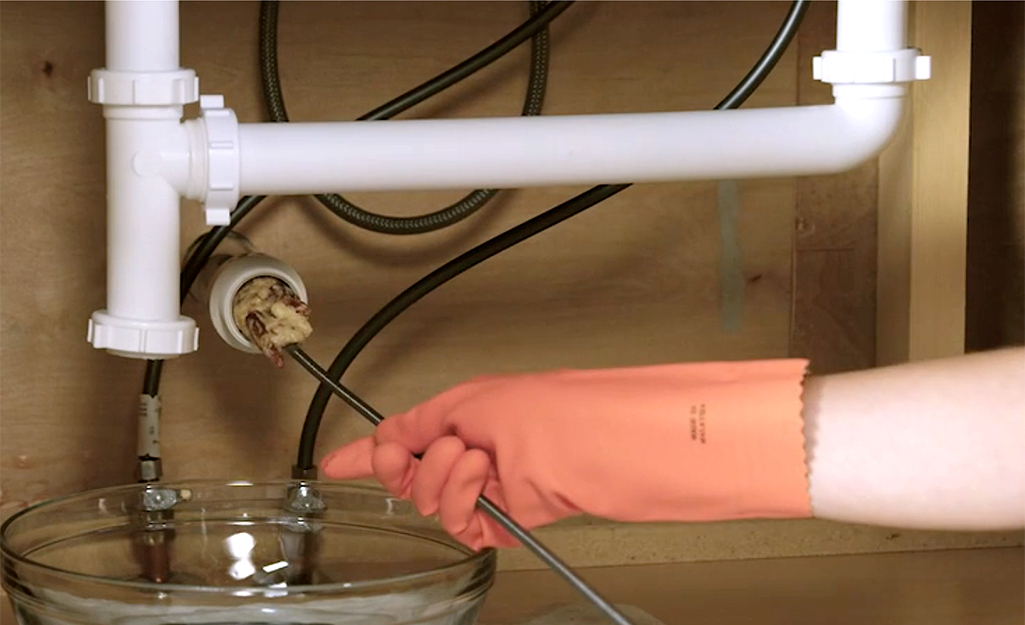
Image Source: contentgrid.homedepot-static.com
Why Kitchen Pipes Clog
Before diving into cleaning methods, it’s helpful to grasp what causes kitchen pipes to clog. The most common culprits are:
- Grease and Fat: When hot grease or fat from cooking is poured down the drain, it cools as it travels through the pipes. This causes it to solidify and coat the pipe walls. Over time, this sticky layer traps other debris, progressively narrowing the pipe’s opening. This is a primary reason for needing to remove grease from pipes.
- Food Scraps: Small pieces of food, especially starchy ones like rice and pasta, can swell and congeal. Fibrous vegetables, coffee grounds, and eggshells are also notorious for accumulating and creating blockages.
- Soap Scum: While less common in kitchen sinks than bathroom drains, soap residue can combine with grease and mineral deposits to form a stubborn buildup.
- Foreign Objects: Accidentally dropping utensils, bottle caps, or other non-food items down the drain can create immediate obstructions.
Identifying a Clogged Kitchen Pipe
Several signs indicate your kitchen pipes might need cleaning:
- Slow Draining: This is the most obvious sign. Water takes much longer than usual to drain from the sink.
- Gurgling Sounds: Unusual gurgling noises coming from the drain during or after use suggest trapped air being pushed through a partial blockage.
- Foul Odors: Accumulated gunk and stagnant water can produce unpleasant smells emanating from the drain.
- Water Backing Up: In severe cases, water might back up into the sink or even other drains in the vicinity.
Safe and Easy Cleaning Methods
Let’s explore the most effective and safe ways to clean your kitchen pipes. These methods prioritize readily available household items and simple techniques, avoiding harsh chemicals that can damage your pipes.
Method 1: The Power of Boiling Water
Pour boiling water down the drain is a simple yet surprisingly effective first step for many minor clogs, especially those caused by grease.
How it works: The intense heat of the boiling water can melt and liquefy solidified grease and soap scum, allowing it to flow more freely down the drain.
Steps:
- Boil Water: Heat a kettle or pot of water until it’s boiling.
- Pour Slowly: Carefully and slowly pour boiling water down the drain. Do this in stages, allowing each pour to work its magic for a few seconds before adding more.
- Repeat if Necessary: For persistent clogs, you might need to repeat this process a few times.
Caution: While generally safe for most metal and PVC pipes, avoid this method if you have very old or brittle pipes, as extreme temperature changes could potentially cause them to crack. If you have a garbage disposal, run it with cold water after pouring the boiling water to help flush away any loosened debris.
Method 2: Baking Soda and Vinegar Drain Cleaner
The classic baking soda and vinegar drain cleaner combination is a natural and effective way to tackle grease and minor clogs.
How it works: When baking soda (a base) and vinegar (an acid) are mixed, they create a chemical reaction that produces fizzing and bubbling. This effervescence helps to loosen grime and dislodge debris from pipe walls.
Steps:
- Clear the Sink: Remove any standing water from the sink.
- Add Baking Soda: Pour about 1/2 cup of baking soda directly down the drain.
- Add Vinegar: Follow with about 1/2 cup of white vinegar.
- Cover and Wait: Immediately cover the drain with a stopper or rag to keep the fizzing action contained within the pipes. Let it sit for at least 15-30 minutes, or even longer for tougher clogs.
- Flush with Hot Water: After the waiting period, flush the drain with hot tap water or another kettle of boiling water to wash away the loosened debris.
This method is excellent for general kitchen drain cleaning and helps to deodorize your pipes as well.
Method 3: Using a Plunger for Clogged Sinks
A plunger for clogged sink is a mechanical tool that creates suction to dislodge blockages. It’s one of the most effective ways to unclog kitchen sink blockages quickly.
How it works: A plunger creates a seal around the drain opening. When you push down and pull up, it forces air and water back and forth within the pipe, agitating and breaking up the clog.
Steps:
- Create a Seal: Ensure there’s enough water in the sink to cover the bell of the plunger. If not, add some warm water.
- Position the Plunger: Place the plunger over the drain opening, ensuring a tight seal. If you have a double sink, block the other drain opening with a wet rag.
- Plunge Vigorously: Push down and pull up sharply several times. The key is the suction and pressure created by the rapid movement.
- Check for Drainage: After several plunges, lift the plunger to see if the water drains. You may need to repeat the process.
- Flush: Once the clog seems cleared, flush the drain with hot water.
Tip: Use a flange plunger (which has an extra flap for toilets) or a sink plunger (a simpler bell shape). For kitchen sinks, a sink plunger is usually sufficient.
Method 4: The Drain Snake (or Auger)
For more stubborn clogs that plungers can’t tackle, a drain snake, also known as a plumber’s auger, is a valuable tool. This is a flexible cable that you feed into the drain to physically break up or retrieve blockages.
How it works: The snake’s coiled end can snag or break apart debris, allowing you to pull it out or push it further down the pipe where it can be flushed away.
Steps:
- Feed the Snake: Insert the end of the drain snake into the drain opening.
- Turn the Handle: Slowly feed the cable into the pipe while turning the handle. This helps the snake navigate bends and grab onto the clog.
- Feel for Resistance: When you feel resistance, you’ve likely hit the clog. Continue to turn the handle and push gently to break it up or hook onto it.
- Retrieve or Push Through: If you can hook the debris, slowly pull the snake back out. If you’re breaking it up, push it through.
- Flush Thoroughly: Once the clog is cleared, flush the drain with plenty of hot water.
Important: Be gentle. Forcing the snake can damage your pipes or the snake itself.
Method 5: Dish Soap for Grease
A good quality liquid dish soap can be an effective natural drain cleaner for tackling grease buildup.
How it works: Dish soap is designed to cut through grease. When combined with hot water, it can help break down stubborn grease and oil that have accumulated in your pipes, making it easier to remove grease from pipes.
Steps:
- Pour Dish Soap: Squirt a generous amount of liquid dish soap (about 1/4 to 1/2 cup) directly down the drain.
- Follow with Hot Water: Slowly pour a kettle of hot (not boiling) water down the drain.
- Let it Sit: Allow the soap and water to sit in the pipes for about 15-20 minutes.
- Flush: Flush with more hot water.
This is a great preventative measure as well, especially after washing greasy dishes.
Preventing Kitchen Pipe Clogs: Proactive Kitchen Pipe Maintenance
The best way to deal with clogged pipes is to prevent them from happening in the first place. Consistent kitchen pipe maintenance can save you a lot of hassle and expense.
What to Avoid Pouring Down Your Drain
- Grease, Oils, and Fats: This is the number one enemy of kitchen pipes. Collect grease in a container and dispose of it in the trash once it cools.
- Coffee Grounds: While often thought to be flushable, coffee grounds don’t dissolve and can accumulate with other debris, forming a gritty sludge.
- Eggshells: The thin membrane and gritty interior of eggshells can stick to pipes and trap grease.
- Starchy Foods: Pasta, rice, and potato peels can swell with water and create blockages.
- Fibrous Vegetables: Celery, asparagus, and corn husks can get tangled and snag other debris.
- Hard Food Scraps: Bones, fruit pits, and large pieces of food should always go in the trash or compost.
- Chemical Drain Cleaners: As mentioned, these can damage pipes and are harmful to the environment.
Simple Habits for Clean Pipes
- Scrape Plates: Always scrape food scraps from plates and dishes into the trash or compost bin before rinsing them in the sink.
- Use a Sink Strainer: A good quality sink strainer will catch most food particles, preventing them from entering the pipes. Empty the strainer regularly.
- Regular Hot Water Flush: Once a week, pour boiling water down drain or very hot tap water to help melt away any nascent grease buildup.
- Baking Soda & Vinegar Flush (Monthly): Perform the baking soda and vinegar cleaning method at least once a month to keep pipes clear and deodorized.
- Run Cold Water with Garbage Disposal: If you have a garbage disposal, always run cold water while using it and for about 15-30 seconds afterward. This helps to solidify any grease, making it easier for the disposal to grind it up and flush it away.
- Clean the Garbage Disposal: Periodically clean your garbage disposal by grinding up ice cubes, followed by citrus peels or a baking soda and vinegar mixture.
When to Call a Professional Plumber
While many clogs can be handled with DIY methods, there are times when professional help is necessary:
- Persistent Clogs: If you’ve tried multiple methods and the drain still won’t clear, it might be a more serious blockage requiring professional equipment.
- Multiple Fixtures Affected: If more than one drain in your house is slow or clogged, it could indicate a blockage in the main sewer line.
- Sewage Backups: Any signs of sewage backing up into your sinks, toilets, or showers are a clear indication of a major problem that requires immediate professional attention.
- Unfamiliar with the Process: If you’re uncomfortable with any of the DIY methods, it’s always best to call a plumber to avoid potential pipe damage.
Common Misconceptions About Kitchen Pipe Cleaning
It’s important to address some common myths about cleaning kitchen pipes.
Myth 1: Chemical Drain Cleaners are the Best Solution
Reality: While chemical drain cleaners can provide a quick fix, they are often corrosive. They can eat away at pipes over time, especially older metal pipes, leading to leaks and expensive repairs. They also pose environmental hazards and can cause severe burns if they come into contact with skin or eyes.
Myth 2: Pouring Anything Down the Drain is Fine if You Have a Garbage Disposal
Reality: Garbage disposals are powerful, but they are not invincible. As mentioned, grease, bones, and fibrous materials can still cause problems for disposals and the pipes connected to them. Proper usage and regular maintenance are still crucial.
Myth 3: Hot Water Alone Will Solve All Grease Problems
Reality: While hot water is beneficial, it’s not always enough to remove grease from pipes that has solidified significantly. Often, a degreasing agent like dish soap or the chemical reaction from baking soda and vinegar is needed to effectively break down the grease.
Table of Cleaning Methods
Here’s a quick comparison of the methods discussed:
| Method | Best For | Safety Level | Ease of Use | Frequency Recommended |
|---|---|---|---|---|
| Boiling Water | Minor grease clogs, general flushing | High | Very Easy | Weekly |
| Baking Soda & Vinegar | Light to moderate clogs, deodorizing | High | Easy | Monthly |
| Plunger | Immediate clogs, loosening debris | High | Easy | As needed |
| Drain Snake | Stubborn clogs, physical removal of debris | Moderate | Moderate | As needed |
| Dish Soap & Hot Water | Grease buildup, preventative maintenance | High | Easy | Weekly/Monthly |
Frequently Asked Questions (FAQ)
Q1: How often should I clean my kitchen pipes?
A1: For preventative kitchen pipe maintenance, it’s recommended to flush your drains with boiling water or a baking soda and vinegar mixture at least once a month. If you notice slow draining kitchen sink issues, you’ll need to address it immediately.
Q2: Can I use bleach to clean my kitchen pipes?
A2: While bleach can kill bacteria and deodorize, it’s not ideal for cleaning clogs. Like chemical drain cleaners, bleach can be corrosive to pipes and harmful if mixed with other substances. It’s best to stick to safer methods.
Q3: What is the best way to remove grease from pipes?
A3: The most effective natural methods to remove grease from pipes include regularly pouring boiling water down the drain, using dish soap with hot water, and performing the baking soda and vinegar treatment. Avoiding pouring grease down the drain in the first place is the most crucial step.
Q4: My sink is completely blocked. What should I do?
A4: If you have a complete blockage, try using a plunger for clogged sink first. If that doesn’t work, a drain snake might be necessary. If neither of these works, or if you are uncomfortable using them, it’s time to call a professional plumber to unclog kitchen sink.
Q5: Are there any natural ingredients that are bad for drains?
A5: Yes, while many natural ingredients are good, coffee grounds and eggshells, despite being “natural,” can contribute to clogs over time by accumulating with grease and other debris.
By following these guidelines, you can keep your kitchen pipes flowing smoothly, prevent frustrating clogs, and ensure your kitchen remains a pleasant and functional space. Remember, consistent kitchen pipe maintenance is key to avoiding bigger problems down the line!