
A clogged kitchen sink pipe can be a real nuisance. How do you clean a kitchen sink pipe? You can use a plunger, a baking soda and vinegar mixture, or a drain snake for minor blockages. For tougher clogs or persistent issues, you might need a commercial drain cleaner or call a plumber. This guide will walk you through the steps to tackle common sink pipe problems and keep your kitchen plumbing flowing smoothly.
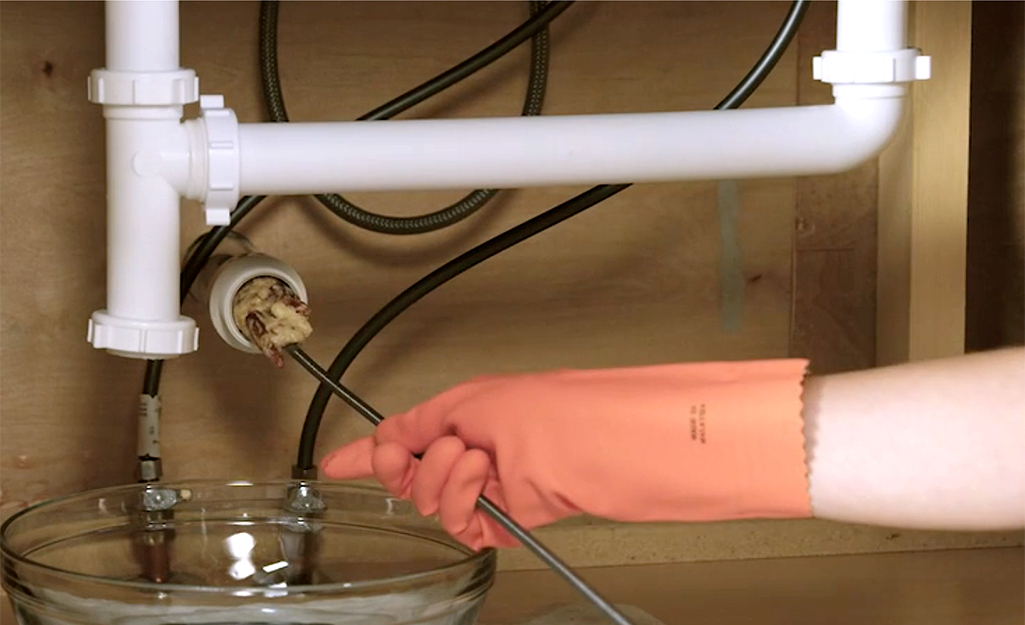
Image Source: contentgrid.homedepot-static.com
Keeping Your Kitchen Sink Pipes Clean and Clear
Your kitchen sink is the workhorse of your home, handling everything from rinsing dishes to washing fresh produce. But all that use means potential for trouble. Food scraps, grease, soap scum, and hair can all build up in your kitchen sink pipes, leading to slow drains and frustrating clogs. Regular sink maintenance is key to preventing these issues and ensuring your kitchen plumbing works as it should. This comprehensive guide will teach you how to clean your kitchen sink pipes effectively, how to unclog a sink, and what to do when you face a stubborn drain blockage.
Why Sink Pipes Get Clogged
Before we dive into cleaning methods, let’s look at why your kitchen sink pipes get clogged in the first place. It’s a combination of what goes down the drain and how it interacts with your pipes.
- Grease and Fats: When hot grease or cooking oils go down the drain, they appear liquid. However, as they cool, they solidify and stick to the inside of your pipes. Over time, this creates a thick layer that narrows the pipe and traps other debris, causing a drain blockage.
- Food Scraps: Small pieces of food, coffee grounds, eggshells, and fibrous vegetables can get stuck. Even with a garbage disposal, some items are best avoided. These scraps can accumulate and form a solid mass.
- Soap Scum: Soap, especially bar soap, leaves behind a residue called soap scum. This sticky film can coat the inside of your pipes, grabbing onto other particles and contributing to clogs.
- Hair: While more common in bathroom sinks, hair can still find its way into kitchen sink pipes, especially if you’re rinsing pet bowls or dealing with large amounts of hair from food preparation.
- Mineral Buildup: In areas with hard water, mineral deposits can form inside pipes, similar to how limescale builds up in kettles. This narrows the pipe diameter and makes it easier for other debris to get trapped.
- Foreign Objects: Accidentally dropping small items like bottle caps, jewelry, or even plastic wrap down the drain can cause immediate blockages.
Signs You Need to Clean Your Kitchen Sink Pipe
- Slow Drainage: The most obvious sign is water draining much slower than usual from your sink.
- Gurgling Sounds: When water is going down, you might hear strange gurgling noises coming from the drain. This indicates air is trapped behind a blockage.
- Foul Odors: A persistent bad smell emanating from the drain suggests decaying food and other organic matter is building up.
- Standing Water: If water sits in the sink after use and doesn’t drain at all, you likely have a significant drain blockage.
- Water Backing Up: In severe cases, water might back up into the sink when you use a dishwasher or other appliances connected to the same drain line.
Simple Methods for Pipe Clearing
When you notice your sink draining slowly, it’s time for some pipe clearing. Many minor clogs can be resolved with common household items and a little elbow grease.
1. The Plunger Power Play
A good old-fashioned plunger is often the first line of defense for a clogged sink. Make sure you have a cup plunger, which is designed for flat surfaces like sinks.
How to Use a Plunger:
- Create a Seal: Ensure there’s enough water in the sink to cover the rubber cup of the plunger. This helps create a strong seal.
- Position the Plunger: Place the plunger directly over the drain opening, ensuring it completely covers it.
- Plunge Vigorously: Push down firmly and then pull up sharply. Repeat this motion up and down for about 15-20 seconds. The goal is to create suction and pressure to dislodge the clog.
- Check for Drainage: Remove the plunger and see if the water drains. You may need to repeat the plunging process several times.
- Flush with Hot Water: Once the water starts draining, pour a kettle of hot (not boiling) water down the drain to help wash away any remaining debris.
- Tip: If you have a double sink, block the other drain with a wet rag or stopper before plunging the clogged side. This prevents the suction from escaping.
2. The Baking Soda Vinegar Solution
This natural and effective method is excellent for breaking down grease and grime without harsh chemicals. It’s a fantastic way to perform regular sink maintenance.
What You’ll Need:
- Baking soda
- White vinegar
- Hot water
Steps:
- Pour Baking Soda: Pour about half a cup to a full cup of baking soda directly down the drain. Try to get as much as possible into the pipe opening.
- Add Vinegar: Immediately follow with an equal amount of white vinegar. You’ll notice an immediate fizzing reaction. This is the chemical reaction working to break down buildup.
- Cover the Drain: Quickly cover the drain with a stopper or a wet rag. This traps the reaction and directs its force down into the pipes.
- Let it Sit: Leave the mixture to work for at least 30 minutes, or even longer for tougher clogs (up to an hour).
- Flush with Hot Water: After the waiting period, remove the stopper and pour a kettle of hot water down the drain. This flushes away the loosened debris.
- Note: This method is safe for most plumbing systems, including those with septic tanks. It’s a great alternative to chemical drain cleaner.
3. Hot Water Flush
Sometimes, a simple hot water flush is all that’s needed to clear minor grease buildup.
How to Do It:
- Boil Water: Boil a kettle or pot of water.
- Pour Slowly: Carefully and slowly pour the hot water directly down the drain.
- Repeat if Necessary: You might need to do this a few times for best results, especially if the clog is primarily grease-based.
- Caution: Avoid using boiling water if you have PVC pipes, as extreme heat can potentially damage them. Very hot, but not boiling, water is safer.
When Clogs are Tougher: Advanced Pipe Clearing Techniques
If the simple methods don’t work, it’s time to bring out the bigger guns. These techniques are for when you need to truly unclog a sink.
1. Using a Drain Snake (or Auger)
A drain snake is a flexible metal cable that you can feed into the pipe to physically break up or pull out a clog. This is a highly effective way to tackle deeper drain blockages.
How to Use a Drain Snake:
- Locate the Drain Opening: Start by removing the sink stopper or drain cover if possible.
- Insert the Snake: Carefully feed the end of the drain snake into the drain opening.
- Push and Crank: Gently push the snake further into the pipe. When you encounter resistance, you’ve likely hit the clog. Start cranking the handle (if your snake has one) to rotate the auger tip. This helps break apart the blockage or hook onto it.
- Retract the Snake: Once you feel the clog breaking apart or you’ve hooked onto something, slowly retract the snake, pulling out the debris.
- Flush the Drain: After removing the clog, flush the drain with hot water to clear out any remaining residue.
- Types of Snakes: For kitchen sinks, a small handheld auger or a toilet plunger with a flexible shaft can work. Longer, more powerful augers are available for more serious issues.
- Protect Your Pipes: Be gentle when using a drain snake. Forcing it can damage your pipes.
2. The Garbage Disposal Cleaning Secret
If you have a garbage disposal, it’s another potential source of clogs and odors. Regular garbage disposal cleaning is part of good sink maintenance.
How to Clean Your Garbage Disposal:
- Safety First: ALWAYS ensure the garbage disposal is turned OFF and the power is disconnected at the breaker box before putting your hands or any tools inside.
- Clear Loose Debris: Remove any visible food scraps or debris from the disposal chamber using tongs or pliers. Never use your hands.
- Ice Cubes: Drop a tray of ice cubes into the disposal. Turn it on for a short burst. The ice helps to scour the grinding components and can break up minor gunk.
- Citrus Power: After the ice, feed in some citrus peels (lemon, lime, orange). Turn the disposal on again. The citrus oils help to deodorize and clean the unit.
- Baking Soda and Vinegar (Again!): Turn off the disposal. Pour half a cup of baking soda down the drain, followed by half a cup of white vinegar. Let it fizz for a few minutes. Then, flush with plenty of cold water while running the disposal for a short period.
- Scrub the Flange: Use a brush with some dish soap to scrub the rubber flange around the drain opening, where grime often accumulates.
- What NOT to put down a garbage disposal: Fibrous vegetables (celery, corn husks), potato peels, coffee grounds, eggshells, pasta, rice, grease, and bones. These items can lead to clogs and damage the unit.
When to Call the Professionals
Sometimes, despite your best efforts, a clog might be too stubborn, or the problem might be deeper within your kitchen plumbing.
Signs You Need a Plumber:
- Persistent Clogs: If you’ve tried multiple methods and the sink still won’t drain, it’s time to call for help.
- Multiple Fixtures Affected: If your kitchen sink clog is causing toilets to overflow or showers to back up, the problem is likely in your main drain line.
- Foul Smells Persist: Strong, recurring foul odors that don’t go away might indicate a more serious issue with your sewer line or vent system.
- You’re Unsure or Uncomfortable: If you’re not confident in your ability to fix the problem or are concerned about damaging your pipes, it’s always best to hire a professional plumber. They have specialized tools and expertise to diagnose and fix even the most complex drain blockage issues.
Understanding Drain Cleaner Safety
Commercial drain cleaners are potent chemicals designed to dissolve clogs. While they can be effective, they also come with risks and should be used with extreme caution.
Safety Precautions for Drain Cleaner:
- Read the Label Carefully: Always follow the manufacturer’s instructions precisely.
- Wear Protective Gear: Use rubber gloves, eye protection (goggles or safety glasses), and long sleeves to protect your skin and eyes from splashes.
- Ensure Ventilation: Open windows and turn on exhaust fans to ensure good airflow. The fumes can be toxic.
- Never Mix Chemicals: Never mix different drain cleaners or use them with other cleaning products, especially ammonia or bleach. Dangerous chemical reactions can occur.
- Use Sparingly: Avoid frequent use, as these chemicals can corrode pipes over time.
- Keep Away from Children and Pets: Store drain cleaners in a secure location.
- If You Use a Drain Cleaner and It Doesn’t Work: Do NOT immediately try another type or method. The remaining chemical could react dangerously with subsequent treatments. In this case, it’s crucial to call a professional plumber and inform them of the drain cleaner you used.
Alternatives to Harsh Chemicals:
As highlighted, baking soda and vinegar, plungers, and drain snakes are excellent alternatives to harsh chemical drain cleaner. Prioritizing these methods will not only keep your pipes cleaner and healthier but also protect your health and the environment.
Maintaining Your Kitchen Plumbing for Longevity
Preventative measures are the best way to avoid the frustration of a clogged sink. Good sink maintenance habits can save you time, money, and hassle.
Daily Habits for Clear Drains:
- Scrape Plates: Before rinsing dishes, scrape all food scraps into the trash or compost bin.
- Use a Sink Strainer: A simple sink strainer catches larger food particles, preventing them from going down the drain. Clean it out regularly.
- Avoid Pouring Grease Down the Drain: This is the golden rule. Pour cooled grease and oils into a disposable container and throw it in the trash.
Weekly and Monthly Sink Maintenance:
- Hot Water Flush: Once a week, pour a kettle of hot water down the drain to melt away any grease buildup.
- Baking Soda and Vinegar Treatment: Once a month, use the baking soda and vinegar method described earlier to keep pipes clean and odor-free. This is a great way to perform preventative pipe clearing.
- Garbage Disposal Cleaning: If you have one, clean your garbage disposal monthly using the steps outlined above.
What to Do if You Have a Slow Drain
If you notice your sink is starting to drain slowly, don’t wait for it to become a full clog.
- Immediate Action: Try the hot water flush first.
- Next Step: If the hot water doesn’t resolve it, move to the baking soda and vinegar method.
- Plunger: If that doesn’t work, try the plunger.
- Drain Snake: For stubborn slow drains, a drain snake is your next best bet for effective pipe clearing.
By incorporating these simple habits into your routine, you can significantly reduce the chances of encountering a drain blockage and keep your kitchen plumbing in top condition.
Frequently Asked Questions About Kitchen Sink Pipes
Q1: Can I pour boiling water down my kitchen sink?
A1: While hot water can help clear grease, avoid pouring truly boiling water, especially if you have PVC pipes, as it can soften or damage them. Very hot, but not boiling, water is a safer bet.
Q2: How often should I use a drain cleaner?
A2: It’s best to avoid chemical drain cleaners as much as possible due to potential pipe damage and environmental concerns. If you must use one, do so only when absolutely necessary and follow instructions precisely. Natural methods like baking soda and vinegar are preferable for regular sink maintenance.
Q3: My garbage disposal is making noise but not grinding. What’s wrong?
A3: This usually means something is jammed inside. First, turn off the power at the breaker. Then, use tongs or pliers to remove any obstructions. You can also try using the Allen wrench that typically comes with the disposal to manually turn the blades and dislodge the jam. If the problem persists, it’s best to call a plumber.
Q4: What is the best way to unclog a kitchen sink with grease?
A4: For grease clogs, the baking soda and vinegar method followed by a hot water flush is very effective. You can also try using a drain snake, as grease buildup can be sticky and dense.
Q5: How can I prevent my kitchen sink pipes from getting clogged?
A5: Regular sink maintenance is key. Scrape food scraps into the trash, use a sink strainer, never pour grease down the drain, and periodically flush your pipes with hot water or use the baking soda and vinegar method.
By following this comprehensive guide, you’ll be well-equipped to handle most kitchen sink pipe issues, from minor slow drains to significant clogs. Remember, regular maintenance is your best defense against frustrating plumbing problems.