
Image Source: cdn.apartmenttherapy.info
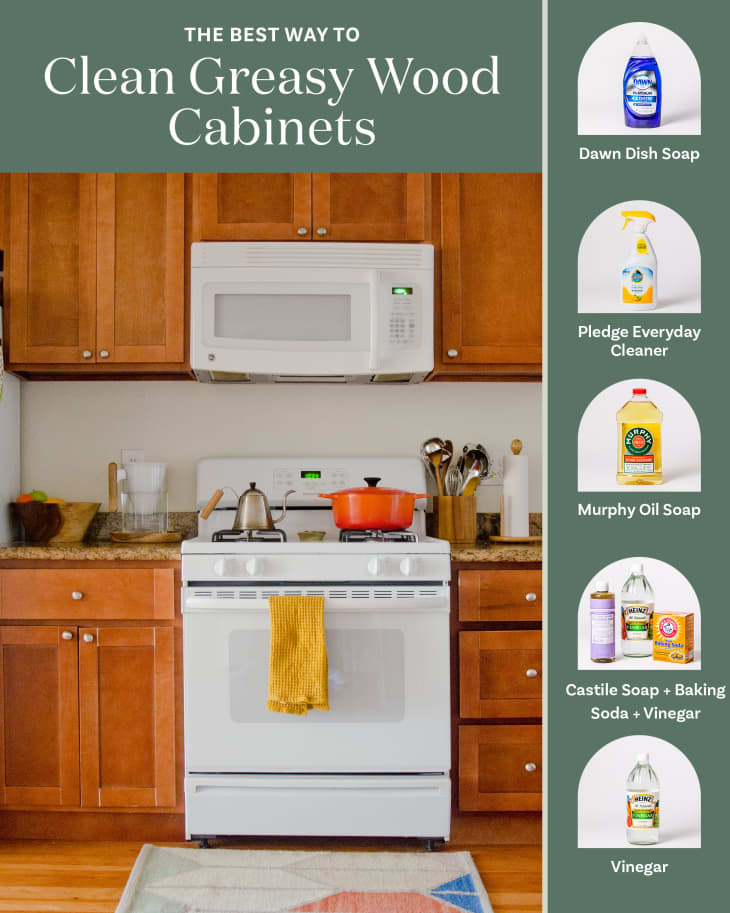
How To Clean Sticky Wood Kitchen Cabinets Easily: Safe & Natural Methods
Are your wood kitchen cabinets covered in a sticky residue? Yes, you can effectively clean sticky wood kitchen cabinets using safe and natural methods. This comprehensive guide will walk you through the best ways to tackle that stubborn cabinet grime and restore the shine to your wooden kitchen furniture without harsh chemicals.
Sticky residue on kitchen cabinets is a common problem, often a build-up of grease, cooking splatters, and everyday kitchen grime. This can make your cabinets look dull and feel unpleasant to the touch. The good news is that with the right approach, you can achieve pristine results using simple, natural ingredients. This guide focuses on effective wood cabinet cleaner solutions that are gentle on your cabinets and safe for your family and the environment. We’ll explore how to achieve sticky cabinet removal and grease removal from wood with ease.
Why Do Kitchen Cabinets Get Sticky?
Before diving into cleaning methods, it’s helpful to understand why this sticky build-up occurs. Kitchens are the heart of the home, but they’re also hubs of activity, especially around cooking.
- Cooking Grease: When you cook, especially frying or sautéing, small particles of grease and oil become airborne. These tiny droplets settle on all surfaces, including your cabinets. Over time, this grease mixes with dust and dirt, creating a sticky, tacky layer.
- Food Splatters: Even careful cooks experience the occasional splatter of sauces, marinates, or other food items. If not wiped up immediately, these can dry and become sticky.
- Handprints and Residue: Frequent touching of cabinet doors, especially around handles and frequently used areas, leaves behind natural oils from our skin. These oils can attract dust and contribute to stickiness.
- Humidity and Steam: The steam from cooking and dishwashing can also play a role. Moisture can sometimes make existing grime more adhesive, and in some cases, can even affect the cabinet finish if prolonged.
These factors combine to create that unwelcome sticky texture that makes even the most beautiful kitchen look neglected. But fear not, kitchen cabinet cleaning tips abound, and we’re going to focus on the most effective and safest ones.
The Importance of Gentle Cleaning for Wood Cabinets
Wood is a natural material, and while durable, it can be sensitive to certain cleaning agents. Using harsh chemicals, abrasive scrubbers, or excessive moisture can damage the finish, leading to discoloration, peeling, or even warping. This is why opting for a natural cabinet cleaner or a non-toxic wood cleaner is highly recommended, especially for regular maintenance and tackling sticky situations.
Safe & Natural Cleaning Solutions for Sticky Wood Cabinets
The most effective way to tackle sticky wood cabinets is by using solutions that can break down grease and grime without stripping the wood’s finish. Here are some of the best DIY and natural options:
1. The Dish Soap and Warm Water Method
This is a classic for a reason. Dish soap is designed to cut through grease, making it an excellent wood cabinet cleaner.
What you’ll need:
- Mild dish soap (a few drops)
- Warm water
- Two soft, lint-free cloths
- A bowl or bucket
How to do it:
- Mix the Solution: Fill your bowl or bucket with warm water. Add just a few drops of mild dish soap. You don’t want too much soap, as excess suds can be harder to rinse and might leave a film.
- Dampen, Don’t Soak: Dip one of your soft cloths into the soapy water. Wring it out thoroughly until it’s just damp. Over-saturation is the enemy of wood, so this step is crucial.
- Wipe Down: Gently wipe down the sticky areas of your cabinets. Work in small sections. The damp cloth will lift the sticky residue.
- Rinse (with a damp cloth): Take your second soft cloth, dampen it with plain warm water, and wring it out very well. Wipe down the areas you just cleaned to remove any soap residue.
- Dry Thoroughly: Immediately use a dry, soft cloth to buff the cabinets dry. This prevents water spots and moisture damage.
Why it works: Dish soap emulsifies grease, meaning it breaks it down into smaller particles that can be easily wiped away with water. This is a gentle yet effective method for grease removal from wood.
2. Baking Soda Paste for Stubborn Grime
For areas with more persistent residue on kitchen cabinets, a gentle paste made from baking soda can be very effective. Baking soda is a mild abrasive that can lift stuck-on grime without scratching.
What you’ll need:
- Baking soda
- Water
- A soft cloth or sponge
- A dry, soft cloth
How to do it:
- Create the Paste: In a small bowl, mix baking soda with just enough water to form a thick paste. It should be spreadable but not runny.
- Apply the Paste: Apply a small amount of the paste directly to the sticky areas on your cabinets.
- Gentle Scrubbing: Using a damp, soft cloth or sponge, gently rub the paste into the sticky spots. Use a circular motion, but apply minimal pressure. Allow the paste to sit for a minute or two on very tough spots to help loosen the grime.
- Wipe Clean: Use a clean, damp cloth (well wrung out) to wipe away the baking soda paste. Ensure all residue is removed.
- Dry and Buff: Dry the cabinets immediately with a soft, dry cloth.
Why it works: Baking soda’s slightly alkaline nature helps to break down grease and grime. Its fine abrasive quality helps to lift off the sticky layer without damaging the wood finish when used gently. This is excellent for removing stubborn cabinet grime.
3. Vinegar Solution for Degreasing
White vinegar is another fantastic natural degreaser and a great component of a DIY cabinet cleaning routine.
What you’ll need:
- White vinegar
- Warm water
- A spray bottle
- Two soft, lint-free cloths
How to do it:
- Mix the Solution: In the spray bottle, mix equal parts white vinegar and warm water.
- Spray and Wipe: Lightly spray the solution onto a soft cloth, not directly onto the cabinet. This helps control moisture.
- Clean the Cabinets: Wipe down the sticky areas of your cabinets. The vinegar will help dissolve the grease and grime.
- Rinse: Use a separate cloth, dampened with plain water and wrung out well, to wipe away the vinegar solution.
- Dry: Immediately dry the cabinets with a soft, dry cloth.
Important Note on Vinegar: While vinegar is effective, it is acidic. Always dilute it with water, and never let the solution sit on the wood for extended periods. Test in an inconspicuous area first, especially on antique or particularly delicate wood finishes.
Why it works: The acetic acid in vinegar is excellent at cutting through grease and mineral deposits, making it a powerful natural cabinet cleaner.
4. Lemon Juice for Shine and Mild Degreasing
Lemon juice is known for its cleaning power and pleasant scent. It can help cut through light grease and leave your cabinets looking brighter.
What you’ll need:
- Fresh lemon juice (from about half a lemon)
- Water
- A soft cloth
How to do it:
- Mix the Solution: Mix equal parts lemon juice and water.
- Apply with Caution: Dip a soft cloth into the solution, wring it out very well, and wipe down the sticky areas.
- Wipe Clean: Use a clean, damp cloth to remove any lemon juice residue.
- Dry: Dry thoroughly with a soft cloth.
Why it works: The citric acid in lemon juice acts as a natural solvent for grease and can also help to brighten surfaces.
5. Mineral Oil or Olive Oil for Conditioning (After Cleaning)
Once your cabinets are clean and dry, applying a small amount of mineral oil or olive oil can help restore moisture, protect the finish, and make future cleaning easier. This is a great step for cleaning wooden kitchen furniture.
What you’ll need:
- Food-grade mineral oil or olive oil
- A soft, lint-free cloth
How to do it:
- Apply Sparingly: Put a tiny amount of oil onto the soft cloth.
- Buff Gently: Rub the oil into the wood in the direction of the grain. Use very light pressure.
- Wipe Excess: Use another clean cloth to gently wipe away any excess oil. You want the wood to look conditioned, not greasy.
Why it works: Oils nourish the wood, helping to prevent it from drying out and becoming brittle. This can also create a slightly more slippery surface, making it harder for grease to adhere.
Techniques for Effective Sticky Cabinet Removal
Beyond the cleaning solutions, the method of cleaning plays a significant role. Here are some key techniques for sticky cabinet removal:
- Work in Small Sections: Don’t try to clean all your cabinets at once. Focus on one door or drawer at a time. This prevents cleaning solutions from drying on the wood before you can wipe them away.
- Gentle Pressure is Key: Always use gentle pressure. Avoid scrubbing hard, as this can damage the finish. If a sticky spot isn’t coming off with gentle wiping, let the cleaning solution sit for a moment (but not long enough to dry) or try a slightly stronger concentration of your chosen cleaner (while still being mindful of the wood).
- Never Spray Directly on Cabinets: Always spray your cleaning solution onto your cloth, never directly onto the wood cabinets. This prevents excess moisture from seeping into the wood and damaging it.
- Change Your Cloths Regularly: As your cloths pick up grime and grease, switch to clean ones. This ensures you’re cleaning effectively rather than just spreading the residue around.
- Test in an Inconspicuous Area: Before cleaning a large or prominent area, always test your chosen cleaning solution on a small, hidden spot (like the inside of a cabinet door or a corner) to ensure it doesn’t damage or discolor the finish.
Dealing with Different Cabinet Finishes
The type of finish on your wood cabinets can influence how you should clean them.
- Varnished or Lacquered Cabinets: These finishes are generally durable. The methods described above (dish soap, vinegar solution) are usually safe. However, avoid abrasive cleaners or scrubbing.
- Painted Cabinets: Be extra gentle with painted cabinets, as the paint can chip or scratch. Use the mildest solutions first, like dish soap and water. Avoid aggressive scrubbing. If the paint is old or worn, extra care is needed.
- Oiled or Waxed Cabinets: These finishes are more natural and may require specific cleaners recommended by the manufacturer. Often, a simple wipe-down with a slightly damp cloth and then buffing with a clean dry cloth is all that’s needed. For stickiness, a very mild soap solution, quickly wiped and dried, should be safe, followed by a reapplication of the appropriate oil or wax.
What NOT to Use on Wood Kitchen Cabinets
To avoid damaging your cabinets, steer clear of these common cleaning mistakes:
- Abrasive Cleaners: Powders like Comet or Ajax, steel wool, and abrasive sponges can scratch and dull the wood finish.
- Harsh Chemicals: Ammonia, bleach, and all-purpose cleaners not specifically designed for wood can strip the finish, cause discoloration, or damage the wood itself.
- Excessive Water: Soaking wood is a recipe for disaster. Always use damp, well-wrung-out cloths and dry immediately.
- Steam Cleaners: While effective for some surfaces, steam can force moisture deep into wood, leading to swelling and damage.
Deep Cleaning for Removing Stubborn Cabinet Grime
If your cabinets haven’t been cleaned in a while, you might need a slightly more intensive approach for removing stubborn cabinet grime.
- Initial Wipe-Down: Start with the mild dish soap and warm water method to remove the bulk of the surface grime.
- Targeted Sticky Spots: For persistent sticky residue, use the baking soda paste or a slightly more concentrated vinegar solution (still diluted and tested first) on a cloth. Work these into the specific sticky areas.
- Rinse and Dry: Thoroughly wipe down the cabinets with a plain damp cloth, then dry them completely with a soft, dry cloth.
- Condition (Optional but Recommended): Once clean and dry, consider applying a small amount of food-grade mineral oil or olive oil with a soft cloth to restore shine and protect the finish.
This process, using a non-toxic wood cleaner approach, is effective for transforming neglected cabinets.
Maintaining Clean, Non-Sticky Cabinets
The best way to deal with sticky cabinets is to prevent the build-up in the first place. Here are some kitchen cabinet cleaning tips for maintenance:
- Wipe Spills Immediately: Address any splatters or spills on your cabinets as soon as they happen. A quick wipe with a damp cloth can prevent them from drying and becoming sticky.
- Regular Dusting: Dust your cabinets regularly with a dry microfiber cloth. This prevents dust from accumulating and mixing with grease.
- Weekly Wipe-Down: Once a week, give your cabinets a quick wipe-down with a slightly damp cloth (well wrung out) and dry them immediately. Focus on high-touch areas like around handles.
- Deep Clean Seasonally: Aim for a more thorough cleaning every 3-6 months, depending on your cooking habits.
By incorporating these simple habits, you can keep your wood cabinet cleaner and prevent the build-up of residue on kitchen cabinets.
Frequently Asked Questions (FAQ)
Here are some common questions people have about cleaning sticky wood kitchen cabinets:
-
Q: Can I use baby wipes to clean my wood kitchen cabinets?
- A: Some baby wipes are quite mild and may work for light cleaning. However, many contain ingredients that could potentially damage or dull certain wood finishes over time. It’s always best to use solutions specifically designed for wood or the natural methods discussed above. Always test first.
-
Q: How do I clean the hardware (handles and knobs) on my wood cabinets?
- A: For most metal hardware, a mixture of warm water and a drop of dish soap works well. For tarnished brass or other metals, you might need a specific metal polish, but be careful not to get any polish on the wood. For painted or coated hardware, test any cleaner in an inconspicuous spot.
-
Q: My cabinets have a strong sticky residue, what’s the best approach?
- A: For a strong sticky residue, start with the dish soap and warm water method. If that doesn’t fully work, try the baking soda paste or a diluted vinegar solution on the stubborn spots. Work patiently and in small sections, ensuring you dry thoroughly after each step.
-
Q: How often should I apply oil to my wood cabinets?
- A: This depends on the climate and how dry your wood feels. Generally, applying oil once or twice a year after a deep clean is sufficient for most cabinets. If you live in a very dry climate or notice the wood looks dull and dry, you might need to do it more often.
-
Q: Is it safe to use furniture polish on my kitchen cabinets?
- A: Some furniture polishes are suitable for kitchen cabinets, but always check the product label. Many contain silicones or waxes that can build up and create a sticky surface over time, making future cleaning more difficult. Natural oil treatments are often a safer, more effective long-term solution.
By following these detailed steps and advice, you can effectively clean your sticky wood kitchen cabinets, ensuring they remain beautiful and well-maintained for years to come. Remember to always prioritize gentle, natural cleaning methods to protect the integrity of your wooden kitchen furniture.