
Connecting a water hose to your kitchen sink is often necessary for tasks beyond typical dishwashing, such as filling large containers, connecting a portable washing machine, or setting up a temporary watering system for plants. Can I connect a garden hose to my kitchen sink? Yes, you can, but it requires the right adapter. This guide will walk you through how to connect a water hose to your kitchen sink easily, covering common scenarios and necessary tools.
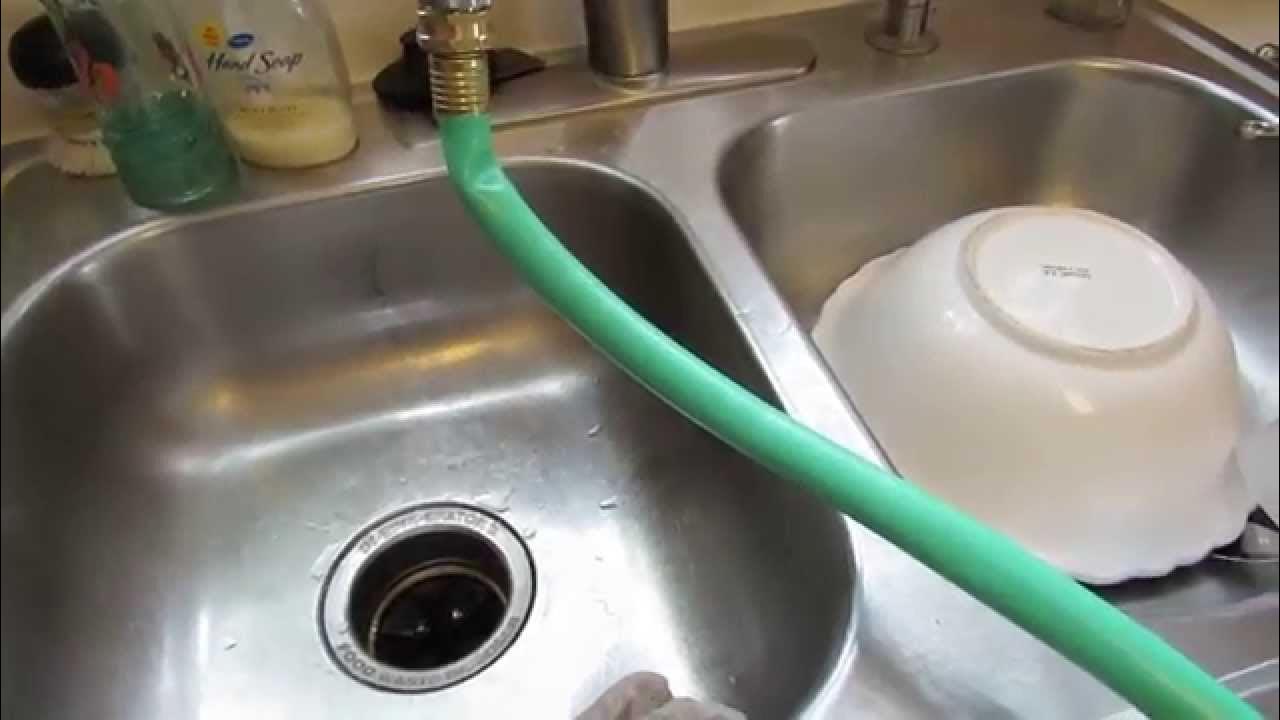
Image Source: i.ytimg.com
Why Connect a Hose to Your Kitchen Sink?
Kitchen sinks are central to many household activities. While their primary function is washing dishes and hands, their water supply can be surprisingly versatile. Here are a few reasons you might need to connect a hose:
- Filling Large Containers: Need to fill a large cooler, a kiddie pool, or a water storage bin? A hose can make this much faster than using a bucket.
- Portable Washing Machines: Many compact or portable washing machines come with a hose designed to connect to a faucet.
- Temporary Plumbing Needs: For temporary setups, like a home gardening system or a craft project requiring a continuous water flow, a sink connection is ideal.
- Cleaning Large Items: Washing large pets, bicycles, or car parts in the kitchen can be made easier with a hose.
- Emergency Water Supply: In certain situations, a hose can be used to fill up reserve water containers.
The Essential Connector: Your Kitchen Sink Hose Adapter
The key to connecting any hose to your kitchen sink is the kitchen sink hose adapter. This small but crucial piece of hardware bridges the gap between your faucet’s outlet and the hose you want to connect. Without the correct adapter, you won’t be able to create a watertight seal.
Types of Faucet Adapters
Faucet adapters come in various forms, designed to fit different faucet styles and hose types.
Aerator Adapters
Most modern kitchen faucets have an aerator at the tip. This is the part where water comes out, mixed with air to create a smooth stream. These aerators have threads, and many adapters screw directly onto these threads.
-
How to Identify Your Aerator Thread Size:
To find the right faucet aerator thread size, you’ll need to unscrew your current aerator. You can then measure its diameter or, more reliably, check for markings on the aerator itself. Common sizes include:- Male Thread: 55/64 inch, 15/16 inch, 27/32 inch, 13/16 inch
- Female Thread: 1-1/16 inch, 1-1/8 inch
You can buy inexpensive thread gauges at hardware stores or online to ensure a perfect match. Many kitchen faucet outlet adapter kits include a variety of male and female adapters to cover most common faucet thread sizes.
Underside Connection Adapters
Some adapters connect to the pipe underneath the faucet. This is less common for a simple hose connection but can be useful for more permanent or specialized plumbing solutions.
Quick-Connect Adapters
Some systems use quick-connect fittings, allowing you to attach and detach hoses with a simple push or click. These are convenient but require both the faucet adapter and the hose to have compatible quick-connect ends.
Connecting to Your Kitchen Faucet: Step-by-Step
Connecting a hose to your kitchen sink involves a few simple steps. The process is generally straightforward, but attention to detail ensures a leak-free connection.
Step 1: Turn Off the Water Supply
Before you start any work on your faucet, it’s crucial to turn off the water supply.
- Look under your sink for two shut-off valves – one for hot water and one for cold water.
- Turn these valves clockwise until they are fully closed.
- Turn on your faucet to drain any residual water and confirm the supply is off.
Step 2: Remove the Existing Aerator
The aerator is usually screwed onto the end of the faucet spout.
- Use pliers (with a cloth to protect the finish) or your hands to unscrew the aerator counter-clockwise.
- Be gentle, as some aerators can be stuck or fragile.
Step 3: Identify the Correct Adapter
Now it’s time to find the right adapter.
- If you’re connecting a standard garden hose to faucet adapter, it will likely have a female threaded end designed to screw onto the male threads of your faucet spout (or vice-versa, if your faucet has internal threads).
- For other hoses, like those for portable washers or specialized water fill hoses, you might need a specific kitchen sink hose adapter that matches the hose’s connector.
- If you removed your aerator, compare its threads to the adapters you have. The faucet aerator thread size is critical here.
Step 4: Attach the Adapter to the Faucet
- Screw the chosen adapter onto the faucet spout.
- Ensure it is screwed on tightly but do not overtighten, as this can damage the faucet or the adapter.
- If the adapter came with a rubber washer or gasket, make sure it’s in place to create a good seal.
Step 5: Connect the Hose to the Adapter
This is where you connect your chosen hose.
- For a Garden Hose: If you’re using a garden hose to faucet adapter, the standard male end of a garden hose will screw onto the corresponding fitting on the adapter.
- For a Washing Machine Hose: A washing machine hose to sink connection typically uses a specific adapter that screws onto the faucet threads, and the washing machine hose then attaches to this adapter, often with a clamp.
- For a Sink Sprayer Hose: The sink sprayer hose connection is often a specialized fitting that might attach directly to the faucet base or require an adapter if you’re repurposing the outlet.
- For Portable Sink Water Hookup: A portable sink water hookup adapter is designed to connect to standard faucet outlets, allowing the portable sink’s hose to draw water.
- For a Sink Basin Water Fill Hose: These hoses often have a universal fitting or a specific adapter that attaches to the faucet outlet.
Step 6: Secure the Hose Connection
- For garden hoses, ensure the coupling is screwed on securely.
- For washing machine hoses or other types that use clamps, tighten the clamp around the hose and the adapter fitting to prevent leaks.
Step 7: Turn On the Water Supply Slowly
- Go back under the sink and slowly turn the hot and cold water shut-off valves counter-clockwise.
- As water begins to flow, check all connection points for leaks.
- If you see any drips, turn off the water and gently tighten the connections.
Step 8: Test the Water Flow
- Turn on your faucet to check the water pressure and flow through the connected hose.
- Ensure the water runs as expected without any leaks at the faucet connection or the hose coupling.
Special Considerations and Troubleshooting
While the basic process is simple, you might encounter a few issues.
Leaks at the Faucet Adapter Connection
- Cause: The most common cause is an incorrect thread size or a missing/worn rubber washer.
- Solution: Double-check that you have the correct faucet aerator thread size or adapter type. Ensure the rubber washer is present and seated correctly. Try gently tightening the connection.
Leaks at the Hose Connection
- Cause: The hose’s coupling might not be fully screwed on, or the gasket inside the coupling could be damaged.
- Solution: Ensure the hose coupling is securely attached to the adapter. Inspect the gasket inside the hose’s male connector. Replace it if it looks worn or damaged.
Low Water Pressure
- Cause: This could be due to partially closed shut-off valves under the sink, kinks in the hose, or sediment buildup in the faucet or adapter.
- Solution: Fully open the shut-off valves. Check the entire length of the hose for any kinks. If the problem persists, the faucet aerator itself (or the adapter) might be clogged.
Adapting to Different Faucet Styles
Some kitchen faucets have unique designs that might make direct adapter connection difficult.
- Pull-Down/Pull-Out Faucets: The aerator on these faucets is often housed within the spray head. You might need a specific adapter designed for pull-down sprayers, or you may need to detach the spray head entirely to access a standard thread.
- Commercial-Style Faucets: These often have larger, more robust spouts with different threading. You’ll need an adapter specifically designed for these heavy-duty faucets.
Temporary Kitchen Sink Plumbing Solutions
Sometimes, you’re not just connecting a single hose, but setting up a more elaborate temporary kitchen sink plumbing arrangement.
Connecting a Washing Machine
When using a portable washing machine, the setup is usually straightforward. The machine comes with a hose, and you’ll need an adapter to connect it to your kitchen faucet. The washing machine hose to sink connection is the critical point. Many portable washing machines include a universal faucet adapter, but if yours doesn’t, you’ll need to purchase one that fits your faucet’s faucet aerator thread size. The connection aims to provide a secure way to fill the washing machine tub.
Using a Sink Basin Water Fill Hose
A sink basin water fill hose is often used for tasks like filling large storage bins or aquariums. These hoses typically have a fitting that screws onto the faucet spout, similar to a garden hose adapter. The goal is to provide a direct, controlled flow of water into the basin.
Portable Sink Water Hookup
For freestanding or portable sinks, a portable sink water hookup is necessary. These sinks often have a water tank for clean water and a separate tank for greywater. The connection to the kitchen faucet is for refilling the clean water tank or directly supplying water if the sink has a direct water feed option. The adapter here facilitates the easy transfer of water from the main supply to the portable unit.
Securing the Hose for Different Uses
Beyond just connecting, ensuring the hose stays in place is important, especially for longer periods or with higher water pressure.
Sink Sprayer Hose Connection Issues
If you’re trying to extend or adapt your sink sprayer hose connection, you might be looking for ways to connect it to a different water source or to a hose for a different purpose. This can be more complex, as sprayer hoses often use proprietary fittings. You might need specialized adapters designed for plumbing repairs.
Using a Rubber Hose to Kitchen Tap
When using a flexible rubber hose to kitchen tap, the primary challenge is getting a tight seal. Standard rubber hoses might not have the reinforced threads of a garden hose. In such cases, a hose clamp used in conjunction with a suitable faucet adapter becomes essential. The adapter provides the threaded connection, and the clamp secures the rubber hose onto the adapter’s barbed or smooth fitting.
The Importance of Hose Clamps
For rubber hoses or any flexible tubing that doesn’t have a threaded end, a hose clamp is your best friend.
- Types of Hose Clamps:
- Screw Clamps: These are the most common and offer adjustable tightening.
- Spring Clamps: These provide constant pressure and are good for flexible hoses.
- How to Use: Slide the clamp over the rubber hose, position it over the barbed fitting of the adapter, and then tighten the screw or ensure the spring clamp is properly engaged.
Maintaining Your Faucet and Hose Connections
Regular checks can prevent problems.
- Check Washers: Periodically inspect the rubber washers in your adapters and hose couplings. Replace them if they look cracked or flattened.
- Clean Aerators/Adapters: Sediment can build up. Unscrew and rinse your aerator or adapter occasionally.
- Inspect Hoses: Look for any signs of wear, cracks, or bulges in the hose itself.
Frequently Asked Questions (FAQ)
Q1: Will connecting a hose damage my faucet?
A1: Generally, no, as long as you use the correct adapter and don’t overtighten connections. Using excessive force can strip threads or crack plastic components. Always protect the faucet finish with a cloth when using pliers.
Q2: Can I connect a hot water hose to my kitchen sink?
A2: Yes, if your faucet has separate hot and cold water supplies and your hose and adapter are rated for hot water. However, be cautious, as water from the hot tap can be very hot.
Q3: Do I need a special adapter for a pull-down faucet?
A3: Often, yes. The spray head on pull-down faucets can make connecting standard adapters difficult. Look for adapters specifically designed for pull-down sprayers, or research how to detach the spray head to access the faucet’s main spout threads.
Q4: How do I connect a standard garden hose if my faucet doesn’t have external threads?
A4: Some faucets have internal threads on the aerator. In this case, you’ll need an adapter with external threads that fits these internal threads. If your faucet spout is completely smooth, you might need a clamp-on adapter, though these are less common for kitchen faucets.
Q5: Is it safe to leave a hose connected for extended periods?
A5: For short-term needs, it’s fine. For longer periods, it’s best to disconnect the hose when not in use to prevent potential pressure buildup or leaks. Also, ensure the hose and water are safe for the intended use (e.g., potable water hoses for drinking water needs).
By following these guidelines and selecting the correct kitchen sink hose adapter, you can easily and effectively connect a water hose to your kitchen sink for a variety of household tasks. Remember to prioritize the right fit, a good seal, and careful installation.