
Can you cover an electrical panel in your living room? Yes, you absolutely can, as long as you do it safely and ensure it remains accessible for emergencies and maintenance. The goal is to blend this necessary but often unsightly component into your decor without compromising safety. This blog post will guide you through creative and safe methods to achieve just that.
The electrical panel, often called the breaker box or fuse box, is a critical part of your home’s electrical system. However, its utilitarian appearance makes it a challenge to integrate into the stylish aesthetics of a living room. Fortunately, there are many ways to hide electrical panel living room designs that are both functional and beautiful. Whether you’re looking for a simple DIY electrical panel cover or a more elaborate concealing electrical panel decor solution, we’ve got you covered. Let’s explore how to transform this necessary evil into a design feature or at least make it disappear seamlessly.
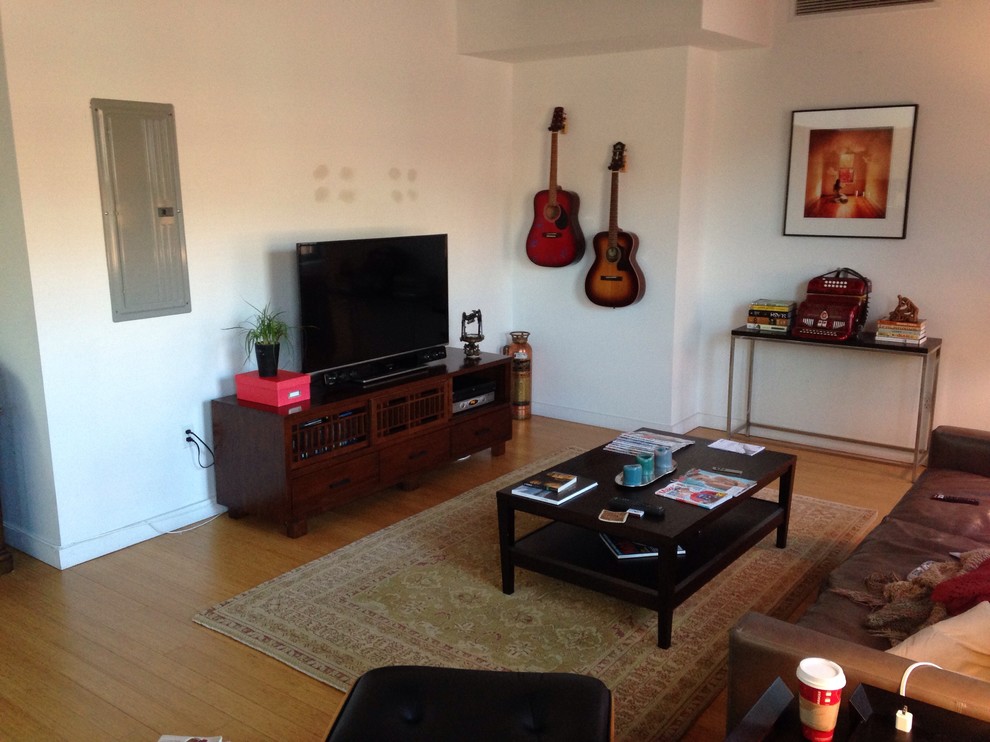
Image Source: st.hzcdn.com
Why Conceal Your Living Room Electrical Panel?
The primary reason most homeowners want to cover their electrical panel is purely aesthetic. Electrical panels are typically housed in plain, grey metal boxes that do not complement any interior design. They can be bulky, have exposed wires, and simply break the visual flow of a well-decorated room. Beyond looks, a living room electrical panel enclosure can also offer a slight measure of protection against accidental bumps or spills.
The Importance of Accessibility and Safety
Before diving into decorative solutions, it’s crucial to emphasize safety and accessibility. Your electrical panel is the command center for your home’s electricity. In case of a power surge, electrical fire, or any emergency, you need to be able to access it quickly and easily.
- Emergency Access: Firefighters and electricians need immediate access to shut off power.
- Maintenance: Regular inspections and potential breaker resets require unimpeded access.
- Code Compliance: Building codes often dictate certain clearance requirements around electrical panels. Always ensure your chosen method adheres to local regulations.
Key Safety Considerations:
- Never obstruct access: The panel door must open fully without hindrance.
- Avoid flammable materials: Do not place flammable items near the electrical panel.
- Ensure ventilation: Some panels generate a small amount of heat. Don’t completely seal it in a way that prevents air circulation.
- Regular Checks: Periodically ensure your cover or enclosure hasn’t become a hazard.
Creative Ways to Cover Electrical Panel in Living Room
Now that safety is established, let’s explore some stylish and effective ways to achieve your living room electrical panel enclosure goals. We’ll cover everything from simple DIY electrical panel cover ideas to more elaborate electrical panel camouflage living room strategies.
1. The Artful Approach: Decorative Electrical Panel Covers
One of the most popular ways to hide electrical panel living room is by using a decorative electrical panel cover. These are specifically designed to fit over existing panels and come in a wide range of styles, materials, and finishes.
Types of Decorative Covers:
- Canvas Prints: These covers feature beautiful artwork, landscapes, or abstract designs. They often have a frame that mounts to the wall, and the canvas art simply hangs over the panel, often on a hinge for easy access.
- Mirrored Covers: A mirrored panel can make the space feel larger and brighter, while effectively concealing the electrical box.
- Metal Grilles with Artwork: Some covers incorporate decorative metal grilles behind which you can place your own artwork or photos.
- Custom-Made Covers: For a truly unique look, consider custom-ordered covers that match your specific decor.
Pros:
- Aesthetically pleasing and can enhance room decor.
- Relatively easy to install.
- Designed with accessibility in mind (often hinged).
Cons:
- Can be more expensive than DIY options.
- May require specific sizing for your panel.
2. Camouflage with Furniture and Decor
This method focuses on strategically placing furniture and decorative items to draw the eye away from the electrical panel or to create a visual screen.
Furniture Placement:
- Bookcases or Shelving Units: A strategically placed bookcase can completely hide the electrical panel. Ensure there’s enough clearance for access. You can also mount a shallow shelving unit directly onto the wall over the panel, leaving a gap for access.
- Console Tables: A slim console table with a decorative skirt or a table adorned with plants and art can effectively disguise the panel.
- Large Art Pieces: Similar to decorative covers, a large painting or framed photograph hung slightly in front of the panel can do wonders.
Decorative Elements:
- Plants: Tall potted plants can create a natural screen. Opt for larger plants that can occupy a significant visual space.
- Screens or Room Dividers: A folding screen or a decorative room divider can be placed in front of the panel. Choose one that complements your living room’s style.
Pros:
- Integrates the panel into the room’s existing layout.
- Can add functionality (e.g., storage with shelving).
- Offers flexibility in rearranging your living space.
Cons:
- Requires careful planning of furniture layout.
- May not be a complete concealment if the panel is large or in a prominent location.
3. The DIY Electrical Panel Cover Projects
For the hands-on homeowner, a DIY electrical panel cover can be a rewarding and cost-effective solution.
Simple Wood Frame with Fabric/Canvas:
- Materials: Plywood or MDF, wood for the frame, screws, hinges, fabric or canvas print, paint or stain.
- Process:
- Measure your electrical panel accurately.
- Build a simple wooden frame that is slightly larger than the panel.
- Cut a piece of plywood or MDF to fit within the frame.
- Attach your chosen fabric or canvas print to the plywood/MDF. You can stretch and staple fabric like a canvas, or adhere a printed image.
- Attach the frame to the wall around the panel, using hinges on one side to allow the cover to swing open. Ensure the frame is securely mounted.
- Paint or stain the frame to match your decor.
Wooden Box or Cabinet:
- Materials: Plywood or solid wood, wood glue, screws, hinges, latch or magnetic catch, paint or stain.
- Process:
- Construct a wooden box that is slightly larger than the electrical panel.
- Create a door for the box, either hinged or removable.
- Mount the box securely to the wall.
- Decorate the box by painting, staining, or adding decorative trim.
- Ensure the door can be easily opened for access.
Pegboard Panel:
- Materials: A piece of pegboard, screws, wall anchors, decorative items like hooks, small shelves, or photos.
- Process:
- Cut the pegboard to size to cover the electrical panel area.
- Mount the pegboard to the wall slightly offset from the panel itself, using spacers if necessary to ensure clearance.
- Decorate the pegboard with small plants, photos in frames, or other lightweight decorative items. This offers a more subtle electrical panel camouflage living room effect.
Table: DIY Project Complexity and Materials
| Project Type | Complexity | Primary Materials | Safety Considerations |
|---|---|---|---|
| Wood Frame with Canvas | Medium | Wood, plywood/MDF, fabric/canvas, hinges, screws, paint | Ensure frame is securely mounted and hinges allow full panel access. Use non-flammable materials. |
| Wooden Box/Cabinet | High | Wood, wood glue, screws, hinges, latch, paint | Ensure adequate ventilation and easy access for emergencies. Secure mounting is crucial. |
| Pegboard Panel | Low | Pegboard, screws, wall anchors, decorative items | Use lightweight items. Ensure pegboard is securely mounted and doesn’t obstruct panel access. |
| Repurposed Cabinet/Furniture Piece | Medium | Small cabinet, shelf unit, paint/stain, mounting hardware | Ensure the piece fits the space and allows full access to the panel. Securely attach it. |
4. Integrating into Wall Features
Sometimes, the best way to conceal an electrical panel is to make it part of a larger wall feature.
Built-in Shelving or Cabinetry:
- If you’re undertaking a renovation or redecorating, consider incorporating a false wall or a custom built-in unit that cleverly hides the panel behind a door, a removable panel, or within a compartment.
- This often involves woodworking and careful planning to ensure it looks like a deliberate design element rather than a concealment.
Textured Wall Coverings:
- Wallpaper: A busy or textured wallpaper can help to break up the visual lines of the electrical panel, making it less noticeable. However, ensure the panel door can still be easily opened.
- Wall Paneling or Shiplap: Installing decorative wood paneling or shiplap around the area can help camouflage the panel. You can create a small access door within the paneling that blends seamlessly.
5. Smart Solutions for Electrical Panel Screen Living Room
For a more modern approach to concealing your electrical panel, consider these options:
- Sliding Panels: Create a panel that slides horizontally or vertically to reveal the electrical box. This can be made from wood, metal, or even a framed piece of art.
- Hidden Doors within Artwork: Commission an artist to create a piece of art on a panel that can be hinged open, revealing the electrical panel behind it. This is a sophisticated way to achieve electrical panel camouflage living room.
Considerations for Your Living Room Electrical Panel Enclosure
When choosing or creating your solution, keep these points in mind:
- Material Choices: Opt for materials that are durable, easy to clean, and, most importantly, safe. Avoid highly flammable materials or anything that could easily break and create sharp edges.
- Ventilation: Ensure your chosen method doesn’t completely seal the electrical panel. Breakers can generate some heat.
- Accessibility for Repairs: Always ensure that a qualified electrician can easily access the panel for any necessary work. This means the cover shouldn’t be permanently attached or require complex dismantling.
- Aesthetics: The final solution should blend seamlessly with your living room’s decor. Consider the colors, textures, and overall style of your room.
- Budget: DIY solutions can be very affordable, while custom decorative covers or built-in furniture can be more of an investment.
What Not To Do When Covering an Electrical Panel
It’s vital to reiterate some critical “don’ts” when it comes to covering your electrical panel:
- Don’t use flammable materials: This includes certain types of fabric, wood finishes, or decorative items placed too close to the panel.
- Don’t block access: Never place heavy furniture, built-in cabinets, or any permanent fixtures that prevent the panel door from opening fully.
- Don’t seal the panel: Avoid enclosing it in a way that eliminates airflow.
- Don’t ignore local codes: Always check building codes to ensure your solution is compliant.
- Don’t attempt electrical work yourself: Unless you are a qualified electrician, do not tamper with the panel itself.
Common Mistakes to Avoid
- Over-Complication: Sometimes, the simplest solution is the best. A plain, attractive cover might be all you need.
- Poor Mounting: A cover that isn’t securely mounted can become a safety hazard.
- Ignoring the Panel’s Size: Ensure your chosen method accommodates the entire panel, including any protruding parts.
- Using Items Not Designed for the Purpose: While creative, ensure any repurposed item is safe and suitable for the task.
Examples of Stylish Concealment
Let’s visualize some successful ways to hide electrical panel living room:
- Gallery Wall: A large, well-curated gallery wall can draw attention upwards and sideways, effectively making the electrical panel blend into the background.
- Statement Mirror: A large, ornate mirror placed slightly above and to the side of the panel can distract the eye and add a touch of elegance.
- Corner Unit: If the panel is in a corner, a tall plant or a decorative screen can work wonders.
- Textured Wallpaper with a Recessed Panel: A wallpaper with a subtle texture can help mask the panel’s presence. If possible, recessing the panel slightly and adding a small, flush-mounted door that matches the wallpaper can be a very clean solution.
Popular Decorative Electrical Panel Cover Designs
- Modern Abstract: Geometric patterns or subtle color blocks.
- Nature Scenes: Landscapes, forests, or floral motifs.
- Minimalist: Simple frames with neutral-colored canvases.
- Rustic: Wood finishes or designs that mimic reclaimed wood.
Frequently Asked Questions (FAQ)
Q1: Is it legal to cover my electrical panel?
Yes, it is legal to cover your electrical panel as long as the cover allows for quick and easy access in case of an emergency or for maintenance. It must not obstruct the opening of the panel door or interfere with ventilation. Always check your local building codes for specific regulations.
Q2: What materials are safe to use for covering an electrical panel?
Safe materials include non-flammable or low-flammability materials like metal, certain treated woods, glass, or fire-retardant fabrics. Ensure any paints or finishes used are also not highly flammable.
Q3: Can I paint my electrical panel cover?
Yes, you can paint the cover of your electrical panel, but do not paint the actual electrical panel box or the breakers themselves. If you are painting a metal cover, use a primer suitable for metal and a durable paint.
Q4: How much clearance do I need around an electrical panel?
Building codes typically require a clear working space of at least 30 inches wide and 36 inches deep in front of the panel, extending from the floor to the ceiling. Your covering solution must not infringe on this space.
Q5: What’s the easiest way to hide an electrical panel in a living room?
The easiest way is often to use a pre-made decorative electrical panel cover that features artwork or a mirror and is designed for easy access. Alternatively, strategically placing a tall plant or a piece of furniture like a narrow console table can also be simple solutions.
Q6: Can I mount a shelf over my electrical panel?
Yes, you can mount a shelf over your electrical panel, but it must be installed in a way that allows the panel door to open fully and doesn’t block access. It’s often best to use a floating shelf or a shallow shelf with adequate clearance.
Q7: What if my electrical panel is in a very visible location?
If your panel is in a highly visible spot, you’ll want to opt for a more decorative and integrated solution. Think of a custom artwork cover, a stylish cabinet integrated into your wall unit, or a large piece of decor that deliberately draws the eye elsewhere.
Q8: How can I ensure my DIY cover is safe?
Ensure all materials are safe, securely fastened, and allow for complete access and ventilation. Test the accessibility by opening and closing the panel door multiple times after installation. If you have any doubts, consult a qualified electrician.
Q9: Are there any electrical panel screen living room options that are also functional?
Yes, a bookcase or a shelving unit placed strategically in front of the panel can serve as both concealment and functional storage. A cabinet with doors that open outwards can also conceal the panel while offering storage space.
Q10: What are some creative ways to disguise an electrical panel that don’t involve covering it directly?
You can disguise it by incorporating it into a gallery wall, using a large decorative mirror, or placing a substantial piece of freestanding art or a plant strategically in front of it. The goal is to make it visually less prominent by drawing attention to other elements in the room.
Conclusion
Concealing your electrical panel in the living room doesn’t have to be a battle between form and function. By employing a little creativity and prioritizing safety, you can transform an eyesore into a design element or simply make it disappear into your decor. Whether you opt for a ready-made decorative electrical panel cover, a clever furniture arrangement, or a rewarding DIY electrical panel cover project, the key is to ensure that your living room electrical panel enclosure is accessible, safe, and aesthetically pleasing. Remember, a well-executed electrical panel camouflage living room contributes significantly to the overall harmony and style of your home.