
Decorating a rectangular living room presents a unique challenge: how to balance the long, narrow space and make it feel inviting. A rectangular living room layout can sometimes feel like a bowling alley, but with smart decorating, you can transform it into a cozy and functional hub for your home. The key is to break up the long lines and create distinct areas for different activities.
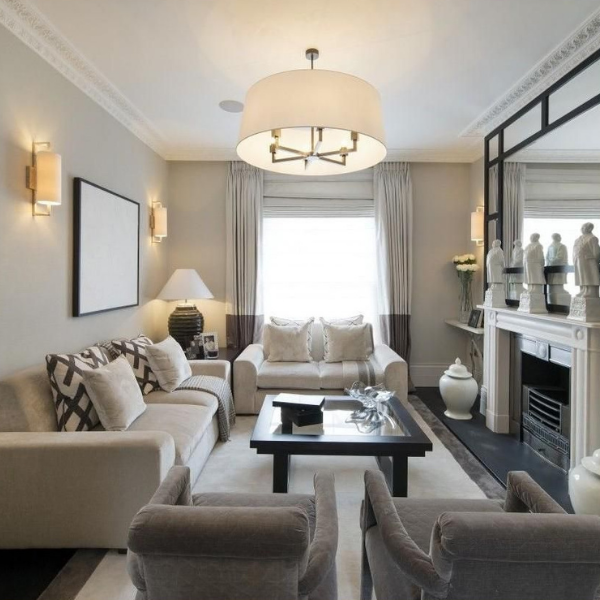
Image Source: images.squarespace-cdn.com
Arranging Furniture in a Long Living Room
When thinking about arranging furniture in a long living room, the goal is to avoid a single line of furniture down the middle. This makes the room feel even longer and less intimate. Instead, try to create a more balanced and functional flow.
Breaking Up the Space
The best way to tackle a long room is to divide it into smaller, more manageable zones. This makes the space feel more proportional and allows for different activities to happen simultaneously.
- Conversation Area: This is usually the primary focus. Position your sofa and accent chairs facing each other, creating a cozy spot for chatting.
- Reading Nook: If space allows, a comfortable armchair with a side table and a floor lamp can create a lovely reading corner.
- Entertainment Zone: This could be where your TV and media console are located, often opposite the main seating area.
- Work or Hobby Space: A small desk or a craft table can be placed in a less trafficked area, perhaps near a window for natural light.
Furniture Placement Strategies
Rectangular living room layout ideas often revolve around how to best use the length without overwhelming it.
- Create a Focal Point: This could be a fireplace, a large piece of art, or your entertainment center. Arrange your main furniture pieces around this focal point.
- Float Furniture: Don’t push all your furniture against the walls. Pulling sofas and chairs away from the walls, even by a foot or two, can make the room feel wider and more inviting.
- Use Rugs to Define Zones: Area rugs are fantastic for visually separating different areas within the rectangular space. A rug under your main seating group clearly marks that zone.
- Consider Benches or Ottomans: These can be used as coffee tables or extra seating, and many offer storage. They are versatile for optimizing narrow living room space.
- Balance the Length: Place taller items, like bookshelves or floor lamps, on the shorter walls to help visually balance the room.
Rectangular Living Room Layout Ideas
Exploring different rectangular living room layout ideas is crucial for success. A well-thought-out layout can make a significant difference in how your room feels and functions.
The Classic Two-Zone Approach
This is a popular and effective method for rectangular rooms. Divide the room into two main areas, often a seating area and an entertainment or secondary activity area.
- Seating Area: Place your sofa and a couple of armchairs around a coffee table. This area should be cohesive and inviting.
- Secondary Area: This could be a dining nook if your living room is large enough, a reading corner, or a space for a desk.
The Three-Zone Strategy
For larger rectangular living rooms, a three-zone approach can be very effective.
- Primary Seating Zone: The main gathering space.
- Secondary Activity Zone: A reading corner, a small play area, or a place for a piano.
- Transition Zone: This might be a walkway or a small console table area.
Utilizing Wall Space
Don’t forget about the walls. They are your allies in decorating a rectangular room.
- Wall-Mounted Shelving: This saves floor space and adds visual interest.
- Gallery Walls: A well-curated gallery wall can draw the eye up and break up long stretches of blank wall.
- Large Artwork: A single, large piece of art can be a powerful focal point.
Optimizing Narrow Living Room Space
Optimizing narrow living room space requires clever tricks and smart furniture choices. The goal is to make the room feel as wide and as comfortable as possible.
Furniture Choices for Narrow Spaces
The type of furniture you choose can dramatically impact the feel of your narrow living room.
- Slim Profile Furniture: Opt for sofas and chairs with a sleeker design, rather than bulky, overstuffed pieces.
- Legs on Furniture: Furniture with visible legs creates a sense of airiness and makes the room feel less cluttered.
- Multifunctional Pieces: Ottomans with storage, nesting tables, and sofa beds are excellent for small or narrow spaces.
- Consider a Loveseat: If a full-sized sofa feels too dominant, a loveseat might be a better fit, paired with accent chairs.
- Round or Oval Coffee Tables: These can soften the sharp lines of a rectangular room and offer easier navigation.
Visual Tricks to Widen the Space
How to make a rectangular room look wider involves using visual cues.
- Mirrors: Strategically placed mirrors can reflect light and create the illusion of more space. Placing a large mirror on one of the long walls can visually widen the room.
- Light Colors: Lighter paint colors on the walls and ceiling will make the room feel more open and airy.
- Horizontal Lines: Incorporating horizontal elements, like stripes on a rug or accent pillows, can trick the eye into perceiving more width.
- Accent Wall: Painting or wallpapering one of the shorter walls a darker or more vibrant color can draw the eye to that end, making the room feel more balanced.
Living Room Design for Rectangular Rooms
A successful living room design for rectangular rooms is all about creating balance and flow. It’s about making the long dimensions work for you, not against you.
Creating Balance
Balance is key in a long room. If one end feels too heavy, balance it with something on the opposite end.
- Symmetry: While not always necessary, using symmetrical arrangements on either side of a focal point can create a sense of calm and order.
- Visual Weight: Distribute visual weight evenly. If you have a large sofa on one side, consider a large piece of art or a substantial armchair on the opposite side.
Flow and Traffic Patterns
Ensure there are clear pathways for movement through the room. Avoid blocking doorways or creating awkward bottlenecks.
- Measure Your Space: Before buying furniture, measure your room and sketch out your layout. This helps you visualize how furniture will fit and how people will move.
- Clear Pathways: Leave at least 3 feet for main walkways.
Small Rectangular Living Room Decor
When dealing with a small rectangular living room decor, every inch counts. The principles of making a room feel wider and more balanced become even more critical.
Smart Furniture Arrangements for Small Spaces
- Scale is Important: Choose furniture that is appropriately sized for the room. Oversized furniture will overwhelm a small space.
- Consider Corner Pieces: A sectional sofa can sometimes work well in a corner to maximize seating without taking up too much floor space.
- Vertical Space: Utilize wall space with shelves and tall, narrow storage units to keep the floor clear.
Decorating Tips for Small Rectangular Living Rooms
- Multifunctional Furniture: As mentioned before, pieces that serve double duty are gold.
- Light and Bright: Keep the color palette light and airy.
- Minimalism: Avoid clutter. A clean, uncluttered look makes any small space feel larger.
- Strategic Lighting: Good lighting can make a small room feel more spacious. Use a mix of overhead lighting, task lighting, and accent lighting.
How to Make a Rectangular Room Look Wider
Making a rectangular room feel wider is a common decorating goal. It’s about tricking the eye and creating a more inviting atmosphere.
Color and Pattern Play
- Horizontal Stripes: Using horizontal stripes on walls or in decor can visually widen the space.
- Light Colors on Long Walls: Painting the long walls a lighter color than the shorter walls can make them recede, visually expanding the width.
- Cooler Tones: Cool colors like blues and greens tend to recede, making walls appear further away.
Furniture Arrangement for Width
- Place Seating Facing the Shorter Walls: This can help break up the length and draw attention to the width.
- Avoid Parallel Lines: Don’t place furniture in a long, straight line down the middle. Instead, arrange pieces to create a more dynamic and welcoming feel.
Rectangular Living Room Furniture Placement
Effective rectangular living room furniture placement is the foundation of a successful design. It’s about creating functional zones and a pleasing aesthetic.
Sofa and Chair Arrangements
- L-Shape: Arranging a sofa and chairs in an L-shape often works well for creating a cozy conversation area, especially in one end of the room.
- Facing Each Other: Placing sofas and chairs directly opposite each other creates a strong conversational focus.
- Angled Furniture: Angling furniture can break up the straight lines of a rectangular room and add visual interest.
Coffee Table and Side Table Placement
- Center the Coffee Table: The coffee table should be within easy reach of the seating.
- Side Tables: Place side tables next to sofas and chairs for lamps, drinks, and decor.
Decorating Tips for Elongated Living Rooms
Decorating tips for elongated living rooms focus on minimizing the perception of length and maximizing comfort and style.
Breaking the Long Sightline
- Room Dividers: Consider using open shelving units, screens, or large plants to subtly divide the space.
- Multiple Seating Areas: Creating distinct seating areas, as discussed earlier, is a great way to break up the length.
Lighting Strategies
- Layered Lighting: Use a combination of ambient, task, and accent lighting. This adds depth and interest.
- Wall Sconces: These can add light without taking up floor or table space.
- Floor Lamps: Use floor lamps to illuminate corners and reading nooks.
Art and Accessories
- Large-Scale Art: A single large piece of art on a long wall can anchor the space.
- Gallery Walls: These can break up long stretches of wall and add personality.
- Vary Heights: Use decor items of varying heights to create visual interest.
Best Furniture for Rectangular Living Rooms
Choosing the best furniture for rectangular living rooms means selecting pieces that are both functional and visually appropriate for the space.
Sofa Styles
- Sectionals: A sectional can be excellent for defining a seating area and providing ample seating, especially if it’s a sofa with a chaise lounge.
- Sofa and Loveseat Combination: This allows for flexible seating arrangements.
- Armless Sofas: These can create a more open and less visually heavy feel.
Chairs and Accent Seating
- Armchairs: These are great for filling out seating areas and adding individual comfort.
- Ottomans: Versatile for seating, footrests, or even as a coffee table substitute.
Tables and Storage
- Round or Oval Coffee Tables: These are ideal for softening the lines of a rectangular room.
- Nesting Tables: These offer flexibility and save space when not in use.
- Console Tables: A console table behind a sofa or against a wall can be a useful surface for lamps and decor.
- Slim Bookcases: Tall, narrow bookcases can draw the eye upward and provide storage without taking up too much floor space.
Creating Zones in a Rectangular Living Room
Creating zones in a rectangular living room is the most effective strategy for making the space functional and enjoyable.
Zone 1: The Primary Seating Area
This is where most of your living room activity will happen.
- Furniture: Sofa, armchairs, coffee table, side tables.
- Rugs: A large area rug to define the space.
- Lighting: Floor lamps, table lamps for a cozy ambiance.
Zone 2: The Secondary Space
This could be a reading nook, a small desk area, or a play corner.
- Furniture: A comfortable armchair, a small side table, a floor lamp. Or a small desk and chair.
- Rugs: A smaller accent rug to demarcate this area.
Zone 3: The Transition/Passage Area
This is the space used for walking through the room.
- Keep it Clear: Avoid placing furniture in these main traffic paths.
- Visual Cues: A console table with artwork or a slim runner rug can subtly guide people through the space.
Frequently Asked Questions (FAQ)
What is the best way to arrange furniture in a long living room?
The best way is to break up the long space into distinct zones. Avoid placing furniture in a single line down the middle. Instead, create conversational groupings and consider placing furniture at angles or floating it away from the walls. Use rugs to visually define these zones.
How can I make a rectangular room look wider?
To make a rectangular room look wider, use lighter colors on the walls, especially on the longer walls. Incorporate mirrors on the long walls to reflect light and create the illusion of more space. Horizontal lines in your decor, such as in rugs or wall art, can also help.
Can I use a sectional sofa in a rectangular living room?
Yes, a sectional sofa can be a great choice for a rectangular living room. It can help define a seating area and provide ample seating. Consider an L-shaped sectional placed in a corner to maximize space and create a cozy nook.
What kind of coffee table is best for a rectangular living room?
Round or oval coffee tables are often the best choice for rectangular living rooms. They soften the hard lines of the room and make it easier to navigate around the seating area.
How do I prevent a rectangular living room from feeling like a hallway?
To prevent a rectangular living room from feeling like a hallway, avoid lining furniture up along the long walls. Instead, create multiple smaller zones and use furniture to break up the long sightlines. Floating furniture, using room dividers, and angling pieces can all help.
Should I put my sofa against the longest wall in a rectangular living room?
While it’s a common instinct, placing your sofa against the longest wall can sometimes emphasize the room’s length. Consider placing it perpendicular to the long wall, or floating it in the center of a created seating zone. You could also place it against a shorter wall to anchor a conversation area.
What are the best colors for a rectangular living room?
Light and airy colors are generally best for rectangular living rooms, as they help to make the space feel larger and more open. Whites, creams, light blues, soft greens, and pale grays are excellent choices. You can introduce bolder colors through accent pieces like pillows, throws, or artwork.
How can I use rugs effectively in a rectangular living room?
Rugs are excellent for defining zones in a rectangular living room. Use a larger rug to anchor the main seating area. If you create a secondary zone, such as a reading nook, use a smaller accent rug to delineate that space as well. Ensure the rug is large enough that at least the front legs of your main furniture pieces can sit on it.