
So, how do you design a long living room? You design it by dividing it into different areas, using smart furniture placement, and choosing the right colors and lighting. This approach helps make even the longest rooms feel cozy and functional.
A long, narrow living room presents a unique design challenge, but it also offers a fantastic opportunity to create distinct, inviting spaces within one room. The key to success lies in maximizing space through strategic planning and clever execution. This guide will delve into the best practices for designing a long living room, transforming its length into an asset rather than a hindrance.
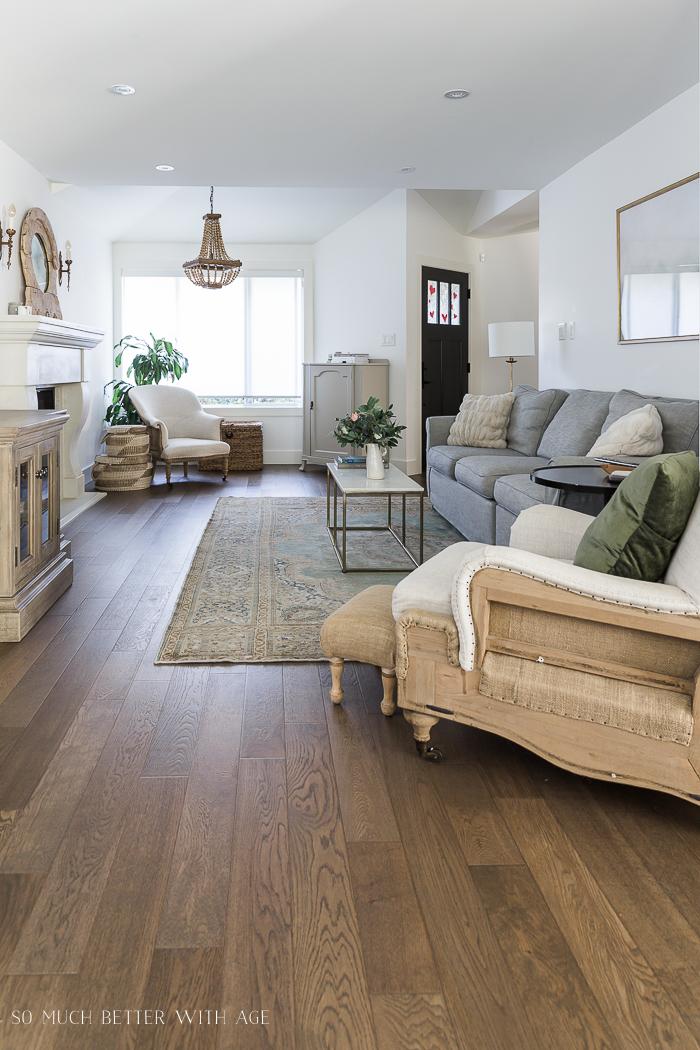
Image Source: somuchbetterwithage.com
Planning Your Long Living Room
Before you move any furniture, it’s crucial to have a clear plan. Think about how you want to use the space. Do you need an area for relaxing, one for entertaining, and perhaps a small reading nook? Sketching out your ideas on paper or using online design tools can be incredibly helpful.
Assessing Your Room’s Potential
- Measure Everything: Accurately measure the length, width, and height of your living room. Note the placement and size of windows, doors, and any architectural features like fireplaces or built-in shelving.
- Define Your Needs: Consider your lifestyle. How many people will use the room regularly? What activities will take place here? This will inform your room layout.
- Identify the Flow: How do people naturally move through the room? Ensure your design doesn’t block pathways.
Creating Zones: The Foundation of Success
One of the most effective ways to tackle a long living room is by creating zones. This means dividing the room into distinct areas, each serving a specific purpose. This breaks up the visual monotony of a long space and makes it feel more intimate and functional.
Zone Ideas for Long Living Rooms
- Conversation Zone: This is typically the main seating area.
- Entertainment Zone: Where you might place a TV and media console.
- Reading Nook: A cozy corner with a comfortable chair and good lighting.
- Play Area: If you have children, a designated space for toys.
- Workstation: A small desk if you need a home office space.
You can use furniture arrangement, floor coverings, and lighting to subtly define these zones without using physical walls.
Furniture Arrangement for Zoned Living
The way you arrange your furniture is paramount in maximizing space and defining zones. Avoid lining all furniture up against the walls, which can emphasize the room’s length. Instead, float furniture to create distinct groupings.
Creating Conversation Hubs
- Anchor with a Rug: Use a rug to define the primary seating area.
- Back-to-Back Sofas: In very long rooms, two sofas placed back-to-back can create two distinct seating areas.
- Seating Around a Central Point: Arrange sofas and chairs to face each other or around a coffee table. This encourages conversation.
Defining Other Zones
- Reading Nook Placement: Position an armchair, side table, and floor lamp in a corner.
- Entertainment Setup: Place your TV and media unit on one of the longer walls, but ensure the seating arrangement doesn’t feel like a tunnel.
Furniture Selection: Smart Choices for Long Spaces
The type and scale of your furniture play a huge role in how your long living room feels. Opt for pieces that are proportionate to the room and serve multiple functions.
Maximizing Space with Furniture
- Consider Scale: Avoid overly large, bulky furniture that can overwhelm the space. Look for pieces with slimmer profiles.
- Multi-functional Furniture: Ottomans with storage, sofa beds, and nesting tables can save space.
- Modular Sofas: These can be rearranged to fit different layouts and zones.
- Armless Chairs: These can create a sense of openness and are easier to move around.
- Slim Console Tables: Place these behind sofas or against walls to add surface area without taking up too much room.
Furniture Arrangement Examples
Here’s a table showcasing different furniture arrangement strategies for a long living room:
| Zone | Furniture Pieces | Placement Strategy |
|---|---|---|
| Main Conversation Area | Sofa, two armchairs, coffee table, side tables | Arrange sofas and chairs facing each other or in an L-shape around the coffee table. Float furniture away from walls. |
| Entertainment/TV Area | TV console, media unit, comfortable seating | Place the TV on a shorter wall or a focal point wall. Arrange seating opposite the TV, perhaps slightly angled. |
| Reading Nook/Quiet Zone | Accent chair, small side table, floor lamp | Position in a corner or near a window, separated by a rug or strategically placed plant. |
| Secondary Seating/Transition | Loveseat or two smaller chairs, a console table | Place these in the mid-section of the room to break up the length and provide additional seating or display space. |
Color Palettes and Wall Decor
Color is a powerful tool for altering the perception of space. In a long living room, you can use color to make the room feel wider or more balanced.
Making it Feel Wider with Color
- Lighter Colors: Use lighter, neutral colors on the long walls to make them appear to recede, thus widening the room.
- Accent Wall: Paint the shorter end walls in a slightly darker or bolder color to draw the eye and create a sense of depth.
- Horizontal Stripes: Subtle horizontal stripes on the walls can also create an illusion of width.
Wall Decor Strategies
Wall decor can be used to break up long expanses and add visual interest.
- Gallery Walls: A series of framed art or photos on a long wall can break it into more manageable visual sections.
- Large-Scale Art: A single, large piece of art can act as a focal point and balance the wall’s length.
- Mirrors: Strategically placed mirrors can reflect light and create the illusion of more space. Consider a large mirror on one of the long walls.
- Floating Shelves: These provide display space without adding visual bulk.
Lighting Solutions: Illuminating Every Zone
Good lighting is crucial in any room, but in a long living room, it’s essential for creating ambiance and defining different zones. A mix of lighting types is key.
Types of Lighting
- Ambient Lighting: This is the general illumination of the room, usually from overhead fixtures like ceiling lights or chandeliers.
- Task Lighting: Focused light for specific activities, such as reading lamps next to chairs or under-cabinet lighting.
- Accent Lighting: This highlights focal points, such as artwork or architectural features.
Maximizing Light
- Layer Your Lighting: Combine ambient, task, and accent lighting to create depth and mood.
- Floor and Table Lamps: Use these to illuminate corners and create cozy reading nooks.
- Wall Sconces: These can add light and decoration without taking up floor or table space.
- Dimmers: Install dimmers on your main light sources to control the ambiance.
- Natural Light: Maximize natural light by using sheer curtains or blinds that can be easily adjusted.
Floor Coverings: Defining Your Spaces
Floor coverings, like rugs, are excellent for creating zones and adding warmth and texture to your long living room.
Rug Placement Tips
- Zone Definition: Place a rug under your main seating area to anchor it. Ensure at least the front legs of your sofa and chairs sit on the rug.
- Runner Rugs: In the transitional areas or hallways within your long room, runner rugs can guide the eye and create flow.
- Layering Rugs: For a more eclectic look, you can layer a smaller, textured rug over a larger, neutral one.
- Carpet Tiles: These offer flexibility in creating custom-sized areas and can be easily replaced if damaged.
Storage Ideas: Keeping it Tidy
Storage ideas are vital for maximizing space and keeping a long living room organized and clutter-free. Clutter can make any room feel smaller and more chaotic.
Smart Storage Solutions
- Vertical Storage: Utilize wall space with tall bookshelves, shelving units, or built-in cabinets. This draws the eye upward and frees up floor space.
- Multi-functional Furniture: As mentioned earlier, ottomans with storage, coffee tables with drawers, and benches with hidden compartments are excellent choices.
- Floating Shelves: Ideal for displaying decor or storing books without the visual bulk of traditional units.
- Wall-Mounted Media Units: These keep electronics organized and off the floor.
- Baskets and Bins: Use decorative baskets to corral smaller items like remotes, magazines, or throws.
- Console Tables with Storage: Opt for console tables with drawers or shelves to provide useful storage without compromising style.
Creating Focal Points
Every well-designed room needs a focal point – something that draws the eye and anchors the design. In a long living room, you might need more than one.
Identifying and Enhancing Focal Points
- Fireplace: If you have one, make it the primary focal point. Arrange seating to face it.
- Large Window or View: Position seating to take advantage of a beautiful view.
- Statement Art: A large, striking piece of art can serve as a strong focal point.
- Media Wall: While the TV is often a focal point, a well-designed media wall with shelving and decorative elements can elevate it.
- Architectural Features: Highlight unique architectural elements with lighting or by arranging furniture around them.
Frequently Asked Questions (FAQ)
Q1: Can I put a sofa in the middle of a long living room?
Yes, absolutely! Placing a sofa in the middle of the room, often facing a perpendicular sofa or chairs, is an excellent way to break up the length and create a conversation area. This is a key strategy for creating zones.
Q2: What is the best furniture arrangement for a long, narrow living room?
The best furniture arrangement is one that divides the room into distinct zones. Avoid a single line of furniture along the long walls. Instead, create groupings that encourage interaction and balance the room’s proportions.
Q3: How can I make a long living room feel wider?
Use lighter color palettes on the long walls, strategically place mirrors, use furniture that is proportionate to the room, and avoid blocking natural light. Lighting solutions that spread light evenly also help.
Q4: Should I use one large rug or multiple rugs in a long living room?
Using multiple rugs is often more effective in a long living room. Each rug can help define a specific zone, such as the main seating area or a reading nook. This reinforces the concept of creating zones and helps with maximizing space.
Q5: What kind of wall decor works best in a long living room?
A mix of large-scale art and gallery walls can work well. Large pieces can act as focal points, while gallery walls can break up long stretches of wall into more manageable visual sections.
By implementing these strategies, you can transform a long living room from a potentially awkward space into a beautifully designed, functional, and inviting area that maximizes every inch. Remember to prioritize creating zones, smart furniture arrangement, and thoughtful lighting solutions to achieve a harmonious and stylish outcome.