
Image Source: i.ytimg.com
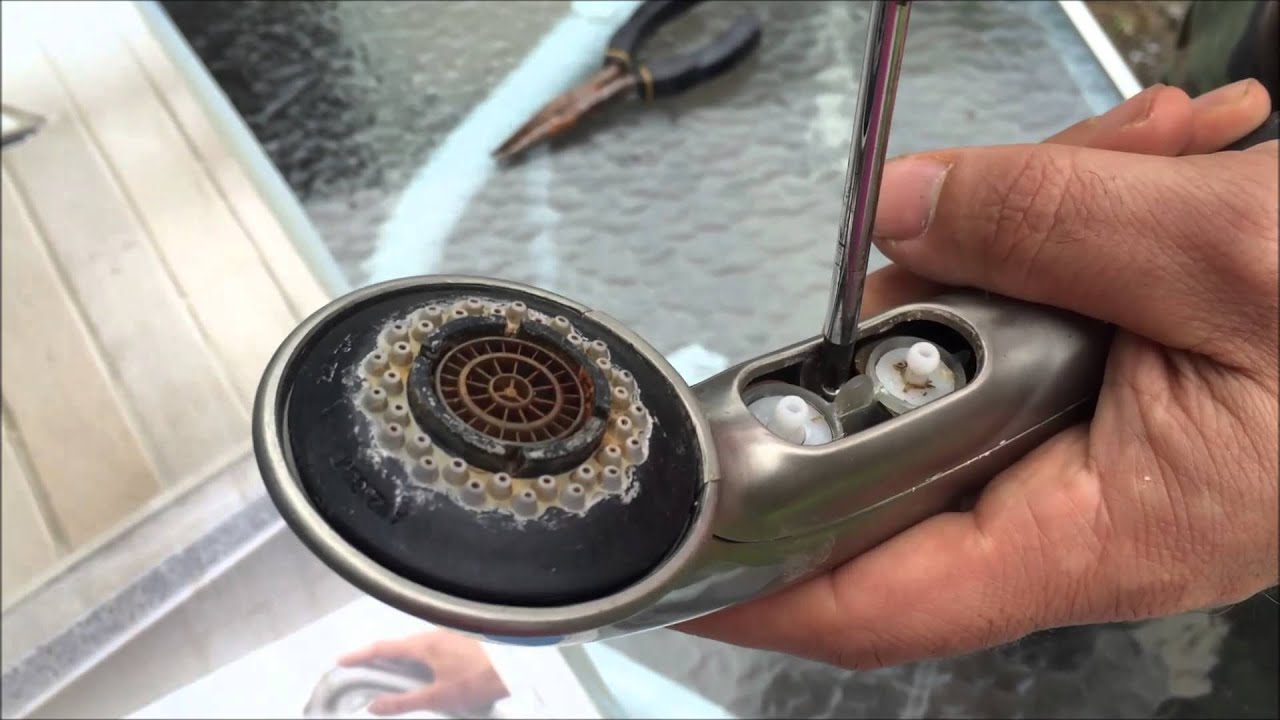
Step-by-Step: How To Disassemble Moen Kitchen Faucet
Can you disassemble a Moen kitchen faucet? Yes, you can disassemble a Moen kitchen faucet to perform repairs or maintenance. This guide will walk you through the process, helping you tackle common issues like a Moen faucet dripping fix or a Moen faucet spout removal. Whether you’re replacing a Moen faucet cartridge or simply performing routine Moen faucet maintenance, these steps will equip you with the knowledge to get the job done.
Preparing for Disassembly
Before you start taking apart your Moen kitchen faucet, proper preparation is key. This will make the process smoother and prevent potential damage to your faucet or surrounding areas.
Gathering Your Tools
Having the right tools ready is crucial for a successful Moen faucet repair. Here’s a list of common tools you’ll likely need:
- Adjustable wrench: For loosening and tightening various nuts and components.
- Phillips head screwdriver: For removing screws, often found on handle caps or escutcheons.
- Flathead screwdriver: Useful for prying off decorative caps or gently lifting components.
- Allen wrench set (hex keys): Many Moen faucet handles are secured with a small set screw that requires an Allen wrench.
- Pliers (needle-nose and standard): For gripping small parts and pulling out components.
- Plumber’s grease or silicone lubricant: To help reassemble parts smoothly and prevent future sticking.
- Clean rags or towels: To wipe away debris, excess water, and protect surfaces.
- Bucket or basin: To catch any residual water that may drain from the faucet.
- Safety glasses: To protect your eyes from any flying debris or splashing water.
Shutting Off the Water Supply
This is the most important first step. If you don’t shut off the water, you’ll be dealing with a flooded kitchen!
- Locate the shut-off valves: Typically, these are found under your sink. Look for two small knobs or levers connected to the hot and cold water lines that go up to the faucet.
- Turn the valves clockwise: Turn them firmly until they stop.
- Test the water: Turn on the faucet handles (both hot and cold) to release any remaining pressure in the lines. Ensure no water flows out.
Disassembling the Moen Faucet Handle
The handle is usually the first part you’ll need to access to get to the internal workings of your Moen faucet. The method for Moen single handle faucet disassembly can vary slightly depending on the model, but the general principle is the same.
Removing Decorative Caps
Many Moen faucet handles have a decorative cap that hides the screw holding the handle in place.
- Locate the cap: It’s usually a small, round piece on the top or front of the handle.
- Gently pry it off: Use a small flathead screwdriver or a utility knife to carefully pry the cap loose. Be gentle to avoid scratching the handle or the cap itself. Some caps might unscrew.
Removing the Handle Screw
Once the cap is removed, you’ll see a screw.
- Identify the screw type: Most commonly, it’s a Phillips head screw or an Allen screw.
- Use the appropriate screwdriver: Insert the correct screwdriver into the screw and turn it counter-clockwise to loosen and remove it. Keep the screw in a safe place so you don’t lose it.
Lifting Off the Handle
With the screw removed, the handle should now lift off.
- Gently pull upwards: Sometimes, the handle can be a bit stiff due to mineral buildup. Wiggle it gently while pulling upwards.
- Avoid excessive force: If the handle won’t budge, double-check that you’ve removed all screws and that there are no other hidden fasteners. Sometimes, a bit of plumber’s grease applied around the base can help.
Accessing and Replacing the Moen Faucet Cartridge
The cartridge is the heart of your Moen kitchen faucet and is often the culprit behind leaks or flow issues. Replacing it is a common Moen faucet repair.
Identifying the Cartridge Retaining Mechanism
After removing the handle, you’ll see the cartridge, which is usually held in place by a clip or a nut.
- Retaining Clip: Many Moen cartridges are secured by a small, horseshoe-shaped clip. You’ll need needle-nose pliers to pull this clip straight out.
- Threaded Nut: Some older or different models might have a large retaining nut that screws over the cartridge. This will require an adjustable wrench to loosen and remove it.
Removing the Cartridge
Once the retaining mechanism is out of the way, you can remove the cartridge.
- Pull straight up: Most Moen cartridges are designed to be pulled straight up and out.
- Use pliers if needed: If the cartridge is stuck, grip the stem of the cartridge with pliers and twist slightly while pulling upwards. Be careful not to damage the faucet body.
- Note the cartridge orientation: Before removing it, observe how the cartridge is seated. This will help you install the new one correctly. Some cartridges have specific notches or alignment points.
Installing the New Cartridge
This is where your Moen faucet cartridge replacement happens.
- Lubricate: Apply a thin layer of plumber’s grease or silicone lubricant to the O-rings of the new cartridge. This helps it slide in easily and creates a better seal.
- Align and insert: Make sure the new cartridge is oriented correctly. It should slide into the faucet body smoothly.
- Secure the cartridge: Reinstall the retaining clip or threaded nut. If it’s a clip, push it back into its groove until it snaps into place. If it’s a nut, screw it on by hand and then tighten it gently with an adjustable wrench. Don’t overtighten.
Addressing Moen Faucet Spout Removal
If you need to replace a leaking spout or clean the aerator located within the spout, you’ll need to know how to perform Moen faucet spout removal.
Locating the Spout Securing Mechanism
Moen faucet spouts are typically secured in one of two ways:
- Set Screw: Many modern Moen faucets have a small set screw located on the back or underside of the spout base. This screw often requires an Allen wrench to loosen.
- Decorative Collar/Nut: Some models have a decorative collar at the base of the spout that can be unscrewed by hand or with a wrench.
Removing the Spout
- Remove the set screw (if applicable): Use the appropriate Allen wrench to loosen the set screw. You don’t need to remove it completely, just loosen it enough to allow the spout to slide off.
- Unscrew the collar (if applicable): If there’s a decorative collar, grip it firmly and turn it counter-clockwise to unscrew it from the faucet body.
- Lift the spout: Once the set screw is loose or the collar is removed, the spout should lift straight up and off the faucet body. You may need to twist it slightly to break any seals.
- Check for O-rings: As you remove the spout, notice any O-rings present at the base. These O-rings are critical for preventing leaks. If they look worn or damaged, they should be replaced.
Completing the Reassembly
Putting everything back together is just as important as taking it apart.
Reassembling the Faucet
- Reverse the disassembly steps: Generally, reassembly is the reverse of the disassembly process.
- Handle installation: Place the handle back onto the cartridge stem, aligning it correctly. Reinsert and tighten the handle screw. Replace the decorative cap.
- Spout installation: If you removed the spout, slide it back into place, ensuring any O-rings are properly seated. Secure it with the set screw or decorative collar.
Testing for Leaks
After reassembly, it’s time to check your work.
- Turn the water supply back on: Slowly open the shut-off valves under the sink.
- Check for leaks: Inspect all the areas where you disassembled the faucet, particularly around the cartridge and spout base, for any signs of dripping.
- Test functionality: Operate the faucet handles to ensure smooth operation and proper water flow. Check both hot and cold water.
Understanding Moen Faucet Parts
Knowing the names of the different Moen faucet parts can make troubleshooting and repair much easier. This is essential for successful Moen faucet installation guide adherence or DIY repairs.
| Part Name | Function | Common Issues |
|---|---|---|
| Cartridge | Controls water flow and temperature mixing. | Leaks, difficulty turning handle, low pressure. |
| Handle | Lever used to operate the faucet. | Loose, stiff, or broken. |
| Spout | Delivers the water into the sink. | Leaks at the base, dripping from spout end. |
| Aerator | Screws onto the end of the spout, mixes air with water to reduce splashing. | Reduced water flow, sputtering. |
| Escutcheon | Decorative plate that covers the faucet body. | None, primarily aesthetic. |
| Set Screw | Small screw that secures the handle or spout to the faucet body. | Stripped, missing. |
| O-rings | Rubber seals that prevent water from leaking between components. | Worn, cracked, or missing, leading to leaks. |
| Mounting Nut | Secures the faucet to the sink or countertop. | Loose, causing faucet to wobble. |
Moen Faucet Troubleshooting Common Issues
Even with careful disassembly and reassembly, you might encounter lingering problems. Here are some common Moen faucet troubleshooting tips.
Moen Faucet Dripping Fix
If your Moen faucet is still dripping after replacing the cartridge, here are a few things to check:
- Cartridge Seating: Ensure the new cartridge is fully seated and the retaining clip or nut is properly secured.
- Damaged Faucet Body: In rare cases, the faucet body itself might have a crack or defect that’s causing the leak.
- Debris: Small pieces of debris caught in the cartridge seat can prevent a proper seal. Try removing the cartridge again and carefully cleaning the inside of the faucet body.
Low Water Pressure
- Aerator: Unscrew the aerator from the end of the spout and clean it. Mineral deposits are a common cause of reduced flow.
- Cartridge: A partially clogged or faulty cartridge can also restrict water flow.
- Shut-off Valves: Ensure the shut-off valves under the sink are fully open.
- Supply Lines: Check the flexible supply lines for any kinks or blockages.
Leaky Spout Base
- O-rings: The O-rings at the base of the spout are the most common cause of leaks here. Ensure they are present, properly lubricated, and not cracked or worn. Replace them if they look compromised.
- Spout Seating: Make sure the spout is seated correctly and any retaining mechanism (set screw or collar) is tight.
Moen Faucet Maintenance for Longevity
Regular Moen faucet maintenance can prevent many common issues and extend the life of your faucet.
- Clean Regularly: Wipe down your faucet with a soft, damp cloth regularly to prevent mineral buildup and maintain its shine.
- Check for Leaks: Periodically inspect your faucet for any signs of dripping or leaks. Addressing small leaks early can prevent bigger problems.
- Clean the Aerator: Unscrew and clean the aerator every few months, especially if you have hard water.
- Lubricate Moving Parts: Occasionally, a tiny bit of plumber’s grease on the cartridge stem or spout pivot can keep things moving smoothly.
Final Thoughts on Moen Faucet Disassembly
Disassembling and reassembling a Moen kitchen faucet is a manageable DIY project. By following these steps, gathering the right tools, and understanding the basic Moen faucet parts, you can effectively tackle most common repairs. Remember to always shut off the water supply before you begin. If you’re ever unsure, consulting a professional plumber is always a good option. This detailed guide should serve as a comprehensive Moen faucet installation guide for repairs and maintenance.
Frequently Asked Questions (FAQ)
Q1: How often should I replace my Moen faucet cartridge?
A: There’s no set schedule for replacing a Moen faucet cartridge. You typically replace it when you notice issues like leaks, difficulty operating the handle, or poor water flow that can’t be resolved by cleaning the aerator or checking the shut-off valves.
Q2: What if I can’t find the specific Moen faucet parts I need?
A: Your first step should be to identify your Moen faucet model. You can often find this information on the faucet itself, or by checking your purchase history or the original packaging. Once you have the model number, you can visit the Moen website or a plumbing supply store to find the correct Moen faucet parts. Many retailers also offer generic replacement parts that are compatible.
Q3: My Moen single handle faucet is very stiff to move. What should I do?
A: A stiff handle is often caused by a worn or clogged cartridge, or mineral buildup. After shutting off the water, remove the handle (following the steps above). Inspect the cartridge for any visible debris or damage. Lubricating the cartridge O-rings with plumber’s grease before reinserting it can often help. If the stiffness persists, it’s likely time for a Moen faucet cartridge replacement.
Q4: Can I use WD-40 to loosen a stuck faucet part?
A: While WD-40 can loosen some seized parts, it’s not recommended for internal faucet components, especially on O-rings or seals. WD-40 can degrade rubber over time and leave a residue that might interfere with the proper functioning of your faucet. It’s better to use a silicone-based lubricant or plumber’s grease for faucet parts.
Q5: My Moen faucet is leaking from the base of the spout. What’s the likely cause?
A: The most common cause of a leak at the base of the spout is worn or damaged O-rings. When you perform Moen faucet spout removal, carefully inspect these O-rings. If they appear flattened, cracked, or brittle, they need to be replaced. Ensure they are lubricated with plumber’s grease upon reinstallation.