
Got a tired toaster? A fridge that’s seen better days? Learning how to dispose of kitchen appliances responsibly is key to protecting our environment. You can often donate old appliances if they’re still working, or you can look into recycling kitchen appliances. For items like refrigerators, special handling is usually required due to refrigerants. When it’s time for dishwasher removal or oven disposal, there are several good options available beyond just landfill appliance disposal.
Upgrading your kitchen often means saying goodbye to old appliances. Whether it’s a bulky refrigerator, a humming dishwasher, or a trusty oven, these items eventually reach the end of their useful life. But what do you do with them? Simply tossing them in the trash isn’t ideal for the environment. This guide will walk you through the best ways to handle appliance disposal, covering everything from donating working items to proper recycling.
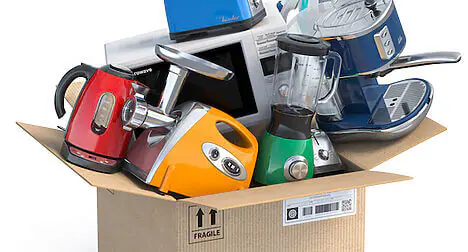
Image Source: www.recycleyourelectricals.org.uk
Why Responsible Disposal Matters
Kitchen appliances, especially older models, can contain materials that are harmful to the environment if not handled correctly. This includes refrigerants in refrigerators and freezers, as well as various metals and plastics. Improper disposal can lead to pollution of soil and water. By choosing responsible methods, you help conserve resources and reduce waste.
Environmental Impact of Improper Disposal
- Harmful Chemicals: Refrigerators and air conditioners contain refrigerants like Freon, which can damage the ozone layer and contribute to global warming if released into the atmosphere.
- Resource Waste: Appliances are made of valuable materials like steel, copper, aluminum, and plastic. Throwing them away means these materials are lost and new ones must be mined or manufactured, using more energy and resources.
- Landfill Burden: Large appliances take up significant space in landfills. They can also leach harmful substances into the ground over time.
Options for Getting Rid of Old Kitchen Appliances
When it’s time for old appliance pickup, you have several choices. Each has its own benefits, and the best option often depends on the appliance’s condition and your location.
1. Donating Kitchen Appliances
If your appliance still works, donating it is a fantastic way to give it a new life and help someone in need.
Where to Donate
- Local Charities and Shelters: Many organizations accept working appliances. Contact your local Habitat for Humanity ReStore, Salvation Army, or Goodwill branches to see if they accept kitchen appliances.
- Community Centers and Non-profits: Some community organizations or religious institutions might need appliances for their facilities or for families they support.
- Online Marketplaces: Platforms like Craigslist, Facebook Marketplace, or Freecycle are great for offering working appliances to people in your community for free or a small fee.
What to Consider Before Donating
- Working Condition: Only donate appliances that are fully functional.
- Cleanliness: Ensure the appliance is clean and free of food debris.
- Transportation: You’ll likely need to arrange for transportation of the appliance to the donation center. Some charities offer pickup services, but this is not always guaranteed.
2. Selling Appliances
If your appliance is in good working order and perhaps a bit newer, selling it can put some extra cash in your pocket.
Where to Sell
- Online Platforms: As mentioned above, Craigslist, Facebook Marketplace, and eBay are popular choices.
- Appliance Retailers: Some retailers might offer trade-in programs for older appliances when you purchase a new one.
- Local Classifieds: Local newspapers or community boards can also be effective.
Tips for Selling
- Take Good Photos: Clear, well-lit photos from multiple angles are essential.
- Accurate Description: Be honest about the appliance’s condition, age, and any known issues.
- Set a Fair Price: Research similar appliances to determine a competitive price.
- Safety First: When meeting buyers, prioritize safety. Meet in a public place if possible, or have someone with you.
3. Recycling Kitchen Appliances
Recycling kitchen appliances is the most environmentally sound option for non-working or irreparable units. This process ensures that valuable materials are recovered and hazardous components are handled safely.
Why Recycling is Crucial
- Material Recovery: Appliances are rich in metals like steel, copper, and aluminum, which can be melted down and reused.
- Hazardous Waste Management: Refrigerators and freezers contain refrigerants and oils that need to be carefully removed and disposed of according to regulations. E-waste recycling facilities are equipped for this.
- Reduces Landfill Waste: Diverting appliances from landfills conserves space and prevents potential pollution.
How to Recycle Appliances
- Local Recycling Centers: Many municipal or county recycling centers accept large appliances. Check their websites or call ahead to confirm what they accept and if there are any fees.
- Scrap Metal Yards: Some scrap metal yards will take appliances, especially if they are primarily metal. They may even pay you for the metal content.
- Appliance Retailers: When you buy a new appliance, the retailer often offers haul-away services for your old one. This is usually a convenient option, though there might be a fee.
- Appliance Disposal Services: Specialized appliance disposal services are available in many areas. These companies focus on the safe removal and recycling of old appliances.
4. Utilizing Appliance Disposal Services
If you need a convenient way to get rid of a bulky or non-working appliance, appliance disposal services are an excellent choice.
What They Offer
- Convenient Pickup: These services will come to your home and haul away your old appliances. This is particularly helpful for heavy items like refrigerators or ovens.
- Responsible Disposal: Reputable services ensure that appliances are disposed of or recycled according to environmental regulations. This often includes the proper handling of refrigerants.
- Efficiency: They are equipped to handle multiple appliances or large items, making the process quick and hassle-free.
Finding a Service
- Online Search: Use search terms like “appliance removal near me” or “old appliance pickup.”
- Local Haulers: Many junk removal companies also offer appliance disposal as part of their services.
- Check Reviews: Look for services with positive reviews and a commitment to eco-friendly practices.
Specific Appliance Disposal Considerations
Different kitchen appliances have unique disposal needs.
Refrigerator Disposal
What is the proper way to dispose of a refrigerator? The proper way to dispose of a refrigerator involves ensuring that the refrigerants and oils are removed by certified technicians before the unit is scrapped or recycled.
- Refrigerants: Refrigerators and freezers contain refrigerants that are harmful to the environment if released. It is illegal in many places to vent these into the atmosphere.
- Certified Removal: Only professionals certified to handle refrigerants should remove them. This is typically done by appliance disposal services, scrap metal yards with proper certifications, or sometimes appliance retailers offering haul-away.
- Recycling: Once the hazardous components are removed, the metal and plastic parts of the refrigerator can be recycled.
Microwave Disposal
Can I throw a microwave in the regular trash? While some municipalities might allow it, it’s generally not recommended. Microwaves contain electronic components and potentially hazardous materials, making them a form of e-waste.
- E-waste Recycling: Microwaves are considered electronic waste (e-waste). They should be taken to designated e-waste recycling centers or collection events.
- Hazardous Components: They contain circuit boards, capacitors, and other electronic parts that can be harmful if not disposed of properly.
Oven Disposal
How is oven removal typically handled? Oven removal usually involves careful disconnection by a qualified individual, and then the appliance can be taken for scrap metal recycling or to a municipal waste facility that accepts large appliances.
- Gas vs. Electric: Ensure gas ovens are properly disconnected from the gas line by a professional. Electric ovens need to be safely unplugged.
- Weight: Ovens can be very heavy, so having help for moving is often necessary.
- Recycling: Like other large appliances, ovens are largely made of metal and are good candidates for scrap metal recycling.
Dishwasher Removal
What are the steps for dishwasher removal? Dishwasher removal involves shutting off the water and power supply, disconnecting plumbing and electrical connections, and then physically removing the unit from its space.
- Water and Power: Before starting, turn off the water supply valve and the circuit breaker for the dishwasher.
- Connections: Disconnect the water supply line, drain hose, and electrical wiring. Be prepared for residual water.
- Recycling Options: Once removed, dishwashers can often be taken to recycling centers or scrap yards, similar to ovens.
Washing Machine and Dryer Disposal
While not strictly kitchen appliances, these are often found in homes and follow similar disposal patterns.
- Water and Drainage: Disconnect water hoses and drain any residual water from the machine.
- Electrical: Unplug the appliance from the power outlet.
- Recycling: Washing machines and dryers contain valuable metal components suitable for scrap recycling.
Preparing Appliances for Disposal
No matter how you choose to dispose of your appliance, a little preparation goes a long way.
Cleaning
- Empty Thoroughly: Remove all food, liquids, and debris. For refrigerators and freezers, defrosting is essential.
- Wipe Down: Give the appliance a good wipe-down to make it more pleasant for whoever handles it next, whether it’s a charity, a recycler, or a disposal service.
Disconnection (if applicable)
- Refrigerators/Freezers: Ensure they are unplugged and have had time to defrost.
- Ovens/Stoves: Gas lines must be safely disconnected by a professional. Electric units should be unplugged.
- Dishwashers/Washing Machines: Water and drainage lines need to be disconnected. Electrical connections must be secured.
Transportation
- Heavy Lifting: Many appliances are heavy and awkward. Use a dolly, straps, or enlist help from friends or family.
- Secure for Transport: If you’re transporting it yourself to a recycling center or scrap yard, secure it properly in your vehicle to prevent shifting or damage.
Landfill Appliance Disposal: The Last Resort
Landfill appliance disposal should be your absolute last resort. It’s the least environmentally friendly option and is often discouraged or even prohibited by local regulations for large appliances.
When is Landfill the Only Option?
- No Local Recycling: In very rare cases, if no recycling facilities or haul-away services are available in your area.
- Severely Damaged/Contaminated: If an appliance is so damaged or contaminated that it cannot be safely handled by recycling facilities (though this is uncommon).
How to Arrange for Landfill Disposal
- Check Local Regulations: Contact your local waste management authority. They will inform you about rules regarding appliance disposal, any associated fees, and designated drop-off locations or special pickup days.
- Bulky Item Pickup: Many municipalities offer a special bulky item pickup service for large items like appliances, but these may have specific schedules and require advance notice.
Frequently Asked Questions (FAQ)
Q1: Can I just leave my old appliance on the curb for pickup?
A1: This depends entirely on your local municipality. Some areas have specific “bulky item” pickup days for appliances, while others prohibit it. Always check with your local waste management services first. Leaving an appliance on the curb without authorization can result in fines.
Q2: How much does it cost to dispose of a kitchen appliance?
A2: Costs can vary widely. Donating or selling working appliances is usually free. Recycling at a municipal center may have a small fee or be free. Using a professional appliance disposal service can range from $50 to $200 or more, depending on the appliance type, location, and service. Retailer haul-away services often have a fee built into the purchase of a new appliance.
Q3: What happens to appliances that are recycled?
A3: Recyclers first safely remove any hazardous materials like refrigerants and oils. Then, they break down the appliances. Metals like steel, copper, and aluminum are separated, smelted, and reused. Plastics and glass are also processed for recycling.
Q4: Do I need to remove doors from refrigerators before disposal?
A4: Yes, in many areas, it is a safety requirement to remove refrigerator doors. This is to prevent children from getting trapped inside if the appliance is discarded improperly. Check your local regulations.
Q5: I bought a new refrigerator. Will the store take my old one?
A5: Most appliance retailers offer haul-away services for your old appliance when you purchase a new one. This is often the most convenient option. There might be a fee associated with this service, so inquire when you make your purchase.
By following these guidelines, you can ensure that your old kitchen appliances are disposed of in a way that is safe, responsible, and beneficial to the environment. Whether you’re looking for appliance disposal services, researching how to recycle kitchen appliances, or considering donating kitchen appliances, there’s a sustainable option for every situation.