
Can you divide a living room into two rooms? Yes, you absolutely can divide a living room into two distinct areas, transforming a large, open space into more functional zones. This guide will explore various methods for achieving this, from simple furniture arrangements to more permanent solutions, helping you unlock the full potential of your home.
Dividing a large room can feel like a daunting task, but it’s surprisingly achievable with the right approach. Whether you’re looking to create a dedicated home office, a cozy reading nook, a play area for children, or simply a more defined living space, there are numerous ways to achieve this without resorting to major construction. This article will delve into the art of zoning a living room and how to effectively create separate spaces within a single, expansive area.
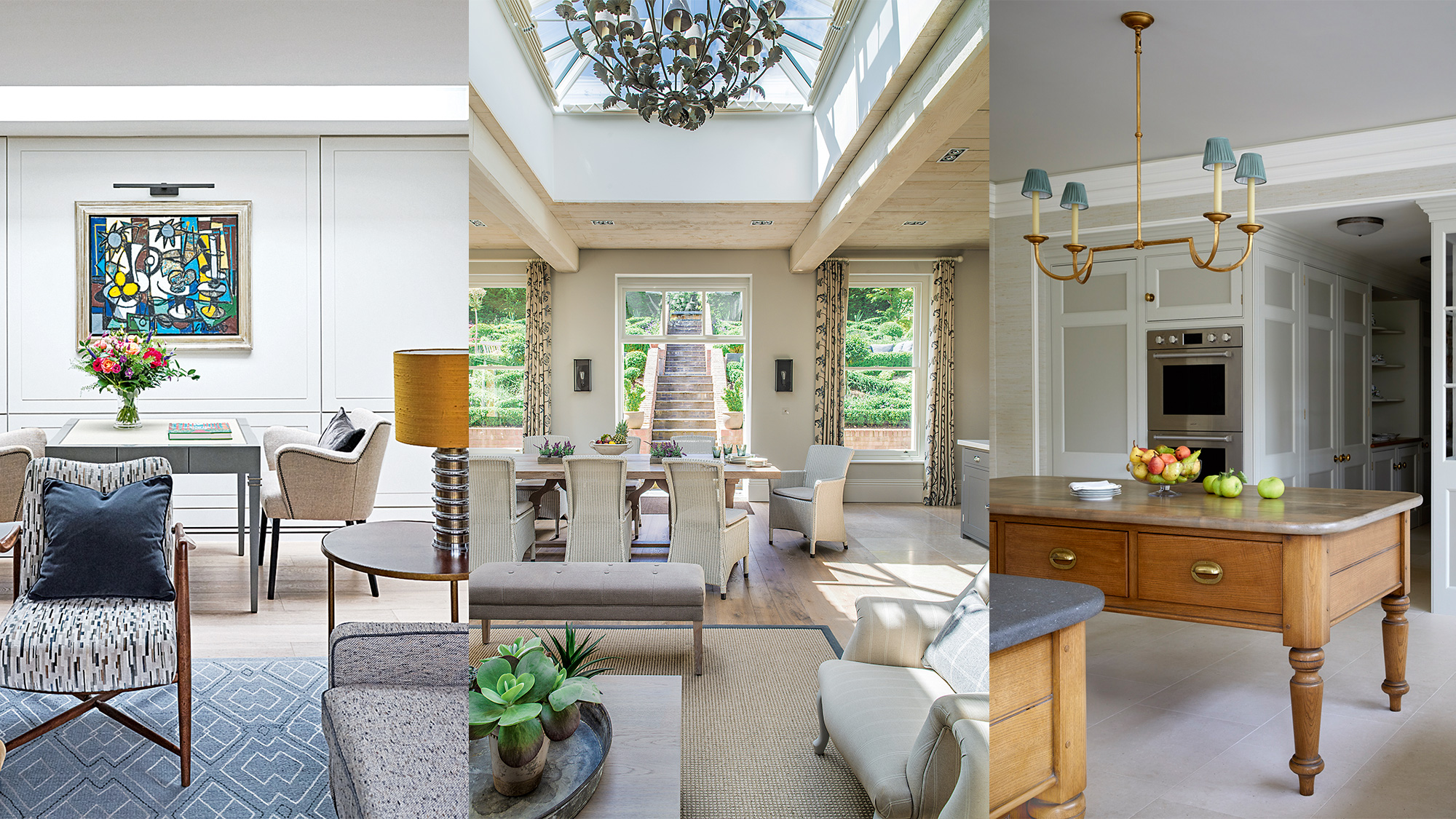
Image Source: cdn.mos.cms.futurecdn.net
Why Divide Your Living Room?
The desire to divide a living room often stems from a need for greater functionality and organization in our homes. Large, open-plan living rooms, while often stylish, can sometimes lack definition and feel a bit overwhelming.
Here are some common reasons people choose to divide their living rooms:
- Home Office Needs: With the rise of remote work, a dedicated workspace is essential. Dividing a living room can provide a quiet, focused area for work without disrupting the main living space.
- Children’s Play Area: Creating a safe and contained zone for children’s toys and activities keeps the main living area tidy and allows parents to supervise easily.
- Hobbies and Passions: Whether it’s a craft room, a music studio, or a gaming den, dividing the space can provide a personal retreat for your favorite pastimes.
- Entertaining: A divided living room can offer different atmospheres. You might have a more formal seating area and a casual gathering spot, catering to various social needs.
- Privacy: If multiple people share a living space, dividing it can offer a sense of personal territory and reduce noise distractions.
- Aesthetic Appeal: Defined zones can add visual interest and a sense of order to a large room, making it feel more intentional and less like a single, undifferentiated expanse.
Clever Ways to Divide a Living Room
There are many creative and practical ways to divide a large room into two or more distinct areas. These methods range from completely temporary solutions to more semi-permanent fixtures, allowing you to choose what best suits your needs, budget, and commitment level.
1. Furniture Placement: The Art of Strategic Zoning
Furniture placement for division is one of the most accessible and adaptable methods for zoning a living room. By thoughtfully arranging your existing furniture, you can create natural visual and physical barriers.
- The Sofa as a Divider: A sofa can act as a significant anchor for a division. Place a sofa with its back to the area you want to separate. This creates a clear boundary and defines the two zones. You can place a console table or a slim bookshelf behind the sofa for additional surface area and to reinforce the division.
- Bookcases and Shelving Units: Tall or wide bookcases and open shelving units are excellent for visual separation. They allow light to pass through, preventing the room from feeling too enclosed, while still clearly defining the two areas. Consider placing them perpendicular to a wall to create a more solid division.
- Console Tables and Desks: A long console table against the back of a sofa or a desk placed perpendicular to a wall can subtly divide a space. These are great for creating a workspace or a display area.
- Chairs and Accent Seating: Arranging chairs can also delineate zones. For instance, placing two accent chairs facing each other can create a conversation nook, separate from the main sofa arrangement.
- Room Dividers: As we’ll discuss further, dedicated room dividers are specifically designed for this purpose and can be incorporated into your furniture layout.
Table 1: Furniture Placement Strategies for Room Division
| Furniture Item | How it Divides | Best For |
|---|---|---|
| Sofa | Back to the secondary area creates a clear visual and physical barrier. | Defining a living area from a dining or workspace. |
| Bookcase/Shelving | Acts as a visual screen, allowing light and some visibility. | Creating distinct zones while maintaining an open feel. |
| Console Table | Placed behind a sofa or as a standalone piece to mark a transition. | Adding functionality (display/storage) and a subtle division. |
| Desk | Placed perpendicular to a wall or sofa to create a dedicated workspace. | Home office setups within a larger living area. |
| Accent Chairs | Arranged to create intimate seating zones within the larger space. | Defining conversation areas or hobby nooks. |
2. Utilizing Screens and Room Dividers
Room dividers are purpose-built solutions for converting a space and creating separation. They offer flexibility and can be as simple or as decorative as you like.
- Folding Screens: These are classic and versatile. Available in various materials like wood, fabric, bamboo, and metal, folding screens can be easily moved, folded, and stored. They offer a good level of visual separation without being permanent.
- Freestanding Panels: Similar to folding screens but often with a more modern or architectural design, freestanding panels can be made from a variety of materials, including fabric, wood, or even translucent acrylic. Some are designed to be anchored to the floor for added stability.
- Hanging Curtains: A simple and effective way to divide a room is by hanging heavy curtains from the ceiling or a curtain rod. This provides a soft visual separation and can also help with acoustics. Choose fabrics that complement your decor.
- Shoji Screens: These traditional Japanese screens offer a beautiful, translucent way to divide a space, allowing natural light to filter through. They add a touch of elegance and tranquility.
- Pegboard Dividers: For a more modern and DIY approach, pegboards can be used as room dividers. They offer a functional surface for storage and display while providing a degree of separation.
3. Partition Walls: The More Permanent Solution
If you’re looking for a more solid and permanent division, partition walls are the way to go. These can range from simple drywall constructions to more decorative and functional options.
- Drywall Partitions: These are essentially temporary or semi-permanent walls constructed from wooden studs and covered with drywall. They can be painted to match existing walls and provide complete visual and sound separation. They are a great option for creating a true “room within a room.”
- Sliding Doors: Installing sliding doors, whether barn doors, pocket doors, or glass sliders, can offer flexible division. When open, they maintain the open-plan feel, and when closed, they create separate spaces.
- Glass or Acrylic Panels: For a contemporary look, consider installing glass or acrylic panels. These offer excellent visual separation while still allowing light to flow freely, making the overall space feel larger and brighter. Frosted glass can offer more privacy.
- Open Shelving as a Wall: While mentioned under furniture, substantial open shelving units can be so large and well-placed that they essentially function as a partition wall. They offer open access and display space between the two zones.
- Half-Walls or Dividers: A low wall or a half-height divider can define a space without completely closing it off. This can be useful for creating a cozy nook or separating a dining area from a living space.
4. DIY Room Division Ideas
For the creative and budget-conscious, DIY room division offers a rewarding way to customize your living space.
- Repurposed Doors: Old doors, perhaps salvaged from a renovation, can be painted and used as freestanding room dividers. Attach hinges to connect multiple doors for a wider span.
- Pallet Wood Walls: Create a rustic or industrial look by building a partition wall from pallet wood. This requires some woodworking skills but can be a striking feature.
- Ladder Shelving: Leaning ladder shelves against a wall and using them for storage and display can create a subtle division.
- Large Plants and Planters: Grouping large potted plants can create a natural, breathable visual separation. Use planters with wheels for easy rearrangement.
- Room Divider Screens from Fabric: Sew or stretch fabric over wooden frames to create your own custom fabric screens. This is a cost-effective and highly customizable option.
Fathoming the Flow: Design Considerations for Divided Living Rooms
When dividing a living room, it’s crucial to consider how the two new spaces will interact and how the overall flow of your home will be affected.
Creating a Cohesive Look
Even though you are creating separate zones, it’s important that they feel connected to the rest of your home and to each other.
- Consistent Color Palette: Use similar colors or a complementary color scheme in both zones to maintain a sense of unity.
- Shared Flooring: Ideally, the flooring should be consistent across both divided areas. If you need to create a transition, use a rug to bridge the gap.
- Matching Decor Elements: Incorporate similar decorative styles, materials, or accent pieces in both zones to tie them together.
- Lighting: Ensure adequate and appropriate lighting in both areas. Consider how the lighting in one zone might affect the other.
Maintaining Light and Airflow
One of the biggest concerns when dividing a room is blocking natural light and hindering airflow.
- Translucent Materials: Opt for materials like frosted glass, acrylic, or sheer curtains for room dividers if light is a significant concern.
- Open Shelving: As mentioned, open shelves allow light to pass through and create a less imposing barrier.
- Strategic Placement: Position your dividers so they don’t block the main sources of natural light, like windows.
- Ventilation: Ensure that your division method doesn’t impede the natural circulation of air in your home.
Functionality and Purpose of Each Zone
Clearly define the purpose of each new space before you begin dividing.
- What activities will take place in each zone? (e.g., work, relaxation, dining, play)
- What furniture is essential for each zone?
- How will you transition between the two zones?
- What level of privacy is required for each zone?
Scale and Proportion
The size of your dividing element should be proportionate to the size of the room.
- For very large rooms, you might need a more substantial divider or a combination of methods.
- For smaller large rooms, a lighter, more open divider might be more suitable.
- Consider the height of your partition walls or dividers. A full-height wall will create a more distinct separation, while a lower divider can maintain a sense of openness.
Deciphering the Best Method for Your Space
The ideal method for dividing your living room depends on several factors: your budget, the desired permanence, the style of your home, and your practical needs.
Temporary Solutions (Ideal for Renters or Flexibility)
If you need temporary room solutions or are a renter, opt for methods that can be easily installed and removed.
- Furniture Placement: Highly flexible and requires no installation.
- Folding Screens: Easy to set up, move, and store.
- Hanging Curtains: Can be installed with tension rods or temporary curtain rods.
- Freestanding Panels: Similar to screens, these can be repositioned or removed.
- Large Plants: Entirely movable and can be rearranged as needed.
Semi-Permanent Solutions (For More Defined Spaces)
These options offer a more substantial division but can still be altered or removed with a bit more effort.
- Sliding Doors: While an installation, they offer flexibility as they can be opened to merge spaces.
- Open Shelving Units: Can be dismantled and moved, though they are heavier.
- Pegboard Dividers: Relatively easy to assemble and disassemble.
Permanent Solutions (For a Truly Converted Space)
If you’re a homeowner and want a lasting change, consider these options.
- Drywall Partitions: These create a solid, room-like division.
- Glass or Acrylic Panels: Offer a fixed, sophisticated division.
- Half-Walls or Built-in Dividers: These are integrated into the room’s structure.
Practical Examples of Dividing a Living Room
Let’s look at some real-world scenarios of how you can divide a living room.
Scenario 1: Creating a Home Office Nook
Goal: To create a quiet workspace within a large living room without sacrificing too much of the main living area.
Method:
- Placement: Position a large, open bookcase perpendicular to a wall, creating a partial division.
- Desk: Place a slim desk against the wall behind the bookcase.
- Seating: Use a comfortable desk chair.
- Visual Separation: The open bookcase provides a degree of visual separation while allowing light to pass. You could also add a plant on top of the bookcase for extra screening.
- Optional: Add a rug under the desk and chair to define the workspace further.
Scenario 2: Separating a Play Area from a Formal Living Space
Goal: To contain children’s toys and activities while maintaining a sophisticated living area.
Method:
- Placement: Use a tall, sturdy bookshelf or a modular shelving unit as a room divider.
- Curtain: Hang a thick, decorative curtain from a ceiling track behind the shelving unit for complete visual separation when desired.
- Furniture: In the play area, use child-friendly storage bins and a soft rug. In the living area, arrange sofas and chairs as usual.
- Flexibility: The curtain can be drawn to hide the play area or opened to integrate the spaces when needed.
Scenario 3: Establishing a Dining Area in a Large Living Room
Goal: To define a dining space within an expansive living room.
Method:
- Placement: Use a buffet table or a console table behind your main sofa to act as a divider.
- Chairs: Arrange dining chairs on the other side of the buffet table, facing the dining area.
- Lighting: Hang a pendant light over the dining table to clearly mark the zone.
- Rug: A rug under the dining table can further define the space.
- Visual Separation: The buffet table provides a functional and aesthetic division.
Frequently Asked Questions (FAQ)
Q1: What is the easiest way to divide a living room?
The easiest way is often through careful furniture placement. Arranging your sofa with its back to the area you want to separate, or using bookcases and console tables, requires no installation and can be easily changed.
Q2: Can I divide my living room without building walls?
Yes, absolutely! You have many options such as room dividers, folding screens, hanging curtains, strategically placed furniture, and large plants to create separate spaces without permanent construction.
Q3: How do I divide a living room if I’m renting?
For renters, focus on temporary room solutions. This includes furniture arrangements, freestanding screens, hanging curtains with tension rods, and movable shelving units. Avoid anything that permanently alters the structure of the room.
Q4: Will dividing my living room make it feel smaller?
It can, depending on the method. Using opaque partition walls will make the room feel more divided and potentially smaller. However, using translucent materials, open shelving, or strategic furniture placement can provide visual separation without making the space feel cramped.
Q5: How can I maximize natural light when dividing a room?
Choose dividing elements that allow light to pass through, such as open-backed bookshelves, glass panels, screens made of cane or fabric, or hanging sheer curtains. Position your dividers so they don’t block main windows.
Q6: What are some stylish ways to divide a living room?
Stylish options include decorative folding screens, modern freestanding panels, sliding barn doors, sophisticated glass partitions, or even artistic arrangements of tall plants in decorative planters. The key is to match the style of your divider to your overall home decor.
By implementing these strategies, you can effectively transform your living room, converting a space into two more functional and enjoyable areas. Remember to prioritize your needs and choose the method that best aligns with your lifestyle and design preferences for a truly magical use of your living room.