
Can you divide a kitchen from a living room without building walls? Yes, you absolutely can! Modern interior design offers many clever and stylish ways to achieve space separation in your home, especially in open concept living spaces. This blog post explores easy and effective solutions to create distinct zones for your kitchen and living areas, transforming your home’s functionality and aesthetics. Whether you live in a small apartment layout or a larger house, these interior design ideas will help you redefine your space.
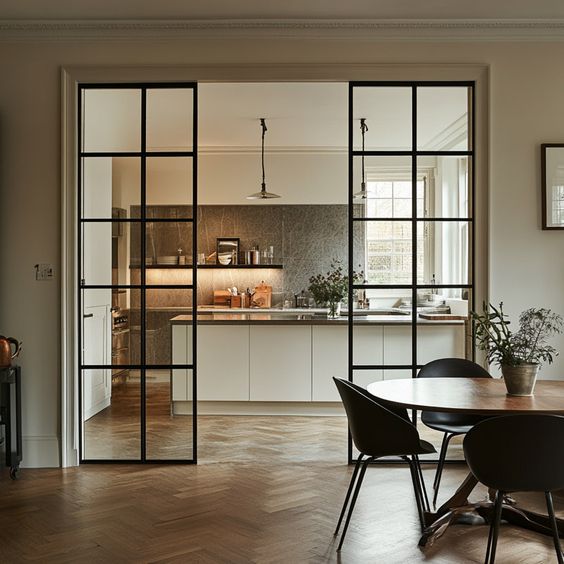
Image Source: andorwillow.com
Creating Zones: The Art of Space Separation
In many homes today, open concept living is a popular choice, blending the kitchen, dining, and living areas into one cohesive space. While this offers a sense of spaciousness and encourages interaction, it can sometimes lack definition. Clearly dividing your kitchen from your living room can enhance both kitchen design and living room design, offering practical benefits like noise reduction, improved functionality, and a more organized feel. This is where strategic room dividers and clever furniture placement come into play.
Why Define Your Zones?
- Functionality: A clear separation can prevent kitchen aromas and cooking sounds from overwhelming your relaxation space. It also makes it easier to keep cooking mess out of sight when entertaining.
- Aesthetics: Defined zones can enhance the overall living room design and kitchen design, allowing each area to have its own distinct style and purpose without clashing.
- Organization: It helps in creating a sense of order, making it easier to keep each area tidy and designated for its intended use.
- Privacy: Even subtle divisions can offer a degree of visual and acoustic privacy, making your living room a more peaceful retreat.
Easy Room Dividers: Stylish Solutions for Space Separation
When we talk about dividing spaces, the first thing that comes to mind might be a full wall. However, there are many less intrusive and often more stylish room dividers that can achieve the same goal. These solutions offer flexibility and can be adapted to suit various decor styles and space requirements.
1. The Versatile Bookshelf or Cabinet
Furniture placement can be a powerful room divider. A tall bookshelf or a strategically placed cabinet can act as a significant visual barrier between your kitchen and living room.
-
Advantages:
- Multifunctional: Offers valuable storage and display space for books, plants, decor, and even kitchen essentials.
- Customizable: You can choose open-back shelves to allow light to pass through, creating a more airy feel, or closed-back units for greater privacy.
- Adjustable: Can be moved or reconfigured if your needs change.
- Aesthetic Appeal: Adds a decorative element to your living room design.
-
Tips for Placement:
- Position a wider unit perpendicular to a wall to create a more solid divide.
- Consider a unit that is accessible from both sides for added convenience.
- Fill it with items that add color and texture, enhancing the living room design.
- For a lighter feel, opt for a unit with fewer shelves or open sides.
This is an excellent option for a small apartment layout where every piece of furniture needs to serve multiple purposes.
2. The Elegant Screen Divider
Freestanding screen dividers are a classic and adaptable solution for creating space separation. Available in various materials, styles, and heights, they can be folded and stored away when not in use, offering ultimate flexibility.
-
Types of Screen Dividers:
- Folding Screens: Typically made of wood, fabric, or woven materials, these are lightweight and easy to move. They often feature intricate patterns or simple, modern designs.
- Panel Screens: These offer a more solid and contemporary look, often made from materials like frosted glass, wood panels, or even metal.
- Hanging Screens: Fabric panels or decorative screens that hang from the ceiling can create a softer, more ethereal division.
-
Considerations:
- Height: Choose a height that provides the desired level of privacy without making the space feel cramped.
- Material: Select a material that complements your living room design and kitchen design. Translucent materials can allow light to pass through, maintaining an open feel.
- Stability: Ensure the screen is stable, especially if you have children or pets.
Screen dividers are fantastic interior design ideas for those who want a non-permanent and easily adjustable solution.
3. The Living Green Wall or Tall Plant Arrangement
Nature can be a beautiful room divider! A collection of tall plants or a dedicated green wall can soften the separation and add a breath of fresh air to your open concept living space.
-
Benefits:
- Air Purification: Plants contribute to better air quality.
- Aesthetic Appeal: Adds color, life, and a natural element to your decor.
- Softer Divide: Creates a gentle visual barrier without feeling imposing.
- Customizable: You can arrange plants of varying heights to create a staggered or layered effect.
-
Implementation:
- Tall Potted Plants: Place large floor plants like Fiddle Leaf Figs or Snake Plants in strategic locations.
- Plant Stands: Use tiered plant stands to create a more structured green display.
- Vertical Planters: Install wall-mounted planters for a striking green wall effect.
- Terrariums: Smaller arrangements can be placed on console tables or low shelves for a subtle division.
This is a particularly effective approach for interior design ideas aiming for a natural and calming atmosphere.
4. The Area Rug Strategy
While not a physical barrier, a well-placed area rug can be a highly effective visual barrier and a simple way to define distinct zones.
-
How it Works:
- Place one rug in the living room area to anchor your seating arrangement.
- Use a different rug (or no rug) in the kitchen or dining area.
- The contrast in texture, color, or pattern signals a change in function.
-
Tips for Success:
- Ensure the living room rug is large enough to encompass the main furniture pieces (sofa, chairs, coffee table).
- The kitchen area can have a durable, easy-to-clean rug or a runner.
- The rug’s design can subtly complement both kitchen design and living room design.
This is an especially useful technique for small apartment layout solutions as it adds visual interest without taking up physical space.
5. The Sofa as a Divider
Strategic furniture placement is key. Placing your sofa with its back to the kitchen area can create a natural and functional divide.
-
Placement Ideas:
- Position the sofa in the middle of the room, facing the living area, with its back creating a soft boundary.
- You can then place a console table or a low bookshelf behind the sofa to further define the space separation and add utility.
-
Enhancements:
- A throw blanket or decorative pillows on the sofa can add warmth and style to the living room design.
- The back of the sofa can be a canvas for adding decorative items if it faces the kitchen.
This is a highly practical solution for creating distinct zones without adding any extra furniture or permanent fixtures.
6. The Dining Table as a Transitional Element
The dining table itself can act as a natural transition between the kitchen and the living room.
- Positioning: Place the dining table between the kitchen prep area and the living room seating area.
- Functionality: It serves as a multifunctional space – a place to eat, work, or gather, bridging the two zones.
- Aesthetics: The choice of dining table, chairs, and a centerpiece can tie together the overall interior design ideas.
This approach naturally segments the open concept living space, providing a clear delineation of purpose.
7. The Kitchen Island or Peninsula
If your layout allows, a kitchen island or peninsula is arguably the most popular and functional way to divide a kitchen from a living area.
-
Benefits:
- Work Surface: Provides extra prep space and often a breakfast bar.
- Storage: Offers valuable cabinet and drawer storage.
- Social Hub: Creates a casual gathering spot for family and friends.
- Clear Divide: Acts as a substantial visual barrier and functional divider.
-
Design Considerations:
- Size and Shape: Choose a size that fits your space and allows for comfortable movement.
- Height: Consider varying heights for prep areas and seating.
- Materials: Select countertop and cabinet materials that complement your kitchen design and living room design.
This is a prime example of how kitchen design can integrate seamlessly with living room design in an open concept living environment.
8. The Sliding Door or Room Divider System
For a more intentional and adjustable space separation, consider sliding doors or specialized room divider systems.
-
Types:
- Barn Doors: A rustic and stylish option that slides along an external track.
- Pocket Doors: Doors that slide into a hidden cavity in the wall, offering complete concealment.
- Sliding Glass or Frosted Glass Panels: These can provide a visual barrier while allowing light to pass through, maintaining a sense of openness.
- Customizable Panel Systems: These can be made from various materials and configured to fit specific openings.
-
Advantages:
- Flexibility: Can be opened or closed as needed for varying degrees of separation.
- Aesthetics: Adds a modern or classic architectural element.
- Sound Dampening: Can offer better sound insulation than other methods.
These systems are excellent interior design ideas for those who want both separation and the ability to connect the spaces easily.
9. The Ceiling Treatment or Lighting
Subtle changes in ceiling treatment or lighting can also signal a shift between zones.
- Ceiling:
- Dropped Ceiling: A slight drop in ceiling height can visually demarcate the living area.
- Different Finishes: Using a different paint color, wood paneling, or even textured wallpaper on the ceiling above one zone can create a subtle separation.
- Lighting:
- Pendant Lights: Hanging pendant lights over a kitchen island or dining table clearly define that zone.
- Recessed Lighting: Different arrangements of recessed lights can highlight specific areas.
- Task Lighting: Focused lighting in the kitchen for functionality, contrasted with softer ambient lighting in the living room.
These methods are excellent for adding depth and interest to your living room design and kitchen design without any physical barriers.
10. The Foldable or Movable Wall
For ultimate flexibility, consider foldable or movable walls that can be deployed when needed.
-
Options:
- Accordion Doors: These concertina-style doors fold neatly to the side when open.
- Movable Partitions: Freestanding panels that can be wheeled into place.
-
Applications:
- Ideal for larger spaces or for when you need to completely separate the areas for noise control or to hide kitchen activity.
- These are great multifunctional spaces solutions.
These are significant interior design ideas that offer excellent space separation when required.
Practical Tips for Implementing Your Divider
Regardless of the method you choose, consider these practical tips to ensure your space separation is both effective and aesthetically pleasing.
Considerations for Small Apartment Layouts
In a small apartment layout, every decision about furniture placement and space separation is crucial.
* Prioritize Multifunctionality: Choose room dividers that also offer storage or serve another purpose. Bookshelves, consoles behind sofas, and ottomans with storage are excellent choices.
* Embrace Visual Tricks: Use mirrors, light colors, and open-backed furniture to keep the space feeling open and airy.
* Opt for Lighter Dividers: Avoid heavy, solid dividers that can make a small space feel even smaller. Think screens, plants, or strategically placed furniture.
* Leverage Vertical Space: Tall, narrow bookshelves or hanging elements can draw the eye upwards, creating an illusion of more height.
Harmonizing Kitchen Design and Living Room Design
The goal is not to create two completely separate rooms, but rather two distinct, yet cohesive zones.
* Color Palette: Use a consistent color palette throughout both areas, or use variations of the same colors.
* Material Continuity: Incorporate similar materials or finishes in both spaces. For example, if you have wood flooring in the kitchen, a wood-toned bookshelf can bridge the gap.
* Style Consistency: Ensure the style of your chosen room divider aligns with the overall decor of both your kitchen and living room.
* Lighting Integration: Use lighting to tie the spaces together. For instance, pendant lights over an island can echo pendant lights in the dining or living area.
Enhancing Multifunctional Spaces
Many of these interior design ideas are about creating multifunctional spaces.
* Island with Seating: A kitchen island that doubles as a breakfast bar is a perfect example.
* Sofa with Storage: A sofa with built-in storage maximizes utility.
* Nesting Tables: Coffee tables that tuck away can be brought out when needed.
* Expandable Dining Tables: These adapt to your needs, from casual meals to hosting guests.
Creating Visual Barriers Effectively
A visual barrier is about suggesting a separation rather than building an impenetrable wall.
* Height: The height of your divider should be proportional to the room. A tall divider in a low-ceilinged room can feel oppressive.
* Transparency: Consider translucent materials like frosted glass or open-weave screens if you want to maintain light flow.
* Density: A solid wall of books on a shelf creates a stronger barrier than scattered decorative items.
Frequently Asked Questions (FAQ)
Q1: What is the easiest way to divide a kitchen from a living room?
The easiest way often depends on your specific space and budget, but using furniture placement, like a sofa with its back to the kitchen, or employing room dividers like a tall bookshelf or a folding screen are generally the simplest and most accessible methods.
Q2: Can I use plants to divide my kitchen and living room?
Yes, absolutely! A collection of tall potted plants or a vertical green wall can act as a beautiful and natural visual barrier, adding life and color to your space.
Q3: How do I make sure the division doesn’t make my home feel smaller?
Choose room dividers that are not solid or opaque. Opt for open-backed bookshelves, screens that allow light to pass through, or even just an area rug to create a visual barrier rather than a physical one. Strategic lighting also helps maintain a sense of spaciousness.
Q4: What are some good interior design ideas for a small apartment layout?
For small apartment layout challenges, focus on multifunctional spaces and smart furniture placement. Consider a sofa as a divider, a compact kitchen island, or slim, tall shelving units. Area rugs are also excellent for defining zones without encroaching on space.
Q5: How can I create space separation without building walls?
There are many effective ways, including using room dividers such as bookshelves, screens, and plants; strategic furniture placement like placing a sofa or console table to create a boundary; utilizing area rugs to define zones; and employing ceiling treatments or lighting to visually separate areas.
Q6: Is a kitchen island considered a room divider?
Yes, a kitchen island is a very popular and effective room divider, especially in open concept living spaces. It provides a functional work surface and a clear visual barrier between the kitchen and living areas.
By employing these simple yet effective solutions, you can easily divide your kitchen from your living room, creating more functional, organized, and aesthetically pleasing multifunctional spaces in your home. Experiment with different interior design ideas to find the perfect approach for your unique living room design and kitchen design.