
Thinking about how to divide living room and kitchen in your home? This is a common question, especially in modern homes that often feature an open concept kitchen living room. While open-plan living has its advantages, such as creating a sense of spaciousness and encouraging social interaction, it can sometimes lead to a lack of defined areas, making it hard to relax in the living space without feeling like you’re in the middle of the kitchen’s activity. The good news is that there are many effective and stylish ways to achieve visual separation living room kitchen without sacrificing the open feel entirely. This guide explores a variety of room divider ideas and strategies for separating living room and kitchen to help you create functional and beautiful zones in your home.
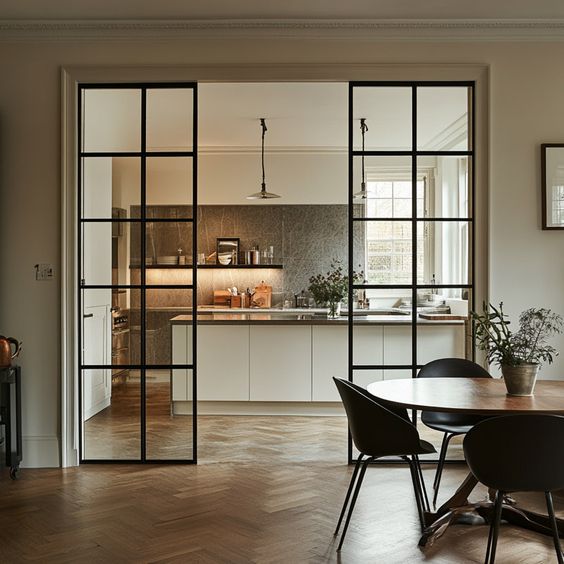
Image Source: andorwillow.com
Why Define Your Spaces?
Before diving into specific methods, it’s helpful to consider the benefits of defining these two areas.
- Improved Functionality: Clearly defined zones allow each space to serve its intended purpose without overlap. The kitchen can remain a dedicated workspace, while the living room becomes a comfortable sanctuary for relaxation and entertainment.
- Enhanced Aesthetics: Defined areas can make a space feel more organized and intentional. It allows for different design styles and moods to coexist harmoniously.
- Reduced Clutter and Noise: A separation can help contain kitchen messes and cooking smells, providing a more peaceful atmosphere in the living area.
- Increased Privacy (Subtle): While not full walls, dividers can offer a sense of privacy for activities happening in one zone from the other.
Smart Strategies for Separating Living Room and Kitchen
When considering how to divide living room and kitchen, the key is to find solutions that offer a balance between separation and openness, allowing light and sightlines to flow between the areas.
1. Furniture Placement: The Foundation of Zoning
Furniture placement living room kitchen is one of the most accessible and effective ways to create distinct zones. This method requires no structural changes and can be easily adapted.
The Sofa as a Divider
A large sofa, when strategically placed with its back to the kitchen or dining area, can act as a natural visual barrier.
- Placement: Position the sofa facing the living room area, with its back towards the kitchen or dining space. This creates a clear demarcation.
- Enhancements: Add a console table behind the sofa. This table can serve as a surface for lamps, decorative items, or even a casual bar area, further solidifying the division and adding functionality.
Using Area Rugs
Area rugs are excellent for defining zones. Placing a rug in the living room area signals it as a separate space.
- Living Room Rug: A generously sized rug anchors the living room furniture (sofa, armchairs, coffee table) and clearly delineates this zone from the kitchen.
- Kitchen Rugs: Runner rugs in the kitchen can define walkways or work areas. Ensure they are durable and easy to clean.
Bookshelves and Consoles
Tall bookshelves or console tables can also act as effective, albeit more permeable, dividers.
- Open Bookshelves: These allow light to pass through and offer opportunities for display, keeping the sense of openness. They can also act as a visual break without fully blocking the view.
- Low-Profile Consoles: A long, low console table can serve a similar purpose, defining a boundary without imposing on the space.
2. Architectural and Semi-Permanent Solutions
These options offer more substantial separation and can significantly impact the overall feel of the open concept kitchen living room.
Kitchen Islands and Peninsulas
These are classic kitchen and living room layout elements that naturally bridge the gap and create a division.
- Kitchen Island: A well-placed island can serve as a primary workspace in the kitchen and a casual dining or socializing spot, with its other side facing the living area. This creates a functional and social barrier.
- Peninsula: Similar to an island, a peninsula is attached to a counter or cabinet on one end. It can offer a more integrated look and provide ample counter space, with seating that faces the living room.
Table 1: Pros and Cons of Islands and Peninsulas
| Feature | Kitchen Island | Peninsula |
|---|---|---|
| Space Required | Requires more clearance for traffic flow. | Can be more space-efficient, attached to existing. |
| Flexibility | Can often be moved or is standalone. | Fixed, less flexible for future layout changes. |
| Seating | Can easily accommodate seating on multiple sides. | Typically accommodates seating on one side. |
| Work Triangle | Can sometimes disrupt the kitchen work triangle. | Can integrate well into the work triangle. |
| Division Effect | Strong visual and functional separation. | Good visual and functional separation. |
Partial Walls or Dividers
These offer a more significant separation without the commitment of a full wall.
- Half-Walls: A half-wall can be constructed to a height of around 3-4 feet. It provides a clear division, a surface for décor, and can still allow for some visual connection.
- Built-in Dividers: Custom-built units, like shallow cabinetry or open shelving units, can be designed to fit your space perfectly. These can offer storage on both sides, maximizing utility.
Sliding Doors or Screens
These are excellent for creating flexible divisions that can be opened or closed as needed.
- Sliding Barn Doors: These offer a rustic or industrial aesthetic and can be slid across to completely close off the kitchen or living area.
- Pocket Doors: These disappear into the wall when open, offering a clean, modern look.
- Glass Sliding Doors: Framed glass doors can provide a strong visual separation while allowing light to flood both spaces and maintaining a sense of connection.
- Room Dividers on Tracks: Similar to sliding doors, these can be made from various materials like wood, fabric, or frosted glass and can be moved along a track system.
3. Decorative and Lightweight Room Divider Ideas
For a more temporary or decorative approach to separating living room and kitchen, consider these options.
Bookshelves and Open Shelving Units
As mentioned earlier, bookshelves are fantastic room divider ideas.
- Open Back Bookshelves: These are ideal as they allow light and views to pass through, preventing the space from feeling closed off. You can style them with books, plants, and decorative objects.
- Modular Shelving: Systems like IKEA’s KALLAX or similar modular units can be configured to create a visually interesting and functional divider.
Screens and Folding Panels
These are classic partition ideas for open plan spaces.
- Folding Screens: Available in various materials (wood, fabric, rattan, metal), folding screens can be easily deployed, moved, or stored. They offer a decorative element and a degree of privacy.
- Panel Dividers: These are typically made of panels that slide or pivot, offering more structured separation than folding screens.
Plants and Greenery
Bringing nature indoors can create a beautiful and organic division.
- Tall Potted Plants: Strategically placed tall plants, like Fiddle Leaf Figs or Snake Plants, can create a natural screen. Grouping several plants can enhance the effect.
- Living Walls or Vertical Gardens: For a more ambitious approach, a living wall can be a stunning and effective divider, bringing life and color to both spaces.
Curtains and Drapes
Fabric can provide a soft, elegant, and adaptable way to divide spaces.
- Ceiling-Mounted Curtains: Installing a curtain rod from the ceiling allows you to hang a curtain that can be drawn to close off the kitchen or living area. This is a great option for adding texture and color.
- Sheer Curtains: For a more subtle visual separation living room kitchen, sheer curtains can soften the transition without blocking light.
- Heavy Drapes: Thicker drapes offer more privacy and sound absorption, making the living room feel more cozy.
Table 2: Creative Room Divider Ideas
| Divider Type | Material Examples | Best For |
|---|---|---|
| Bookshelf | Wood, metal, modular units | Storage, display, light passage. |
| Folding Screen | Wood, fabric, rattan, metal | Quick, temporary division, decorative element. |
| Plants | Tall potted plants, vertical gardens | Natural, organic division, air purification. |
| Curtains | Sheer fabric, velvet, linen | Soft division, adaptable, color/texture addition. |
| Sliding Doors/Panels | Wood, glass, frosted acrylic, metal | Modern, flexible, strong visual separation, light control. |
| Half-Wall/Low Partition | Drywall, wood, brick, stone | Permanent or semi-permanent, adds surface area, distinct zone definition. |
| Decorative Panels | Perforated metal, laser-cut wood | Artistic division, allows light and air, unique aesthetic. |
4. DIY Room Divider Projects
For those who enjoy a hands-on approach, creating a DIY room divider can be a rewarding and cost-effective solution.
Repurposing Old Doors
An old wooden door, whether solid or with glass panels, can be a fantastic starting point.
- Folding Door: Hinge together two or three old doors to create a folding screen.
- Hanging Door: Mount a single door on a sliding track for a barn door effect.
Building a Simple Shelf Unit
A basic shelving unit can be constructed from lumber and plywood.
- Open Shelving: Design it with an open back and sides to maintain airflow and light.
- Wheeled Unit: Add casters to the bottom for easy repositioning.
Creating a Macrame or Fabric Divider
For a bohemian or soft aesthetic:
- Macrame: Create a large macrame piece and hang it from a rod.
- Fabric Panels: Sew fabric panels together and attach them to a frame or hang them from a rod.
5. Lighting as a Subtle Separator
While not a physical barrier, strategic lighting can help define zones.
- Accent Lighting: Use floor lamps or task lighting in the living area to create a cozy, defined space.
- Pendant Lights: Hanging pendant lights over a kitchen island or dining table can visually separate these functional areas from the living room.
Fathoming Your Kitchen and Living Room Layout
When planning your kitchen and living room layout, consider the flow of traffic and how you use each space.
- Traffic Flow: Ensure that your chosen divider doesn’t obstruct essential pathways between the kitchen, living room, and any other areas of the home.
- Functionality: How do you want each space to function? Do you need a casual eating spot between the two? Do you want to be able to see the TV from the kitchen?
- Sightlines: Consider what you want to see when you’re in each space. Do you want a clear view of the entire open area, or do you prefer some visual separation?
Creating Zones in Open Plan Living
Creating zones in open plan spaces is all about illusion and smart design. It’s not about building walls, but about using elements to suggest distinct areas.
Key Principles for Zoning
- Layering: Combine different elements – furniture, rugs, lighting, and decorative dividers – to build up the definition of each zone.
- Contrast: Use different color palettes, textures, or materials in adjacent zones to create visual interest and clearly differentiate them.
- Scale: Ensure that the dividing elements are proportional to the size of your room. An oversized divider in a small space can make it feel cramped.
- Flexibility: If your needs change, consider solutions that can be easily adjusted or removed.
Examples of Effective Zoning
Imagine an open concept kitchen living room:
- Kitchen Zone: Defined by sleek cabinetry, a central island with bar stools, and overhead pendant lighting.
- Dining Zone: A dining table and chairs placed between the kitchen and living room, perhaps with a runner rug underneath.
- Living Room Zone: Anchored by a large area rug, a comfortable sofa, armchairs, a coffee table, and a floor lamp.
The Role of Color and Materials
- Color Blocking: Use different paint colors on walls or accent pieces to visually separate areas.
- Flooring: Different flooring materials can work, but be mindful of transitions. For instance, tile in the kitchen and wood or carpet in the living room. A subtle transition strip can help.
- Material Contrast: Using a different material for a half-wall or divider (e.g., wood in the living room, tile in the kitchen) can enhance the separation.
Best Ways to Divide Living Room and Kitchen: Expert Tips
The best ways to divide living room and kitchen often depend on your specific needs and the existing architecture of your home.
- Prioritize Function: What do you need each space to do? This should guide your choice of divider.
- Consider Light and Airflow: Avoid blocking windows or creating dead zones. Opt for solutions that allow light and air to circulate.
- Maintain Visual Cohesion: While dividing, ensure the overall aesthetic of your home remains consistent.
- Don’t Be Afraid to Mix and Match: Combine furniture placement with a decorative screen or a low shelf for layered separation.
- Think Vertically: Utilize wall space with shelving or art to draw the eye upwards and away from the need for a solid floor-to-ceiling divider.
- Measure Twice, Cut Once: If opting for any semi-permanent or DIY solutions, precise measurements are crucial.
Frequently Asked Questions (FAQ)
Q1: What is the most popular way to separate a living room and kitchen in an open-plan layout?
A1: The most popular methods include strategic furniture placement (like using a sofa as a divider), incorporating a kitchen island or peninsula, and using area rugs to define zones.
Q2: Can I divide my living room and kitchen without making it feel cramped?
A2: Yes, absolutely. Opt for solutions that allow for light and sightlines, such as open shelving, glass-paneled doors, screens, or strategically placed plants. Avoid solid, opaque barriers that block views.
Q3: Is a kitchen island a good way to divide a living room and kitchen?
A3: Yes, a kitchen island is an excellent and very common way to divide these spaces. It provides a functional workspace and dining area while acting as a natural visual and physical barrier between the cooking zone and the living area.
Q4: What are some budget-friendly room divider ideas?
A4: Budget-friendly options include using large area rugs, strategically placing furniture, utilizing existing bookshelves, or creating DIY dividers from repurposed materials like old doors or fabric. Plants also offer an affordable and attractive solution.
Q5: How can I get a subtle visual separation living room kitchen?
A5: For a subtle separation, use layering with area rugs, strategically place console tables or low bookshelves, use sheer curtains, or group tall plants. These methods create a soft demarcation without a hard visual break.
By thoughtfully applying these strategies, you can effectively divide your living room and kitchen, creating distinct, functional, and beautiful zones within your home. Whether you’re looking for a complete overhaul or a simple refresh, there’s a solution to suit every style and space.