
Can you put out a kitchen fire with water? Generally, no, especially if it’s a grease fire. Water can spread grease fires and make them worse. You need to know the right ways to fight different types of kitchen fires. This guide will show you how to handle these emergencies with confidence.
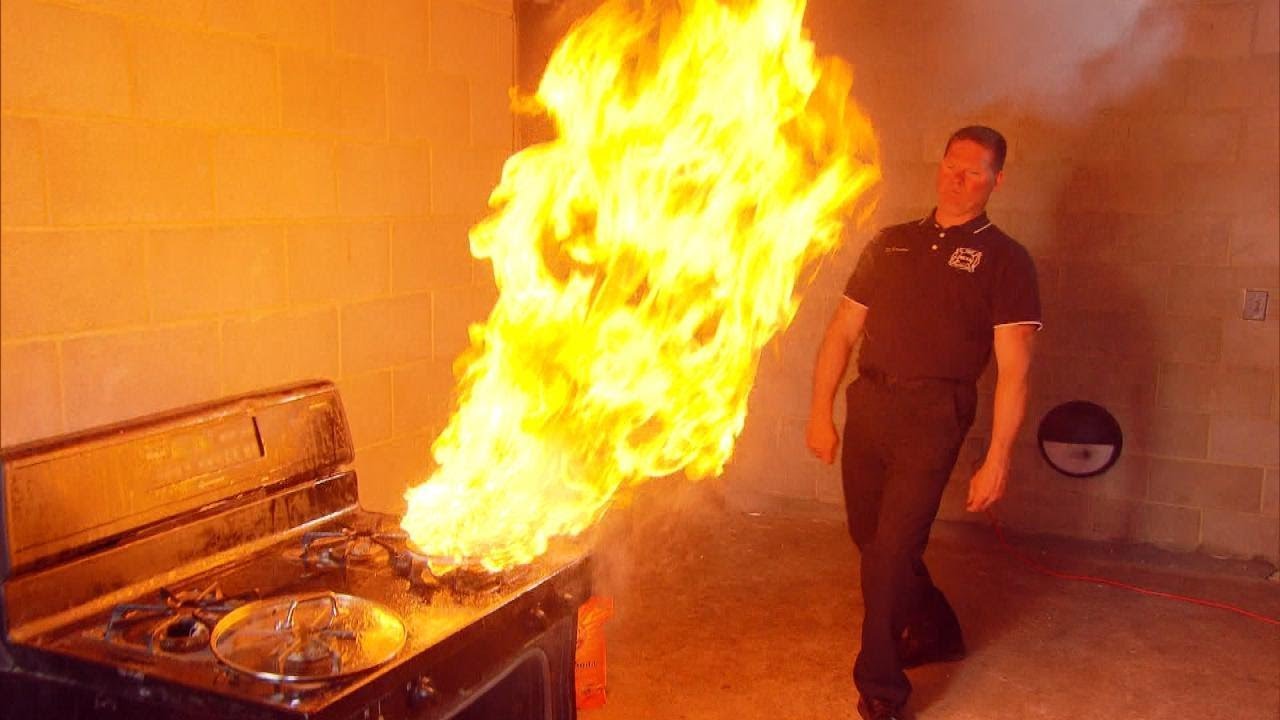
Image Source: i.ytimg.com
The First Steps: Staying Calm and Alert
When a fire starts in your kitchen, your first reaction might be panic. But staying calm is crucial. This will help you think clearly and follow the correct emergency fire procedures. Knowing what to do beforehand can make a huge difference.
Assess the Situation Quickly
- Is the fire small and contained? If it’s just a small flame in a pan and you feel safe, you might be able to put it out.
- Is it spreading rapidly? If the fire is growing quickly, or if you can’t immediately control it, your priority is to get everyone out safely and call for help.
Alert Others and Evacuate
- Shout “Fire!” to alert everyone in the house.
- Have a pre-planned escape route.
- Once you are safely outside, call your local emergency services immediately. Do not go back inside for any reason.
Different Types of Fires and How to Fight Them
Not all kitchen fires are the same. The way you extinguish them depends on what is burning.
Grease Fires: The Most Common and Dangerous
Grease fires happen when cooking oil or fat gets too hot and ignites. These are extremely common and require specific handling.
Grease fire methods are all about cutting off the fuel or oxygen.
- Turn Off the Heat: If it’s safe to do so, turn off the burner. Don’t try to move the pan.
- Smother the Flames: The goal is to smothering a stovetop fire by removing oxygen from fire.
- Use a Metal Lid or Baking Sheet: Carefully slide a metal lid or a flat baking sheet over the pan to cover it completely. This traps the flames and cuts off their air supply. Leave it covered until it cools down completely.
- NEVER use glass lids. They can shatter from the heat.
- Baking Soda Fire Suppression: For very small grease fires, a large amount of baking soda can help. Baking soda releases carbon dioxide when heated, which can displace oxygen.
- How to use: Pour a generous amount of baking soda directly onto the flames.
- What not to use: Salt can work in a pinch, but baking soda is much more effective. Flour, sugar, and other powders are flammable and should never be used.
What NOT to Do with Grease Fires:
- NEVER use water. Water causes burning grease to splatter, spreading the fire rapidly and creating dangerous steam explosions.
- NEVER use a wet towel. The water in the towel will have the same effect as pouring water on the fire.
- NEVER try to carry the burning pan. You could spill the burning grease and spread the fire or burn yourself severely.
- NEVER use a fire extinguisher labeled for Class A fires (water-based).
Electrical Fires
These fires start from faulty wiring, appliances, or overloaded circuits.
- Identify the Source: If you can safely identify that the fire is electrical, you need to cut the power.
- Unplug the Appliance: If the appliance is small and the cord is not on fire, unplug it if you can do so safely.
- Turn Off the Power at the Breaker Box: If you can safely reach your breaker box, turn off the power to the affected circuit.
- Use the Right Extinguisher: Once the power is off, you might be able to treat it as a regular fire. However, if the power is still on, you MUST use a fire extinguisher suitable for electrical fires.
Other Kitchen Fires (Paper, Cloth, Wood)
These are generally easier to extinguish if caught early.
- Small Fires: If a small fire starts from paper towels, dishtowels, or food scraps, you might be able to use water if it’s not near grease or electricity.
- Smothering: Again, smothering is an effective method for these types of fires as well.
Fire Extinguisher Types: Your Kitchen Arsenal
Having the right fire extinguisher types in your kitchen is a vital part of kitchen fire safety. Not all extinguishers are created equal, and using the wrong one can be dangerous.
Understanding Fire Classes
Fires are categorized into classes based on the fuel that burns:
- Class A: Ordinary combustibles like wood, paper, cloth, and rubber.
- Class B: Flammable liquids and gases, such as grease, oil, gasoline, and propane.
- Class C: Energized electrical equipment.
- Class D: Combustible metals (rare in a home kitchen).
- Class K: Cooking oils and fats (most relevant for kitchens).
Recommended Fire Extinguishers for Your Kitchen
For home kitchens, the most important classes are B, C, and K.
- Multi-purpose Dry Chemical (ABC Extinguisher):
- Pros: Effective on Class A, B, and C fires. They are common, affordable, and widely available.
- Cons: The powder can be messy and difficult to clean up. It can also damage electronic components if used near them.
- Labeling: Look for an extinguisher labeled with A, B, and C.
- Class K Extinguisher:
- Pros: Specifically designed for kitchen grease fires (Class K). They use a wet chemical agent that cools the burning oil and forms a foam blanket, preventing re-ignition.
- Cons: Less common in homes and more expensive. Primarily for commercial kitchens, but highly effective for home kitchens where deep frying is common.
- Labeling: Look for an extinguisher labeled with K.
How to Use a Fire Extinguisher: The P.A.S.S. Method
Remember the acronym P.A.S.S. to guide you:
- Pull the pin. This breaks the tamper seal and allows the extinguisher to be operated.
- Aim low at the base of the fire. You want to hit the fuel source, not the flames themselves.
- Squeeze the lever slowly and evenly. This releases the extinguishing agent.
- Sweep the nozzle from side to side. Continue to sweep until the fire is out.
Important Note: Only attempt to use a fire extinguisher if the fire is small and contained, you have a clear escape route, and you are confident you can operate the extinguisher correctly. If you have any doubt, evacuate and call emergency services.
Advanced Techniques and Tools for Fire Suppression
Beyond extinguishers, other tools can be crucial for kitchen fire safety.
Fire Blanket Use
A fire blanket is a sheet made of fire-retardant material designed to smother flames.
- How to Use:
- Pull the release tabs to unfold the blanket.
- Cover the flames completely with the blanket, starting from the top and moving down.
- Hold the blanket in place to ensure all oxygen is cut off.
- Leave the blanket in place until the area has cooled completely.
- Benefits: Fire blankets are excellent for smothering a stovetop fire or wrapping around a person whose clothes are on fire. They don’t create the mess of dry chemical extinguishers.
- Placement: Keep a fire blanket in an easily accessible location in your kitchen, away from the stove but near an exit.
Baking Soda Fire Suppression (Revisited)
As mentioned earlier, baking soda fire suppression is a valuable tool for small grease fires.
- Quantity is Key: You need a substantial amount. Don’t be shy with it.
- How it Works: Baking soda (sodium bicarbonate) releases carbon dioxide when heated. This carbon dioxide displaces the oxygen that the fire needs to burn. It’s essentially a form of removing oxygen from fire.
- When to Use: Best for very small fires where the flame is confined to a pan.
What About a Fire Blanket?
A fire blanket is specifically designed to smother flames by removing oxygen from fire. When you throw it over a burning object, it creates a barrier that prevents air from reaching the fire, causing it to go out. They are particularly effective for small fires on surfaces or when clothing catches fire.
When Professional Help is Needed
Sometimes, a fire gets out of control quickly, and your home extinguishing methods won’t be enough.
Recognizing When to Evacuate
- If the fire is spreading rapidly.
- If the room is filling with smoke.
- If you are unsure if you can put it out safely.
- If your fire extinguisher is not working or is empty.
In these situations, your priority is to get yourself and your family out of the house immediately.
The Role of Professional Fire Fighting
Professional fire fighting services are equipped with specialized tools and training to handle fires of all sizes. They are your best bet when a fire is too large or dangerous to tackle yourself.
- Training and Equipment: Firefighters are trained in advanced fire suppression techniques and have access to high-pressure hoses, specialized chemicals, and breathing apparatus.
- Rapid Response: The faster emergency services arrive, the less damage the fire is likely to cause.
Preventing Kitchen Fires: The Best Defense
The most effective way to deal with kitchen fires is to prevent them from happening in the first place. Strong preventing kitchen fires habits are crucial for kitchen fire safety.
Kitchen Safety Habits
- Stay in the Kitchen: Never leave cooking food unattended, especially when frying, grilling, or broiling. If you must leave the kitchen, even for a short time, turn off the stove.
- Keep Flammable Materials Away: Keep oven mitts, wooden utensils, paper or plastic bags, towels, and curtains away from the stovetop.
- Clean Cooking Surfaces: Regularly clean stovetops, ovens, and exhaust hoods to prevent grease buildup, which can ignite.
- Be Alert: Don’t cook if you are sleepy, have consumed alcohol, or are taking medication that makes you drowsy.
- Use Timers: When simmering, baking, or roasting, use a timer to remind you that food is cooking.
- Handle Hot Oil Safely:
- Heat oil slowly.
- If oil starts to smoke, it’s too hot. Turn off the burner and let it cool.
- Never fill a pan more than one-third full with oil.
- Dry frozen food completely before adding it to hot oil. Hot oil can spatter if it hits ice.
- Child Safety: Keep children at a safe distance from the stove.
- Appliance Safety:
- Regularly check cords for damage.
- Ensure appliances are used according to manufacturer instructions.
- Don’t overload electrical outlets.
Installing Safety Devices
- Smoke Detectors: Install smoke detectors on every level of your home and inside and outside sleeping areas. Test them monthly and change batteries at least once a year.
- Fire Extinguishers: Keep a suitable fire extinguisher (ABC or K class) in your kitchen and know how to use it. Ensure it is regularly inspected and maintained.
Putting It All Together: Your Kitchen Fire Safety Checklist
Having a plan and the right tools is essential.
| Safety Measure | Action | Frequency/Location |
|---|---|---|
| Smoke Detectors | Test and replace batteries. | Monthly testing; replace batteries annually. |
| Fire Extinguisher | Ensure it’s charged, accessible, and you know how to use it. | Kitchen; check pressure gauge monthly. |
| Fire Blanket | Ensure it’s accessible and not blocked. | Near kitchen exit, away from immediate cooking area. |
| Cooking Practices | Never leave cooking unattended; keep flammable items away. | Always when cooking. |
| Grease Management | Clean stovetop, hood, and oven regularly. | Weekly cleaning; deeper clean monthly. |
| Emergency Plan | Practice escape routes with your family. | Plan discussed regularly; practice annually. |
| Electrical Safety | Inspect appliance cords; avoid overloading outlets. | Regular visual checks; awareness when using appliances. |
| Professional Help Contact | Know your emergency number (e.g., 911, 999, 112). | Posted clearly near phone or easily memorized. |
Frequently Asked Questions (FAQ)
Q1: What should I do if my oven catches fire?
A1: First, turn off the oven’s heat. If the fire is small and contained within the oven, keep the door closed. This removes oxygen from fire. If the fire is large or flames are coming out of the oven, evacuate immediately and call emergency services. Never use water on an oven fire, as it can be electrical or involve grease.
Q2: Can I use flour to put out a grease fire?
A2: Absolutely not. Flour is highly flammable and can cause a dust explosion, making the fire much worse. Stick to baking soda fire suppression or a proper extinguisher.
Q3: How often should I check my fire extinguisher?
A3: It’s recommended to check the pressure gauge on your fire extinguisher monthly to ensure it is properly charged. Also, visually inspect it for any damage. Fire extinguishers typically need to be professionally serviced or replaced every 5-10 years, depending on the type and manufacturer’s recommendations.
Q4: What is the best fire extinguisher type for a kitchen?
A4: A multi-purpose dry chemical extinguisher (Class ABC) is a good all-around choice for a home kitchen as it handles ordinary combustibles, flammable liquids, and electrical fires. However, if you frequently deep-fry, a Class K extinguisher is specifically designed for cooking oil fires and offers superior protection in those situations.
Q5: My pan is on fire! Should I try to move it?
A5: No. Do not try to move a pan that is on fire. This can easily cause the burning grease to spill, spreading the fire rapidly. Your priority is to smothering a stovetop fire by covering it safely with a lid or baking sheet, or using baking soda if it’s very small. If you cannot safely smother it, evacuate.
Q6: What are emergency fire procedures?
A6: Emergency fire procedures involve knowing how to react quickly and safely. This includes alerting everyone, having a clear escape route, evacuating the building if the fire is uncontrollable, and calling emergency services from a safe location. It’s about prioritizing life safety over property.
Q7: How does smothering a stovetop fire work?
A7: Smothering a stovetop fire works by removing oxygen from fire. Fire needs fuel, heat, and oxygen to burn. By covering the flames with a non-flammable material like a metal lid or a fire blanket use, you cut off the oxygen supply, causing the fire to extinguish itself.
Q8: What are some key preventing kitchen fires tips?
A8: Key tips for preventing kitchen fires include never leaving cooking unattended, keeping flammable items away from heat sources, cleaning grease buildup regularly, and being alert while cooking. Ensuring your smoke detectors are working and having an appropriate fire extinguisher readily available are also crucial preventative measures.
By familiarizing yourself with these methods and practicing good kitchen fire safety habits, you can significantly reduce the risk of fires and be prepared to handle them safely if they do occur.