
A slow kitchen sink drain is a common household annoyance, but can I fix it myself? Yes, you absolutely can! Most slow kitchen sink drains are caused by simple blockages that can be cleared with basic tools and a bit of elbow grease. This guide will walk you through easy steps to tackle that pesky slow draining sink and get your kitchen back to normal. We’ll cover everything from identifying the cause to performing simple fixes and then discuss how to prevent future kitchen sink issues.
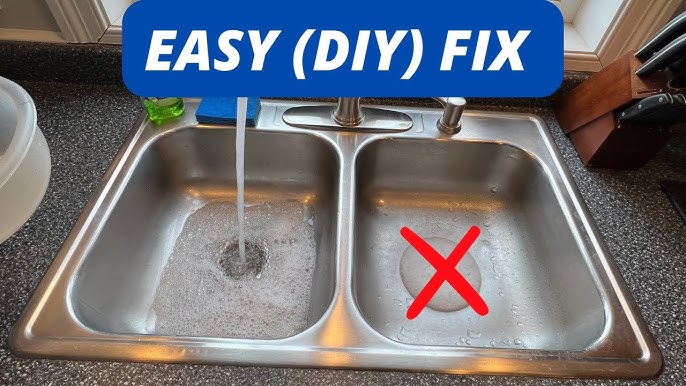
Image Source: i.ytimg.com
Fathoming Your Slow Draining Sink: Common Culprits
Before diving into solutions, it’s helpful to know what typically causes a slow kitchen sink. Understanding these common culprits can make your DIY drain fix more effective and help prevent future kitchen sink backup.
Grease, Fat, and Oil Buildup
This is the number one enemy of kitchen drains. When hot grease, fat, or oil goes down the drain, it’s liquid. However, as it cools, it solidifies and coats the inside of your pipes. Over time, this coating thickens, catching food particles and other debris, creating a stubborn clog.
Food Scraps
Even with a kitchen sink disposal, small food particles can escape and accumulate in the pipes. Things like coffee grounds, eggshells, pasta, rice, and vegetable peels are particularly notorious for causing clogs. They can get lodged in the pipes and create a sticky mass that slows down drainage.
Soap Scum
Regular bar soaps, and even some liquid soaps, can leave behind a residue called soap scum. This scum can combine with grease and hair (though less common in kitchen sinks than bathroom sinks) to form a sticky layer that narrows your pipes and impedes water flow.
Mineral Deposits
In areas with hard water, mineral deposits like calcium and magnesium can build up on the inside of your pipes. This buildup is similar to limescale in kettles and can gradually restrict the pipe’s diameter, leading to a slower drain.
Foreign Objects
Accidental drops of non-food items like bottle caps, small utensils, or even bits of packaging can end up in the drain and cause obstructions.
Simple Solutions: Your DIY Drain Fix Toolkit
You don’t need to be a plumbing expert to fix a slow kitchen sink drain. Here are some easy, effective methods you can try right at home.
The Hot Water Flush
This is the simplest and often most effective first step, especially if your clog is due to grease.
How to do it:
1. Boil a kettle or a large pot of water.
2. Carefully pour the boiling water directly down the drain. Do this in stages, allowing a few seconds between pours.
3. Run the hot tap water to see if the drainage has improved.
Why it works: The heat can help melt and break down solidified grease and oil, allowing it to flow away more freely.
Caution: Avoid this method if you have PVC pipes, as extremely hot water can potentially damage them over time. For PVC pipes, use very hot tap water instead of boiling water.
The Baking Soda and Vinegar Method
This classic DIY drain fix uses a natural chemical reaction to break down minor clogs.
What you’ll need:
* Baking soda (about 1/2 cup)
* White vinegar (about 1/2 cup)
* Boiling water (or very hot tap water)
* A drain stopper or old rag
How to do it:
1. Pour the baking soda down the drain.
2. Follow with the white vinegar. You’ll see a fizzing reaction.
3. Immediately cover the drain with a stopper or a damp rag. This forces the reaction downwards into the clog.
4. Let it sit for at least 30 minutes, or preferably an hour.
5. After waiting, remove the stopper and flush the drain with boiling water.
Why it works: The combination of baking soda (a base) and vinegar (an acid) creates a vigorous fizzing reaction. This reaction can help dislodge and break apart grease, soap scum, and minor food debris.
Using a Plunger
A good old-fashioned plunger can be surprisingly effective for clearing a clogged kitchen sink.
What you’ll need:
* A cup plunger (the type with a flat bottom is best for sinks)
* A little petroleum jelly (optional, for a better seal)
* A damp cloth or stopper for the overflow drain (if your sink has one)
How to do it:
1. Ensure there’s enough water in the sink to cover the rubber cup of the plunger. If not, add some water.
2. If your sink has a double basin, or an overflow drain, block the other drain or overflow with a damp cloth or stopper. This ensures the suction is directed towards the clog.
3. Apply a bit of petroleum jelly around the rim of the plunger cup for a better seal.
4. Place the plunger firmly over the drain opening, ensuring a good seal.
5. Pump the plunger up and down vigorously for about 20-30 seconds.
6. Quickly pull the plunger upwards to break the seal.
7. Repeat this process several times. Listen for any gurgling sounds that indicate the clog is moving.
8. Once you see improved drainage, flush the drain with hot water.
Why it works: The plunger creates a vacuum that can pull and push the blockage, breaking it apart and forcing it through the pipe.
The Wire Hanger Method (for shallow clogs)
This method is best for clogs that are close to the drain opening, often caused by hair or food particles.
What you’ll need:
* A wire coat hanger
* Pliers (to straighten and shape the hanger)
How to do it:
1. Straighten out the wire coat hanger as much as possible using pliers.
2. Bend a small hook at one end.
3. Carefully insert the hooked end into the drain opening.
4. Gently probe around to try and snag or break up any visible debris near the surface.
5. Pull out any gunk you catch.
6. Once you’ve removed as much as you can, flush the drain with hot water.
Why it works: This acts like a miniature drain snake, allowing you to manually remove blockages that are within reach.
The Drain Snake or Auger
For tougher clogs further down the pipe, a drain snake (also called a plumber’s auger) is a more powerful tool.
What you’ll need:
* A drain snake or auger (available at hardware stores)
* Gloves
* A bucket or old towels
How to do it:
1. Feed the end of the drain snake into the drain opening.
2. Push the snake cable into the pipe until you feel resistance, indicating you’ve reached the clog.
3. Once you hit the clog, crank the handle of the auger. This will cause the corkscrew-like end to bore into the blockage, breaking it up or snagging it.
4. Slowly pull the snake back out, hopefully bringing the clog with it.
5. Clean off the end of the snake and repeat if necessary.
6. After clearing the clog, run hot water down the drain to flush out any remaining debris.
Why it works: The auger’s flexible cable and sharp end can effectively break through or pull out even stubborn blockages that are deeper in the plumbing.
When to Consider a Kitchen Sink Cleaner
Sometimes, persistent clogs might require a commercial kitchen drain cleaner. These products use chemicals to dissolve grease, hair, and other organic matter.
Types of Kitchen Drain Cleaners
- Enzymatic Cleaners: These use enzymes and bacteria to “eat” organic waste. They are generally safer for pipes and the environment but work more slowly.
- Caustic Cleaners: These contain strong alkalis (like lye) that react with grease and organic matter to break them down. They are fast-acting but can be harsh.
- Oxidizing Cleaners: These contain bleach or other oxidizers that break down clogs through chemical reaction.
Using a Kitchen Sink Cleaner Safely
- Read the label carefully: Always follow the manufacturer’s instructions precisely.
- Wear protective gear: Gloves and eye protection are essential to prevent skin and eye irritation.
- Ensure good ventilation: Open windows and turn on exhaust fans.
- Never mix cleaners: Combining different drain cleaners can create dangerous fumes or reactions.
- Avoid if you have a septic system: Some chemical drain cleaners can harm the beneficial bacteria in septic tanks.
- Use sparingly: Overuse can damage pipes, especially older ones.
Table: Pros and Cons of Commercial Drain Cleaners
| Type of Cleaner | Pros | Cons |
|---|---|---|
| Enzymatic | Environmentally friendly, pipe-safe, non-corrosive | Slower acting, may not work on severe clogs |
| Caustic | Fast-acting, effective on grease and hair | Corrosive to pipes, can cause burns, harmful fumes |
| Oxidizing | Effective on organic matter, sanitizes | Can damage certain pipe materials, produces fumes |
Addressing Kitchen Sink Plumbing Issues: Beyond the Drain
While most slow drains are caused by clogs within the pipes, sometimes the issue might lie with the sink’s plumbing components.
The P-Trap
The U-shaped pipe under your sink, called the P-trap, is designed to hold a small amount of water. This water creates a seal that prevents sewer gases from entering your home. However, it’s also a common place for debris to accumulate.
How to clean the P-trap:
1. Place a bucket underneath the P-trap to catch any water or debris.
2. Using pliers or a wrench, carefully loosen the slip nuts on either side of the P-trap.
3. Once loosened, remove the P-trap.
4. Empty the contents into the bucket.
5. Clean out any gunk, hair, or debris from the trap using a brush or an old cloth.
6. Reattach the P-trap, ensuring the slip nuts are tightened securely but not over-tightened.
7. Run water to check for leaks.
Why it works: Removing and cleaning the P-trap directly addresses any blockages trapped in this U-bend.
The Garbage Disposal
If you have a kitchen sink disposal, it can also contribute to slow drains if it becomes clogged or isn’t used correctly.
Common disposal issues and fixes:
* Jamming: If the disposal hums but doesn’t grind, it’s likely jammed. Turn off the power switch, then use the Allen wrench (usually provided with the disposal) in the reset hole on the bottom of the unit to manually turn the blades. You can also use tongs to carefully remove any visible obstruction from the top (never use your hands!).
* Clogs: Disposals can get clogged with fibrous foods (celery, corn husks), large amounts of food scraps, or non-food items. Try the hot water flush, or run the disposal with cold water and a few ice cubes to help grind away minor build-ups.
Checking the Vent Pipe
Your plumbing system has vent pipes that allow air into the pipes. This air pressure helps water flow smoothly down the drains. If a vent pipe gets blocked (often by leaves or nests), it can cause slow draining throughout your house, particularly noticeable in the kitchen sink. This is a more complex issue and might require professional help to access and clear.
Kitchen Drain Maintenance: Prevention is Key
The best way to deal with a slow draining sink is to prevent it from happening in the first place. Regular kitchen drain maintenance can save you a lot of hassle.
What NOT to Put Down the Drain
- Grease, Fat, and Oil: As mentioned, these are the biggest culprits. Wipe greasy pans with paper towels before washing, or pour cooled grease into a disposable container and throw it away.
- Coffee Grounds: They don’t dissolve and can clump together, forming clogs.
- Eggshells: While some people believe they help scour pipes, they are actually fibrous and can contribute to blockages.
- Pasta, Rice, and Bread: These expand with water and can quickly create a sticky, solid mass in your pipes.
- Fibrous Vegetables: Celery, corn husks, and artichokes have tough fibers that can wrap around disposal blades and clog pipes.
- Fruit Pits and Seeds: These are hard and can cause obstructions.
- Bones: Small bones can get stuck, and larger ones will definitely cause a blockage.
- Hair: While more common in bathrooms, hair can still find its way into kitchen drains and contribute to clogs.
- Chemicals: Avoid harsh chemicals like bleach or drain cleaners unless absolutely necessary, as they can damage pipes and the environment.
Good Habits for a Healthy Kitchen Drain
- Scrape plates thoroughly: Remove as much food debris as possible into the trash or compost before rinsing dishes.
- Use a drain strainer: A mesh strainer placed over your drain will catch most food particles, preventing them from entering the pipes. Empty the strainer into the trash regularly.
- Run cold water when using the disposal: This helps solidify any grease so it can be chopped up and flushed away more effectively. Never run hot water when using the disposal, as it can liquefy grease, allowing it to coat the pipes further down.
- Periodically flush with hot water: Once a week, pour a kettle of boiling water (or very hot tap water for PVC pipes) down the drain to help melt away any minor grease buildup.
- Consider enzymatic drain cleaners for maintenance: Using an enzymatic cleaner once a month can help keep your drains clear of organic buildup without harsh chemicals.
When to Call a Professional
While many kitchen sink issues can be resolved with DIY methods, there are times when you should call a plumber.
- Persistent clogs: If you’ve tried multiple methods and the drain is still slow or completely blocked.
- Multiple clogged drains: If several drains in your house are draining slowly, it might indicate a blockage in the main sewer line, which requires professional equipment.
- Foul odors: Persistent unpleasant smells from the drain can signal a more significant problem with your plumbing or sewer system.
- Water backing up in other fixtures: If running your kitchen sink causes water to back up in your bathtub or toilet, this is a clear sign of a main line blockage.
- Uncertainty or discomfort: If you’re not comfortable performing any of these steps or suspect a more serious issue with your kitchen sink plumbing, it’s always best to call a licensed plumber.
Frequently Asked Questions (FAQ)
Q1: How often should I perform kitchen drain maintenance?
A1: It’s good practice to scrape plates thoroughly before rinsing and use a drain strainer daily. A hot water flush weekly, and perhaps an enzymatic cleaner monthly, will go a long way in keeping your drains clear.
Q2: Can I use bleach to clear my kitchen sink drain?
A2: While bleach can sometimes help break down organic matter, it’s generally not recommended. Bleach is corrosive and can damage pipes over time, especially older metal pipes. It also creates harsh fumes and can react dangerously with other chemicals.
Q3: My kitchen sink disposal is making noise but not draining. What should I do?
A3: This usually indicates a jam. First, turn off the power to the disposal at the breaker box. Then, use the reset button on the unit and the provided Allen wrench to manually turn the blades and dislodge the obstruction. Carefully check for any visible debris before restoring power.
Q4: Is it safe to use a chemical kitchen drain cleaner regularly?
A4: No, it is not recommended to use chemical drain cleaners regularly. They are often harsh and can degrade your pipes, leading to more significant problems down the line. Enzymatic cleaners are a safer alternative for regular maintenance.
Q5: My sink is draining slowly, but there’s no visible clog. What could be the problem?
A5: A slow drain without a visible clog could be due to a blockage further down the pipe, a problem with the P-trap, or an issue with the plumbing vent system. Trying the hot water flush, baking soda and vinegar, or a drain snake can help identify if the clog is in the accessible pipes. If not, a plumber may be needed.
By following these steps and adopting good maintenance habits, you can effectively tackle a slow draining sink and keep your kitchen plumbing running smoothly. Remember, a little prevention goes a long way in avoiding the frustration of a clogged kitchen sink.