
Is your kitchen sink draining slower than molasses in winter? A clogged kitchen sink is a common household nuisance. This guide will show you how to fix a slow draining sink and tackle a full-blown kitchen sink blockage. You can often fix these issues yourself with a few simple tools and techniques, turning a frustrating problem into a manageable DIY sink repair.
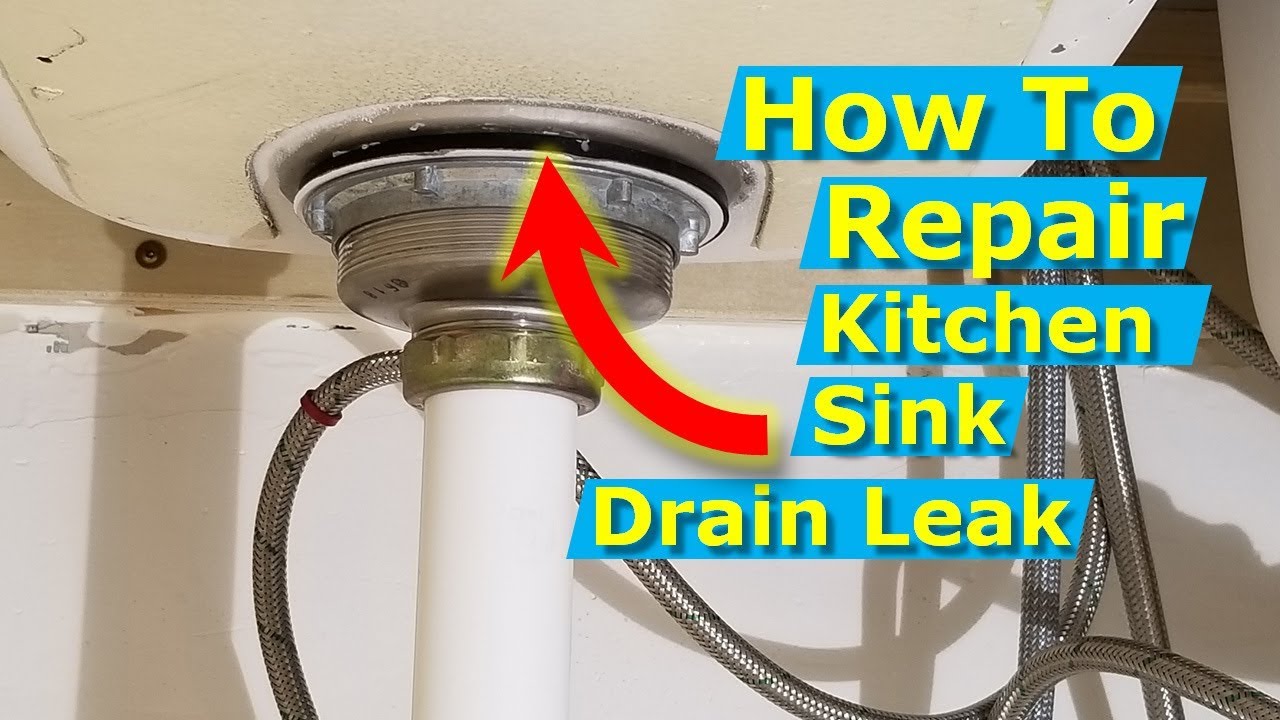
Image Source: i.ytimg.com
Why Do Kitchen Sink Drains Get Clogged?
Before we dive into fixing it, let’s look at why it happens. Kitchen sinks are prone to clogs because they handle a lot of different things. Grease, oil, and fats from cooking are major culprits. When they cool down, they solidify and coat the inside of your pipes. Food scraps, especially starchy ones like rice and pasta, can expand and create blockages. Coffee grounds, eggshells, and even small pieces of soap can also contribute to a kitchen sink blockage. Over time, these items build up, reducing the pipe’s diameter and eventually causing a complete clog.
Tools You Might Need for Drain Cleaning
Gathering the right tools beforehand makes the process much smoother. Here are some common items that can help with drain cleaning:
- Plunger: Essential for creating suction and dislodging clogs.
- Bucket: To catch any water or debris that comes out of the drain.
- Gloves: To protect your hands.
- Old Towels or Rags: For cleaning up spills.
- Screwdriver (Phillips and Flathead): You might need this to remove the drain stopper or access the P-trap.
- Pliers or Adjustable Wrench: For tightening or loosening pipe fittings.
- Wire Coat Hanger (bent into a hook): A makeshift tool for pulling out debris.
- Drain Snake or Auger: A flexible tool to break up or retrieve clogs deeper in the pipe.
- Baking Soda and Vinegar: Natural cleaning agents.
- Chemical Drain Cleaner (use with caution): For stubborn clogs when other methods fail.
Step-by-Step Guide to Fixing a Clogged Kitchen Sink
Let’s tackle that clogged kitchen sink head-on! Here’s a breakdown of methods, starting with the simplest.
Method 1: The Plunger Power
Plunging a sink is often the first and most effective step for a slow draining sink.
- Prepare the Area: Place an old towel or rag around the drain to catch any splashes. If you have a double sink, you’ll need to block the other drain opening with a wet rag to ensure the plunger creates a good seal.
- Fill the Sink: Add a few inches of hot water to the sink. This helps to loosen the blockage and improve the plunger’s seal.
- Position the Plunger: Place the plunger directly over the drain opening, ensuring a tight seal. A flange plunger (the kind with an extra flap at the bottom) is best for drains, but a standard cup plunger can also work.
- Plunge Vigorously: Push down and pull up rapidly and forcefully about 15-20 times. The goal is to create strong suction that will dislodge the clog.
- Check the Drain: Quickly pull the plunger away on the last stroke to break the seal. If the water drains, you’ve succeeded! If not, repeat the plunging process a few more times.
- Flush with Hot Water: Once the water drains, run hot water down the drain for a few minutes to flush away any remaining debris.
What if plunging doesn’t work? Don’t despair! There are other options to clear your kitchen sink blockage.
Method 2: The Baking Soda and Vinegar Volcano
This is a popular natural and eco-friendly approach for drain cleaning. It’s great for minor clogs and also helps with kitchen sink smells.
- Remove Standing Water: Bail out as much standing water from the sink as possible.
- Pour Baking Soda: Pour about ½ to 1 cup of baking soda directly into the drain.
- Add Vinegar: Immediately pour about 1 cup of white vinegar into the drain. It will fizz and bubble – this is the chemical reaction working to break down the clog.
- Cover the Drain: Quickly cover the drain opening with a stopper or a wet rag to keep the reaction contained within the pipes.
- Let it Sit: Allow the mixture to sit and work for at least 30 minutes, or even longer for tougher clogs (up to a few hours).
- Flush with Hot Water: After the waiting period, remove the cover and flush the drain with plenty of hot water.
- Repeat if Necessary: For a persistent clogged kitchen sink, you might need to repeat this process a couple of times.
Method 3: The Wire Hanger Assist
For clogs that are very close to the drain opening, a bent wire coat hanger can be surprisingly effective for a DIY sink repair.
- Straighten and Hook: Straighten a wire coat hanger as much as possible. Then, bend a small hook at one end.
- Insert into Drain: Carefully feed the hooked end into the drain opening.
- Fish for Debris: Gently push and twist the hanger, trying to snag or break up the blockage. You might feel resistance as you encounter the clog.
- Pull Out Debris: Slowly pull the hanger back out, and hopefully, you’ll bring some of the clog with it. Dispose of any gunk you retrieve.
- Repeat and Flush: Repeat the process several times. Once you’ve removed as much as you can, flush the drain with hot water.
Method 4: Cleaning the P-Trap
The P-trap is the U-shaped pipe under your sink. It’s designed to hold water, which prevents sewer gases from coming up into your home, but it’s also a common place for clogs to form.
- Preparation: Place a bucket directly underneath the P-trap to catch any water and debris that will spill out. Wear your gloves.
- Locate the P-Trap: It’s the curved section of pipe under the sink.
- Loosen the Slip Nuts: There are usually two large nuts holding the P-trap in place. These are often made of plastic and can be loosened by hand or with pliers if they’re stuck. Turn them counterclockwise.
- Remove the P-Trap: Once the nuts are loose, carefully remove the P-trap. Be prepared for water and gunk to come out.
- Clean the P-Trap: Empty the contents of the P-trap into the bucket. Use a brush or a bent wire hanger to clean out any gunk, hair, or debris from inside the trap. Rinse it thoroughly with hot water.
- Inspect the Pipes: While the trap is off, check the pipes leading into and out of it for any visible blockages.
- Reassemble: Reattach the P-trap, making sure the washers are in place. Hand-tighten the slip nuts, then use pliers for a final snugging. Don’t overtighten, as this can crack plastic pipes.
- Test for Leaks: Run water into the sink for a few minutes and check for any leaks at the connections.
Method 5: Using a Drain Snake (Auger)
A drain snake is a more advanced tool for tackling deeper clogs.
- Insert the Snake: Feed the end of the drain snake into the drain opening. You might need to remove the sink stopper or the P-trap first, depending on the clog’s location and the snake’s design.
- Feed the Cable: Push the cable into the pipe until you feel resistance – this is likely the clog.
- Engage the Clog: Turn the handle of the snake clockwise. This will rotate the auger at the end, allowing it to bore through or grab onto the blockage.
- Work the Clog: Continue turning and gently pushing the snake. You might need to pull it back slightly and push it forward again to break up the obstruction.
- Retrieve Debris: If the snake has a retrieval hook, you can try to pull the clog out. If not, the auger action should have broken it up enough for the water to wash it away.
- Flush Thoroughly: Once you believe the clog is cleared, retract the snake and flush the drain with plenty of hot water.
Method 6: Chemical Drain Cleaners (Use as a Last Resort)
Chemical drain cleaner can be effective, but they are harsh chemicals. Use them only when other methods have failed, and always follow the product’s instructions carefully. They can damage pipes if used improperly or too often.
- Safety First: Wear gloves and eye protection. Ensure the area is well-ventilated.
- Read Instructions: Read the product label precisely. Different cleaners have different application methods and waiting times.
- Pour Carefully: Pour the recommended amount directly into the drain. Avoid splashing.
- Wait: Allow the cleaner to sit for the time specified on the label.
- Flush: Flush with plenty of cool or lukewarm water (check product instructions, as some recommend specific water temperatures).
- Never Mix Chemicals: Never mix different chemical drain cleaners, as this can create dangerous fumes or reactions.
- Caution for Older Pipes: Avoid using chemical cleaners on older or damaged pipes, as they can worsen the damage.
Addressing Persistent Kitchen Sink Smells
Sometimes, a clogged kitchen sink doesn’t mean slow drainage but rather unpleasant kitchen sink smells. These odors often come from decaying food particles and grease buildup within the pipes or the garbage disposal.
- Baking Soda and Vinegar: As mentioned earlier, this is excellent for deodorizing. Pouring baking soda followed by vinegar, letting it fizz, and then flushing with hot water can neutralize odors.
- Citrus Peels: Running citrus peels (like lemon, lime, or orange) through the garbage disposal can leave a fresh scent.
- Ice Cubes and Salt: For the garbage disposal, running a few ice cubes followed by a cup of coarse salt can help scrub away buildup and grime, improving odor. Follow with cold water.
- Hot Water Flush: Regularly flushing your drain with very hot water can help melt and wash away grease and other odor-causing substances.
Prevention: How to Avoid Future Clogs
The best DIY sink repair is preventing the problem in the first place! Here are some tips to keep your kitchen sink draining smoothly:
- Scrape Plates: Scrape all food scraps into the trash or compost bin before rinsing plates.
- Avoid Pouring Grease Down the Drain: Never pour cooking grease, oil, or fat down the sink. Let it cool, solidify, and dispose of it in the trash.
- Use a Sink Strainer: A good quality sink strainer will catch food particles and prevent them from entering the drain. Empty it regularly.
- Run Hot Water: After washing dishes, run hot water for a minute to help flush away any residual grease.
- Garbage Disposal Use: If you have a garbage disposal, use it correctly. Cut food into small pieces, run cold water while using it, and avoid putting fibrous foods (like celery or corn husks), eggshells, coffee grounds, or grease down it.
- Regular Cleaning: Periodically use the baking soda and vinegar method or flush with hot water to keep pipes clean and prevent buildup.
When to Call a Professional Plumber
While many kitchen sink blockages can be handled with these DIY sink repair methods, there are times when it’s best to call in an expert.
- Persistent Clogs: If you’ve tried multiple methods and the sink still drains slowly or is completely blocked, the clog might be too deep or too severe for DIY tools.
- Multiple Fixtures Affected: If you notice slow draining or backups in other drains (like toilets or showers) in your home, it could indicate a larger issue in your main sewer line.
- Foul Odors Persist: If kitchen sink smells don’t go away even after cleaning, it might point to a more significant plumbing problem.
- Water Backups: If you see sewage or dirty water backing up into your sink or elsewhere in your home, call a plumber immediately.
- Pipe Damage: If you suspect your pipes are old, corroded, or damaged, attempting a DIY repair could cause more harm.
A professional plumber has specialized tools and expertise to diagnose and fix complex plumbing issues safely and effectively.
Frequently Asked Questions About Kitchen Sink Drains
Here are some common questions people have about fixing their kitchen sink drains:
Q1: How often should I clean my kitchen sink drain?
A1: It’s a good idea to perform a preventative cleaning, like the baking soda and vinegar method, at least once a month. For busy kitchens, more frequent cleanings might be beneficial.
Q2: Can I use boiling water to clear a clog?
A2: While hot water is helpful, boiling water can potentially damage PVC pipes. It’s safer to use very hot tap water or water that has cooled slightly after boiling.
Q3: My garbage disposal is running but not draining. What should I do?
A3: This usually means the drain after the disposal is clogged. Try plunging the sink with the disposal cover in place, or use a drain snake to clear the obstruction in the drainpipe. Ensure the disposal is turned off before attempting any manual clearing.
Q4: Is it safe to use a combination of drain cleaners?
A4: Absolutely not. Mixing different chemical drain cleaners can produce dangerous toxic fumes or cause violent reactions. Always use one product at a time and flush thoroughly between applications if you must try a different type.
Q5: What is a “P-trap”?
A5: The P-trap is the curved section of pipe located under your sink. Its primary function is to hold a small amount of water, creating a seal that prevents sewer gases from entering your home. It also catches heavier debris, making it a common spot for clogs.
By following these steps, you can effectively tackle most clogged kitchen sink issues and keep your kitchen flowing smoothly. Remember to prioritize safety and choose the method that best suits the severity of your kitchen sink blockage.