
Can you furnish a long narrow living room? Yes, you absolutely can! With the right approach, a long, narrow living room can become a stylish and functional space. The key is strategic planning and smart furniture placement to avoid making it feel like a bowling alley. Let’s dive into some decorating tips and layout ideas to help you transform your long, narrow living room into a cozy and inviting hub.
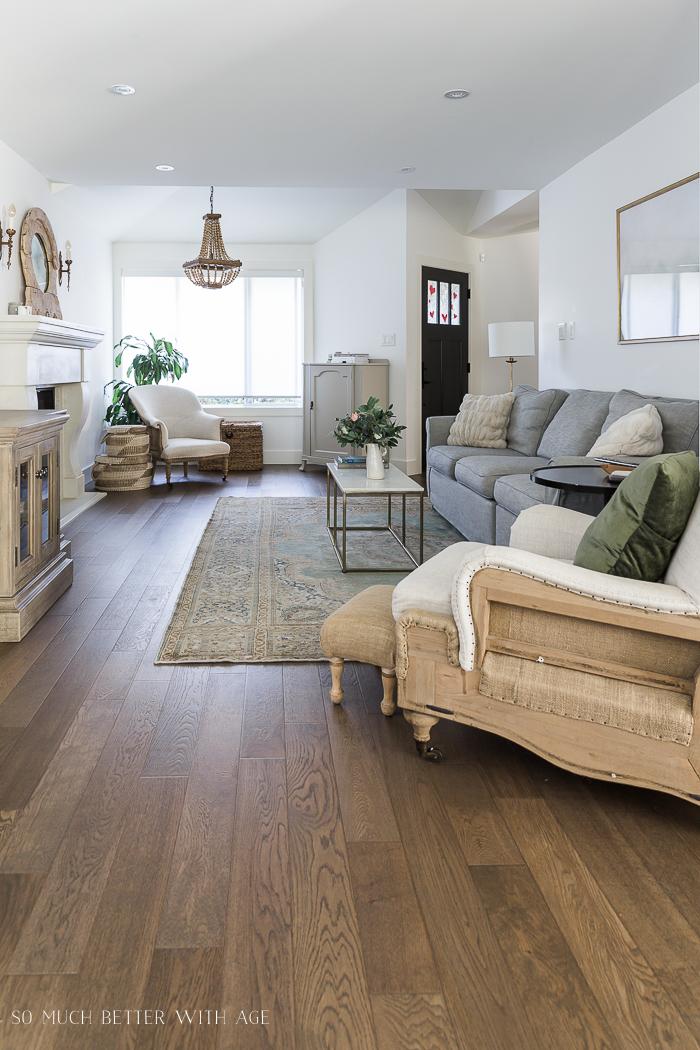
Image Source: somuchbetterwithage.com
Deciphering the Challenge: Why Long Narrow Rooms Can Be Tricky
Long, narrow rooms present a unique set of challenges. The extended length can make it hard to create a sense of balance and flow. Often, furniture gets pushed to the walls, leaving a vast, empty space in the middle that can feel disconnected and uninviting. Without careful planning, these spaces can feel awkward, making it difficult to relax or entertain guests comfortably. The goal is to break up the length and create distinct, functional areas.
Key Problems of Long Narrow Living Rooms:
- The “Bowling Alley” Effect: Furniture lined up along the walls creates a long, unimpeded path.
- Lack of Balance: The room feels lopsided, with too much emphasis on length.
- Poor Traffic Flow: It can be difficult to move around without bumping into things.
- Disconnected Zones: Without clear areas for different activities, the room can feel chaotic.
- Underutilized Space: Corners and the middle of the room often go to waste.
Optimizing Space: Core Principles for Long Narrow Layouts
Optimizing space in a long narrow living room is all about working with its shape, not against it. We want to create a sense of width and visual interest while ensuring the room is practical for everyday living. This means thinking about how each piece of furniture contributes to the overall feel and function of the space.
Foundational Strategies for Success:
- Create Zones: Break the room into smaller, distinct areas for different activities.
- Embrace Versatility: Choose furniture that can serve multiple purposes.
- Visual Tricks: Use color, pattern, and lighting solutions to alter the perception of space.
- Balance and Symmetry: Introduce elements that counteract the room’s length.
Layout Ideas: Crafting Functional Zones
The most effective way to furnish a long narrow living room is to divide it into creating zones. Think of it as creating mini-rooms within your larger space. This breaks up the length and makes the room feel more proportionate and inviting.
Common Zone Strategies:
- The Conversation Zone: This is your primary seating area.
- The Activity Zone: This could be a reading nook, a small workspace, or a play area.
- The Entry/Passageway: Ensuring a clear and easy path through the room.
Zone 1: The Conversation Hub
This is where most of the living happens. The goal here is to create a cozy, intimate seating arrangement that encourages conversation.
- Furniture Placement: Instead of pushing sofas against the long walls, try placing them facing each other or at right angles. A sectional sofa can also work well, defining a corner and creating a more enclosed feel.
- Anchor with a Rug: A large area rug is crucial for defining this zone. It visually anchors the furniture and makes the space feel more grounded and intimate. Ensure the rug is large enough that at least the front legs of your main seating pieces rest on it.
- Coffee Table: A coffee table in the center is a must. Consider an oval or round coffee table to soften the straight lines of the room and make it easier to navigate.
- Accent Seating: Add armchairs or ottomans around the coffee table to complete the arrangement.
Table 1: Conversation Zone Furniture Placement Examples
| Furniture Item | Placement Idea 1 (Facing Sofas) | Placement Idea 2 (L-Shape) |
|---|---|---|
| Sofa | Against one of the longer walls, facing another sofa. | Against one of the longer walls, with a shorter sofa perpendicular. |
| Second Sofa/Love Seat | Facing the first sofa, creating a U-shape with chairs. | Facing the longer sofa, completing the L-shape. |
| Armchairs | At the ends of the sofa arrangement, angled towards the center. | At the end of the longer sofa, angled towards the shorter one. |
| Coffee Table | Centered within the seating group. | Centered within the seating group. |
| Side Tables | Next to sofas and chairs for lamps and drinks. | Next to sofas and chairs for lamps and drinks. |
Zone 2: The Secondary Space
This zone can serve a variety of purposes. It’s a great way to add functionality and break up the visual length.
- Reading Nook: A comfortable armchair with a good reading lamp and a small side table is perfect. Place it in a corner or at one end of the room.
- Small Workspace: A slim desk with a chair and good task lighting can be tucked into a corner or against a wall.
-
Display Area: A bookshelf or a console table with decorative items can also define a secondary zone.
-
Furniture Placement: Position this zone at the opposite end of the room from your primary seating area, or along one of the longer walls, creating a visual break.
- Defining the Space: Use a smaller rug, a different wall color, or a strategically placed tall plant to visually separate this zone.
Zone 3: The Transition Path
This is about ensuring smooth movement through the room.
- Clear Pathways: Always leave at least 3 feet of clear space for walking.
- Avoid Obstructions: Don’t place bulky furniture directly in the main thoroughfare.
- Visual Cues: Rugs and lighting can subtly guide people through the space.
Choosing Furniture: Smart Selections for Narrow Spaces
Choosing furniture is critical. Opt for pieces that are scaled appropriately for the room and offer functionality. Avoid oversized, bulky items that can overwhelm the space.
Furniture Types to Consider:
- Slim Profile Sofas: Look for sofas with clean lines and a lower profile. Armless sofas can also make the space feel more open.
- Nesting Tables: These are incredibly versatile, providing surface area when needed and tucking away neatly when not.
- Multipurpose Ottomans: Ottomans can serve as footrests, extra seating, or even coffee tables with the addition of a tray. Look for ones with storage.
- Console Tables: These are perfect for placing behind a sofa or against a wall. They offer surface space without taking up too much visual or physical room.
- Wall-Mounted Shelving: This frees up floor space and can be used for storage or display.
What to Avoid When Choosing Furniture:
- Oversized, Bulky Sofas: These will dominate the room.
- Heavy, Dark Wood Furniture: These can make the room feel closed in.
- Too Many Small Pieces: This can create clutter and a sense of disarray.
- Sharp, Square Edges: Opt for pieces with softer, rounded edges to improve flow.
Furniture Placement: Arranging for Flow and Balance
Furniture placement is an art form in a long narrow room. The goal is to create a sense of width and visual interest, breaking up the linear nature of the space.
Strategic Placement Techniques:
- The “Floating” Arrangement: Pull furniture away from the walls. This is key to breaking the bowling alley effect. Arrange your sofa and chairs around a coffee table in the center of the room.
- Thependicular Placement: Place furniture perpendicular to the long walls. For example, position a sofa against one long wall, and then place an armchair at a right angle to it.
- Corner Groupings: Utilize corners for seating or secondary zones to break up the straight lines.
- Traffic Flow: Always ensure clear pathways between furniture groupings and to doorways. Aim for at least 3 feet of clearance for main walkways.
Table 2: Furniture Placement Dos and Don’ts
| DO | DON’T |
|---|---|
| Pull furniture away from the walls. | Line all furniture up along the long walls. |
| Create distinct zones with rugs and furniture arrangements. | Leave a large, empty space in the middle of the room. |
| Use round or oval coffee tables and accent tables. | Use only rectangular furniture, which emphasizes the room’s length. |
| Place seating at right angles to each other to encourage flow. | Place all seating facing the same direction. |
| Use vertical space with tall bookshelves or wall-mounted units. | Use only low-profile furniture, which can exaggerate the room’s length. |
| Ensure clear pathways (at least 3 feet) for easy movement. | Block pathways with furniture or decor. |
Decorating Tips: Enhancing Visual Appeal
Beyond furniture, decorating tips can significantly impact how a long narrow living room feels. These touches add personality and can visually widen the space.
Visual Width Enhancement:
- Rugs: As mentioned, rugs are powerful tools. Use them to define zones and add color and texture. A rug placed perpendicular to the length of the room can help widen it visually.
- Wall Color: Light and neutral colors on the long walls will make the room feel more expansive. Consider a slightly darker or accent color on the shorter end walls to visually “pull” them closer, balancing the proportions.
- Mirrors: Strategically placed mirrors can work wonders. A large mirror on one of the long walls will reflect light and create the illusion of more space. Placing a mirror opposite a window is particularly effective.
- Artwork: Hang artwork at eye level. Consider a gallery wall on one of the long walls to draw the eye horizontally and break up the expanse. On the shorter walls, a single large piece of art can also be effective.
- Curtains: Hang curtains high and wide. Extend the curtain rod beyond the window frame to make windows appear larger and draw the eye outwards, creating a sense of width.
Creating Depth and Interest:
- Layered Lighting: Combine ambient, task, and accent lighting. This creates a warm and inviting atmosphere and highlights different areas.
- Vertical Elements: Tall bookshelves, floor-to-ceiling curtains, and strategically placed floor lamps draw the eye upwards, making the room feel taller.
- Texture: Introduce various textures through throws, cushions, and rugs to add visual interest and coziness.
Lighting Solutions: Illuminating for Impact
Lighting solutions are crucial for any room, but especially for long narrow spaces. The right lighting can make the room feel brighter, more spacious, and more inviting.
Layering Your Light:
- Ambient Lighting: This is the general overhead light. Consider a stylish ceiling fixture or recessed lighting. Dimmers are excellent for controlling the mood.
- Task Lighting: For specific activities, like reading or working, task lighting is essential. Think floor lamps next to armchairs or desk lamps.
- Accent Lighting: This highlights architectural features or artwork. Picture lights, wall sconces, or spotlights can be used effectively.
Tips for Long Narrow Rooms:
- Multiple Light Sources: Don’t rely on a single overhead light. Scatter lamps throughout the room to create pools of light and eliminate dark corners.
- Up-Lighting: Floor lamps that cast light upwards can make the ceiling appear higher, contributing to a sense of spaciousness.
- Strategically Placed Lamps: Place floor lamps in corners or next to seating areas to define zones and add warmth.
- Wall Sconces: These can add ambient light without taking up floor or table space.
Style Advice: Making it Your Own
The style advice for a long narrow living room should focus on creating a cohesive and inviting atmosphere. Whether your taste is modern, traditional, bohemian, or eclectic, the principles of breaking up the space and adding visual interest remain the same.
Adapting Styles to the Space:
- Modern/Minimalist: Focus on clean lines, uncluttered surfaces, and a neutral color palette. Use furniture with sleek profiles and minimal ornamentation.
- Bohemian: Embrace layered textiles, plants, and eclectic decor. Use rugs to define zones and create cozy nooks.
- Traditional: Opt for classic furniture shapes and rich textures. Arrange pieces in a conversational grouping to create a welcoming feel.
- Scandinavian: Light colors, natural wood tones, and functional, well-designed furniture are key. Keep the space feeling airy and uncluttered.
Color Palettes:
- Light and Airy: Whites, creams, soft grays, and pastels can make the room feel larger and brighter.
- Accent Colors: Use bolder colors sparingly in accessories like cushions, throws, or artwork to add personality.
- Two-Tone Walls: Painting the long walls one color and the shorter end walls a slightly different shade can visually alter the room’s proportions.
Frequently Asked Questions (FAQ)
Q1: Can I put a sectional in a long narrow living room?
A1: Yes, a sectional can work very well! Placing it in a corner can help break up the length of the room and create a defined, cozy seating area. Choose a sectional with a chaise lounge that can extend into the room, further defining a zone.
Q2: What is the best way to arrange furniture in a long, skinny living room?
A2: The best way is to create separate zones. For example, place a seating area in one part of the room and a reading nook or small desk area in another. Avoid pushing all furniture against the long walls, which creates a “bowling alley” effect. Instead, try pulling furniture into the center to create defined conversational groupings.
Q3: How do I make a long narrow living room look wider?
A3: To make a long narrow living room look wider, use light colors on the long walls, strategically place mirrors on those walls to reflect light and create an illusion of depth, and hang curtains high and wide to draw the eye outwards. Arranging furniture perpendicular to the long walls can also help break up the length and create a more balanced feel.
Q4: Should I use one large rug or multiple smaller rugs in a long narrow living room?
A4: For defining a main seating area, one large rug is generally best. It anchors the furniture and creates a cohesive zone. If you are creating multiple distinct zones, smaller rugs can be used to define those secondary areas, but ensure they complement the main rug.
Q5: What kind of coffee table is best for a long narrow living room?
A5: Round or oval coffee tables are often ideal for long narrow living rooms. Their softer edges improve traffic flow and create a more relaxed feel compared to sharp-cornered rectangular tables, which can emphasize the room’s linear nature. Nesting tables are also a great flexible option.
Q6: How can I add personality to my long narrow living room without making it feel cluttered?
A6: Focus on curated decor. Use a gallery wall on one of the longer walls to add visual interest without taking up much floor space. Introduce personality through textiles like throws and cushions, and incorporate plants to add life and color. Wall art and decorative objects on shelves can also add character.
By following these layout ideas, choosing furniture wisely, and implementing clever decorating tips, you can transform your long narrow living room into a beautiful, functional, and inviting space. Remember to focus on optimizing space, creating zones, and using lighting solutions effectively to achieve the best results.