
Can you furnish a narrow living room effectively? Yes, absolutely! Furnishing a narrow living room is all about smart choices and creative solutions to make the most of your available space. It might seem challenging, but with the right approach, you can create a comfortable and stylish living area that feels much larger than it is. The key is to focus on space-saving furniture, clever furniture arrangement, and creating the illusion of width.
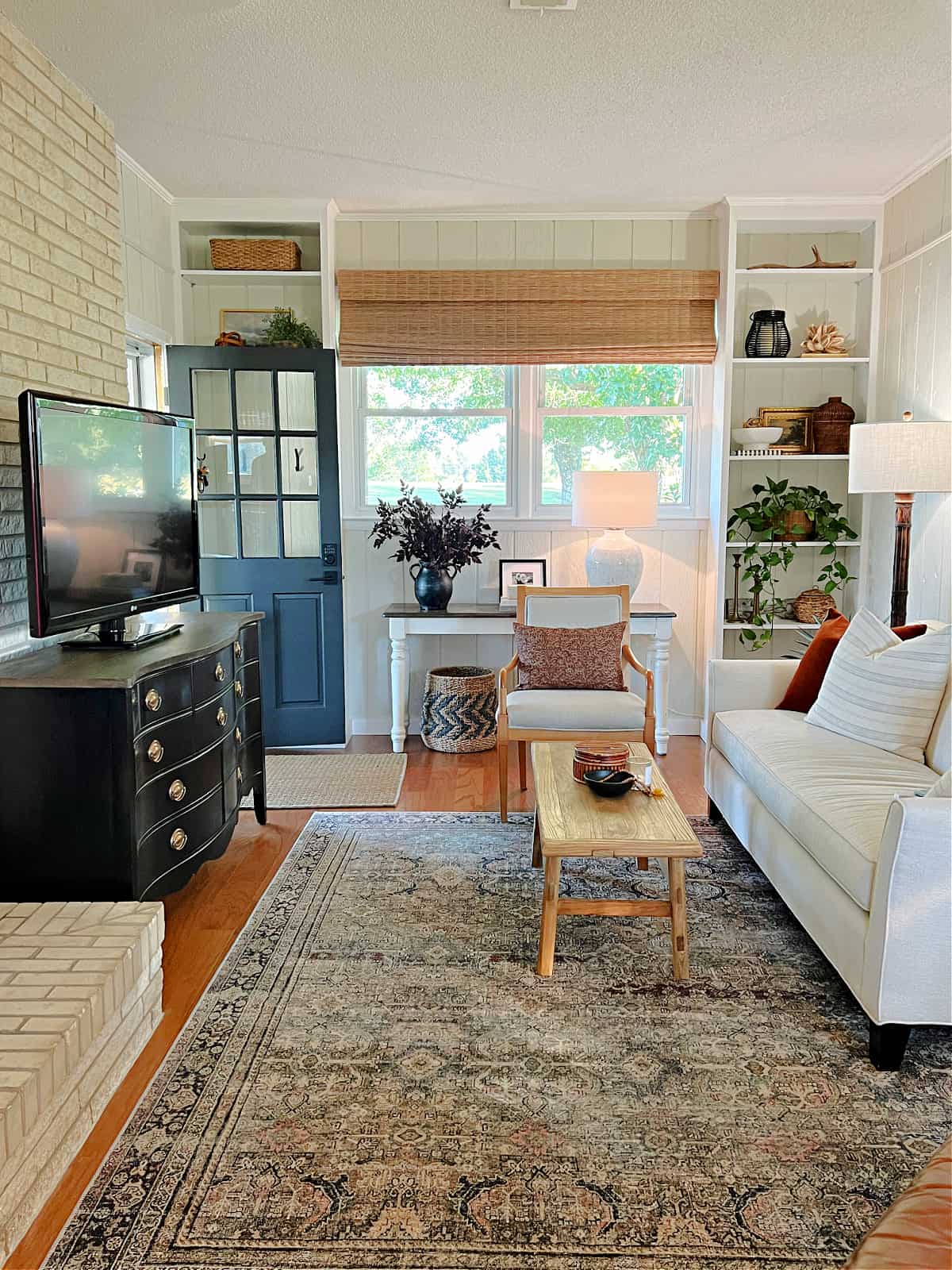
Image Source: www.chatfieldcourt.com
Maximizing Your Narrow Living Room’s Potential
Narrow living rooms often present a unique decorating puzzle. The challenge lies in fitting essential furniture pieces without making the room feel cramped or blocked. But don’t let the shape discourage you! By following a few key principles, you can transform your long, lean space into a functional and inviting heart of your home.
Strategic Furniture Selection: The Cornerstone of Success
Choosing the right furniture is paramount. Forget bulky, oversized pieces that will dominate the room. Instead, opt for slim furniture designs and pieces that serve multiple purposes.
Embracing Space-Saving Furniture
Space-saving furniture is your best friend in a narrow living room. Think about pieces that are proportioned correctly for the space and don’t jut out unnecessarily.
- Slim Sofas and Loveseats: Instead of a large sectional, consider a sleek, straight-lined sofa or a stylish loveseat. Look for styles with exposed legs, as this creates a sense of openness by allowing light and air to flow underneath.
- Armless Chairs: These take up less visual and physical space than chairs with substantial arms.
- Nesting Tables: These are incredibly versatile. You can use them as coffee tables, side tables, or even display surfaces, and they tuck away neatly when not in use.
- Ottomans with Storage: A stylish ottoman can double as a coffee table (with a tray), extra seating, and a place to hide blankets, magazines, or remotes.
The Power of Multi-Functional Furniture
When space is at a premium, multi-functional furniture becomes an absolute game-changer.
- Sofa Beds: If your narrow living room also needs to accommodate overnight guests, a well-chosen sofa bed is a brilliant solution.
- Storage Coffee Tables: Opt for a coffee table with drawers or a lift-top to store away clutter.
- Console Tables: These can serve as a slim desk, a console behind your sofa for lamps and decor, or even a small dining surface with stools.
Optimizing Layout and Arrangement: The Art of Flow
How you arrange your furniture can dramatically impact how the room feels. The goal is to create clear pathways and avoid blocking sightlines.
Furniture Arrangement: Creating Zones and Flow
The furniture arrangement in a narrow room needs careful consideration to avoid a bowling alley effect.
- Float Furniture Away from Walls: Resist the urge to push all your furniture against the walls. Pulling your sofa and chairs slightly away from the walls can create a sense of depth and make the room feel wider.
- Create Distinct Zones: Even in a narrow space, you can create functional zones. For example, a seating area and a smaller reading nook. Use furniture placement to define these areas.
- Consider the Focal Point: Identify a natural focal point in the room – a window with a view, a fireplace, or a TV. Arrange your furniture around this focal point to create a cohesive setup.
- Scale is Key: Ensure your furniture pieces are appropriately scaled for the room’s dimensions. A few well-chosen, smaller-scale pieces will work much better than one oversized item.
Example Furniture Arrangement
Here’s a possible furniture arrangement for a narrow living room:
| Furniture Piece | Placement | Purpose |
|---|---|---|
| Sofa | Centered on the longer wall, pulled slightly away from it. | Main seating, focal point. |
| Armchairs (2) | Placed perpendicular to the sofa, facing each other, creating a U-shape. | Additional seating, conversation area. |
| Coffee Table | In front of the sofa, centered. | Surface for drinks, decor, storage. |
| Slim Side Table | Next to the sofa or an armchair. | Lamp, drinks, small decor. |
| Console Table | At the end of the room, against the shorter wall, or behind the sofa. | Storage, display, or potential workspace. |
| Rug | Under the front legs of the sofa and chairs to anchor the seating area. | Defines the seating zone, adds warmth and texture. |
Visual Tricks: The Illusion of Space
Beyond furniture, several visual strategies can make your narrow living room feel more spacious and inviting.
Mirror Placement: Doubling Your Space
Mirror placement is a classic trick for making rooms feel larger.
- Large Wall Mirror: Hang a large mirror on one of the longer walls. This will reflect light and the opposite side of the room, creating a sense of depth and making the space appear wider.
- Opposite a Window: Position a mirror opposite a window to maximize the reflection of natural light.
- Group Smaller Mirrors: A collection of smaller decorative mirrors can also be effective, adding visual interest and reflecting light.
Rug Placement: Guiding the Eye and Defining Zones
Proper rug placement can do wonders for a narrow room.
- Anchor the Seating Area: Place a rug so that at least the front legs of your main seating pieces (sofa, chairs) are on it. This visually ties the furniture together and defines the seating zone.
- Runner Rugs: In very long, narrow rooms, a runner rug can effectively guide the eye down the length of the room, making it feel more cohesive and less like a corridor.
- Avoid Too Small: A rug that is too small will make the room feel even smaller and the furniture look as though it’s floating awkwardly.
Light-Colored Paint: Brightening the Atmosphere
The color of your walls plays a significant role in how a space feels. Light-colored paint is your best friend in a narrow room.
- Whites, Creams, and Pastels: These hues reflect light and create an airy, open atmosphere.
- Cool Tones: Blues and greens can also make a space feel larger and more serene.
- Accent Wall: While light colors are generally preferred, you can strategically use a slightly darker or bolder color on one of the shorter walls to visually “pull” it in, making the room feel more balanced. Avoid dark colors on the long walls, as this can make the room feel even more enclosed.
Leveraging Vertical Space: Reaching for the Sky
Don’t forget the space above your head! Utilizing vertical storage is crucial for keeping your narrow living room organized and clutter-free.
Maximizing Vertical Storage
- Tall, Slim Bookshelves: Opt for bookshelves that extend upwards. This draws the eye up, making the ceiling feel higher, and provides ample storage without taking up much floor space.
- Wall-Mounted Shelving: Floating shelves are excellent for displaying decor, books, or even housing smaller storage boxes.
- Vertical Cabinets: Consider tall, narrow cabinets for closed storage, which can hide away less attractive items and maintain a clean look.
- Hanging Plants: Bringing greenery into the room can add life and draw the eye upwards.
The Importance of Decluttering: Clearing the Path
Decluttering is not just an aesthetic choice; it’s a functional necessity in a narrow living room.
- Ruthless Edit: Go through your belongings and get rid of anything you don’t need or love. Less clutter means more visual space.
- Smart Storage Solutions: Invest in stylish storage baskets, bins, and decorative boxes to corral smaller items.
- Regular Tidy-Up: Make it a habit to put things back in their place to prevent clutter from accumulating.
Designing for Depth: Specific Strategies
Let’s dive into more specific ways to create the illusion of width and depth.
Strategic Lighting: Brightening and Expanding
Good lighting can transform a narrow room.
- Layer Your Lighting: Use a combination of overhead lighting, task lighting (like reading lamps), and accent lighting. This creates depth and visual interest.
- Wall Sconces: These are excellent for providing light without taking up floor or table space.
- Uplighting: Lamps that cast light upwards can make ceilings appear higher.
Furniture Arrangement Tactics: Beyond the Basic
Consider more nuanced furniture arrangement tactics.
- The “Zone” Approach: Imagine dividing your room into distinct functional zones (e.g., seating, media, reading). Use furniture to delineate these areas.
- Traffic Flow: Always ensure there’s a clear path for walking through the room. Avoid placing furniture in a way that obstructs natural movement.
- Diagonal Placement: Sometimes, placing a piece of furniture like a sofa or an armchair at a slight angle can break up the straight lines of the room and create a more dynamic feel.
Color and Pattern Considerations: Enhancing Perception
Color and pattern can play a significant role in how a narrow room is perceived.
- Monochromatic Color Schemes: Using variations of the same color can create a seamless and expansive feel.
- Vertical Stripes: On walls or in textiles, vertical stripes can draw the eye upwards, making the ceiling appear higher.
- Horizontal Lines: Conversely, subtle horizontal lines in furniture or decor can emphasize the length of the room in a positive way, making it feel more grounded.
Choosing the Right Furniture Scale and Proportion
This bears repeating: scale and proportion are crucial.
Slim Furniture Designs and Their Impact
Slim furniture designs are specifically engineered to fit into smaller spaces without overwhelming them.
- Tapered Legs: Furniture with tapered or slender legs appears lighter and less bulky.
- Low-Profile Pieces: Sofas and chairs with lower backs create an open sightline across the room.
- Armless and Leggy: Prioritize furniture that is armless or has minimal, sleek arms, and always choose pieces with visible legs.
The Psychology of Perception: Tricks of the Eye
We can use psychological principles to trick the eye.
Creating the Illusion of Width
- Horizontal Emphasis: Use horizontal elements like wide, low artwork, long, low shelves, or even horizontally striped rugs to visually widen the space.
- Wall Color on the Ceiling: Painting the ceiling a lighter shade than the walls can make the room feel taller. Alternatively, a pale color can make it recede.
- Diagonal Lines: Introducing diagonal lines, perhaps in a rug pattern or a furniture placement, can disrupt the linear nature of a narrow room and add a sense of movement and openness.
Case Study: A Narrow Living Room Transformation
Let’s visualize this with a hypothetical narrow living room measuring 10ft x 20ft.
Before:
- Bulky sofa placed against the long wall.
- Two oversized armchairs blocking pathways.
- Cluttered coffee table.
- Dark wall colors.
- No clear focal point or defined zones.
After:
- A slim, light-grey sofa is floated slightly away from the long wall.
- Two stylish armless accent chairs are placed opposite the sofa, creating a conversation area.
- A nesting coffee table with a glass top is used in front of the sofa.
- A tall, slim bookshelf is placed against one of the shorter walls, offering vertical storage.
- A large mirror is hung on the opposite long wall.
- A light blue paint is applied to the walls, and the ceiling is painted white.
- A large, neutral-toned rug anchors the seating area, with its edges extending under the front legs of the sofa and chairs.
- A slim console table behind the sofa holds a lamp and a few decorative items.
- Decluttering has removed unnecessary items, and stylish baskets hold remotes and throws.
This transformation prioritizes space-saving furniture, smart furniture arrangement, strategic mirror placement, and the use of light-colored paint and vertical storage to create an inviting and seemingly wider space.
Frequently Asked Questions (FAQ)
Q1: What is the best sofa for a narrow living room?
A: The best sofa for a narrow living room is typically a straight-lined, slim sofa or a loveseat with exposed legs. Avoid oversized sectionals or sofas with deep seating that can make the room feel cramped. Look for slim furniture designs that are proportioned to the space.
Q2: How can I make a narrow living room feel wider?
A: You can make a narrow living room feel wider by using light-colored paint, strategically placing mirrors (especially on longer walls), choosing furniture with exposed legs to create a sense of openness, and arranging furniture to create clear pathways. Employing horizontal lines in decor can also help.
Q3: Can I use a rug in a narrow living room?
A: Yes, absolutely! Rug placement is key. Use a rug to anchor your main seating area, ensuring at least the front legs of your sofa and chairs sit on it. This defines the zone and adds warmth. For very long, narrow rooms, a runner rug can help guide the eye and make the space feel more cohesive.
Q4: Is vertical storage important in a narrow living room?
A: Yes, vertical storage is extremely important. Tall, slim bookshelves and wall-mounted shelves draw the eye upwards, making the room feel taller and more spacious, while also providing essential storage without taking up valuable floor space.
Q5: How do I arrange furniture in a narrow living room without it looking like a hallway?
A: To avoid a hallway look, try floating furniture slightly away from the walls instead of pushing everything against them. Create distinct seating zones and ensure clear traffic flow. Consider placing furniture at angles or perpendicular to the longest walls to break up the linear effect.
By implementing these strategies, your narrow living room can become a comfortable, stylish, and spacious-feeling retreat.