
Can you make a narrow living room look bigger and feel more comfortable? Absolutely! The key to furnishing a narrow living room is to embrace clever design choices and space-saving furniture that maximizes your available square footage. With the right approach to narrow room decor, even the longest, thinnest spaces can transform into stylish and functional living areas. This guide will walk you through the best strategies and small living room ideas to help you achieve this.
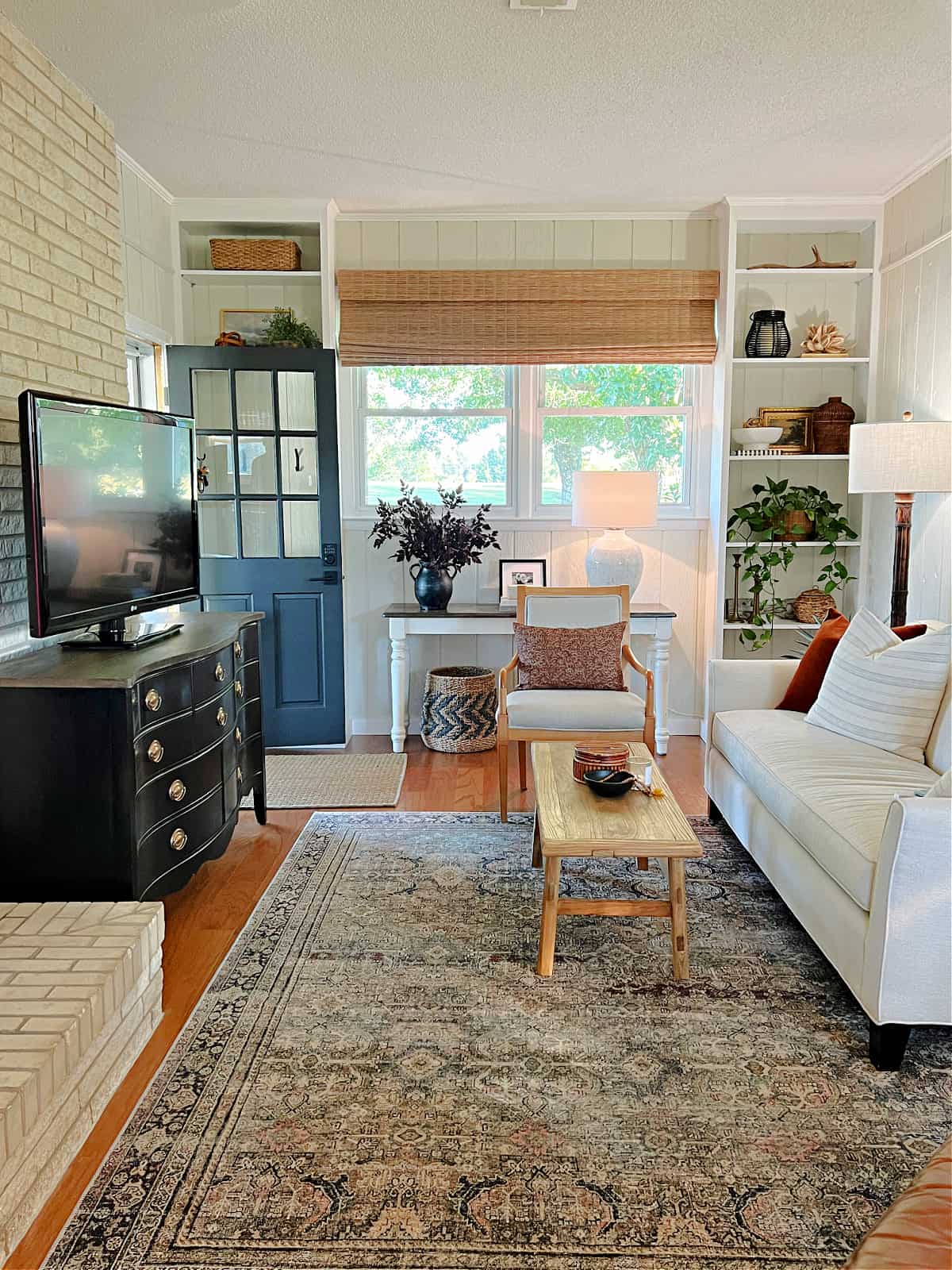
Image Source: www.chatfieldcourt.com
Deciphering Furniture Arrangement for Narrow Spaces
Arranging furniture in a narrow room can feel like a puzzle, but with a strategic plan, you can create a harmonious and inviting atmosphere. The goal is to guide the eye and create flow, making the room feel wider and more balanced.
The Long Wall Strategy
One of the most common challenges in a narrow living room is the feeling of being in a bowling alley. To combat this, orient your largest pieces of furniture, like your sofa, parallel to the longest wall.
Sofa Placement
- Against the Long Wall: Placing your sofa directly against the longest wall is a foundational step. This creates a clear pathway on the opposite side and anchors the room.
- Floating Option: If your room is exceptionally narrow, you might consider floating the sofa a few inches away from the wall to create a subtle sense of depth.
- Consider the Scale: Opt for a sofa that fits the scale of the room. A massive sectional will overwhelm a narrow space. Look for slim furniture for small spaces with clean lines and a lower profile.
Complementary Seating
- Armless Chairs: Choose armless chairs or slipper chairs that take up less visual and physical space. These can be placed perpendicular to the sofa or angled towards it.
- Ottomans or Poufs: Instead of bulky armchairs, consider ottomans or poufs. They can serve as extra seating, footrests, or even impromptu coffee tables with a tray.
- Chairs on the Opposite Side: Place one or two chairs on the opposite side of the sofa, facing inwards. This creates a conversation area without blocking the main walkway.
Creating Zones for Functionality
Even in a narrow space, you can create distinct zones for different activities. This makes the room feel more organized and less like a single, long corridor.
Seating Area
This is typically the main focus. Arrange your sofa and accent chairs to encourage conversation.
Secondary Zone Ideas
- Reading Nook: Place a comfortable armchair with a small side table and a floor lamp in a corner.
- Workstation: If space allows, a slim console table or a floating desk can serve as a compact workspace.
- Display Area: Utilize wall space for shelves or a narrow console table to showcase art or decorative items.
The Importance of Pathways
Maintaining clear pathways is crucial in a narrow living room. Avoid placing furniture that obstructs movement from one end of the room to the other. Aim for at least 3 feet of clearance for main walkways.
Embracing Space-Saving Furniture
The cornerstone of furnishing a narrow living room is selecting space-saving furniture that offers maximum utility without sacrificing style or comfort.
Multifunctional Furniture is Your Best Friend
Multifunctional furniture is a game-changer for narrow spaces. Pieces that serve multiple purposes reduce the number of items you need, freeing up valuable floor space.
Key Multifunctional Pieces
- Storage Ottomans: These are incredibly versatile. They can be used as coffee tables, extra seating, or to store blankets, magazines, or even toys.
- Nesting Tables: A set of nesting tables can be pulled out when needed for drinks or snacks and tucked away when not in use, taking up minimal space.
- Sofa Beds or Daybeds: If your narrow living room also needs to accommodate overnight guests, a sofa bed or a stylish daybed is an excellent solution.
- Lift-Top Coffee Tables: These tables often have hidden storage and a surface that can be raised to a comfortable height for dining or working.
Slim Furniture for Small Spaces: A Design Philosophy
When selecting furniture, prioritize pieces with a slim profile and clean lines. These items appear less bulky and contribute to a more open feel.
Sofa Selection
- Loveseats and Two-Seaters: Opt for a loveseat or a smaller two-seater sofa instead of a large sectional.
- Sleeper Sofas: Many modern sleeper sofas are designed to be sleek and comfortable for everyday use, with hidden beds for guests.
- Armless Sofas: Sofas without arms can save inches of space and make the room feel wider.
Chair Choices
- Armless Accent Chairs: As mentioned, armless chairs are ideal.
- Slim Armchairs: If you prefer chairs with arms, choose those with slim, streamlined arms.
- Stools and Benches: These can be easily tucked under tables or pushed against walls when not in use.
The Power of Vertical Storage Solutions
When floor space is limited, look up! Vertical storage solutions are essential for keeping narrow living rooms tidy and organized.
Smart Shelving Options
- Floating Shelves: These create a clean, modern look and are perfect for displaying books, photos, and decorative items without the visual bulk of traditional bookcases.
- Tall, Narrow Bookcases: A tall, slim bookcase draws the eye upwards, adding height to the room and providing ample storage. Secure them to the wall for safety.
- Corner Shelves: Utilize awkward corner spaces with corner shelving units to maximize every inch.
Wall-Mounted Furniture: A Space-Saving Marvel
Wall-mounted furniture is a brilliant way to keep the floor clear, making the room feel larger and more airy.
Examples of Wall-Mounted Solutions
- Wall-Mounted TV Units: Instead of a bulky media console, mount your television and opt for floating shelves or shallow cabinets underneath.
- Wall-Mounted Desks: A foldable or floating desk is perfect for a small home office setup without taking up floor space.
- Wall-Mounted Cabinets and Drawers: These can provide discreet storage for anything from electronics to linens.
Narrow Room Decor: Creating an Illusion of Width
Narrow room decor goes beyond just furniture placement; it involves using color, light, and visual tricks to make the space feel more expansive.
Light Colors for Narrow Rooms: The Golden Rule
Light colors for narrow rooms are non-negotiable. They reflect light, making the space feel brighter, airier, and consequently, wider.
Wall and Ceiling Colors
- Whites and Off-Whites: Classic choices that maximize light reflection.
- Pale Grays and Blues: Serene and calming, these colors can also help create a sense of openness.
- Soft Pastels: Think pale mint green, baby blue, or blush pink for a subtle touch of color.
- Ceiling Color: Paint the ceiling a lighter shade than the walls, or the same shade of white, to further enhance the feeling of height and airiness.
Furniture and Fabric Choices
- Light-Colored Upholstery: Opt for sofas and chairs in lighter fabrics.
- Neutral Tones: Use a neutral color palette for your main furniture pieces and introduce pops of color through accessories.
Creating Depth in Narrow Rooms: Visual Tricks
Creating depth in narrow rooms is about tricking the eye into perceiving more space than is actually there.
Mirror Magic
- Large Wall Mirrors: Place a large mirror on one of the longest walls. It will reflect light and the opposite side of the room, creating the illusion of a much wider space.
- Strategically Placed Mirrors: A mirror placed opposite a window can double the natural light and the view.
Lighting is Key
- Layered Lighting: Don’t rely on a single overhead light. Use a combination of floor lamps, table lamps, and wall sconces to illuminate the room evenly and create ambiance.
- Uplighting: Floor lamps that cast light upwards can make the ceiling appear higher, adding to the sense of space.
- Natural Light: Maximize natural light by using sheer curtains or blinds that can be easily opened.
Wall Treatments and Art
- Horizontal Stripes: While subtle, horizontal stripes on a wall (perhaps an accent wall at the far end of the room) can visually widen the space.
- Gallery Walls: A well-curated gallery wall with varying frame sizes can draw the eye upwards and across, breaking up the linear feel of a narrow room.
- Large-Scale Art: One or two large pieces of art can make a bigger impact than many small ones, which can feel cluttered.
Strategic Furniture Placement for Width
Beyond the long wall strategy, consider how furniture placement can enhance perceived width.
Furniture Arrangement Narrow Space Considerations
- Avoid Blocking Sightlines: Ensure that furniture doesn’t create visual barriers that cut the room in half.
- Break Up the Long Lines: Use furniture pieces like a console table or a narrow bench to break up the long expanse.
- Diagonal Placement (with Caution): While generally avoided, placing a single piece like an accent chair diagonally in a corner can sometimes disrupt the linear feel and add visual interest. Use this sparingly.
The Illusion of a Wider Room
- Round Coffee Tables: A round coffee table can soften the hard lines of a narrow room and encourage easier movement around it.
- Leggy Furniture: Furniture with visible legs (sofas, chairs, tables) creates a sense of airiness as it allows light and the floor to be seen underneath.
Specific Furniture Recommendations for Narrow Living Rooms
Let’s get down to specifics. Here are some types of furniture that work exceptionally well in narrow living rooms.
Sofas and Seating
- Slim-Arm Sofas: Look for sofas with low-profile, narrow arms.
- Loveseats: A perfect fit for smaller narrow living rooms.
- Armless Chairs: As mentioned, these are excellent for creating conversational groupings.
- Swivel Chairs: These can be easily turned to face different areas of the room without needing to be moved.
Tables
- Nesting Tables: Versatile and space-saving.
- Console Tables: Ideal for placement behind a sofa or against a wall for decor and slim storage.
- Round Coffee Tables: Soften the lines and improve flow.
- C-Tables: These slide easily under a sofa or chair, providing a convenient surface without taking up much room.
Storage
- Tall, Narrow Bookcases: Draw the eye up and offer significant storage.
- Floating Shelves: For a modern, airy look.
- Wall-Mounted Cabinets: Discreet and efficient.
- Storage Benches: Can be placed by the entrance or under a window for seating and storage.
Other Essential Pieces
- Slim Console Table: Can be used as a desk or display surface.
- Floor Lamps with a Small Footprint: Provide ample light without consuming much floor space.
- Wall-Mounted Lighting: Frees up floor and surface space.
Putting It All Together: A Sample Layout Strategy
Imagine a narrow living room that is 10 feet wide and 20 feet long. Here’s how you might furnish it:
Layout Idea 1: The Classic Corridor Solution
- Sofa: Place a slim, 7-foot loveseat against one of the 20-foot walls.
- Coffee Table: Use a round, relatively small coffee table in front of the sofa.
- Accent Chairs: Position two armless accent chairs facing the sofa, angled slightly inwards, on the opposite 20-foot wall. Leave adequate space between the sofa and chairs for a walkway.
- Console Table: Place a slim console table behind the sofa if there’s room, or against the wall opposite the accent chairs.
- Wall Storage: Install floating shelves above the console table or on the wall opposite the sofa for books and decor.
- Lighting: Use a floor lamp in one corner and a table lamp on the console table.
Layout Idea 2: Creating Two Zones
- Main Seating Area: Place a sofa against a 20-foot wall. In front of it, place a coffee table.
- Secondary Zone: At the far end of the room, perpendicular to the sofa, place a slim console table. Mount a TV above it or use a slim wall-mounted TV unit.
- Occasional Seating: Place a stylish armchair or two facing the console table and TV, or angled towards the main sofa if space allows.
- Flow: Ensure a clear path remains from the entrance to the secondary zone.
- Vertical Emphasis: Use tall, narrow bookcases or wall shelves on the longer walls to draw the eye upwards.
Frequently Asked Questions (FAQ)
What kind of sofa is best for a narrow living room?
The best sofas for a narrow living room are typically slim-arm sofas, loveseats, or two-seater sofas with a lower profile. Avoid bulky sectionals or sofas with wide arms, as they can overwhelm the space and make it feel even narrower. Consider sofas with visible legs, as this creates a sense of openness.
How can I make my narrow living room feel wider?
To make a narrow living room feel wider, use light colors for narrow rooms on walls and ceilings, strategically place mirrors to reflect light and space, opt for slim furniture for small spaces, and ensure good lighting with multiple light sources. Drawing the eye upwards with vertical storage solutions can also create an illusion of greater width.
Should I use a rug in a narrow living room?
Yes, a rug can define a seating area and add warmth and texture to a narrow living room. Opt for a rug that is proportional to your seating arrangement. A rug that is too small can make the room feel disjointed, while a rug that is too large can overwhelm the space. A rectangular rug with its longer side running across the width of the room can help visually widen the space. Alternatively, a runner rug can guide the eye down the length of the room.
What is the best way to arrange furniture in a narrow living room?
The best approach for furniture arrangement in a narrow space is often to place the largest piece, like the sofa, against the longest wall. This creates a clear walkway. Then, arrange complementary seating like accent chairs perpendicular to the sofa or facing it to create a conversation area. Ensure there are clear pathways of at least 3 feet for easy movement.
Are wall-mounted furniture pieces a good idea for narrow rooms?
Absolutely! Wall-mounted furniture is an excellent choice for narrow living rooms because it keeps the floor clear, which makes the room feel much larger and more open. Items like wall-mounted TVs, floating shelves, and wall-mounted cabinets are highly effective for maximizing space.