
A smelly kitchen sink is a common and unpleasant problem. Can you get rid of kitchen sink smells quickly? Yes, you can, by addressing the root causes of the odor and employing effective cleaning methods. This guide will walk you through how to tackle that offensive odor and keep your kitchen smelling fresh.
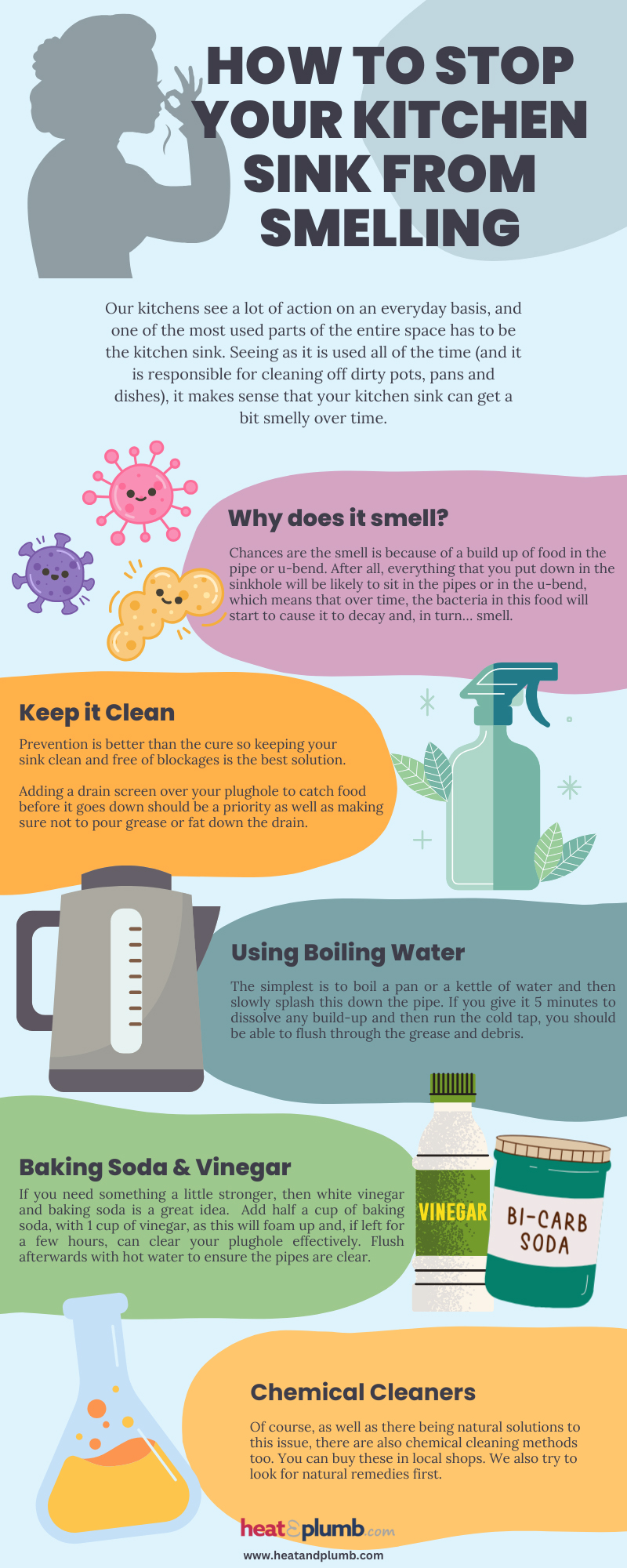
Image Source: www.heatandplumb.com
The Culprits Behind Kitchen Sink Smells
Before we dive into solutions, it’s important to understand why your kitchen sink might be emitting foul odors. The primary reasons are usually a buildup of food particles, grease, and other organic matter that can decompose and create a breeding ground for bacteria.
Food Debris Accumulation
Every time you wash dishes or rinse food scraps, tiny bits of food can get trapped in the drain. Over time, these particles stick to the sides of the pipes and the sink strainer, creating a sticky film. As this film breaks down, it releases gases that cause unpleasant smells.
Grease and Fat Buildup
Cooking oils, fats, and grease are liquid when hot but solidify as they cool. When poured down the drain, they coat the inside of the pipes. This grease layer traps food particles, accelerating decomposition and odor production. This is a major contributor to blockages and persistent smells.
Bacteria and Mold Growth
The dark, moist environment inside your pipes is ideal for bacteria and mold. When food scraps and grease provide a food source, these microorganisms thrive. Their metabolic processes release sulfur compounds, which are responsible for the characteristic rotten egg or sewage-like smell.
Garbage Disposal Issues
If you have a garbage disposal, it can be a significant source of sink odors. Food particles can get lodged in the grinding chamber, under the rubber splash guard, and in the disposal’s housing. These trapped bits will decompose, leading to smells that can emanate from the sink drain.
The P-Trap’s Role
The P-trap, the U-shaped pipe under your sink, is designed to hold water. This water seal prevents sewer gases from rising into your home. However, if the P-trap is not functioning correctly or if it’s clogged with debris, it can trap foul-smelling gases or become a repository for stagnant water and decaying matter.
Sink Strainer Stagnation
Your sink strainer is meant to catch larger food particles. If it’s not cleaned regularly, it can become a breeding ground for bacteria and a trap for decomposing food, contributing to sink odors.
Fast-Acting Solutions for Sink Smells
When you need to eliminate that smell right now, several methods can provide quick relief. These often involve using common household items that are effective at breaking down odor-causing substances.
The Classic: Baking Soda and Vinegar Power
One of the most popular and effective natural remedies for a smelly sink is the combination of baking soda and vinegar. This dynamic duo creates a chemical reaction that helps to loosen and break down grime, kill bacteria, and neutralize odors.
How to Use:
- Pour Baking Soda: Start by pouring about half a cup to a full cup of baking soda directly down the drain. Make sure it coats the sides as much as possible.
- Add Vinegar: Follow up by pouring an equal amount of white vinegar over the baking soda. You’ll notice an immediate fizzing reaction. This is the vinegar (an acid) reacting with the baking soda (a base) to produce carbon dioxide gas, which helps to dislodge gunk.
- Let It Sit: Cover the drain opening (a plug or a wet cloth works well) to keep the fizzing action contained within the pipes for at least 15-30 minutes, or even longer for tougher smells.
- Flush with Hot Water: After the sitting period, pour a kettle of boiling water down the drain. This flushes away the loosened debris and the residue from the baking soda and vinegar.
This method is excellent for general drain cleaning and odor elimination.
Hot Water Flush
Sometimes, a simple flush with very hot water can help. The heat can melt away accumulated grease and wash down loose debris.
How to Use:
- Boil Water: Heat a kettle or a pot of water to boiling.
- Pour Slowly: Carefully and slowly pour the boiling water directly down the drain.
- Repeat if Necessary: For persistent smells, you might need to repeat this process a couple of times. Be cautious when handling boiling water to avoid burns.
Bleach and Water Solution (Use with Caution)
While not a natural remedy, a diluted bleach solution can be effective for odor-eliminating due to its disinfectant properties. However, it’s crucial to use this method with extreme caution. Never mix bleach with other cleaners, especially ammonia or vinegar, as this can create toxic fumes. Also, avoid using bleach regularly on pipes as it can degrade them over time.
How to Use (with extreme caution):
- Dilute Bleach: Mix about 1/4 cup of bleach with a gallon of water.
- Pour Carefully: Pour a small amount of the diluted solution down the drain.
- Let It Sit Briefly: Allow it to sit for no more than 10-15 minutes.
- Flush Thoroughly: Flush the drain thoroughly with plenty of cold water.
- Ventilate: Ensure the area is well-ventilated.
Important Warning: Never use bleach in a garbage disposal or if you have recently used vinegar or ammonia in the drain.
Deeper Cleaning for Lasting Freshness
For more stubborn smells or as a preventative measure, deeper cleaning techniques are necessary. These methods target specific areas prone to odor buildup.
Garbage Disposal Cleaning
A dirty garbage disposal is a common culprit for sink smells. Regular cleaning can keep it fresh.
What to Clean:
- Grinding Chamber: Food debris gets stuck here.
- Splash Guard: This rubber barrier often harbors mold and grime.
- Housings: The exterior and immediate under-sink areas.
Cleaning Methods:
- Ice Cubes: Toss a handful of ice cubes into the disposal and run it with cold water. The ice helps to scour the grinding chamber.
- Citrus Peels: Run lemon, lime, or orange peels through the disposal. The natural oils and acidity help to clean and deodorize.
- Baking Soda and Vinegar (Again): Pour baking soda down, followed by vinegar, let it fizz, and then flush with cold water. You can also make a paste of baking soda and water and scrub the splash guard with an old toothbrush.
- Specialized Garbage Disposal Cleaners: There are commercial products available specifically for cleaning and deodorizing garbage disposals. Follow the product instructions carefully.
Safety Tip: Always ensure the power to the garbage disposal is turned off at the breaker before attempting any manual cleaning of the splash guard or inside the unit.
Sink Strainer Deep Clean
Your sink strainer catches everything. It needs regular attention.
How to Clean:
- Remove and Scrub: Take out the sink strainer. Use an old toothbrush and a mixture of dish soap and hot water to scrub away any food particles, grease, and slime. Pay attention to the nooks and crannies.
- Soak: For extra tough grime, soak the strainer in a solution of hot water and a degreaser or a bit of baking soda and vinegar for about 30 minutes before scrubbing.
- Rinse and Replace: Rinse the strainer thoroughly and place it back in the sink.
P-Trap Cleaning
The P-trap is a critical component for preventing sewer gases from entering your home. If it’s clogged, it can smell.
How to Clean:
- Safety First: Place a bucket or basin directly underneath the P-trap to catch any water and debris.
- Loosen Fittings: Most P-traps have threaded fittings that can be loosened by hand or with adjustable pliers.
- Remove and Empty: Carefully unscrew the fittings and remove the P-trap. Empty its contents into the bucket. You’ll likely find accumulated gunk, hair, and food particles.
- Clean the Trap: Scrub the inside of the P-trap with a brush, hot water, and dish soap. You can also use the baking soda and vinegar solution for extra cleaning power.
- Reassemble: Once clean, reassemble the P-trap, ensuring the fittings are snug to prevent leaks.
- Run Water: Turn on the faucet for a minute to fill the P-trap with water and check for any leaks.
This process is a form of drain cleaning that addresses potential odor sources directly.
Preventing Sink Smells: Proactive Plumbing Maintenance
The best way to deal with sink smells is to prevent them from happening in the first place. Consistent plumbing maintenance and good habits go a long way.
What Not to Pour Down the Drain
Certain items should never be washed down your kitchen sink drain, as they contribute significantly to clogs and odors.
- Grease, Fats, and Oils: As mentioned, these solidify and coat pipes.
- Coffee Grounds: They don’t dissolve and can clump together.
- Eggshells: The membrane inside can stick to pipes, and the shells can grind into a paste.
- Fibrous Foods: Celery, corn husks, artichokes, and similar items don’t break down well.
- Starchy Foods: Rice and pasta can expand and create blockages.
- Chemicals: Harsh chemicals can damage pipes and are bad for the environment.
Regular Cleaning Schedule
Establish a routine for cleaning your sink and drain.
- Daily: Rinse the sink with hot water after use. Wipe down the sink basin and faucet.
- Weekly: Use the baking soda and vinegar method, clean the sink strainer, and wipe down the garbage disposal splash guard.
- Monthly: Consider a more thorough drain cleaning or garbage disposal cleaning.
Using a Sink Strainer Effectively
Always use a sink strainer. It’s your first line of defense against food particles entering the drain. Ensure you empty it into the trash, not down the garbage disposal, as this increases the disposal’s workload.
The Role of Enzymes in Drain Cleaning
Enzyme-based drain cleaners are a great natural option for ongoing maintenance. These cleaners contain beneficial bacteria that consume organic waste, breaking it down into harmless byproducts. They are gentler on pipes than harsh chemicals and are excellent for preventing clogs and odors.
Professional Plumbing Check-ups
Periodically, consider having a plumber inspect your drains and pipes. They can identify potential issues, such as sagging pipes or minor leaks, that might be contributing to odor problems or future blockages. This is a crucial part of overall plumbing maintenance.
Troubleshooting Persistent Smells
If you’ve tried these methods and the smell persists, there might be a more significant issue.
Check the Vent Pipe
Your plumbing system has vent pipes that allow sewer gases to escape through your roof. If a vent pipe is blocked (by leaves, animal nests, etc.), gases can be forced back into your home through drains, causing foul odors. This is a more complex issue that may require professional help.
Investigate the Garbage Disposal Installation
Improper installation of a garbage disposal can lead to smells. Ensure it’s correctly connected to the drain line and vented properly if required by local codes.
Sewer Line Issues
In rare cases, persistent, strong sewage odors can indicate a problem with your main sewer line, such as a blockage or a break. If you suspect this, contact a plumber immediately.
Summary Table of Solutions
| Problem | Quick Fix Methods | Deeper Cleaning/Prevention |
|---|---|---|
| General Sink Odor | Baking soda & vinegar, hot water flush | Regular baking soda & vinegar, enzyme cleaners |
| Garbage Disposal Smells | Baking soda & vinegar in disposal, ice cubes | Regular ice cube & citrus peel runs, specialized cleaners |
| Grease Buildup | Hot water flush | Enzyme cleaners, avoid pouring grease down drain |
| Trapped Food Particles | Baking soda & vinegar | Regular sink strainer cleaning, proper disposal habits |
| P-Trap Odors | (Requires deeper cleaning) | P-trap cleaning, ensure proper water seal |
| Sink Strainer Grime | (Requires deeper cleaning) | Daily emptying, weekly scrubbing |
| Persistent Foul Odors | (May require professional help) | Vent pipe check, main sewer line inspection |
Frequently Asked Questions (FAQ)
How often should I clean my kitchen sink drain?
For most households, performing the baking soda and vinegar treatment weekly or bi-weekly is sufficient for odor prevention and basic drain cleaning. More intense cleaning of the garbage disposal and sink strainer should also be done regularly.
Can I use commercial drain cleaners for smells?
While commercial drain cleaners can sometimes clear blockages and temporarily eliminate odors, many contain harsh chemicals that can damage your pipes and the environment. It’s generally better to opt for natural remedies like baking soda and vinegar or enzyme-based cleaners for regular maintenance. If you do use a commercial cleaner, ensure it’s specifically for odor elimination and follow the instructions precisely.
Why does my sink smell like rotten eggs?
The rotten egg smell is typically due to hydrogen sulfide gas, produced by bacteria breaking down organic matter in the drain pipes. This is common when grease and food particles accumulate.
Is it safe to pour bleach down the drain?
Diluted bleach can be used sparingly for odor-eliminating, but it should be done with extreme caution. Never mix bleach with other cleaners, especially ammonia or vinegar, as this creates toxic fumes. It’s best to use it only when necessary and to ensure the area is well-ventilated, flushing thoroughly afterward. Natural methods are generally safer for your plumbing and health.
What is a good natural remedy for preventing sink smells?
Regularly using a mixture of baking soda and vinegar, followed by a hot water flush, is an excellent natural remedy for preventing sink smells. Enzyme-based drain cleaners are also highly recommended for ongoing maintenance as they continuously break down organic waste.
By understanding the causes of sink odors and implementing these effective cleaning and prevention strategies, you can swiftly eliminate unpleasant smells and maintain a fresh, hygienic kitchen. Consistent plumbing maintenance is key to a healthy home environment.