
Can I use baking soda and vinegar to get rid of a smelly kitchen drain fast? Yes, this classic natural combination is one of the most effective and eco-friendly ways to tackle drain odor removal and is a key part of kitchen sink cleaning. It’s a safe alternative to harsh chemical cleaners and can also help with minor clogs.
A foul odor emanating from your kitchen sink isn’t just unpleasant; it’s a signal that something is amiss in your drain pipes. This smell can range from mildly unpleasant to downright offensive, making your kitchen a less inviting space. Fortunately, you don’t need a cabinet full of harsh chemicals to combat this problem. The humble power of baking soda and vinegar, readily available in most kitchens, offers a potent and natural solution. This guide will walk you through how to use this dynamic duo to eliminate drain smells, keep your pipes clean, and even help with drain fly prevention.
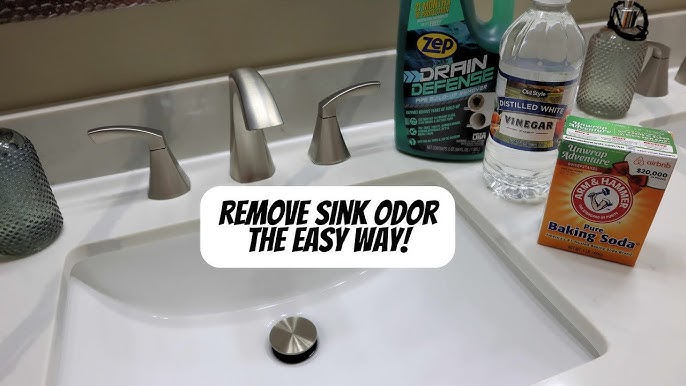
Image Source: i.ytimg.com
Why Do Kitchen Drains Smell?
Before diving into solutions, it’s helpful to understand what causes that unwelcome odor. Kitchen sinks are the frontline of food waste disposal, and over time, bits of food, grease, and soap scum can build up inside the pipes.
Common Culprits Behind Drain Odors
- Food Debris: Small particles of food, especially those that are oily or decompose quickly, can get trapped in the pipes.
- Grease and Fat: Pouring cooking grease down the drain might seem convenient, but it solidifies as it cools, coating the inside of your pipes and trapping other debris. This sticky layer becomes a breeding ground for bacteria.
- Soap Scum: While not directly food-related, soap scum also accumulates on pipe walls. It can combine with hair and other particles to create a sticky mass.
- Bacteria and Mold: The moist environment inside pipes is ideal for bacteria and mold growth. These microorganisms feed on the trapped organic matter, producing gases that cause unpleasant smells.
- Garbage Disposal Buildup: If you have a garbage disposal, food particles can lodge in its grinding chamber and create odors, even if it seems to be working fine. Regular garbage disposal cleaning is crucial.
- Trapped Water: In P-traps (the U-shaped pipes under your sink), a small amount of water is meant to remain to block sewer gases from entering your home. If this water evaporates or is siphoned out, sewer gases can escape, causing a foul smell.
The Magic of Baking Soda and Vinegar
Baking soda (sodium bicarbonate) and white vinegar (acetic acid) are a classic cleaning partnership for a reason. When combined, they create a fizzing chemical reaction that can help dislodge grime and deodorize.
How the Reaction Works
When baking soda meets vinegar, a chemical reaction occurs:
Sodium Bicarbonate + Acetic Acid → Sodium Acetate + Water + Carbon Dioxide
The carbon dioxide gas produced is what causes the characteristic fizzing and bubbling. This bubbling action can help to physically loosen buildup on the pipe walls. The alkaline nature of baking soda helps to break down grease and grime, while the acidic nature of vinegar can further dissolve mineral deposits and kill some bacteria.
How to Use Baking Soda and Vinegar for Drain Odor Removal
This method is simple, effective, and safe for most plumbing systems. It’s a go-to for how to clean sink pipes and maintain a fresh-smelling kitchen.
Step-by-Step Guide to a Fresher Drain
-
Prepare the Drain:
- Remove any standing water from the sink if possible.
- Clear the sink of any dishes or strainers.
- If you have a garbage disposal, run it with cold water for a minute to clear out any loose debris, then turn it off.
-
Add Baking Soda:
- Pour about ½ cup to 1 cup of baking soda directly down the drain. Try to get as much as possible into the drain opening itself.
-
Add Vinegar:
- Slowly pour about 1 cup of white vinegar over the baking soda.
- You’ll immediately see and hear the fizzing reaction.
-
Cover and Let It Work:
- Quickly cover the drain opening with a sink stopper or a wet cloth. This helps to contain the fizzing action and force it down into the pipes.
- Let the mixture sit and work for at least 15-30 minutes. For tougher odors or buildup, you can leave it for up to an hour.
-
Flush with Hot Water:
- After the waiting period, remove the stopper or cloth.
- Boil a kettle of water or heat water on the stove.
- Carefully pour the hot water down the drain. This helps to flush away the loosened debris and the residue from the baking soda and vinegar.
-
Repeat if Necessary:
- For very stubborn smells or clogs, you might need to repeat the process.
Tips for Maximum Effectiveness
- Use White Vinegar: White distilled vinegar is best due to its acidity and purity. Avoid flavored vinegars.
- Hot Water is Key: Make sure the water you use to flush is hot. It helps to melt grease and carry away loosened particles.
- Consistency Matters: Performing this cleaning regularly (e.g., once a week or every two weeks) is excellent for drain maintenance and preventing future smells.
Addressing Specific Kitchen Sink Issues
While the baking soda and vinegar method is versatile, sometimes you might have more specific problems like a clogged smelly drain or odors coming from the garbage disposal.
Unclog Smelly Drain: The Baking Soda & Vinegar Boost
If your drain is not only smelly but also draining slowly, the baking soda and vinegar can still help. The fizzing action can break down some types of clogs.
- Initial Flush: Pour 1 cup of baking soda down the drain.
- Vinegar Application: Follow with 1 cup of vinegar and let it fizz for at least 30 minutes, or even longer if the clog is severe.
- Hot Water Flush: Flush with plenty of boiling water.
- Mechanical Assistance: If the clog persists, you might need to use a plunger or a drain snake. The baking soda and vinegar can make these tools more effective by softening the clog.
Garbage Disposal Cleaning with Baking Soda and Vinegar
Garbage disposals are notorious for harboring odors. Here’s how to clean yours using the natural method:
- Clear the Disposal: Run cold water and turn on the disposal to remove any loose food. Turn it off.
- Baking Soda Power: Pour ½ cup of baking soda into the disposal.
- Vinegar Fizz: Follow with ½ cup of white vinegar. Let it sit for 15-20 minutes.
- Rinse: Run cold water and turn on the disposal to flush out the mixture.
- Scrubbing (Optional): For a deeper clean, you can use an old toothbrush dipped in a baking soda and water paste to scrub around the disposal’s splash guard and the visible parts of the grinding chamber.
How to Clean Sink Pipes for Long-Term Freshness
Regularly cleaning your sink pipes, not just when they smell, is key to preventing future issues. This is part of effective drain maintenance.
- Weekly Baking Soda Rinse: Once a week, pour ½ cup of baking soda down the drain, let it sit for 10 minutes, then flush with hot water. This simple act helps prevent minor buildup from becoming a problem.
- Monthly Vinegar Treatment: Once a month, perform the full baking soda and vinegar treatment described earlier.
Natural Drain Cleaner: Beyond Baking Soda and Vinegar
While baking soda and vinegar are excellent, other natural methods can complement them for thorough kitchen sink cleaning.
Other Natural Drain Cleaning Agents
- Lemon Juice: The acidity of lemon juice can help cut through grease and leave a pleasant citrus scent. Pour fresh lemon juice down the drain, let it sit for 30 minutes, then flush with hot water.
- Salt and Hot Water: Salt can act as a mild abrasive and a deodorizer. Pour ½ cup of salt down the drain, followed by hot water.
- Boiling Water Alone: Sometimes, simply flushing the drain with a kettle of boiling water can help melt away grease buildup and eliminate minor odors. This is especially good after washing greasy dishes.
Drain Fly Prevention: A Natural Approach
Foul odors can sometimes attract drain flies, small pests that breed in the moist organic film found in drains. A clean drain is the best defense against them.
Keeping Drain Flies at Bay
- Regular Cleaning: The baking soda and vinegar method, along with consistent drain maintenance, removes the food source and breeding ground for drain flies.
- Wipe Down Surfaces: Ensure your sink and countertop surfaces are wiped clean of food scraps and spills.
- Check for Leaks: Leaky faucets or pipes can create damp areas where drain flies might thrive.
- Proper Waste Disposal: Don’t leave food waste sitting in the sink or drain for extended periods.
Troubleshooting Persistent Smells
If the baking soda and vinegar method doesn’t fully solve the problem, there might be a more significant issue.
When the Smell Lingers
- Deeper Clogs: If the drain is still sluggish or smelly, the clog might be too severe for natural methods alone. You may need to use a drain snake or a wet/dry vacuum to physically remove the obstruction.
- Vent Pipe Issues: In some cases, the smell could be related to your plumbing’s vent pipe, which allows sewer gases to escape properly. If you suspect this, you might need a professional plumber.
- Contaminated Water: Check if the smell is coming from the water itself, which could indicate an issue with your water supply.
- Septic System Problems: If you are on a septic system, an issue with the septic tank could be causing odors to back up into the house.
Frequently Asked Questions (FAQ)
Q1: How often should I use baking soda and vinegar for my kitchen sink?
A: For regular drain maintenance and to prevent odors, using the baking soda and vinegar method once every 1-2 weeks is generally recommended. If you have a persistent smell, you might need to do it more frequently, perhaps every few days, until the odor is gone.
Q2: Can baking soda and vinegar damage my pipes?
A: No, when used as directed, baking soda and vinegar are safe for most plumbing systems, including PVC and metal pipes. The reaction is mild and produces common household substances. Unlike harsh chemical drain cleaners, they are not corrosive.
Q3: My drain is completely blocked. Will baking soda and vinegar work?
A: Baking soda and vinegar are most effective for minor clogs and buildup causing odors. For a complete blockage, you will likely need to use a plunger or a drain snake to physically remove the obstruction. The natural cleaner can sometimes help loosen the clog before or after using these tools.
Q4: Is it safe to mix baking soda and vinegar with other drain cleaners?
A: It is generally not recommended to mix baking soda and vinegar with commercial chemical drain cleaners. Some chemical cleaners can produce dangerous fumes when mixed with acidic or alkaline substances. Stick to one method at a time.
Q5: Can I pour coffee grounds or eggshells down the drain?
A: It’s best to avoid pouring coffee grounds and eggshells down the drain. While small amounts might seem harmless, they can contribute to buildup and clogs over time, especially in conjunction with grease. It’s better to compost them or dispose of them in the trash.
Q6: My garbage disposal smells even after using baking soda and vinegar. What else can I do?
A: If the smell persists in your garbage disposal, try grinding a few ice cubes followed by some citrus peels (like lemon or orange). The ice helps to scour the grinding chamber, and the citrus peels leave a fresh scent. You can also try a paste of baking soda and water to scrub the disposal’s splash guard and visible parts.
Q7: What is the best way to prevent kitchen sink smells in the first place?
A: The best prevention is good habit. Scrape food scraps into the trash or compost bin before rinsing dishes. Avoid pouring grease or oil down the drain. Run cold water when using the garbage disposal and let it run for a bit afterward. Regular cleaning with baking soda and hot water will also go a long way in maintaining fresh-smelling pipes.
By understanding the causes of kitchen drain odors and utilizing the simple yet powerful combination of baking soda and vinegar, you can effectively maintain a clean, fresh-smelling kitchen sink and healthy drain pipes. This natural approach to drain odor removal and kitchen sink cleaning is not only effective but also kind to your plumbing and the environment. Consistent drain maintenance is your best bet for a problem-free sink.