
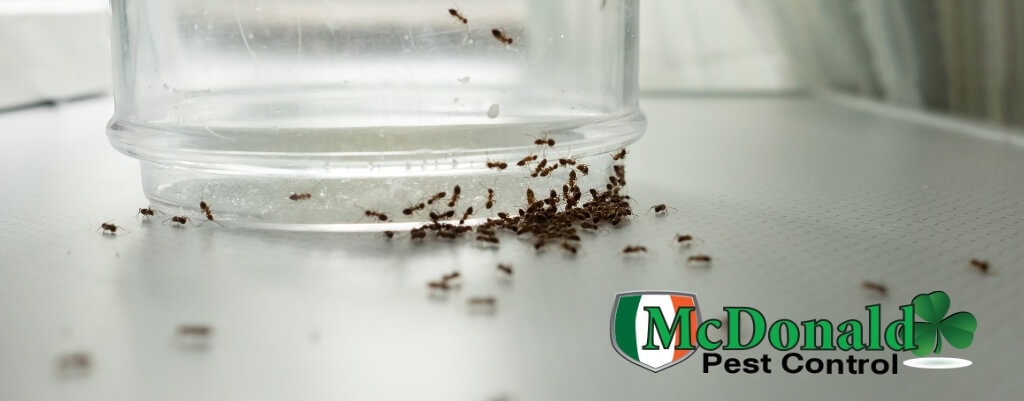
Image Source: www.mcdonaldpestcontrol.com
How To Get Rid Of Ants Around Kitchen Sink Permanently
How do I get rid of ants around my kitchen sink? You can get rid of ants around your kitchen sink permanently by combining immediate cleaning and elimination strategies with ongoing prevention measures. This multi-pronged approach addresses the root causes of ant attraction and creates a less hospitable environment for these common kitchen pests.
Dealing with an ant infestation kitchen can be a frustrating and persistent problem. Those tiny trails of ants marching across your countertops, heading straight for your sink, are a clear sign that your kitchen has become an attractive destination for them. The good news is that with the right approach, you can effectively remove ants from sink areas and prevent their return. This guide will walk you through proven methods to achieve kitchen ant control and ultimately eliminate ants permanently.
Why Ants Invade Your Kitchen Sink
Ants are primarily seeking two things: food and water. Your kitchen sink area often provides both in abundance.
- Food Sources: Even tiny crumbs, sticky residues from drinks, or grease splatters can be a feast for ants. The sink area is a common place for dishes to be rinsed or left before washing, leading to leftover food particles.
- Water Sources: Leaky faucets, damp sponges, standing water in the sink basin, or even condensation can be a significant draw for ants, especially during drier periods.
- Entry Points: Ants are masters at finding even the smallest cracks and crevices. They can enter your home through gaps in windows, doors, walls, or even small holes in plumbing.
Immediate Steps to Remove Ants from Sink Areas
When you spot those unwelcome visitors, you need to act fast. Here’s how to tackle an existing ant problem around your sink:
Cleaning for Immediate Impact
A thorough cleaning is the first and most crucial step in any kitchen ant control strategy.
- Wipe Down All Surfaces: Use a cleaning solution to wipe down countertops, the sink basin, faucet, and surrounding areas. This removes food trails and any scent markers ants use to navigate.
- Address Spills and Residues: Pay special attention to any sticky spills, sugar residues, or grease. These are prime attractants.
- Rinse and Dry Thoroughly: Ensure all surfaces are completely dry. Ants need water, so eliminating any moisture is key.
Natural Ant Deterrents and Household Ant Remedies
Before reaching for harsh chemicals, consider using safe and effective natural ant deterrents and household ant remedies. These can be just as effective and are safer for your family and pets.
- Vinegar Solution: Mix equal parts white vinegar and water in a spray bottle. Spray this solution directly on ant trails and around entry points. Vinegar disrupts their scent trails and can kill ants on contact. The strong smell also acts as a deterrent.
- Lemon Juice: Similar to vinegar, the acidity of lemon juice can disrupt ant scent trails. Wipe down surfaces with lemon juice or place lemon peels near problem areas.
- Peppermint Oil: Ants dislike the strong scent of peppermint. Mix 10-15 drops of peppermint essential oil with a cup of water in a spray bottle. Spray this around your sink and any areas where you see ants. You can also soak cotton balls in peppermint oil and place them in strategic locations.
- Cinnamon: Ants reportedly avoid cinnamon. Sprinkle ground cinnamon or place cinnamon sticks around your sink and entry points.
- Coffee Grounds: Used coffee grounds can also deter ants. Sprinkle them around the exterior of your home near potential entry points or in areas where you see ant activity.
- Cornmeal: While not a killing agent, some believe cornmeal can be a safe way to deter ants. They eat it, but it’s thought to be indigestible for them. Place small piles where you see ant activity.
- Chalk or Baby Powder: Creating a barrier with chalk or baby powder can be surprisingly effective. Ants are reluctant to cross these powdery lines. Draw a line around the base of cabinets or any entry points.
Using Ant Baits Effectively
For a more targeted approach to kitchen ant control, ant baits are often the most efficient.
- How Baits Work: Ant baits contain a slow-acting poison mixed with an attractant (usually sweet). Worker ants carry the poisoned bait back to the nest, where they share it with the colony, including the queen. This is crucial for eliminating the entire colony, not just the ants you see.
- Placement is Key: Place baits near ant trails, but out of reach of children and pets. Avoid spraying ant repellent sprays near baits, as this can deter ants from taking the bait.
- Types of Baits: Gel baits and bait stations are common. Gel baits can be applied directly to trails, while bait stations offer a contained and protected food source for ants.
- Patience is a Virtue: It might take a few days to see a significant reduction in ant activity. Resist the urge to kill the ants you see going to the bait; they are essential for carrying the poison back to the nest.
Long-Term Kitchen Ant Control and Prevention
To eliminate ants permanently, you need to focus on preventing them from returning. This involves making your kitchen less attractive and sealing off entry points.
Deep Cleaning and Decluttering
A clean kitchen is the best defense against common kitchen pests.
- Daily Sink Maintenance:
- Wash dishes promptly after meals.
- Rinse the sink basin thoroughly to remove food particles and residue.
- Wipe down the sink and faucet with a damp cloth or cleaning spray.
- Ensure the drain area is clean and free of debris.
- Dry the sink and surrounding countertops completely.
- Countertop Cleanliness: Wipe down all countertops regularly, especially after preparing food. Even small crumbs or sticky residues can attract ants.
- Appliance Care: Clean behind and under appliances like toasters, microwaves, and refrigerators where crumbs and spills can accumulate.
- Pantry Organization:
- Store food in airtight containers. This includes sugar, flour, cereal, and pet food.
- Wipe down pantry shelves regularly.
- Clean up any spills inside the pantry immediately.
- Trash Management:
- Use trash cans with tight-fitting lids.
- Empty the kitchen trash can daily, or more often if needed.
- Rinse out the trash can periodically.
Sealing Entry Points
Preventing ants from entering your home is paramount for long-term success.
- Inspect Your Kitchen: Carefully examine your sink area, cabinets, countertops, and walls for any cracks, gaps, or holes.
- Seal Gaps: Use caulk or sealant to fill any openings around pipes, windows, door frames, and baseboards.
- Check Window and Door Seals: Ensure screens are intact and that weather stripping around doors and windows is in good condition.
- Inspect for Damage: Look for any small holes or damage in walls or foundations that ants could exploit.
Managing Moisture
As mentioned, water is a major attractant.
- Fix Leaky Faucets: Even a slow drip can create a consistent water source for ants.
- Dry Sponges and Dishcloths: Wring out sponges and dishcloths thoroughly and allow them to dry completely between uses.
- Check Under the Sink: Inspect the area under your sink for any signs of leaks or dampness. Ensure the pipes and drainage are in good repair.
- Ventilation: Ensure your kitchen is well-ventilated to prevent moisture buildup.
Strategic Use of Ant Repellent Sprays (When Necessary)
While natural deterrents and baits are preferred, there are times when ant repellent sprays can be useful for immediate perimeter defense or targeted application.
- For Entry Points: If you’ve identified specific entry points, a light application of an ant repellent spray outside the home or in very small, targeted areas inside (away from food preparation surfaces) can create a barrier.
- Follow Instructions Carefully: Always read and follow the product’s label instructions precisely.
- Ventilate After Use: Ensure the area is well-ventilated after using any spray.
- Avoid Overuse: Overuse of sprays can create a resistance in ants and may not be effective for long-term control. It can also contaminate surfaces where you prepare food.
Natural Ant Deterrents for Ongoing Prevention
Continue to use natural ant deterrents as part of your routine.
- Peppermint Oil Refills: Reapply peppermint oil to cotton balls every few days.
- Vinegar Wipes: Regularly wipe down surfaces with a diluted vinegar solution as part of your cleaning routine.
- Lemon Peels: Replace lemon peels as they dry out.
Common Ant Species and Their Preferences
Knowing what kind of ants you’re dealing with can sometimes help with kitchen ant control.
| Ant Species | Common Attractants | Nesting Habits |
|---|---|---|
| Sugar Ants | Sweets, syrups, fruits, honeydew, grease | Often in wall voids, under floors, in soil |
| Pharaoh Ants | Sweets, proteins, fats, moisture | Wall voids, insulation, behind baseboards |
| Carpenter Ants | Primarily protein and sweet substances, some fats | Damp or decaying wood, insulation, wall voids |
| Odorous House Ants | Sweets, grease, decaying insects | Under floorboards, in wall voids, insulation |
It’s important to remember that regardless of the species, the fundamental needs of food, water, and shelter drive their presence in your kitchen.
A Phased Approach to Permanent Ant Elimination
To truly eliminate ants permanently around your kitchen sink, adopt a phased strategy:
Phase 1: Eradication (Immediate Action)
- Clean: Thoroughly clean the sink area and kitchen.
- Bait: Deploy ant baits strategically.
- Deter: Apply natural ant deterrents like vinegar or peppermint oil to disrupt trails and deter foraging ants.
Phase 2: Prevention (Ongoing Maintenance)
- Hygiene: Maintain a strict cleaning regimen for your kitchen.
- Seal: Inspect and seal any potential entry points.
- Moisture Control: Address any leaks or dampness immediately.
- Regular Inspections: Periodically check for new ant activity or potential entry points.
When to Call a Professional
While many ant problems can be managed with DIY methods, there are situations where professional help is advisable:
- Persistent Infestations: If you’ve tried multiple methods and the ant problem continues unabated, a professional pest control service can identify the source and apply more targeted treatments.
- Large or Aggressive Colonies: Some ant species can form very large colonies, or certain species (like carpenter ants) can cause structural damage, requiring expert intervention.
- Uncertainty about Species: If you’re unsure what type of ants you’re dealing with, a professional can help identify them and tailor the treatment plan accordingly.
Frequently Asked Questions (FAQ)
Q1: How long does it take for ant baits to work?
A1: Ant baits typically start showing results within a few days, but it can take one to two weeks to completely eliminate the colony. It’s important to be patient and avoid killing the ants you see feeding on the bait.
Q2: Can I use ant repellent sprays and baits at the same time?
A2: It’s generally not recommended to use ant repellent sprays near ant baits. The repellent can deter ants from approaching and consuming the bait, rendering the bait ineffective. Use them in separate areas or at different times.
Q3: What are the best natural ant deterrents for my kitchen sink?
A3: Effective natural ant deterrents include vinegar and water spray, peppermint oil diluted in water, lemon juice, and cinnamon. These work by disrupting scent trails or by their strong scents that ants dislike.
Q4: My sink is clean, but ants are still appearing. What else could be attracting them?
A4: Ants are attracted to water as much as food. Check for any small leaks from your faucet or pipes, damp sponges or dishcloths, or even condensation. Ensure the area under your sink is dry.
Q5: How do I prevent ants from returning after I’ve gotten rid of them?
A5: To prevent ants from returning, maintain a spotless kitchen, store food in airtight containers, seal all entry points, and manage moisture levels. Consistent ant prevention tips are key to long-term success.
By combining immediate action with consistent preventative measures, you can effectively tackle an ant infestation kitchen and enjoy a permanently ant-free sink area. Remember that vigilance and regular cleaning are your best allies in keeping these persistent pests at bay.