
Yes, you can get rid of fish smell in your kitchen effectively using simple, natural methods and good kitchen hygiene. This guide will show you how to eliminate those persistent odors and make your kitchen smell fresh again.
Cooking fish is a delicious way to get healthy Omega-3 fatty acids, but the lingering smell can be a real nuisance. Don’t worry! With the right approach, you can tackle even the most stubborn fish odors and keep your kitchen smelling pleasant. We’ll cover everything from immediate fixes to long-term prevention strategies, including how to remove fish odor with everyday items.
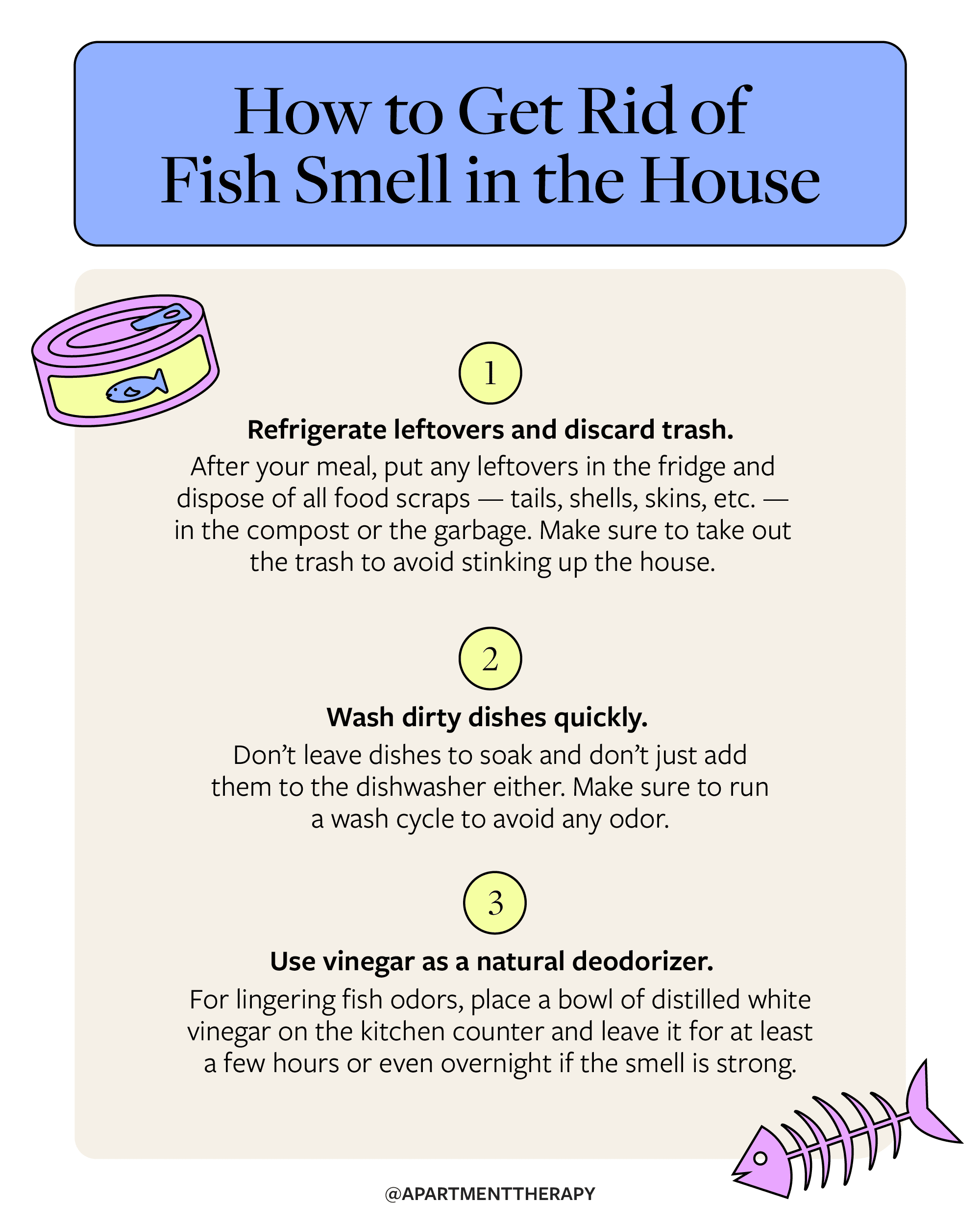
Image Source: cdn.apartmenttherapy.info
Fathoming the Fish Smell: Why Does it Linger?
Fish smell is primarily caused by volatile compounds called amines. When fish ages or is exposed to air, bacteria break down compounds called trimethylamine oxide (TMAO) into trimethylamine (TMA), which has that characteristic “fishy” odor. This compound is volatile, meaning it easily turns into a gas and floats through the air, settling on surfaces and permeating fabrics.
The Science Behind the Scent
- Amines: These are organic compounds that are inherently pungent.
- TMAO Breakdown: Fish naturally have TMAO to help them osmoregulate in seawater. As fish spoils, this breaks down into TMA.
- Volatile Nature: TMA and other volatile organic compounds (VOCs) readily vaporize, making them easy to spread throughout your kitchen.
Immediate Action: Tackling the Smell While Cooking
The best defense is a good offense. Taking steps during the cooking process can significantly minimize the amount of fish smell that escapes.
Pre-Cooking Preparations
- Fresh is Best: Always start with the freshest fish possible. Fresher fish has less of the compounds that cause a strong odor.
- Rinse and Pat Dry: Gently rinse your fish under cold water and then pat it thoroughly dry with paper towels. This removes any surface slime and excess moisture, which can contribute to odor.
- Acidic Marinades: Marinating fish in an acidic mixture (like lemon juice, lime juice, or vinegar) can help neutralize amines. The acid reacts with the amines, converting them into less volatile salts.
Cooking Techniques to Minimize Odor
- En Papillote (In Parchment Paper): This French cooking method involves sealing fish, herbs, lemon slices, and a little liquid (like white wine or broth) inside a parchment paper packet. The fish steams in its own juices, trapping most of the aroma inside the packet.
- How to: Place fish on parchment paper. Top with lemon slices, herbs (dill, parsley), a splash of white wine or broth. Fold the parchment paper tightly to create a sealed packet. Bake until fish is cooked through.
- Steaming: Similar to “en papillote,” steaming keeps the aromas contained within the steaming apparatus.
- Baking in Foil: Similar to parchment paper, wrapping fish tightly in foil before baking helps to contain the smell.
- Poaching: Gently cooking fish in liquid (water, broth, milk, or wine) at a low temperature also helps keep the aromas subdued.
Post-Cooking Odor Elimination Strategies
Even with the best cooking practices, some smell might escape. Here’s how to deal with it effectively.
Ventilation is Key
Good airflow is your best friend when it comes to eliminate cooking smells.
Ventilation Tips
- Open Windows and Doors: As soon as you start cooking, open windows and doors on opposite sides of your kitchen to create cross-ventilation.
- Use Your Exhaust Fan: Turn on your range hood fan to its highest setting before you start cooking and let it run for at least 15-20 minutes after you finish. Make sure your fan vents outside and not just recirculates air.
- Ceiling Fans: Use ceiling fans to help circulate air and push the smelly air towards open windows or your exhaust fan.
Natural Odor Removal Powerhouses
These common household items are surprisingly effective at absorbing and neutralizing odors.
Vinegar Smell Neutralizer
White vinegar is a champion at natural odor removal. Its acetic acid content helps break down alkaline odor molecules.
- Simmering Vinegar: Fill a small saucepan with 1-2 cups of white vinegar and a cup of water. Simmer it gently on the stovetop for 30-60 minutes. The steam will carry the vinegar’s odor-neutralizing properties throughout your kitchen. The vinegar smell itself dissipates quickly, taking the fish smell with it.
- Vinegar Bowls: Place small bowls of white vinegar in strategic locations around your kitchen (on countertops, near the stove) overnight.
Baking Soda Odor Absorber
Baking soda (sodium bicarbonate) is a fantastic baking soda odor absorber due to its alkaline nature. It reacts with acidic odor molecules, neutralizing them.
- Open Bowls: Place open boxes or bowls of baking soda around your kitchen, especially in areas where the smell is strongest. Leave them out overnight.
- Simmering Baking Soda: Similar to vinegar, you can simmer a few tablespoons of baking soda in a pot of water for about 30 minutes.
Citrus Power
The natural oils in citrus fruits are excellent at masking and neutralizing odors.
- Citrus Peels: After preparing lemons, limes, or oranges, don’t throw away the peels! Simmer them in water on the stovetop. Add a few cinnamon sticks or cloves for an even more pleasant aroma.
- Lemon Juice Spray: Mix lemon juice with water in a spray bottle and spritz it lightly around your kitchen.
Coffee Grounds
Used coffee grounds can also absorb odors effectively.
- Dry Coffee Grounds: Place dry, used coffee grounds in small bowls around your kitchen. They work best when they are completely dry.
Essential Oils
Certain essential oils can help freshen the air and neutralize smells.
- Diffuser: Use an essential oil diffuser with scents like lemon, eucalyptus, peppermint, or tea tree oil.
- DIY Room Spray: Mix a few drops of your chosen essential oil with water and a splash of witch hazel or vodka in a spray bottle. Lightly mist the air.
A Deep Clean Kitchen Approach
Sometimes, the smell clings to surfaces. A deep clean kitchen routine will ensure all odor sources are addressed.
Cleaning Surfaces
- Countertops and Stovetop: Wipe down all surfaces that may have come into contact with fish splatter or steam. Use a solution of warm water with a few drops of dish soap, or a vinegar-water solution (1:1 ratio).
- Sink and Drains: Fish residue can linger in the sink and drains. Pour a mixture of hot water and baking soda down the drain, followed by hot water. You can also use a vinegar and baking soda treatment.
Refrigerator Deodorizing
If you stored fish in the fridge, it might have absorbed some odor.
- Empty and Wipe: Remove all food items from the refrigerator. Wipe down all shelves and drawers with a solution of baking soda and water or a vinegar-water solution.
- Baking Soda Box: Place an open box of baking soda inside the refrigerator to absorb any residual odors.
Dishcloths and Sponges
These can harbor odors if not cleaned properly.
- Wash or Replace: Wash dishcloths and sponges in hot water with detergent. You can add a tablespoon of vinegar to the wash. If they are particularly bad, it’s best to replace them.
Tackling Persistent Odors
If the smell still lingers after these initial steps, it’s time for more targeted approaches.
Washing Fabrics
Fish smells can cling to curtains, upholstery, and even carpets.
- Washable Items: Launder any curtains, tablecloths, or cushion covers that might have absorbed the smell. Add half a cup of vinegar to the wash cycle along with your regular detergent.
- Upholstery and Carpets: For upholstery or carpets, you can use a baking soda sprinkle. Liberally sprinkle baking soda over the affected area, let it sit for several hours (or overnight), and then vacuum it up thoroughly. For tougher spots, consider a carpet cleaner with odor-neutralizing properties.
Air Purifiers
A good quality air purifier with an activated carbon filter can effectively trap airborne odor molecules.
Using a Kitchen Air Freshener Wisely
While tempting, heavily scented air fresheners can sometimes mask odors rather than eliminate them, or create an unpleasant combination of smells.
Natural Kitchen Air Freshener Options
- Simmer Pots: As mentioned, simmering water with citrus peels, spices, or essential oils creates a natural and pleasant kitchen air freshener.
- Houseplants: Some houseplants can help purify the air, though their odor-neutralizing capabilities for strong smells like fish are limited.
- Ventilation as Freshener: The most effective “freshener” is simply fresh air!
Preventing Fish Smell in the Future
The best way to deal with fish smell is to prevent it from becoming a problem in the first place.
Smart Shopping and Storage
- Buy Fresh: Purchase fish from reputable sources that have high turnover.
- Proper Packaging: Ensure fish is tightly wrapped at the store. When you get home, re-wrap it tightly in plastic wrap or place it in an airtight container before refrigerating.
- Designated Container: Store fish in the coldest part of your refrigerator, ideally in a leak-proof container to prevent any drips from contaminating other foods or surfaces.
Efficient Cooking Practices
- Closed Cooking Methods: Prioritize cooking methods that keep aromas contained, as discussed earlier (en papillote, foil baking, steaming).
- Minimize Splatter: Use splatter guards when frying or searing fish.
Post-Meal Routine
- Immediate Cleanup: Clean up any spills or splatters immediately. Wash dishes promptly after eating. Don’t leave fish-soiled dishes sitting in the sink.
- Trash Disposal: Seal fish scraps and packaging tightly in a plastic bag before disposing of them in your outdoor trash bin. If you must put them in your indoor trash temporarily, consider placing the sealed bag in a lidded container to further contain the odor.
Kitchen Hygiene: A Foundation for Freshness
Good kitchen hygiene is crucial for preventing all sorts of odors, including fish smells.
Regular Cleaning Schedule
- Daily: Wipe down countertops and the stovetop after each meal. Wash dishes immediately.
- Weekly: Clean out the refrigerator, wash dishcloths, and wipe down cabinets.
- Monthly: A more thorough deep clean, including oven interiors and grout.
Appliance Maintenance
- Microwave: Clean your microwave regularly, as residual food particles can cause odors.
- Dishwasher: Run an empty cycle with vinegar or a dishwasher cleaner periodically to remove lingering smells and build-up.
Troubleshooting Persistent Smells
Sometimes, despite your best efforts, a stubborn fish smell might remain.
What if the Smell is Still There?
- Repeat Treatments: You might need to repeat some of the odor-neutralizing treatments (simmering vinegar, baking soda bowls).
- Odor Absorbing Bags: Consider using activated charcoal odor absorbing bags, which are very effective at trapping smells. Place them in affected areas.
- Professional Cleaning: For extreme cases, especially if the smell has permeated carpets or upholstery, professional cleaning might be necessary.
- Check Ventilation System: Ensure your exhaust fan is working correctly and venting outside. Blocked vents can prevent effective air circulation.
Summary of Top Strategies
| Strategy | How it Works | When to Use |
|---|---|---|
| Ventilation | Removes stale air and replaces it with fresh air. | During and after cooking fish. |
| Vinegar Simmer | Acetic acid neutralizes alkaline odor molecules. | After cooking, or when odor is noticeable. |
| Baking Soda Bowls | Absorbs and neutralizes odor molecules. | Overnight, or continuously in the kitchen. |
| Citrus Peels Simmer | Natural oils mask and neutralize odors. | After cooking, or as a pleasant scent booster. |
| Deep Cleaning | Removes odor-causing residue from surfaces. | After cooking, and as part of regular cleaning. |
| Airtight Storage | Prevents odor from escaping during storage. | When storing raw or cooked fish. |
| Tightly Wrapped Cooking | Contains cooking aromas within the food. | When cooking fish. |
Frequently Asked Questions (FAQ)
Q1: Can I use essential oils to get rid of fish smell?
A1: Yes, essential oils like lemon, eucalyptus, or tea tree oil can help freshen the air and have some odor-neutralizing properties. Use them in a diffuser or a DIY room spray. However, they are often better for masking or improving ambient smell rather than completely eliminating strong fish odors on their own.
Q2: How long does the fish smell usually last?
A2: The duration of fish smell can vary significantly depending on the freshness of the fish, how it was cooked, and the ventilation in your kitchen. With good ventilation and cleaning, it can dissipate within a few hours. Without these measures, it can linger for a day or even longer.
Q3: Is it safe to simmer vinegar in the kitchen?
A3: Yes, it is generally safe to simmer vinegar in your kitchen. While the initial smell of vinegar can be strong, it dissipates quickly and is effective at neutralizing other odors. Ensure good ventilation while simmering.
Q4: What is the best natural way to remove fish odor from hands?
A4: The best natural ways to remove fish odor from hands are to rub them with lemon juice, toothpaste, or a paste of baking soda and water. Stainless steel is also surprisingly effective – rubbing your hands on a stainless steel object (like a spoon or a sink) under running water can help neutralize the smell.
Q5: My kitchen still smells like fish even after cleaning. What else can I do?
A5: If the smell persists, try repeating odor-neutralizing treatments like simmering vinegar or placing baking soda bowls. Check for any hidden sources of odor, such as spills under appliances or in trash cans. Consider using activated charcoal odor absorbers or a professional cleaning service for stubborn, deeply embedded smells. Ensuring your exhaust fan is properly venting outside is also crucial.