
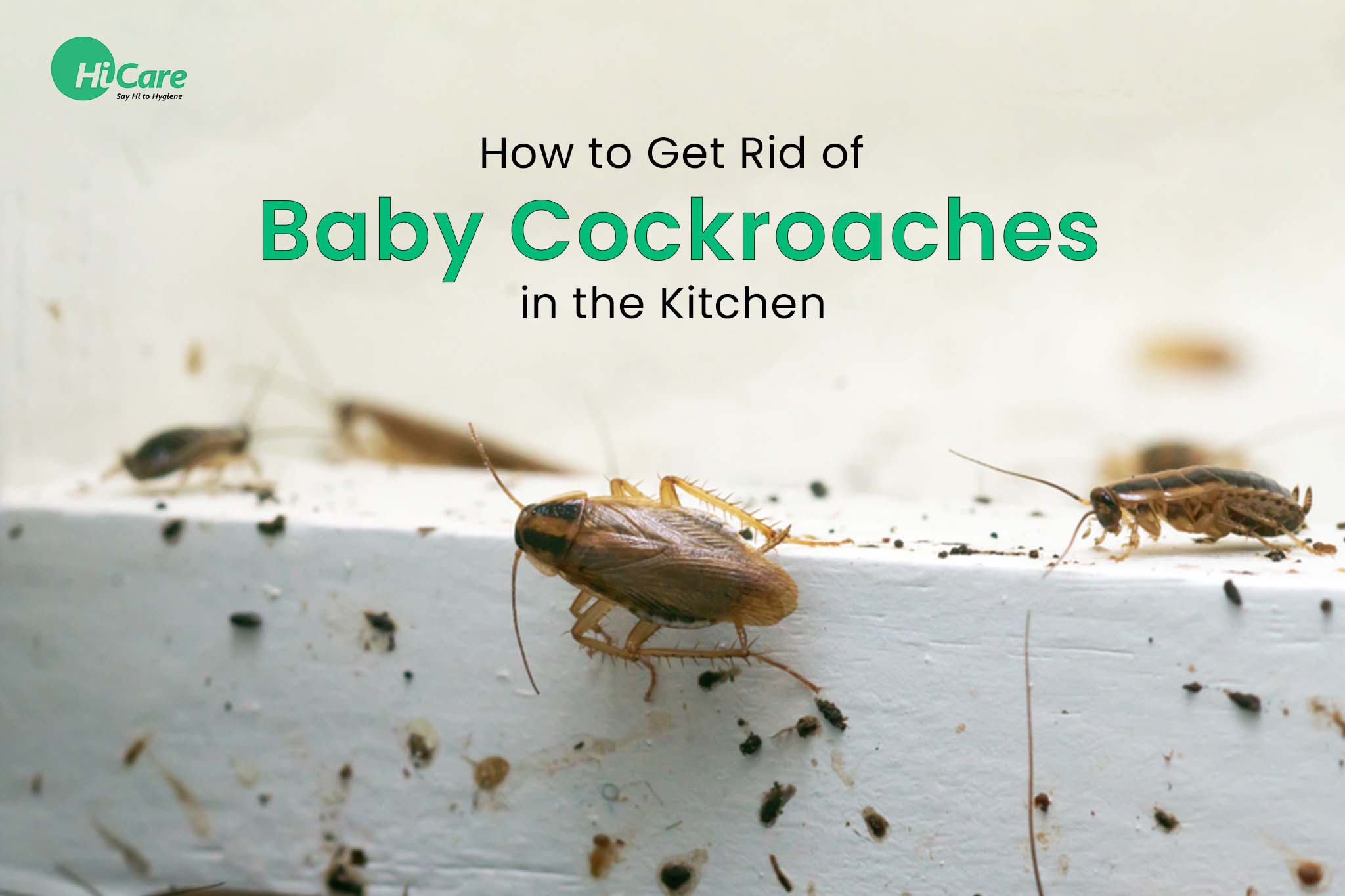
Image Source: hicare.in
How To Get Rid Of Small Roaches In Kitchen Fast and Naturally
Can you get rid of small roaches in your kitchen naturally and quickly? Yes, you can! By focusing on cleanliness, using natural deterrents, and employing targeted strategies, you can effectively manage small roach infestations in your kitchen. This comprehensive guide will walk you through proven methods for kitchen cockroach control and DIY roach extermination to reclaim your space from these unwelcome guests.
A small roach infestation can be frustrating, but tackling it with the right approach makes all the difference. These persistent pests thrive in kitchens due to the readily available food, water, and shelter. Whether you’re dealing with German cockroaches, American cockroaches, or other common kitchen invaders, the principles of eradication and prevention remain largely the same. We’ll explore effective natural roach remedies and discuss when and how to use other solutions for kitchen cockroach control.
Deciphering the Roach Problem in Your Kitchen
Before diving into eradication, it’s helpful to know what you’re up against. Small roaches, often nymphs or smaller species, can be particularly sneaky. They can squeeze into tiny cracks and crevices, making them difficult to spot and even harder to eliminate.
Common Signs of a Roach Presence:
- Fecal Droppings: These look like black pepper specks or small dark spots, often found along baseboards, in cabinets, or on countertops.
- Egg Casings (Oothecae): Roaches lay their eggs in protective casings, which can be found in dark, hidden areas.
- Musty Odor: A significant infestation can produce a distinct, unpleasant, musty smell.
- Sightings: Actually seeing roaches, especially during the day, can indicate a more established problem.
Natural Roach Remedies: Your First Line of Defense
When you need to get rid of small roaches in the kitchen fast and naturally, your focus should be on disrupting their environment and using safe, effective deterrents. These methods are ideal for initial control or for maintaining a roach-free kitchen.
1. Mastering Kitchen Sanitation for Roaches
The bedrock of any successful kitchen cockroach control strategy is immaculate kitchen sanitation for roaches. Roaches are drawn to kitchens by food and water sources. Eliminating these is crucial for prevent kitchen roaches.
- Clean Up Food Spills Immediately: Don’t let crumbs or spills sit on counters, floors, or stovetops.
- Store Food Properly: Keep all food items in airtight containers. This includes dry goods like flour, sugar, and cereal, as well as pet food.
- Wash Dishes Promptly: Never leave dirty dishes in the sink overnight. Wash them, or at least rinse them thoroughly, and dry the sink.
- Empty Trash Regularly: Use trash cans with tight-fitting lids and empty them daily, especially before bed. Clean the trash can itself periodically.
- Wipe Down Appliances: Regularly clean the areas around and under your stove, refrigerator, and dishwasher. Grease and food debris are prime attractants.
- Address Leaky Pipes: Roaches need water to survive. Fix any leaky faucets, pipes, or drains. Ensure the sink and surrounding areas are dry.
2. Harnessing the Power of Boric Acid for Roaches
Boric acid for roaches is a time-tested, natural insecticide. It works by dehydrating the roach’s exoskeleton and affecting their nervous system when ingested. It’s a low-toxicity option when used correctly.
How to Use Boric Acid:
- Application: Apply a very thin, light dusting of boric acid powder in dry areas where roaches are likely to travel. Think behind appliances, under sinks, in cracks and crevices, and along baseboards.
- Safety First: Keep boric acid out of reach of children and pets. While low in toxicity, ingestion can still cause harm.
- Placement is Key: Roaches must walk through the powder to be affected. Avoid applying it where food is prepared or stored.
- Reapplication: You may need to reapply periodically as the powder can be disturbed.
Important Note on Boric Acid: Over-application can make the area repellent to roaches, which is counterproductive. A light dusting is far more effective.
3. Essential Oils as Natural Deterrents
Certain essential oils have properties that can repel roaches, making them a pleasant-smelling alternative for natural roach remedies.
- Peppermint Oil: Roaches are known to dislike the strong scent of peppermint.
- Method: Mix 10-15 drops of peppermint essential oil with a cup of water in a spray bottle. Spray this mixture around entry points, cracks, and surfaces where roaches are seen.
- Tea Tree Oil: This oil possesses insecticidal properties.
- Method: Similar to peppermint oil, mix a few drops of tea tree oil with water and spray.
- Eucalyptus Oil: Another strong scent that can deter roaches.
- Method: Use in a similar dilution as peppermint or tea tree oil.
How to Use Essential Oil Sprays:
- Apply daily or every few days for maximum effectiveness.
- Focus application on areas roaches tend to frequent.
- Always test on an inconspicuous area first to ensure it doesn’t stain surfaces.
4. Diatomaceous Earth (Food Grade)
Diatomaceous earth (DE) is a natural powder made from fossilized aquatic organisms. When used in its food-grade form, it’s a safe and effective desiccant for insects.
How Diatomaceous Earth Works:
- The microscopic sharp edges of DE scratch the roach’s outer shell, causing them to lose moisture and dehydrate.
- Roaches ingest the powder as they groom themselves, which damages their digestive system.
Application of Diatomaceous Earth:
- Apply a thin layer of food-grade DE in dry areas: under appliances, behind cabinets, along baseboards, in wall voids, and in any cracks or crevices.
- Avoid inhaling the dust yourself; wear a mask during application.
- Keep it dry, as moisture reduces its effectiveness. Reapply after cleaning or if it becomes damp.
5. Baking Soda and Sugar Mix
This simple DIY roach extermination method uses sugar to attract roaches and baking soda to kill them.
How the Baking Soda and Sugar Mix Works:
- Sugar acts as a lure, attracting roaches to the bait.
- When roaches consume the baking soda, it reacts with acids in their stomachs, producing gas. This gas cannot escape their bodies, leading to internal rupture and death.
Preparation and Application:
- Ratio: Mix equal parts baking soda and granulated sugar.
- Placement: Place small amounts of this mixture in shallow dishes or bottle caps in areas where you’ve seen roaches. Good spots include under sinks, behind appliances, and in cabinets.
- Refresh: Replace the mixture every few days to maintain its effectiveness.
6. Cucumber Peels and Bay Leaves: Natural Repellents
While not strictly an extermination method, these can help deter roaches from certain areas.
- Cucumber Peels: Some anecdotal evidence suggests roaches dislike the scent of cucumber. Place fresh cucumber peels in cabinets or drawers. Replace them every few days.
- Bay Leaves: The strong scent of bay leaves is thought to repel roaches. Place dried bay leaves in pantries and cabinets.
Advanced Strategies for Roach Control
When natural remedies alone aren’t enough to tackle a persistent problem or when you need faster results, you can integrate other proven methods for kitchen cockroach control.
1. Roach Bait Stations: Targeted Control
Roach bait stations are a very effective and contained way to target roaches. They contain a slow-acting poison mixed with an attractant. Roaches eat the bait, return to their harborage areas, and die, often being consumed by other roaches, thus creating a domino effect.
Key Benefits of Roach Bait Stations:
- Targeted: Placed in key areas where roaches travel.
- Contained: Reduces the risk of wider pesticide exposure.
- Slow-Acting: Allows roaches to take the bait back to their nests.
- Effective: Significantly reduces populations over time.
Placement and Usage:
- Place bait stations in areas with high roach activity: under sinks, behind appliances, inside cabinets, and along baseboards.
- Ensure they are not placed where children or pets can access them.
- Follow the manufacturer’s instructions carefully.
- Replace bait stations as recommended by the manufacturer.
2. Roach Traps: Monitoring and Capture
Roach traps, particularly sticky traps, are excellent for monitoring the extent of your infestation and catching roaches. They don’t typically eliminate an entire infestation on their own, but they are a valuable tool.
How Roach Traps Work:
- These traps use an adhesive surface with an attractant to capture roaches.
- They help you identify high-traffic roach areas.
Strategic Placement:
- Place traps in corners, along walls, under sinks, and in other areas where roaches are suspected to be.
- Check traps regularly to gauge the severity of the infestation and adjust your treatment plan.
3. Insecticide Sprays for Kitchens: Strategic Use
While this guide prioritizes natural methods, insecticide sprays for kitchens can be necessary for more severe infestations or for quick knockdown. However, their use requires caution, especially in food preparation areas.
When to Consider Insecticide Sprays:
- For immediate reduction of a large population.
- For treating cracks and crevices where roaches hide.
Important Considerations for Sprays:
- Read the Label: Always read and follow the product label instructions precisely.
- Targeted Application: Apply only to areas where roaches are seen or suspected, avoiding direct application on food, cooking surfaces, or utensils.
- Ventilation: Ensure good ventilation during and after application.
- Safety: Keep children and pets away from treated areas until the spray has dried and the area is safe.
- Consider Gel Baits: Gel baits are often more effective and safer for kitchen use than broad-spectrum sprays, as they can be applied precisely into cracks and crevices.
Preventing Kitchen Roaches: Long-Term Solutions
Once you’ve gotten rid of the current roaches, the key is to prevent kitchen roaches from returning. This involves consistent effort and vigilance.
1. Sealing Entry Points
Roaches can enter your home through tiny openings. Inspect your kitchen for potential entry points and seal them.
- Caulk: Use caulk to seal cracks and crevices around pipes, baseboards, windows, and doors.
- Screens: Ensure window and door screens are intact and free of holes.
- Door Sweeps: Install door sweeps to prevent entry under doors.
2. Eliminating Water Sources
As mentioned earlier, roaches need water. Be meticulous about keeping your kitchen dry.
- Dry Sinks and Counters: Wipe down sinks and countertops every night.
- Fix Leaks: Promptly repair any leaky faucets or pipes.
- Check Appliances: Ensure there are no water leaks around dishwashers, refrigerators, or ice makers.
- Pet Water Bowls: Don’t leave pet water bowls out overnight unless necessary.
3. Regular Deep Cleaning
Beyond daily tidying, periodic deep cleaning is essential for prevent kitchen roaches.
- Appliance Cleaning: Pull out and clean behind and under appliances like refrigerators, ovens, and dishwashers.
- Cabinet Cleaning: Empty and clean out kitchen cabinets and drawers regularly. Wipe down shelves and inspect for any signs of infestation.
- Grout and Tile: Clean grout lines and tile edges, as these can harbor roaches.
4. Consistent Monitoring
Keep an eye out for early signs of roaches.
- Check Traps: Continue using sticky traps periodically to monitor for any returning roaches.
- Inspect: Regularly inspect common roach hiding spots.
Table: Natural Roach Remedies at a Glance
| Remedy | How it Works | Application Method | Notes |
|---|---|---|---|
| Kitchen Sanitation | Removes food, water, and shelter for roaches. | Daily cleaning, proper food storage, secure trash. | The most crucial step for long-term control. |
| Boric Acid | Dehydrates roaches; toxic if ingested. | Light dusting in dry, hidden areas (behind appliances, under sinks, cracks). | Keep away from children/pets; use a very thin layer. |
| Essential Oils | Strong scents repel roaches. | Mix with water and spray around entry points and potential hiding spots. | Peppermint, tea tree, eucalyptus are common choices. Reapply regularly. |
| Diatomaceous Earth (Food Grade) | Scratches exoskeleton, causing dehydration. | Thin layer in dry, hidden areas. | Wear a mask during application; keep dry. |
| Baking Soda & Sugar | Sugar attracts; baking soda causes internal gas buildup. | Mix equal parts, place in shallow dishes in affected areas. | Refresh mixture regularly. |
| Cucumber/Bay Leaves | Repels roaches with scent. | Place peels or leaves in cabinets and drawers. | Primarily a deterrent, not an extermination method. Replace regularly. |
Table: When to Combine Methods for Maximum Impact
| Situation | Recommended Combination Strategy |
|---|---|
| Initial Small Infestation | Focus on Superior kitchen sanitation + Boric acid in key areas + Essential oil sprays for deterrence. |
| Moderate Infestation | Maintain kitchen sanitation + Boric acid + Roach bait stations in high-traffic zones + Roach traps for monitoring. |
| Persistent or Larger Infestation | Intensive kitchen sanitation + Boric acid + Roach bait stations + Strategic use of insecticide sprays for kitchens in non-food areas (e.g., cracks, voids). |
| Preventative Maintenance | Consistent kitchen sanitation + Periodic application of Boric acid or Diatomaceous Earth in vulnerable spots. |
FAQ: Your Burning Roach Questions Answered
Q1: How quickly can I see results with natural methods?
A1: With consistent application of natural remedies and strict sanitation, you can start seeing a reduction in roach activity within a few days to a week. However, eliminating a small roach infestation naturally can take a few weeks, as it relies on the roaches encountering the deterrents or baits.
Q2: Are boric acid and diatomaceous earth safe for kitchens?
A2: Food-grade diatomaceous earth and boric acid are considered low-toxicity when used according to instructions. The key is careful placement to avoid direct contact with food preparation surfaces, utensils, or areas easily accessible to children and pets. Always read product labels.
Q3: How do I know if I have a serious infestation?
A3: If you are seeing roaches frequently, especially during the day, or if you notice a significant amount of droppings or egg casings, it indicates a more serious problem requiring a robust approach. Combining several methods, including professional-grade baits or gels, might be necessary.
Q4: Can I use essential oils alone to get rid of roaches?
A4: Essential oils are primarily repellents. While they can help deter roaches from certain areas, they are unlikely to eliminate an established infestation on their own. They are best used as a supplementary deterrent alongside other methods.
Q5: What is the most effective DIY roach extermination method?
A5: Combining meticulous kitchen sanitation for roaches with targeted application of boric acid for roaches and roach bait stations is often the most effective DIY roach extermination strategy for common kitchen roaches.
Q6: How do I dispose of dead roaches?
A6: Sweep or vacuum up dead roaches and their droppings. Place them in a sealed plastic bag before disposing of them in an outdoor trash bin to prevent attracting other pests or spreading any potential contaminants.
By diligently applying these strategies, you can effectively tackle small roach infestations and create a healthier, roach-free kitchen environment. Remember that consistency in cleaning and proactive prevention are your greatest allies in kitchen cockroach control.