
Is your kitchen sink giving off an unpleasant aroma? What is the most common cause of a smelly kitchen sink? The most frequent culprits are food particles and grease buildup in the drain pipes, which can lead to a foul sink odor. Can you get rid of sink smells yourself? Yes, you absolutely can! This comprehensive guide will walk you through everything you need to know about tackling those persistent kitchen sink smells.
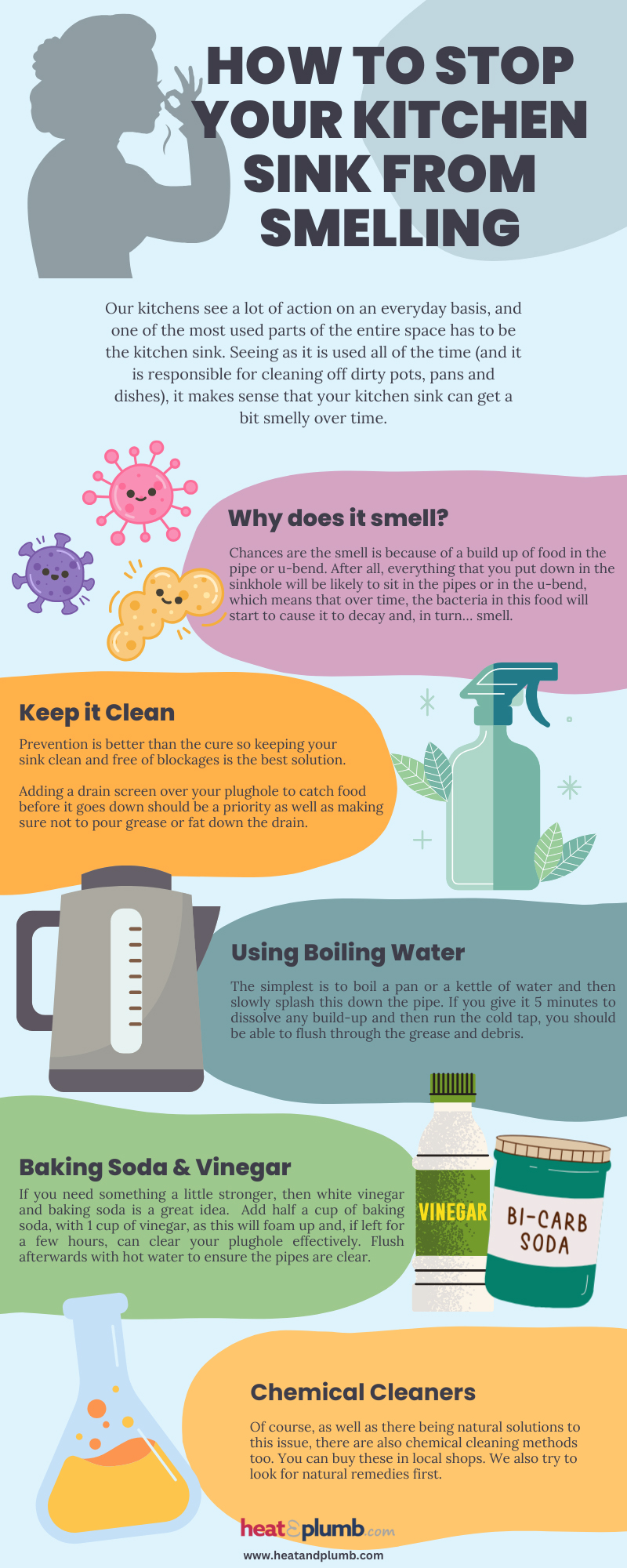
Image Source: www.heatandplumb.com
Why Does My Kitchen Sink Smell So Bad?
A smelly kitchen sink is a common household problem, but it doesn’t have to be a permanent one. Several factors contribute to that unwelcome aroma emanating from your drain. Let’s delve into the most common reasons and how they develop.
The Buildup of Gunk
Over time, a sticky film can develop on the inside of your drain pipes. This film, often called biofilm, is made up of food particles, grease, soap scum, and other organic matter that washes down your sink. As this material accumulates, it provides a perfect breeding ground for bacteria and other microorganisms. These tiny organisms feed on the organic debris, and as they do, they release gases. These gases are the primary cause of that unpleasant, often sulfuric, smell.
Food Scraps and Debris
Even if you’re careful about what goes down the drain, small food scraps can find their way into your plumbing. Things like coffee grounds, small bits of vegetables, eggshells, and even minuscule pieces of meat can lodge themselves in the pipes. If these particles aren’t completely flushed away, they will start to decompose, leading to a foul sink odor.
Grease and Fat Accumulation
Pouring grease, oil, or fats down the drain is a recipe for disaster. While they might seem liquid when hot, they cool and solidify as they travel through your plumbing. This solidified grease coats the inside of the pipes, creating a sticky surface that traps other food particles. This layer of grease and trapped debris becomes a prime spot for bacterial growth, intensifying the sink odor.
Garbage Disposal Odors
If you have a garbage disposal, it’s another common source of kitchen sink smells. While designed to grind up food waste, small particles can still get stuck in the disposal’s grinding chamber or under the rubber splash guard. These trapped food remnants will rot and produce a strong, unpleasant smell. Garbage disposal odors can be particularly potent because the disposal unit is a confined space where waste can linger.
Clogged Drain Smells
A slow-running or completely clogged drain is a clear indicator of a significant buildup. When water can’t drain properly, stagnant water sits in the pipes. This standing water, combined with trapped food particles and grease, creates an ideal environment for anaerobic bacteria to thrive. These bacteria produce gases like hydrogen sulfide, which smells very much like rotten eggs. A clogged drain smell is usually a strong signal that a deep clean or drain cleaning is required.
Smelly Kitchen Pipes
The plumbing itself, particularly the P-trap located under your sink, can harbor unpleasant smells. The P-trap is designed to hold a small amount of water, creating a seal that prevents sewer gases from entering your kitchen. However, if the trap dries out or if debris accumulates within it, sewer gases can escape, leading to noticeable plumbing smells.
Kitchen Sink Bacteria
At its core, most sink odors are caused by the proliferation of kitchen sink bacteria. These bacteria are naturally present, but they flourish when provided with a food source (food particles, grease) and a moist environment. As they break down organic matter, they release foul-smelling volatile organic compounds (VOCs).
Effective Methods to Eliminate Sink Odors
Now that we know what causes the smell, let’s explore how to get rid of it! There are many effective ways to tackle a smelly kitchen sink, ranging from natural solutions to specific cleaning products.
Natural Sink Cleaners
Many of us prefer to use natural sink cleaners to avoid harsh chemicals. Fortunately, you have several excellent options right in your pantry.
Baking Soda and Vinegar
This classic combination is a powerhouse for cleaning and deodorizing drains.
How to Use:
- Pour Baking Soda: Pour about half a cup of baking soda directly down the drain.
- Add Vinegar: Follow with an equal amount of white vinegar. You’ll notice a fizzing reaction. This is the vinegar and baking soda working together to break down buildup and kill bacteria.
- Let it Sit: Cover the drain with a stopper or a cloth to keep the fizzing action concentrated in the pipes. Let it sit for at least 15-30 minutes, or even longer for tougher odors.
- Flush with Hot Water: After the waiting period, pour a kettle of boiling hot water down the drain. This helps to flush away loosened debris and lingering smells.
This method is excellent for regular maintenance and tackling mild to moderate sink odors. It’s a safe and effective way to perform drain cleaning without chemicals.
Boiling Water Flush
A simple yet effective method is to regularly flush your drains with boiling water.
How to Use:
- Boil Water: Boil a kettle or a large pot of water.
- Pour Carefully: Slowly and carefully pour the boiling water directly down the drain.
- Repeat: For best results, repeat this process weekly.
Boiling water helps to melt away grease and flush out loose debris, preventing the buildup that leads to odors. Be cautious when handling boiling water.
Lemon Peels or Citrus Fruits
The natural acids and pleasant fragrance of citrus fruits can help deodorize your sink.
How to Use:
- Collect Peels: Save peels from lemons, oranges, or grapefruits.
- Run Them Through the Disposal (if applicable): If you have a garbage disposal, cut the peels into smaller pieces and run them through. This not only cleans the disposal but also leaves a fresh citrus scent.
- Boil Peels: Alternatively, boil citrus peels in water for a few minutes. Pour the citrus-infused water down the drain.
Salt and Baking Soda
Salt can act as a mild abrasive, and combined with baking soda, it can help scrub away buildup.
How to Use:
- Mix: Combine half a cup of baking soda with half a cup of salt.
- Pour: Pour the mixture down the drain.
- Wait: Let it sit for at least 30 minutes, or overnight for a deep clean.
- Flush: Flush with hot or boiling water.
Using a Sink Deodorizer
Beyond DIY solutions, there are commercially available sink deodorizers designed specifically to combat these issues.
Commercial Drain Cleaners and Deodorizers
Many products on the market are formulated to break down grease, hair, and other organic matter that causes drain clogs and odors.
- Enzyme-based cleaners: These use natural enzymes to “eat away” at organic waste. They are generally safer for pipes and the environment than harsh chemical cleaners.
- Chemical drain cleaners: These often contain strong chemicals like lye or sulfuric acid. While effective at dissolving clogs, they can be harsh on pipes and dangerous if misused. Always follow product instructions carefully and ensure good ventilation.
When using any commercial sink drain cleaner, always read the label and wear protective gear like gloves and eye protection. It’s crucial to use these products as directed to avoid damaging your pipes or yourself.
Baking Soda Paste
For stubborn smells localized around the sink basin or drain opening, a baking soda paste can be effective.
How to Use:
- Make Paste: Mix baking soda with a small amount of water to form a thick paste.
- Apply: Apply the paste around the drain opening, stopper, and any stained areas of the sink.
- Scrub: Use a brush or sponge to scrub the area.
- Rinse: Rinse thoroughly with hot water.
Cleaning Your Garbage Disposal
A neglected garbage disposal is a prime source of foul sink odor. Regular cleaning is key.
Ice Cubes
Running ice cubes through your garbage disposal can help to scrape away stubborn grime and debris clinging to the disposal blades and walls.
How to Use:
- Fill Disposal: Fill the disposal with ice cubes.
- Run Cold Water: Turn on the cold water.
- Turn on Disposal: Turn on the garbage disposal and let it run until the ice is completely ground up.
- Flush: Follow with a flush of hot water.
Citrus Peels (as mentioned above)
Running citrus peels through the disposal is a fantastic way to clean and deodorize.
Vinegar Ice Cubes
For an extra deodorizing punch, freeze vinegar in ice cube trays.
How to Use:
- Freeze Vinegar: Pour white vinegar into an ice cube tray and freeze.
- Use Ice Cubes: Run these vinegar ice cubes through your disposal like regular ice cubes.
Addressing Plumbing Smells
Sometimes, the odor isn’t just in the drain but indicates a deeper issue with your plumbing.
Check the P-Trap
The P-trap is designed to hold water and create a seal against sewer gases. If it’s dry or blocked, smells can emerge.
How to Inspect:
- Locate: The P-trap is the U-shaped pipe under your sink.
- Check Water Level: If the sink hasn’t been used for a while, the water in the trap might have evaporated. Running water for a minute should refill it and restore the seal.
- Inspect for Blockages: If you suspect a blockage, you may need to unscrew the P-trap (place a bucket underneath to catch water and debris) and clean it out. This is a more involved process and might require tools.
Vent Pipe Issues
Your plumbing system has vent pipes that allow sewer gases to escape safely through your roof. If a vent pipe is blocked (by leaves, nests, etc.), gases can be forced back into your home through drains, causing plumbing smells. This is a less common issue but can manifest as a persistent, strong sewer odor. If you suspect a vent pipe issue, it’s best to contact a plumber.
Preventing Future Sink Odors
The best way to deal with a smelly sink is to prevent the odor from developing in the first place. Regular maintenance is key.
What NOT to Put Down Your Drain
Being mindful of what goes down your sink is crucial for preventing clogs and odors. Avoid pouring these items down the drain:
- Grease, oil, and fats: These solidify and coat pipes.
- Coffee grounds: They don’t break down easily and can clump together.
- Eggshells: While some sources suggest they are okay, they can create a gritty buildup.
- Pasta, rice, and potato peels: These can absorb water and expand, leading to clogs.
- Fibrous food waste: Celery, corn husks, artichokes, and asparagus can get tangled and clog pipes.
- Bones and fruit pits: These are too hard to be processed effectively.
- Harsh chemicals: Bleach and ammonia can damage pipes and create toxic fumes when mixed.
Regular Drain Cleaning Habits
Make drain cleaning a part of your routine to prevent serious buildup.
- Weekly Flush: Pour boiling water down the drain once a week.
- Monthly Deodorize: Use the baking soda and vinegar method once a month.
- Garbage Disposal Care: Regularly clean your garbage disposal using ice or citrus.
Proper Garbage Disposal Usage
- Run Cold Water: Always run cold water before, during, and after using the disposal. Cold water helps to solidify any grease, allowing the disposal to chop it up more effectively and flush it away.
- Don’t Overload: Feed waste into the disposal gradually, not all at once.
- Avoid Fibrous Materials: Even with a disposal, fibrous foods can still cause issues.
Using a Sink Strainer
A simple sink strainer can catch larger food particles before they enter the drain, preventing them from contributing to clogs and odors. Empty the strainer into the trash regularly.
When to Call a Professional Plumber
While most kitchen sink odors can be resolved with DIY methods, there are times when you should call a professional.
- Persistent Odors: If you’ve tried multiple cleaning methods and the foul sink odor remains, there might be a more significant issue.
- Frequent Clogs: If your drains are constantly clogging, it suggests a deeper problem within your plumbing system.
- Slow Drains: If water is draining unusually slowly even after cleaning, it could indicate a partial blockage that’s hard to reach.
- Suspected Sewer Line Issues: If you notice sewage smells throughout your home or have multiple drains backing up, it could be a sign of a main sewer line problem.
- Uncertainty: If you’re uncomfortable performing any of the cleaning or inspection steps, it’s always best to err on the side of caution and call a plumber.
A plumber has specialized tools and expertise to diagnose and fix complex plumbing smells and blockages. They can perform thorough drain cleaning and identify issues with your vent system or other parts of your plumbing infrastructure.
Frequently Asked Questions (FAQ)
Here are some common questions people have about smelly kitchen sinks:
How often should I clean my kitchen sink drain?
It’s a good idea to perform a basic deodorizing flush (like baking soda and vinegar or boiling water) about once a month. For busy kitchens with lots of food waste, you might consider doing this more frequently, perhaps every two weeks.
Can bleach be used to clean a smelly sink?
While bleach can kill bacteria, it’s generally not recommended for regular drain cleaning. Bleach is a harsh chemical that can damage certain types of pipes over time, especially older ones. It can also react with other substances in your pipes to create toxic fumes. Natural cleaners or enzyme-based products are usually a safer and more effective choice for preventing sink odor.
Why does my sink smell like rotten eggs?
The “rotten egg” smell is typically hydrogen sulfide gas, produced by anaerobic bacteria that thrive in stagnant water and decomposing organic matter. This often indicates a buildup in your drain or garbage disposal, or a problem with the P-trap not holding water properly.
Is it safe to pour grease down the drain if I run hot water?
No, it is not safe or recommended to pour grease, oil, or fats down the drain, even if you run hot water. The hot water only keeps the grease liquid temporarily. As it cools further down the pipe, it will solidify, coat the pipes, and lead to clogs and odors. Always dispose of grease in the trash.
My garbage disposal smells terrible. What’s the best way to clean it?
The best ways to clean a smelly garbage disposal are using ice cubes, citrus peels, or frozen vinegar cubes. You can also use a scrub brush to clean under the rubber splash guard, where food debris often accumulates. Follow up with a flush of hot water.
By understanding the causes and employing these effective cleaning and preventative measures, you can keep your kitchen sink smelling fresh and clean. A little regular maintenance goes a long way in preventing those unpleasant plumbing smells.