
Does your kitchen sink emit an unpleasant odor? What is that funky smell, and how can I get rid of it? A smelly kitchen sink is a common and often frustrating problem, but thankfully, there are many effective ways to tackle it. You can indeed eliminate sink smells and restore freshness to your kitchen.
A persistent, foul odor emanating from your kitchen sink can quickly turn a pleasant cooking environment into an unpleasant one. It’s a problem many homeowners face, and it’s usually a sign that something is amiss within your plumbing system. Don’t worry; this guide is packed with practical advice and proven methods to help you get your kitchen sink smelling fresh again.
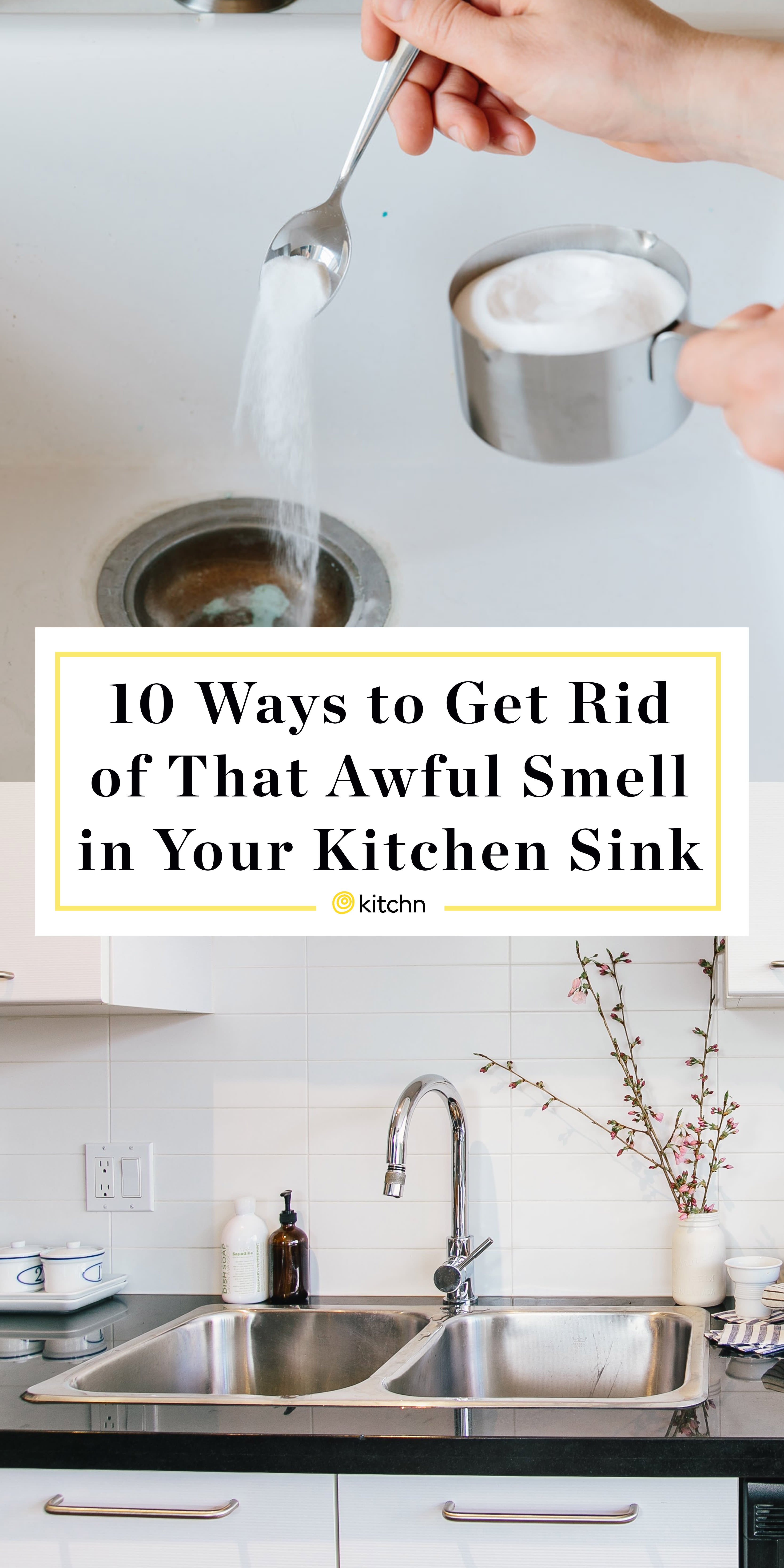
Image Source: cdn.apartmenttherapy.info
Why Does My Kitchen Sink Smell?
Before we dive into solutions, it’s important to grasp why this problem occurs. The primary culprits behind a smelly kitchen sink are typically food particles, grease, soap scum, and other organic debris that accumulate in your drainpipes and garbage disposal. As this material breaks down, it creates bacteria and gases that cause unpleasant odors.
Common Culprits
- Food Scraps: Tiny bits of food, especially those prone to decomposition like vegetable peels, coffee grounds, and grease, can get lodged in the drain.
- Grease and Fat: When you pour cooking grease down the drain, it solidifies and coats the pipes, creating a sticky surface for food particles to adhere to.
- Soap Scum: The combination of soap and hard water minerals can create a film that traps debris.
- Mold and Mildew: Damp, dark environments like drainpipes are ideal breeding grounds for mold and mildew, which can emit musty odors.
- Garbage Disposal Issues: If you have a garbage disposal, food particles that aren’t fully ground or disposed of can rot inside the unit.
- P-Trap Problems: The U-shaped pipe under your sink, known as the P-trap, is designed to hold water and block sewer gases from entering your home. If this trap dries out or is clogged, sewer odors can escape.
Effective Kitchen Sink Odor Removal Strategies
Now that we know what causes the smell, let’s explore how to get rid of it and ensure your kitchen sink is fresh. There are several approaches, ranging from quick fixes to more thorough drain cleaning methods.
Natural Sink Cleaning Solutions
For many, the first line of defense is to try natural cleaning methods. These are often effective, eco-friendly, and use common household ingredients.
Baking Soda and Vinegar
This classic combination is a powerful duo for cleaning and deodorizing drains.
How to use it:
- Pour Baking Soda: Start by pouring about half a cup of baking soda down the drain.
- Add Vinegar: Follow with a cup of white vinegar. You’ll notice a fizzing reaction. This is the baking soda and vinegar working together to loosen grime.
- Let it Sit: Cover the drain with a plug or a damp cloth and let the mixture work for at least 30 minutes, or even longer for stubborn odors.
- Flush with Hot Water: After waiting, pour a kettle of boiling water down the drain to flush away the loosened debris and any remaining residue.
This method is excellent for a basic sink deodorizer and can help eliminate sink smells on a regular basis.
Lemon or Citrus Peels
The natural oils and acidity in citrus peels can help cut through grease and leave a fresh scent.
How to use it:
- Run through Disposal: If you have a garbage disposal, simply toss a few lemon, orange, or grapefruit peels into it. Run the disposal with cold water.
- Soak in Hot Water: If you don’t have a disposal, boil some citrus peels in water for a few minutes. Let the mixture cool slightly, then pour the water and peels down the drain.
This is a simple way to prevent sink smells and add a pleasant aroma.
Salt and Baking Soda
This abrasive yet natural combination can help scrub away buildup.
How to use it:
- Mix: Combine half a cup of salt with half a cup of baking soda.
- Pour: Pour the mixture down the drain.
- Wait: Let it sit for at least an hour, or overnight for tougher jobs.
- Flush: Flush with hot water.
This is another effective kitchen drain cleaner that’s gentle on your pipes.
Chemical vs. Natural Sink Cleaning
While chemical drain cleaners can offer a quick fix, they often come with drawbacks. They can be harsh on your plumbing, potentially damaging pipes over time. Furthermore, the fumes can be strong and harmful if inhaled. Natural sink cleaning methods, on the other hand, are generally safer for both your pipes and your health. They might require a bit more elbow grease or a longer waiting period, but the results are often just as effective and more sustainable.
Deep Cleaning Your Kitchen Sink and Drain
Sometimes, a simple deodorizing isn’t enough. You might need to tackle more ingrained buildup to truly eliminate sink smells.
Garbage Disposal Cleaning
A dirty garbage disposal is a prime suspect for a smelly kitchen sink. Regular cleaning is essential.
Regular Cleaning Routine:
- Ice Cubes: Run your disposal with a handful of ice cubes. This helps to chip away at any food debris stuck to the grinding components. Follow with cold water.
- Baking Soda and Vinegar: As mentioned earlier, a baking soda and vinegar flush is excellent for the disposal too.
- Citrus Peels: Running citrus peels through the disposal (as described above) not only cleans but also deodorizes.
Thorough Disposal Cleaning:
- Turn Off Power: Crucially, ensure the power to your garbage disposal is switched off at the breaker box before you begin any internal cleaning.
- Inspect and Remove Debris: Using tongs or pliers (never your hands!), carefully remove any visible food particles or foreign objects from the disposal chamber.
- Scrub the Grinding Chamber: You can use an old toothbrush or a small scrub brush to clean the sides of the grinding chamber.
- Baking Soda Paste: Make a paste of baking soda and water. Apply it to the inside of the disposal and let it sit for about 15-20 minutes before flushing thoroughly with cold water.
Proper garbage disposal cleaning is a key step in any smelly kitchen sink fix.
Sink Pipe Cleaner Methods
If the odor persists, you might need to address the pipes themselves.
Boiling Water Flush
A simple yet effective way to dislodge grease and soap scum.
- Boil Water: Boil a kettle of water.
- Pour Slowly: Carefully pour the boiling water directly down the drain. Repeat if necessary.
This is a good initial step for drain cleaning.
Plunger Power
A plunger can be a surprisingly effective tool for clearing minor clogs and dislodging debris that causes odors.
- Create a Seal: Ensure there’s enough water in the sink to cover the plunger’s cup.
- Plunge Vigorously: Place the plunger over the drain opening, creating a tight seal. Plunge up and down forcefully for about 20-30 seconds.
- Break the Seal: Quickly pull the plunger away to break the seal.
- Repeat and Flush: Repeat the process a few times. After plunging, flush the drain with hot water.
Using a Sink Pipe Cleaner Tool
For more stubborn blockages, you might need a specialized tool.
-
Drain Snake (Auger): A drain snake is a flexible cable that you feed into the drain to break up or pull out clogs. It’s a highly effective sink pipe cleaner for deeper blockages.
- Feed the Snake: Feed the end of the snake into the drain.
- Crank and Push: Turn the handle to rotate the snake and push it further into the pipe. You’ll feel resistance when you hit a clog.
- Work Through Clog: Rotate and push to break apart or hook onto the clog.
- Retrieve and Clean: Pull the snake back out, cleaning off any debris it collected.
- Flush: Flush the drain with hot water.
-
Zip-It Tool: These are inexpensive plastic tools with barbs designed to grab hair and gunk. They are excellent for shallow clogs and often reveal the source of the smell.
Dealing with the P-Trap
The P-trap is crucial for preventing sewer gases. If it dries out, it can let odors through.
- Run Water Regularly: If you have a sink that isn’t used often, run water for a minute or two every week or so to ensure the P-trap stays filled with water.
- Cleaning the P-Trap: If you suspect a blockage in the P-trap itself, you can carefully remove it (place a bucket underneath to catch water and debris) and clean it out manually.
Preventing Future Sink Smells
Once you’ve achieved a fresh-smelling sink, you’ll want to keep it that way. Prevention is key to avoiding repeat issues.
Good Kitchen Habits
- Scrape Plates: Before washing dishes, scrape all food scraps into the trash or compost bin, not down the drain.
- Avoid Pouring Grease: Never pour cooking grease, oils, or fats down the sink. Wipe them up with a paper towel and discard them.
- Use a Drain Strainer: A simple drain strainer will catch larger food particles, preventing them from entering the drain. Empty it regularly into the trash.
- Run Cold Water: Always run cold water when using your garbage disposal. This helps solidify any grease, allowing the disposal to grind it up and flush it away more effectively. Warm or hot water can liquefy grease, which can then re-solidify further down the pipe.
- Run Disposal Regularly: If you use your disposal often, that’s great. If not, run it with cold water for a minute or two periodically to keep things moving.
Regular Maintenance
- Weekly Deodorizing: Make a habit of using a natural sink deodorizer, like the baking soda and vinegar method, once a week. This will help prevent buildup and odors before they start.
- Occasional Deep Clean: Every month or two, give your sink and disposal a more thorough cleaning using one of the methods described above.
Troubleshooting Persistent Smells
What if you’ve tried everything and your sink still smells?
Check Other Drains
Sometimes, a smell might seem to come from the kitchen sink but actually originates from another drain in the house. Check bathroom sinks, showers, or floor drains.
Inspect Under the Sink
Look for any signs of leaks or moisture around the pipes under the sink. Mold and mildew can grow in damp areas and contribute to odors. Ensure all connections are tight and there’s no standing water.
Sewer Gas Issues
In rare cases, persistent foul odors might be related to issues with your home’s main sewer line or vent system. If you suspect this, it’s time to call a plumber.
Table: Natural Sink Cleaning Solutions at a Glance
| Method | Ingredients Used | Best For | Frequency |
|---|---|---|---|
| Baking Soda & Vinegar | Baking soda, white vinegar, hot water | General deodorizing, loosening minor buildup | Weekly/Bi-weekly |
| Citrus Peels | Lemon, orange, or grapefruit peels | Deodorizing, cutting grease (disposal) | As needed/Regularly |
| Salt & Baking Soda | Salt, baking soda, hot water | Scrubbing away grime, deodorizing | Monthly |
| Boiling Water | Kettle of boiling water | Flushing grease and soap scum | As needed |
| Ice Cubes (Disposal) | Ice cubes, cold water | Cleaning disposal blades | Weekly |
Frequently Asked Questions
Can I use bleach to clean my kitchen sink drain?
While bleach can kill bacteria, it’s generally not recommended for regular drain cleaning. Bleach can be harsh on pipes, especially older ones, and it doesn’t effectively break down grease and food particles that cause clogs and odors. Plus, mixing bleach with other cleaners like vinegar can create dangerous fumes. Natural cleaners or specific drain cleaning products designed for grease and organic matter are usually a better choice.
How often should I clean my kitchen sink drain?
For preventative maintenance and to eliminate sink smells, aim for a light cleaning (like baking soda and vinegar) once a week or every two weeks. A more thorough cleaning of the garbage disposal and pipes can be done monthly.
What should I NOT put down my kitchen sink drain?
Avoid putting coffee grounds, eggshells, pasta, rice, potato peels, fibrous vegetables (like celery), bones, or any large food scraps down the drain, even if you have a garbage disposal. These items can accumulate and cause blockages or odor issues. Always scrape plates into the trash first.
My garbage disposal is still smelly after cleaning, what now?
If you’ve cleaned your disposal thoroughly and the smell persists, check the splash guard for hidden grime and clean it. Also, ensure you’re running cold water while the disposal is on and for about 15-20 seconds after you turn it off. If the odor continues, there might be an issue with the disposal unit itself, or the smell could be coming from further down the drainpipe.
Is it safe to use a commercial kitchen drain cleaner?
Commercial drain cleaners can be effective but should be used with caution. Always follow the product instructions carefully, ensure good ventilation, and wear protective gear like gloves and eye protection. Avoid using them too frequently, as they can damage pipes over time. For a persistent smelly kitchen sink fix, natural methods or a plumber might be a safer long-term solution.
By following these tips and regularly attending to your kitchen sink, you can effectively get rid of unpleasant odors and maintain a fresh, clean kitchen environment.