
A smelly kitchen sink can be a real nuisance, right? Yes, you can get the smell out of your kitchen sink using natural, everyday household items. This article will guide you through effective methods using common ingredients to tackle sink odors, making your kitchen fresh and inviting again. We’ll explore how to combat those unpleasant smells, from simple daily habits to deeper cleaning techniques.
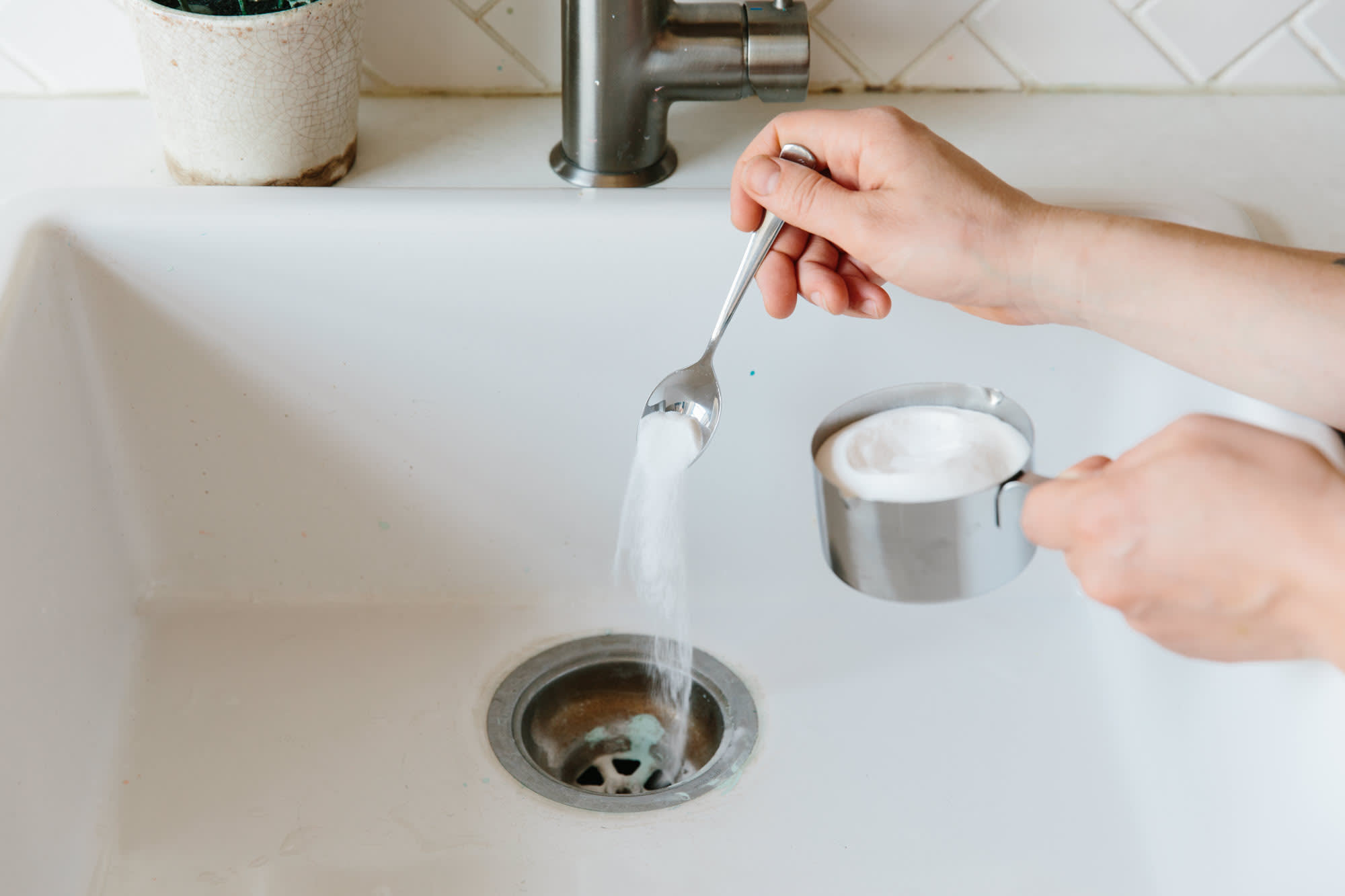
Image Source: cdn.apartmenttherapy.info
Deciphering Sink Smells: What Causes Them?
Before we dive into solutions, it’s helpful to know what causes that funky odor emanating from your kitchen sink. It’s usually a combination of food particles, grease, soap scum, and moisture. When these elements gather in your sink pipes or drain, they create a breeding ground for bacteria and mold. These microorganisms break down the trapped debris, releasing foul-smelling gases.
Here’s a breakdown of common culprits:
- Food Scraps: Small pieces of food, especially those that are oily or fatty, can get stuck in the drain or the garbage disposal.
- Grease and Oil: Pouring cooking grease down the drain seems convenient, but it solidifies and coats the pipes, trapping other debris.
- Soap Scum: Residue from dish soap and cleaning products can build up, creating a sticky surface where grime adheres.
- Moisture: A consistently damp environment is perfect for bacteria and mold to thrive.
- Garbage Disposal Buildup: If you have a garbage disposal, food particles can accumulate in its chambers and under the rubber splash guard, leading to persistent odors.
- Clogged Drain: Any blockage restricts water flow, allowing water to sit and stagnate, promoting odor-causing bacteria.
- Moldy Sink: In damp and dirty conditions, mold can develop on the sink basin, faucet base, or even within the pipes.
Natural Remedies for a Fresh Sink
Fortunately, you don’t need harsh chemicals to banish sink smells. Many effective solutions are already in your pantry. These natural methods are not only safe for your pipes but also eco-friendly.
Baking Soda and Vinegar: The Dynamic Duo
This classic combination is a powerhouse for cleaning and deodorizing.
How it works:
- Baking Soda: A mild abrasive and a natural deodorizer, baking soda absorbs odors and gently scrubs away grime.
- Vinegar: An acidic liquid, vinegar helps to break down grease, soap scum, and kill bacteria. When mixed with baking soda, it creates a fizzy reaction that helps dislodge debris.
Steps:
- Pour Baking Soda: Start by pouring about 1/2 cup to 1 cup of baking soda directly down the drain.
- Add Vinegar: Follow with about 1 cup of white vinegar. You’ll see it fizz!
- Let it Sit: Allow the mixture to bubble and work its magic for at least 15-30 minutes. For tougher smells, you can leave it longer, even overnight.
- Flush with Hot Water: After the waiting period, pour a kettle of boiling hot water down the drain. This flushes away the loosened debris and any remaining baking soda and vinegar residue.
Pro Tip: For an extra boost, you can also sprinkle baking soda on the sink basin itself, create a paste with a little water, scrub with a sponge, and then rinse.
Citrus Peels: A Fresh Scent and Natural Cleaner
Who knew your leftover lemon, orange, or grapefruit peels could be such an effective sink deodorizer?
How it works:
- Citrus Oils: Citrus fruits contain natural oils that have antibacterial properties and leave a pleasant, fresh scent.
- Abrasive Texture: The slightly rough texture of the peels can help scrub away minor buildup.
Steps (Especially effective for garbage disposals):
- Collect Peels: Save peels from citrus fruits like lemons, limes, oranges, or grapefruits.
- Cut into Small Pieces: Cut the peels into smaller, manageable pieces.
- Feed to Disposal: Turn on your garbage disposal and slowly feed the citrus peel pieces into it.
- Run with Cold Water: Let the disposal run with cold water for about 30 seconds to a minute. This will grind the peels and distribute the fresh scent throughout the disposal and pipes.
For sinks without disposals: You can boil citrus peels in water and then use this fragrant water to rinse your sink, or even pour some of the cooled citrus water down the drain followed by hot water.
Salt and Hot Water: A Simple Flush
Sometimes, the simplest methods are the most effective for routine maintenance.
How it works:
- Salt: Salt is a natural abrasive and can help to scrub away grime.
- Hot Water: Hot water helps to melt grease and flush away loose particles.
Steps:
- Pour Salt: Sprinkle about 1/2 cup of coarse salt (like kosher salt) down the drain.
- Flush with Hot Water: Immediately follow with a kettle of boiling hot water.
- Repeat if Needed: For persistent minor odors, repeat this process weekly.
Boiling Water: The Go-To for Grease
If grease buildup is your primary concern, boiling water is your best friend.
How it works:
- Melting Grease: The high temperature of boiling water effectively melts solidified grease and oil that may be coating your pipes.
Steps:
- Boil Water: Fill a kettle or pot with water and bring it to a rolling boil.
- Pour Carefully: Slowly and carefully pour the boiling water directly down the drain. Pour in stages if necessary.
- Repeat: You might need to do this a few times, especially if you suspect significant grease buildup.
Caution: While generally safe, avoid this method if you have very old or fragile pipes, or if you have a plastic drain trap, as extreme heat could potentially damage them.
Ice Cubes and Salt (for Garbage Disposals)
This method is excellent for cleaning and sharpening your garbage disposal blades while also deodorizing.
How it works:
- Ice Cubes: The hardness of the ice cubes helps to scrape away stuck-on food particles and grease from the disposal’s grinding chamber.
- Salt: Acts as an abrasive, aiding in the scraping process.
Steps:
- Fill with Ice: Fill your garbage disposal with ice cubes.
- Add Salt: Sprinkle about 1/4 cup of coarse salt over the ice.
- Run Disposal: Turn on the cold water and run the garbage disposal until the ice and salt are completely ground up.
- Flush: Run cold water for another 30 seconds to flush everything through.
Tackling Specific Sink Issues
Sometimes, the smell is more than just a little funk. Let’s address some more specific problems.
Dealing with a Clogged Drain
A clogged drain often goes hand-in-hand with a smelly sink because water stagnates.
Natural Solutions for Clogs:
- Baking Soda and Vinegar (as described above): The fizzy reaction can help break down minor clogs.
- Plunger: For a more physical approach, a sink plunger can be very effective. Ensure a good seal around the drain and plunge with force.
- Drain Snake (or Wire Hanger): A simple drain snake or a straightened wire coat hanger can be used to carefully reach into the drain and pull out any visible obstructions. Be gentle to avoid damaging pipes.
- Hot Water and Dish Soap: For grease-related clogs, pour a generous amount of dish soap down the drain, followed by boiling water. The soap helps to break down grease, and the hot water flushes it away.
When to Call a Professional: If you’ve tried these methods and the clog persists, or if you suspect a deeper issue, it might be time to contact a plumber. Attempting to force a stubborn clog could lead to pipe damage.
Eliminating Moldy Sink Odors
Mold thrives in damp, dark environments, and the underside of your sink or drain edges can be prime real estate for it.
Natural Cleaning for Mold:
- Vinegar Spray: Mix undiluted white vinegar in a spray bottle. Spray it generously on any visible mold or mildew on your sink basin or around the faucet. Let it sit for at least an hour, then scrub with a brush and rinse.
- Baking Soda Paste: For tougher mold spots, make a paste of baking soda and water. Apply it to the affected area, let it sit for about 30 minutes, scrub, and rinse.
- Hydrogen Peroxide (3%): This is another excellent natural disinfectant. Spray undiluted 3% hydrogen peroxide onto moldy areas, let it sit for about 10 minutes, then scrub and rinse. Always test in an inconspicuous area first.
Preventing Mold: The key is to keep the sink area dry. Wipe down your sink after each use, especially around the faucet base and drain. Ensure good ventilation in your kitchen.
Cleaning Sink Pipes Naturally
The smell often originates from buildup within the pipes themselves.
Methods to Clean Sink Pipes:
- Baking Soda and Vinegar Flush: As detailed earlier, this is a great way to clean the inner walls of your pipes.
- Enzyme Drain Cleaners: These are a fantastic natural alternative to harsh chemical drain cleaner. They use natural enzymes and bacteria to break down organic waste (food particles, grease, hair) without damaging pipes. Follow the product instructions for use. They are often a gentler, longer-term solution.
- Boiling Water Flush: Regularly flushing with boiling water helps prevent grease and soap scum from hardening.
Frequency: Aim to do a baking soda and vinegar flush once a week or bi-weekly to maintain clean sink pipes and prevent odor buildup.
Preventing Sink Odor: Proactive Measures
The best way to deal with a smelly sink is to prevent the odor from developing in the first place.
Daily Habits for a Fresh Sink
- Rinse Thoroughly: After each use, especially after washing dishes with greasy residue, rinse the sink basin thoroughly with hot water.
- Wipe Down: Make it a habit to wipe down your sink basin, faucet, and surrounding countertop after use. This removes moisture and potential food particles.
- Avoid Pouring Grease: Never pour cooking grease, oil, or fatty liquids down the drain. Pour them into a disposable container and dispose of them in the trash once cooled.
- Scrape Plates: Scrape as much food debris as possible from plates into the trash or compost before rinsing them in the sink.
- Run Cold Water: When using your garbage disposal, always run cold water before, during, and for about 15-20 seconds after you finish grinding food. This helps to flush food particles through the system and solidify any grease so it gets chopped up and washed away.
Weekly Maintenance Routine
A short weekly maintenance routine can keep your sink smelling fresh year-round.
Suggested Weekly Routine:
- Baking Soda & Vinegar Flush: Perform the baking soda and vinegar treatment described above.
- Garbage Disposal Freshening (if applicable): Use citrus peels or the ice cube and salt method.
- Sink Basin Scrub: Give your sink basin a quick scrub with a paste of baking soda and water or a natural all-purpose cleaner. Rinse thoroughly.
What to Avoid
- Harsh Chemical Drain Cleaner: While they can clear clogs, these chemicals are often toxic, corrosive, and can damage your pipes and the environment. They don’t always address the underlying cause of odors and can sometimes worsen the smell if they react with existing buildup.
- Pouring Coffee Grounds: While some people suggest coffee grounds, they can actually contribute to clogs by absorbing moisture and clumping together in pipes. It’s best to compost them.
- Using Bleach Regularly: Bleach can kill bacteria, but it’s harsh, can damage certain sink materials, and its fumes can be strong. It doesn’t effectively break down grease or food particles. If you do use it for a specific mold issue, dilute it heavily and use it sparingly.
When Do You Need a Drain Cleaner?
While we advocate for natural solutions, there are times when a more robust approach might be necessary. If you have a persistent, severe clog that natural methods cannot clear, a commercial drain cleaner might be considered. However, opt for enzyme-based cleaners whenever possible. If even these don’t work, or if you suspect a major blockage deep within your plumbing system, it’s best to call a plumber. They have specialized tools and knowledge to diagnose and fix the problem without damaging your pipes. Remember, a clogged drain is often the primary cause of a truly foul sink odor, and clearing it is paramount.
Table: Natural Sink Deodorizer Comparison
| Method | Best For | Ease of Use | Effectiveness | Frequency | Notes |
|---|---|---|---|---|---|
| Baking Soda & Vinegar | General odor, light grease, minor clogs | Easy | High | Weekly/Bi-weekly | Creates fizzing action. |
| Citrus Peels | Garbage disposal odors, fresh scent | Very Easy | Medium | As needed/Weekly | Best if you have a disposal. |
| Salt & Hot Water | Routine maintenance, light grease | Very Easy | Medium | Weekly | Simple flush. |
| Boiling Water | Grease buildup | Easy | High | As needed/Monthly | Caution with old pipes. |
| Ice Cubes & Salt | Garbage disposal cleaning & deodorizing | Easy | High | Monthly | Scrapes and cleans disposal chamber. |
| Enzyme Drain Cleaner | Ongoing pipe maintenance, breaks down waste | Easy | High | Monthly/As per product | Natural, safer alternative to harsh chemicals. |
Frequently Asked Questions (FAQ)
Q1: Can I use baking soda and vinegar every day?
A1: While safe for pipes, daily use isn’t usually necessary. A weekly or bi-weekly treatment is sufficient for maintenance. Overuse isn’t harmful but might be overkill.
Q2: My sink still smells after using baking soda and vinegar. What else can I do?
A2: If the smell persists, the issue might be a more significant clog or buildup deeper in your pipes. Try the ice cube/salt method for your garbage disposal if you have one, or consider using an enzyme-based drain cleaner. If these don’t work, a plumber may be needed.
Q3: Is it safe to pour boiling water down my sink?
A3: For most modern plumbing, boiling water is safe and effective for melting grease. However, if you have very old pipes, plastic drain traps, or are unsure about your plumbing’s condition, it’s safer to use very hot tap water instead.
Q4: How often should I clean my garbage disposal?
A4: It’s a good idea to clean and deodorize your garbage disposal at least once a month. Using citrus peels or the ice cube and salt method are excellent ways to do this.
Q5: What if I have a double sink? Do I treat both drains?
A5: Yes, if you have a double sink, it’s best to treat both drains to ensure both sides are clean and odor-free. You can do this simultaneously or one after the other.
Q6: Can I use these methods for bathroom sinks too?
A6: Many of these natural methods, especially baking soda and vinegar, are also effective for bathroom sinks, particularly for tackling soap scum and minor odors. Just be mindful of hair buildup in bathroom drains, which might require a different approach like a drain snake.
By implementing these natural solutions and proactive habits, you can effectively eliminate unpleasant sink odors and maintain a fresh, clean kitchen environment. Your nose will thank you!