
Can you hide garbage cans in the kitchen? Yes, you absolutely can! Hiding your kitchen garbage can is a popular goal for many homeowners looking to improve their kitchen’s aesthetic. A cluttered or unsightly trash can can detract from even the most beautifully designed kitchen. Fortunately, there are numerous clever and stylish ways to keep your waste bin out of sight and out of mind. From simple covers to elaborate built-ins, this guide explores smart solutions for concealing your kitchen trash can, making your kitchen more enjoyable and visually appealing.
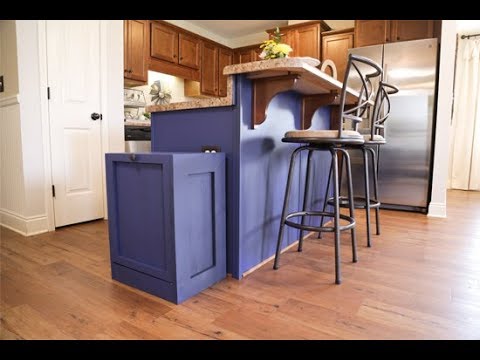
Image Source: i.ytimg.com
Why Hide Your Kitchen Garbage Can?
Many people desire to hide their kitchen garbage can for several good reasons. A tidy kitchen is more pleasant to be in. Visible trash cans can be an eyesore, disrupting the overall look and feel of your culinary space. Beyond aesthetics, hiding your trash can can also help control odors and prevent pests from being attracted to your kitchen.
Key Benefits of Concealing Your Trash Can:
- Enhanced Aesthetics: A clean, uncluttered look is more visually appealing.
- Odor Control: Enclosed spaces can better contain unpleasant smells.
- Pest Prevention: Keeping the trash bin hidden can deter insects and rodents.
- Improved Hygiene: Reduces exposure to airborne particles around the bin.
- Space Optimization: Some solutions can also help organize your kitchen.
Creative Ways to Conceal Your Kitchen Trash Can
There are many effective strategies to hide your kitchen trash can. The best approach for you will depend on your kitchen’s layout, your budget, and your DIY skills. Let’s explore some of the most popular and effective methods.
1. The Pull-Out Trash Can Drawer
One of the most popular and seamless ways to hide a garbage can is by installing a pull-out trash can drawer. These systems are integrated directly into your cabinetry, typically under the sink.
How it Works:
- A sturdy slide mechanism is attached to the bottom of the garbage can or a dedicated bin.
- This bin slides into a specially designed cabinet space.
- When you need to use it, you simply pull the drawer open.
- Many systems include a handle or a specialized mechanism for easy access.
Advantages:
- Completely Hidden: When closed, the trash can is invisible.
- Easy Access: Pull-out drawers make it simple to deposit trash and remove the bag.
- Space-Saving: Utilizes often underused cabinet space, especially under the sink.
- Clean Look: Maintains a streamlined kitchen appearance.
Considerations:
- Installation: May require some carpentry skills or hiring a professional.
- Cabinet Space: Dedicates a portion of your cabinet space to the trash can.
- Bin Size: You are limited by the dimensions of the cabinet opening.
2. The Under-Sink Garbage Solutions
The area under your kitchen sink is a prime location for under sink garbage solutions. This space is often underutilized and provides a natural hiding spot.
Options for Under-Sink Concealment:
- Standard Bin Placement: Simply place a smaller trash can under the sink. Ensure it fits comfortably and doesn’t obstruct plumbing.
- Cabinet Door Mounts: Small bins can be attached to the inside of a cabinet door, keeping them out of sight when the door is closed. These are great for compost or smaller waste items.
- Rolling Bins: If you have a bit more space, a smaller rolling trash can can be tucked away and easily pulled out.
Benefits:
- Convenient: Directly accessible where you do a lot of food prep and dishwashing.
- Out of Sight: Behind cabinet doors, it’s completely hidden.
- Odor Containment: The cabinet doors help to seal in odors.
Things to Keep in Mind:
- Plumbing Obstructions: Make sure there’s enough clear space for the bin.
- Ventilation: If odors are a concern, consider leaving the cabinet door ajar or using odor-absorbing products.
- Bin Capacity: Space is usually limited, so these are best for smaller households or for separating recycling.
3. The Kitchen Island Trash Concealment
If you have a kitchen island, it can be a fantastic place for kitchen island trash concealment. Many modern kitchen islands are designed with integrated trash solutions.
Built-In Trash Bins:
- Many island designs include a dedicated cabinet with a pull-out drawer specifically for a trash bin.
- This is often positioned conveniently for cleaning up after meal prep.
DIY Island Solutions:
- Cut-Outs with Lids: You can modify an existing island by creating a hole in the countertop with a custom-fitted lid. The trash can sits below.
- Cabinet Integration: Similar to pull-out drawers, a small cabinet can be incorporated into the island design.
Advantages:
- Centralized Convenience: Trash disposal is readily available in the heart of the kitchen.
- Sleek Integration: When done professionally, it looks like a natural part of the island.
- Space Efficiency: Uses prime kitchen real estate effectively.
What to Check:
- Island Structure: Ensure your island can accommodate modifications without compromising stability.
- Ventilation: Plan for how to manage odors if the bin is enclosed within the island.
- Professional Installation: For cut-outs and custom lids, professional work is recommended.
4. Freestanding Trash Can Cabinets
A freestanding trash can cabinet offers a more traditional furniture-like approach to hiding your garbage. These are standalone units designed to house one or more trash cans.
Types of Cabinets:
- Multi-Bin Cabinets: Designed to hold both trash and recycling bins, often with separate compartments.
- Single Bin Cabinets: For those who only need to conceal a single trash can.
- Decorative Cabinets: Many freestanding cabinets are designed to look like attractive pieces of furniture, blending seamlessly with your kitchen decor.
Features to Look For:
- Pull-Out Shelves: For easy access to the trash can.
- Ventilation Holes: To help prevent odor buildup.
- Stylish Finishes: To match your kitchen cabinets and style.
- Durable Construction: To withstand daily use.
Pros:
- Versatile Placement: Can be placed in various locations around the kitchen.
- Aesthetic Appeal: Often designed to enhance your kitchen’s look.
- Odor and Pest Control: Provides a good barrier.
Cons:
- Floor Space: Requires dedicated floor space.
- Cost: Can be more expensive than other solutions.
- Size Limitations: Bin size is determined by the cabinet dimensions.
5. Pantry Trash Can Storage
If you have a walk-in pantry or a large cabinet, pantry trash can storage is an excellent option. This keeps the trash completely out of sight in a dedicated space.
How to Set It Up:
- Designated Corner: Clear a corner of your pantry for the trash can.
- Cabinet Within a Cabinet: Use a larger pantry cabinet and place a smaller trash bin inside.
- Rolling Carts: A small rolling cart can be placed in the pantry, making it easy to pull out when needed.
Advantages:
- Completely Hidden: Out of sight in a separate room or storage area.
- Odor Isolation: Any odors are contained within the pantry.
- Maximizes Kitchen Counter Space: Frees up valuable space in your main kitchen area.
Things to Consider:
- Convenience: You’ll need to carry trash to the pantry.
- Pantry Size: Requires sufficient space in your pantry.
- Pest Management: Ensure your pantry itself is pest-proof.
6. Decorative Garbage Can Covers
For those who prefer a simpler approach or have limited renovation options, decorative garbage can covers can be a great solution.
What Are They?
- These are stylish covers or sleeves designed to slip over a standard trash can.
- They can be made from fabric, wicker, wood, or metal and come in various designs to match your kitchen decor.
Types of Covers:
- Wicker Baskets: Natural and attractive, often with a hinged lid.
- Fabric Sleeves: Easy to put on and take off, available in many patterns.
- Wooden Caddies: Can offer a more solid and furniture-like appearance.
- Metal Cages: Modern and industrial-looking options.
Pros:
- Affordable: Generally less expensive than built-in solutions.
- Easy to Use: Simply place the cover over your existing trash can.
- Portability: Can be moved easily.
- Aesthetic Improvement: Instantly makes a plain trash can look better.
Cons:
- Limited Odor Control: May not fully contain strong odors.
- Access: You still need to lift the cover to access the trash.
- Durability: Some fabric or wicker covers may not be as durable as other options.
7. DIY Trash Can Hiding Ideas
For the creative and budget-conscious, there are many DIY trash can hiding ideas. These can be tailored to your specific needs and style.
Popular DIY Projects:
- Build a Custom Cabinet: Construct a simple wooden cabinet with a hinged door or pull-out drawer. You can paint or stain it to match your existing kitchen cabinets.
- Repurpose Furniture: An old cabinet, hutch, or even a decorative chest can be modified to house a trash can.
- Mount to Cabinet Doors: Use simple brackets or hinges to attach a small bin to the inside of a cabinet door.
- Create a Rolling Cart Enclosure: Build a simple wooden frame with wheels to hold a trash can and a decorative facade.
Tips for DIY Success:
- Measure Carefully: Ensure the trash can fits comfortably within your DIY structure.
- Consider Ventilation: Add small holes or gaps for airflow to reduce odors.
- Use Durable Materials: Choose wood or other materials that can withstand moisture and use.
- Safety First: Ensure any modifications are stable and won’t tip over.
8. Outdoor Kitchen Trash Storage
If you have an outdoor kitchen or grilling area, consider outdoor kitchen trash storage. This is crucial for keeping your outdoor entertaining space clean and inviting.
Solutions for Outdoor Spaces:
- Built-In Bins: Many outdoor kitchens are designed with integrated trash bins, often accessed through a countertop opening or a dedicated cabinet.
- Weather-Resistant Carts: Use a sturdy, weather-resistant cart or bin designed for outdoor use.
- Decorative Enclosures: Similar to indoor freestanding cabinets, outdoor versions can be made from weather-treated wood or metal to protect the trash can from the elements.
Key Considerations for Outdoor Storage:
- Weather Resistance: Materials must withstand rain, sun, and temperature changes.
- Pest Control: Outdoor trash needs strong containment to deter wildlife and insects.
- Odor Management: Good ventilation and secure lids are essential.
- Ease of Cleaning: The unit should be easy to wipe down.
Choosing the Right Solution for Your Kitchen
Selecting the best method for hiding your kitchen garbage can involves evaluating several factors:
Factors to Consider:
- Kitchen Size and Layout: A small kitchen might benefit from under-sink solutions or pull-out drawers, while a larger kitchen might accommodate a freestanding cabinet or island integration.
- Budget: DIY options and decorative covers are generally more affordable than custom cabinetry or pull-out drawer installations.
- Household Size and Usage: A large family will generate more trash and may need a larger capacity solution, possibly one that can accommodate multiple bins for recycling and compost.
- DIY Skills and Time Availability: If you’re not comfortable with carpentry, opting for pre-made solutions or professional installation is wise.
- Aesthetic Preferences: Do you want the solution to be completely invisible, or do you prefer a decorative element that masks the trash can?
- Odor and Pest Concerns: The level of concealment needed to manage odors and pests will influence your choice.
Implementing Your Hidden Trash Can Solution
Once you’ve decided on a method, here’s a general approach to implementation:
- Measure Your Space and Trash Can: Accurately measure the area where you plan to hide the trash can and the dimensions of the trash can itself (or the bin you intend to use).
- Purchase or Gather Materials: Buy a suitable product (pull-out drawer kit, freestanding cabinet, decorative cover) or gather the materials needed for your DIY project.
- Prepare the Area: Clear the designated space. If you’re modifying cabinets, you may need to remove existing shelves or make cuts.
- Install the Solution: Follow product instructions or your DIY plan for installation. This might involve attaching slides, mounting hardware, or assembling a cabinet.
- Test and Adjust: Ensure the trash can fits, the mechanism works smoothly, and the doors or covers close properly. Make any necessary adjustments.
- Maintain and Clean: Regularly clean the hidden bin and the surrounding area to prevent odors and maintain hygiene.
Frequently Asked Questions (FAQ)
What is the best way to hide a garbage can in a small kitchen?
For small kitchens, under sink garbage solutions or pull-out trash can drawer systems are often the most efficient. They utilize existing cabinet space without taking up valuable floor real estate. Small, decorative garbage can covers that fit a slim-profile bin can also be effective if placed discreetly in a corner.
How do I prevent odors from my hidden garbage can?
Good ventilation is key. If using a cabinet or enclosed space, ensure there are small gaps or vents for air circulation. Using trash bags with odor-blocking technology, regularly emptying the bin, and placing baking soda or activated charcoal inside or near the bin can also help significantly. Keeping the concealed trash bin clean is paramount.
Can I use a trash can inside a kitchen island?
Yes, kitchen island trash concealment is a popular and functional feature. Many kitchen islands are designed with integrated pull-out drawers specifically for trash bins. You can also modify an existing island to include a cabinet with a trash can.
Are there any solutions for hiding multiple trash cans (e.g., for recycling and compost)?
Absolutely. Many freestanding trash can cabinets and pull-out trash can drawer systems are designed to accommodate multiple bins. You can also dedicate different cabinets or sections of your pantry for separate bins, making it easy to manage recycling and compost alongside general waste.
What are some budget-friendly DIY options for hiding trash cans?
Great DIY trash can hiding ideas include repurposing an old wooden crate or chest, building a simple wooden enclosure with a hinged lid, or attaching a small bin to the inside of a cabinet door. Using a large decorative basket as a decorative garbage can cover is another simple and affordable method.
By implementing these smart solutions, you can transform your kitchen into a cleaner, more organized, and visually appealing space, effectively banishing unsightly garbage cans to a hidden, tidy existence.