
Can you hide kitchen outlets? Yes, you can! Hiding kitchen outlets is a popular goal for many homeowners looking to achieve a cleaner, more streamlined aesthetic in their kitchen. The visible presence of electrical outlets, while necessary, can sometimes detract from the overall design. Thankfully, there are numerous clever ways to conceal electrical outlets, ranging from simple DIY solutions to more involved renovations. This guide explores a variety of outlet hiding ideas to help you achieve a seamless look in your kitchen.
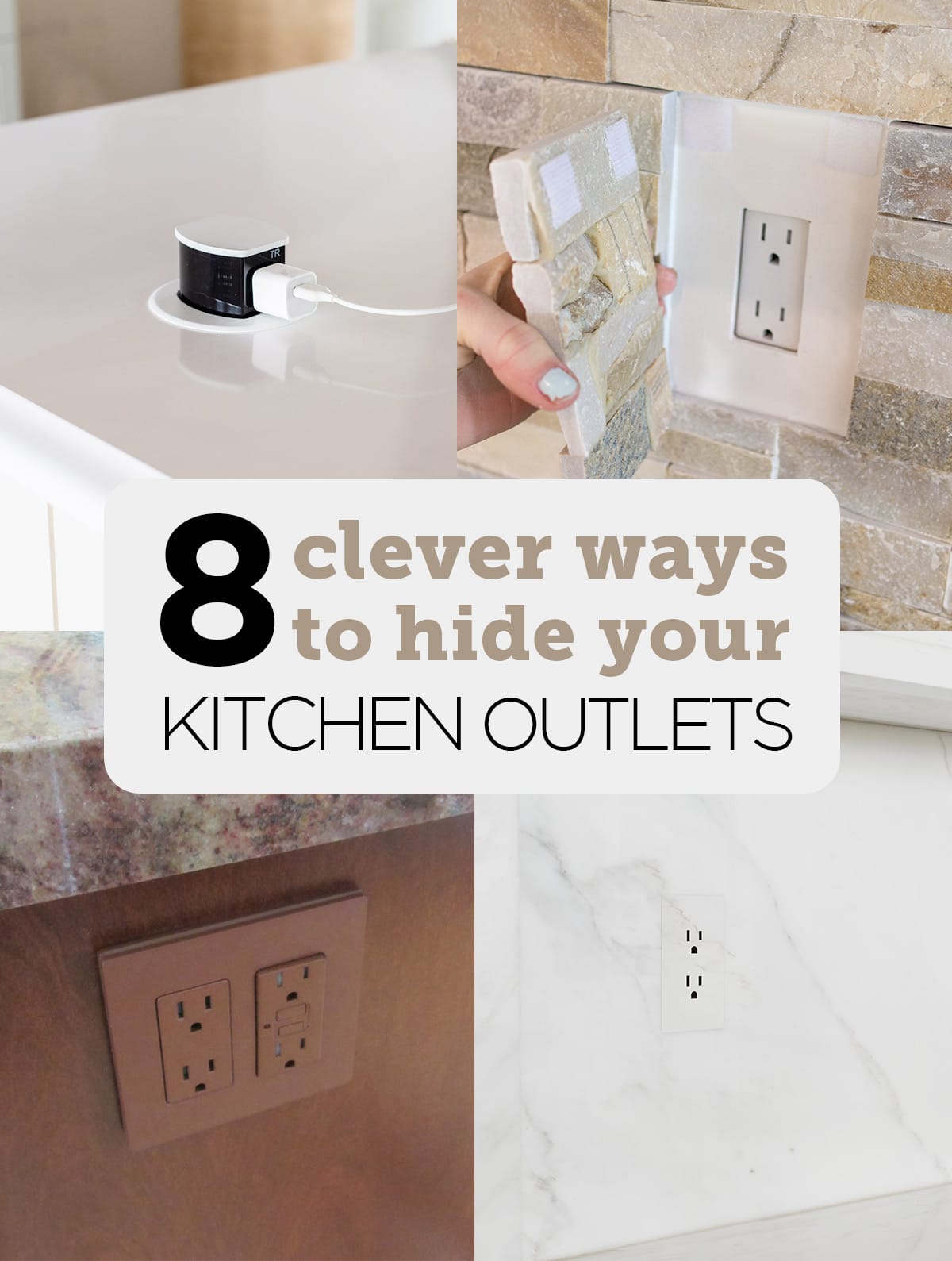
Image Source: www.jennasuedesign.com
Why Hide Kitchen Outlets?
Kitchens are often the heart of the home, a space where functionality meets aesthetics. While outlets are crucial for powering appliances, their placement isn’t always aesthetically pleasing. Exposed outlets can break up the visual flow of backsplash tiles, cabinet fronts, or countertops. This is particularly true in kitchens with intricate tile work or premium countertop materials. The desire to conceal electrical outlets stems from a wish for a cleaner, more modern look, making the kitchen feel more cohesive and less cluttered.
Simple Solutions for Outlet Concealment
Not everyone wants to undertake major renovations to hide outlets. Fortunately, several straightforward methods can effectively cover kitchen outlets without significant effort or expense. These solutions are great for renters or those on a budget.
Outlet Covers for Kitchens: Decorative Options
The market offers a variety of decorative outlet covers that go beyond the standard white plastic.
- Style Matching Covers: You can find outlet covers designed to mimic the look of wood grain, brushed metal, or even specific paint colors to blend with your kitchen’s cabinetry or wall color.
- Patterned Covers: Some companies offer outlet covers with subtle patterns or designs that can add a touch of personality without being overly distracting.
- Custom Engraved Covers: For a truly unique touch, consider custom engraved covers that might feature a small design or even your family initial.
Electrical Outlet Disguises: Everyday Objects
Sometimes, the best solutions are right in front of you, or rather, the items you already use.
- Appliance Placement: Strategically placing larger appliances like toasters, coffee makers, or blenders in front of outlets can naturally hide appliance plugs and the outlets themselves. Ensure there’s enough ventilation for the appliances.
- Decorative Boxes or Containers: A small, attractive decorative box or basket can sit on the counter and discreetly hide an outlet. Make sure to choose a container with adequate ventilation and a way to safely access the outlet when needed.
- Small Plants: A potted herb or a small decorative plant can effectively camouflage an outlet. Opt for plants that don’t require excessive watering near electrical fixtures.
Outlet Concealment Methods: Furniture and Fixtures
Incorporating outlets into existing or new kitchen furniture can provide an elegant solution.
- Under-Cabinet Outlets: Many modern kitchens feature outlets integrated directly into the underside of cabinets. These are often low-profile and hard to see from a standing position, providing convenient power without disrupting the backsplash.
- Pop-Up Outlets: These innovative solutions are installed within countertops or cabinetry and can be popped up when needed and then recessed flush when not in use. They offer a sleek, modern look and are excellent for keeping surfaces clear.
Advanced Outlet Hiding Ideas for a Seamless Look
For those seeking more permanent and integrated solutions, several advanced kitchen outlet solutions can drastically improve the visual appeal of your kitchen.
Electrical Outlet Camouflage: Blending with Walls and Backsplash
The goal here is to make the outlet virtually disappear into its surroundings.
- Paintable Outlet Covers: Standard plastic outlet covers can be painted to match the wall color perfectly. For a truly invisible look, ensure the paint is applied evenly and consider using a matte finish.
- Custom Tile Outlet Covers: If you have a tiled backsplash, you can get custom-made outlet covers that are faced with the same tile. This creates a completely seamless integration, making the outlet appear as if it’s part of the tile pattern. This requires careful measurement and a skilled installer.
- Backsplash Integration: Some high-end kitchens integrate outlets directly into the backsplash material itself. This might involve cutting out sections of stone or tile for a flush-mounted outlet with a matching cover.
Hide Appliance Plugs: Beyond the Countertop
Beyond simply placing appliances in front of outlets, consider where you store and use your appliances.
- Appliance Garages: These are enclosed cabinets designed to house small appliances. When not in use, the appliance can be stored inside, and the garage door closed, hiding both the appliance and its plug. Outlets are typically installed within the garage.
- Drawer Outlets: Some custom cabinetry includes outlets installed inside drawers. This is ideal for charging devices or powering small appliances that are used infrequently, keeping them out of sight.
Seamless Outlet Integration: Hidden and Discreet Power
The ultimate goal for many is to achieve seamless outlet integration, where power is available but visually absent.
- Underside of Shelving: Similar to under-cabinet outlets, power strips or individual outlets can be mounted on the underside of open shelving. This keeps the countertop and shelves themselves clear.
- Cabinet Interior Outlets: For appliances stored within cabinets (like a mixer lift), outlets can be installed inside the cabinet. This is a very clean solution for appliances that have a designated storage spot.
- Toe Kick Outlets: In some modern designs, outlets are cleverly hidden within the toe kick area of kitchen cabinets. These are low to the ground and usually only visible when you’re looking down, making them ideal for outlets that might be needed for floor vacuums or temporary appliances.
Considerations When Hiding Outlets
While the aesthetic benefits of hiding outlets are clear, there are crucial practical and safety aspects to consider.
Accessibility and Safety
- Easy Access: Ensure that any method chosen still allows for easy and safe access to the outlet when you need to plug in or unplug appliances. Avoid creating a situation where you have to move heavy objects or contort yourself to use the outlet.
- Ventilation: If you’re covering outlets near appliances that generate heat, ensure adequate ventilation to prevent overheating.
- Professional Installation: For any modifications involving cutting into cabinets, countertops, or walls, it’s highly recommended to hire a qualified electrician or contractor to ensure the work is done safely and up to code. Improper installation can lead to electrical hazards.
- Child Safety: If you have young children, consider childproofing methods for any outlets that remain accessible, even if they are partially hidden.
Building Codes and Regulations
- Local Codes: Always be aware of and adhere to local building codes regarding electrical outlet placement and accessibility. Some codes specify minimum numbers of outlets in certain areas and require them to be readily accessible.
- Professional Advice: Consult with an electrician to ensure your outlet concealment methods comply with all relevant regulations.
Popular Outlet Hiding Methods in Detail
Let’s delve deeper into some of the most popular and effective ways to conceal electrical outlets.
Pop-Up Outlets: The Modern Marvel
Pop-up outlets, also known as countertop outlets or retractable outlets, are a fantastic kitchen outlet solution. They are typically installed flush with the countertop surface or can be recessed into a cabinet or island.
Types of Pop-Up Outlets:
- Manual Pop-Up: These require a manual push or pull to extend and retract.
- Automatic Pop-Up: These spring up with a simple press and retract with a gentle push.
- Power Grommets: These are more like rings that fit into a hole, allowing cords to pass through while the outlet remains mostly hidden.
Advantages:
- Sleek Aesthetics: They offer a truly modern and minimalist look.
- Convenience: Power is available where you need it without cluttering the countertop.
- Water Resistance: Many models are designed with seals to resist spills.
Disadvantages:
- Cost: They are generally more expensive than standard outlets.
- Installation Complexity: Requires cutting into countertops or cabinets, best done by professionals.
- Limited Placement: Best suited for countertops, islands, or cabinet edges.
Under-Cabinet Outlets: Smart and Discreet
Mounting outlets on the underside of kitchen cabinets is a highly practical and aesthetically pleasing way to cover kitchen outlets. This keeps the backsplash free and clear for decorative tiles or subway tile.
Installation Methods:
- Flush Mount Boxes: These are installed flush with the cabinet bottom.
- Surface Mount Boxes: These can be attached directly to the cabinet underside.
- Power Strips: A multi-outlet power strip can be mounted under a cabinet, offering multiple connection points.
Advantages:
- Hidden from View: Effectively conceals outlets and plugs from eye level.
- Easy Access for Countertop Appliances: Convenient for toasters, blenders, etc.
- Relatively Simple Installation: Often a DIY-friendly project for those comfortable with basic electrical work.
Disadvantages:
- Cord Management: Cords can still be visible if not managed carefully.
- Limited to Cabineted Areas: Not suitable for open shelving.
Appliance Garages: A Clutter-Conquering Cabinet
Appliance garages are built-in cabinets with doors that conceal small appliances, including their cords and plugs.
Design Variations:
- Lift-Up Doors: Doors that lift upwards to reveal the contents.
- Bi-Fold Doors: Doors that fold open.
- Roll-Up Doors: Doors that roll up into the cabinet.
Advantages:
- Complete Concealment: Hides appliances, cords, and outlets entirely.
- Keeps Countertops Clear: Reduces visual clutter.
- Protects Appliances: Keeps dust off appliances when not in use.
Disadvantages:
- Requires Cabinetry: Adds to the cost and complexity of kitchen cabinetry.
- Limited Capacity: Only suitable for smaller appliances.
Integrated Backsplash Outlets: The Ultimate Seamless Look
For the most integrated and luxurious finish, consider outlets that are part of the backsplash.
Approaches:
- Outlet Covers Matched to Tile: Using custom-cut outlet covers made from the same material as your backsplash tiles.
- Recessed Outlets within Tile: Cutting precise openings in larger format tiles for flush-mounted outlets.
- Specialized Backsplash Panels: Some backsplash systems have integrated power channels.
Advantages:
- Invisible Integration: Achieves the highest level of electrical outlet camouflage.
- Enhances Design: Maintains the integrity of the backsplash design.
Disadvantages:
- High Cost: Requires custom fabrication and professional installation.
- Complex Installation: Demands precision and expertise.
- Maintenance: Cleaning around outlets in tiled areas can be more challenging.
Outlet Hiding Ideas Summary Table
Here’s a quick comparison of different methods to help you choose the best outlet hiding ideas for your kitchen.
| Method | Aesthetics | Installation Complexity | Cost | Key Benefit |
|---|---|---|---|---|
| Decorative Covers | Improved | Very Simple | Low | Easy aesthetic upgrade |
| Appliance Placement | Good (if strategic) | N/A | N/A | Utilizes existing items |
| Decorative Boxes/Plants | Good (if chosen well) | Simple | Low | Quick and easy disguise |
| Under-Cabinet Outlets | Excellent | Moderate | Moderate | Keeps backsplash clear |
| Pop-Up Outlets | Excellent | High | High | Retractable, modern, and convenient |
| Appliance Garages | Excellent | High (cabinetry) | High | Complete appliance and cord concealment |
| Integrated Backsplash | Superior | Very High | Very High | Ultimate seamless integration |
| Paintable Covers | Excellent (if matched) | Simple | Low | Blends with wall color |
| Under-Shelf Outlets | Good | Moderate | Moderate | Powers devices on shelves discreetly |
| Toe Kick Outlets | Excellent (hidden) | High | Moderate | Out of sight, for occasional use |
Frequently Asked Questions (FAQ)
Q1: Is it safe to hide kitchen outlets?
A1: Yes, it is safe to hide kitchen outlets as long as the methods used are implemented correctly and adhere to electrical safety standards and local building codes. Ensure there is adequate ventilation if covering outlets near heat-generating appliances and that the outlets remain accessible for use and maintenance. Always prioritize safety and consult professionals if you’re unsure.
Q2: Can I paint over an outlet cover?
A2: Yes, you can paint over standard plastic outlet covers. For the best results, use a paint that is suitable for plastic and apply it evenly. Consider using a primer first and opt for a matte finish that matches your wall color for a more seamless look.
Q3: What are the best ways to hide outlets on a kitchen backsplash?
A3: The best ways to hide outlets on a kitchen backsplash include using outlet covers that match your tile, installing outlets directly into the backsplash material for a flush look, or mounting outlets on the underside of cabinets if your backsplash extends to the cabinets.
Q4: Are pop-up outlets reliable?
A4: Modern pop-up outlets are generally reliable, especially those from reputable manufacturers. They are designed for frequent use. However, like any mechanical or electrical device, proper installation and care are crucial for longevity.
Q5: What are the regulations for outlet placement in a kitchen?
A5: Kitchens typically have specific regulations regarding the number and placement of outlets to ensure convenience and safety. Common requirements include outlets spaced at intervals along countertops, and often a certain number of outlets dedicated to small appliance use. It’s essential to check your local building codes or consult an electrician for precise requirements.
Q6: Can I hide appliance plugs in a drawer?
A6: Yes, you can install outlets inside kitchen drawers for charging devices or powering small appliances. This is a great way to hide appliance plugs and keep electronics tidy and out of sight when not in use. Ensure the drawer is properly ventilated and that cords do not interfere with the drawer’s operation.
By exploring these various outlet hiding ideas, you can transform your kitchen into a more visually appealing and cohesive space. Whether you opt for a simple decorative cover or a sophisticated pop-up system, prioritizing safety and proper installation will ensure your kitchen looks great and functions perfectly.