
Can you hide electrical outlets in a kitchen? Yes, absolutely! There are many stylish ways to conceal electrical outlets and hidden kitchen outlets can dramatically improve the look of your cooking space. This guide will walk you through effective strategies and simple DIY projects to disguise wall outlets and integrate them seamlessly into your kitchen design.
When embarking on a kitchen renovation outlets are often an afterthought, but their placement and visibility can significantly impact the overall aesthetic. Unsightly outlets can detract from beautiful backsplashes or sleek cabinetry. Fortunately, you don’t have to settle for exposed power points. We’ll explore innovative kitchen outlet hiding ideas that blend functionality with style, transforming your kitchen’s appearance.
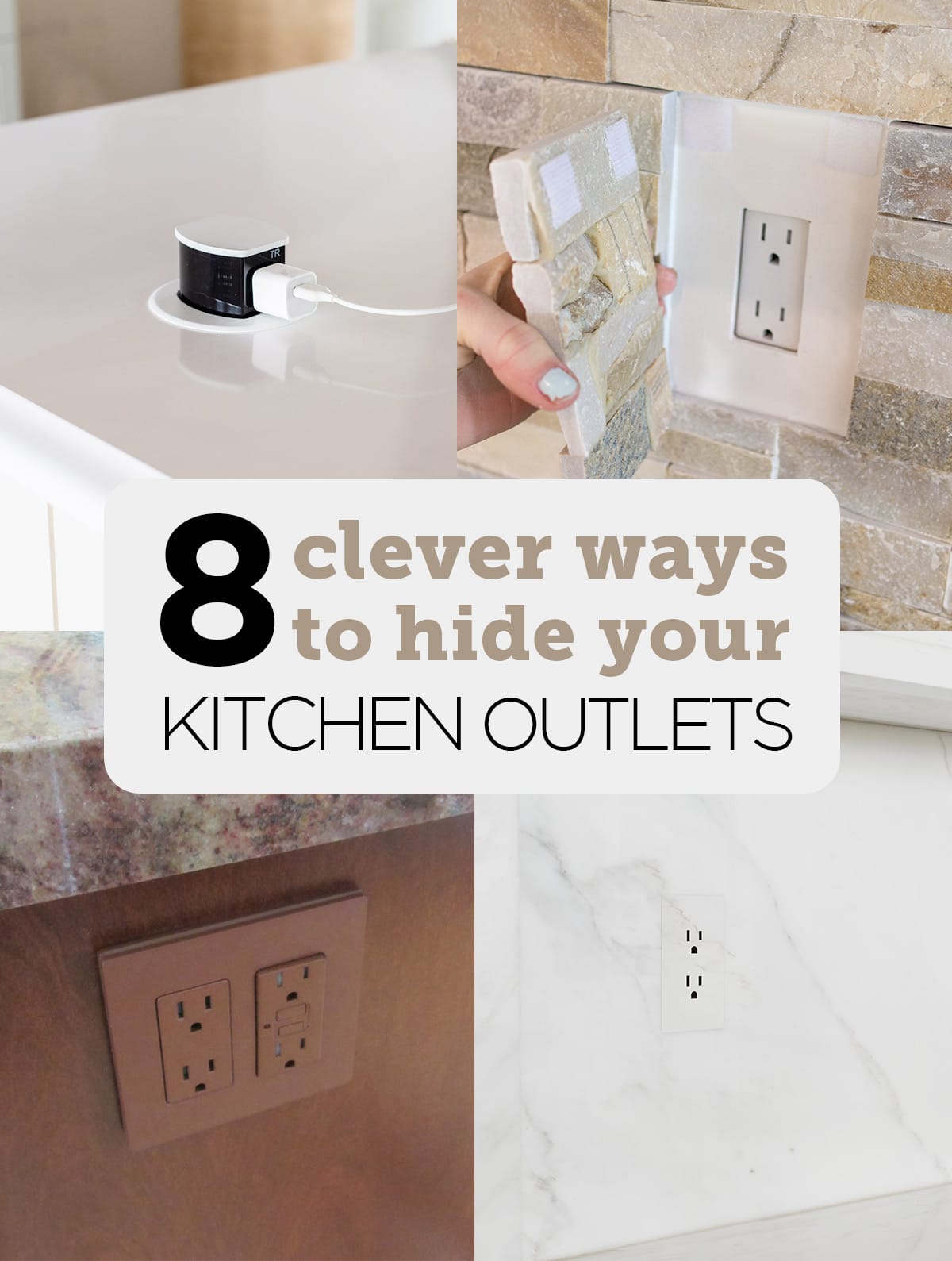
Image Source: www.jennasuedesign.com
Why Hide Kitchen Outlets?
The desire to conceal electrical outlets in the kitchen stems from a wish for a cleaner, more modern, and visually appealing space.
- Aesthetics: Exposed outlets can break up the visual flow of a tiled backsplash or interrupt the clean lines of custom cabinetry. Hiding them maintains a polished and sophisticated look.
- Functionality: In some areas, outlets can be inconveniently placed, collecting dust or being easily bumped by appliances. Concealing them can offer a more practical solution.
- Safety: While outlets are designed with safety in mind, keeping them less accessible, especially in a busy kitchen environment, can offer an extra layer of protection, particularly for households with young children.
- Modern Design Trends: Current kitchen design trends favor minimalism and integrated solutions. Hidden outlets align perfectly with this philosophy.
Stylish Ways to Conceal Electrical Outlets
There are numerous approaches to hide outlets in kitchen spaces, ranging from simple cover-ups to more involved installations. The best method for you will depend on your budget, DIY skills, and the specific layout of your kitchen.
1. Under-Cabinet Outlets
One of the most popular and effective ways to disguise wall outlets is to install them under your upper cabinets. This keeps them out of sight from the main counter space and backsplash.
Installation Considerations:
- Placement: Position them towards the front edge of the cabinet base, but far enough back to avoid being visible when looking directly at the backsplash.
- Type: Consider slim, low-profile outlet strips that can be mounted discreetly. These often offer multiple outlets in one unit.
- Wiring: This may require some electrical work, so if you’re not comfortable with it, hire a qualified electrician.
Benefits:
- Keeps countertops clear and visually appealing.
- Provides easy access for small appliances.
- Offers a very clean look for backsplashes.
2. Outlet Strips and Towers
For a more integrated approach, consider retractable outlet strips or pop-up towers. These are often installed within countertops or cabinets.
How They Work:
- Pop-Up Towers: These units are installed flush with the countertop and can be pushed down when not in use. They then pop up with a simple press when you need power.
- Retractable Strips: These are mounted under cabinets or inside appliance garages and can be pulled down when needed, retracting neatly when finished.
Installation Notes:
- Requires a cutout in the countertop or cabinet for installation.
- Ensure adequate space for the unit and its wiring.
- Look for models with integrated USB ports for added convenience.
Pros:
- Extremely discreet when not in use.
- Modern and sleek appearance.
- Convenient access to power.
3. Appliance Garages
Appliance garages are enclosed spaces within cabinets designed to house small appliances like toasters, blenders, or coffee makers. They are perfect for hiding outlets.
Design Ideas:
- Roll-Top Doors: These create a seamless look when closed.
- Hinged Doors: Can match your existing cabinetry.
- Sliding Doors: A good option for tighter spaces.
Electrical Integration:
- Wire an outlet inside the appliance garage so that appliances are powered as soon as they are placed inside.
- Ensure adequate ventilation to prevent overheating.
Advantages:
- Keeps appliances and their cords out of sight.
- Reduces countertop clutter.
- Provides dedicated power for frequently used items.
4. Decorative Outlet Plates and Covers
Sometimes, the simplest solution is to make the outlet itself more appealing. Decorative outlet plates can add a touch of personality and blend in with your kitchen’s decor.
Material Options:
- Metal: Stainless steel, brushed nickel, or antique brass can match your hardware.
- Ceramic or Porcelain: Can feature intricate patterns or colors.
- Wood: Offers a warm, natural feel.
- Custom Prints: You can even find plates with artistic designs.
DIY Customization:
- Paint existing outlet plates to match your wall color for a near-invisible look.
- Cover plates with wallpaper or fabric scraps. Ensure the material is heat-resistant and that you carefully cut openings for the outlets and switches.
Considerations:
- Ensure the plate design complements your backsplash and cabinetry.
- Safety first: Only replace the plate, not the electrical box or wiring.
5. Outlet Boxes in Cabinetry or Islands
For a cleaner look, you can recess outlet box kitchen installations within cabinetry or kitchen islands.
Island Outlets:
- Install outlets on the sides or undersides of a kitchen island.
- Consider pop-up outlets that emerge from the island’s surface when needed.
Cabinet Interior Outlets:
- Place outlets inside upper cabinets for charging stations or to power small appliances that are stored away.
- This is an excellent way to conceal electrical outlets used for everyday gadgets.
Installation Tips:
- Plan the placement during the design phase of your kitchen.
- Ensure electrical codes are met for any in-cabinet installations.
6. Creative Camouflage Techniques
Beyond the more structured solutions, there are creative ways to disguise wall outlets using everyday items.
Plug Socket Hiding Ideas:
- Artwork: Hang a framed piece of art or a decorative mirror strategically in front of an outlet. Ensure there’s enough clearance for safe use.
- Kitchen Utensil Holders: A tall utensil holder placed in front of an outlet can effectively mask it.
- Small Plants: A potted plant on the counter can serve a dual purpose of decoration and concealment.
- Cabinet Doors: If an outlet is near a cabinet, consider installing a small, hinged door or panel to cover it when not in use.
Considerations for Camouflage:
- Accessibility: Ensure you can still easily access the outlet when needed.
- Safety: Never cover an outlet in a way that obstructs ventilation or poses a fire hazard.
- Aesthetics: The camouflage should blend seamlessly with your kitchen’s style.
7. Low Profile Outlets and In-Wall Outlets
Opting for low profile outlets or in-wall systems can make a significant difference.
Low Profile Outlets:
- These outlets are designed to sit flush with the wall or countertop, minimizing their protrusion.
- Some are angled, directing cords downwards to be less conspicuous.
In-Wall Outlets:
- Consider outlets that are integrated directly into the wall, often with a sleeker design.
- Some systems allow the outlet to disappear completely behind a decorative panel.
Installation:
- These often require more significant electrical work and may be best suited for new builds or major renovations.
8. Cable Management Solutions
While not directly hiding the outlet itself, good cable management can make the overall appearance much cleaner, making the outlets less noticeable.
Tips:
- Use cord clips or raceways to guide cords along walls or under cabinets.
- Install outlets near where appliances will be used to minimize cord length.
- Consider outlets with integrated USB ports to reduce the need for bulky charging bricks.
Kitchen Outlet Covers: Beyond the Basic
When we talk about kitchen outlet covers, we often think of the standard plastic plate. However, the market offers much more sophisticated and decorative options that can serve as design elements.
Table: Advanced Kitchen Outlet Cover Options
| Type of Cover | Description | Best For |
|---|---|---|
| Decorative Plates | Made from various materials (metal, ceramic, wood) with intricate designs or finishes. | Matching cabinet hardware, adding a decorative touch. |
| Sliding Covers | Recessed outlets with a sliding mechanism to hide the plugs and the outlet itself. | Ultra-sleek, modern kitchens where ultimate concealment is desired. |
| Flip-Up Covers | Outlets that are flush with the wall and have a small hinged cover that flips open for access. | Minimalist designs, protecting outlets from dust. |
| Integrated Strips | Long strips with multiple outlets, often mounted under cabinets or in appliance garages. | Maximizing power access while keeping it out of sight. |
| Pop-Up Outlets | Units installed in countertops or islands that rise up when needed and retract flush when not in use. | Modern islands and countertops, providing versatile power. |
DIY Solutions for Hiding Outlets
If you’re looking for hands-on ways to hide outlets in kitchen, here are some achievable DIY projects.
DIY Project 1: The Painted Outlet Plate
This is the simplest way to make an outlet less noticeable.
Materials:
- Paint matched to your wall or backsplash color
- Small paintbrush or foam roller
- Painter’s tape
- Screwdriver
Steps:
- Safety First: Turn off the power to the outlet at the circuit breaker.
- Remove Plate: Unscrew the existing outlet plate.
- Prepare Surface: Clean the plate thoroughly. You might want to lightly sand it for better paint adhesion, depending on the material.
- Tape Outlet: Carefully tape over the outlet itself to prevent paint from getting into the socket openings.
- Paint: Apply thin, even coats of paint to the outlet plate. Allow each coat to dry completely.
- Reassemble: Once the plate is dry, remove the tape from the outlet and screw the plate back into place.
DIY Project 2: The Utensil Holder Camouflage
A quick and easy way to mask an outlet.
Materials:
- A tall, decorative utensil holder (ceramic, metal, or wood)
- A few decorative kitchen utensils (wooden spoons, whisks)
Steps:
- Placement: Position the utensil holder on your countertop directly in front of the outlet.
- Fill It: Arrange your utensils inside the holder, ensuring they fill it enough to effectively block the view of the outlet.
- Assess: Check from different angles to ensure the outlet is well hidden.
DIY Project 3: The Mini Cabinet Door
This is a slightly more involved project but can be very effective.
Materials:
- Small piece of wood or MDF cut to size (slightly larger than the outlet)
- Small hinges (2)
- Small knob or handle
- Wood screws
- Drill
- Screwdriver
- Paint or stain (to match cabinetry)
Steps:
- Safety First: Turn off the power to the outlet at the circuit breaker.
- Measure: Determine the size needed for your mini door to cover the outlet and a small surrounding area.
- Prepare Door: Cut the wood or MDF to size. Sand the edges smooth.
- Paint/Stain: Paint or stain the door to match your kitchen cabinets. Let it dry completely.
- Attach Hinges: Screw the hinges onto one edge of the mini door.
- Mount Door: Position the door over the outlet and attach the hinges to the cabinet or wall beside the outlet. Ensure it swings open smoothly.
- Add Knob: Screw the small knob or handle onto the front of the door for easy opening.
- Test: Carefully check that the door opens and closes without obstruction and that you can still access the outlet when needed.
Choosing the Right Solution for Your Kitchen
When deciding how to hide outlets in kitchen spaces, consider these factors:
1. Frequency of Use
- High-Use Outlets: For appliances you use daily, like a coffee maker or toaster, consider under-cabinet outlets or appliance garages.
- Occasional Use: Outlets for mixers or blenders can be more easily camouflaged or hidden with pop-up solutions.
2. Kitchen Layout and Style
- Backsplash Focus: If you have a stunning backsplash you want to showcase, under-cabinet outlets or creative camouflage are ideal.
- Modern Kitchens: Pop-up outlets, sleek outlet strips, or integrated solutions fit well with modern aesthetics.
- Traditional Kitchens: Decorative outlet plates or cleverly placed decor can enhance a traditional look.
3. Budget and DIY Skill Level
- Budget-Friendly: Painting outlet plates, using utensil holders, or strategically placed decor are low-cost options.
- Moderate Budget: Under-cabinet outlet strips or simple cabinet door modifications fall into this category.
- Higher Budget/Professional Installation: Pop-up outlets, appliance garages with integrated wiring, or complex in-wall systems often require professional help and a larger investment.
4. Electrical Safety and Codes
- Always prioritize safety. If you are unsure about any electrical work, hire a licensed electrician.
- Ensure that any modifications comply with local building and electrical codes. For example, outlets in appliance garages need proper ventilation.
Frequently Asked Questions (FAQ)
Q1: Is it safe to cover an electrical outlet?
A1: Yes, it is safe to cover an electrical outlet with a decorative plate or a panel that allows for proper access and ventilation. However, it is crucial not to cover the outlet itself in a way that obstructs ventilation, is flammable, or prevents safe access in case of an emergency. Never block the openings where plugs go.
Q2: Can I replace my standard outlet plate with a decorative one myself?
A2: Yes, replacing an outlet plate is a simple DIY task. Always remember to turn off the power at the circuit breaker first. Use a screwdriver to remove the old plate and install the new one.
Q3: What are the best hidden kitchen outlets for busy countertops?
A3: For busy countertops, under-cabinet outlets are excellent. Pop-up outlets installed in the countertop itself are also a very popular and sleek solution. Appliance garages are great for hiding both outlets and the appliances themselves.
Q4: How do I choose the right kitchen outlet covers?
A4: Consider your kitchen’s overall style and decor. Match the finish to your cabinet hardware or appliances. Think about functionality – do you need a cover that completely hides the outlet, or just one that looks more attractive?
Q5: Can I install outlets inside my cabinets?
A5: Yes, you can install outlets inside cabinets. This is a great way to create charging stations or power small appliances that are stored away. However, ensure there is adequate ventilation for any appliances that generate heat, and always follow electrical codes. It’s often best to have a qualified electrician perform this work.
Q6: What are low profile outlets?
A6: Low profile outlets are electrical receptacles designed to sit closer to the wall surface or be angled to minimize their protrusion. This makes them less conspicuous and easier to manage cords with.
Q7: What is the purpose of an outlet box kitchen installation?
A7: An outlet box kitchen installation refers to housing the electrical outlet within a box that is either recessed into a wall, mounted within cabinetry, or integrated into an island. This provides a neat and often concealed finish for the outlet.
By implementing these stylish options and easy DIY solutions, you can effectively hide outlets in kitchen spaces, enhancing your kitchen’s beauty and functionality. Remember to always prioritize safety and consult with a professional electrician when in doubt.