
Can you hide electrical outlets in your living room to make it look better? Yes, you absolutely can! Hiding unsightly outlets is a common goal for anyone looking to create a more polished and cohesive living room design. This post will guide you through various methods and living room outlet cover ideas to help you conceal electrical sockets and hide power points effectively. We’ll explore discreet outlet solutions, outlet camouflage techniques, and even some DIY outlet hiding projects, ensuring your room outlet management is as stylish as it is functional.
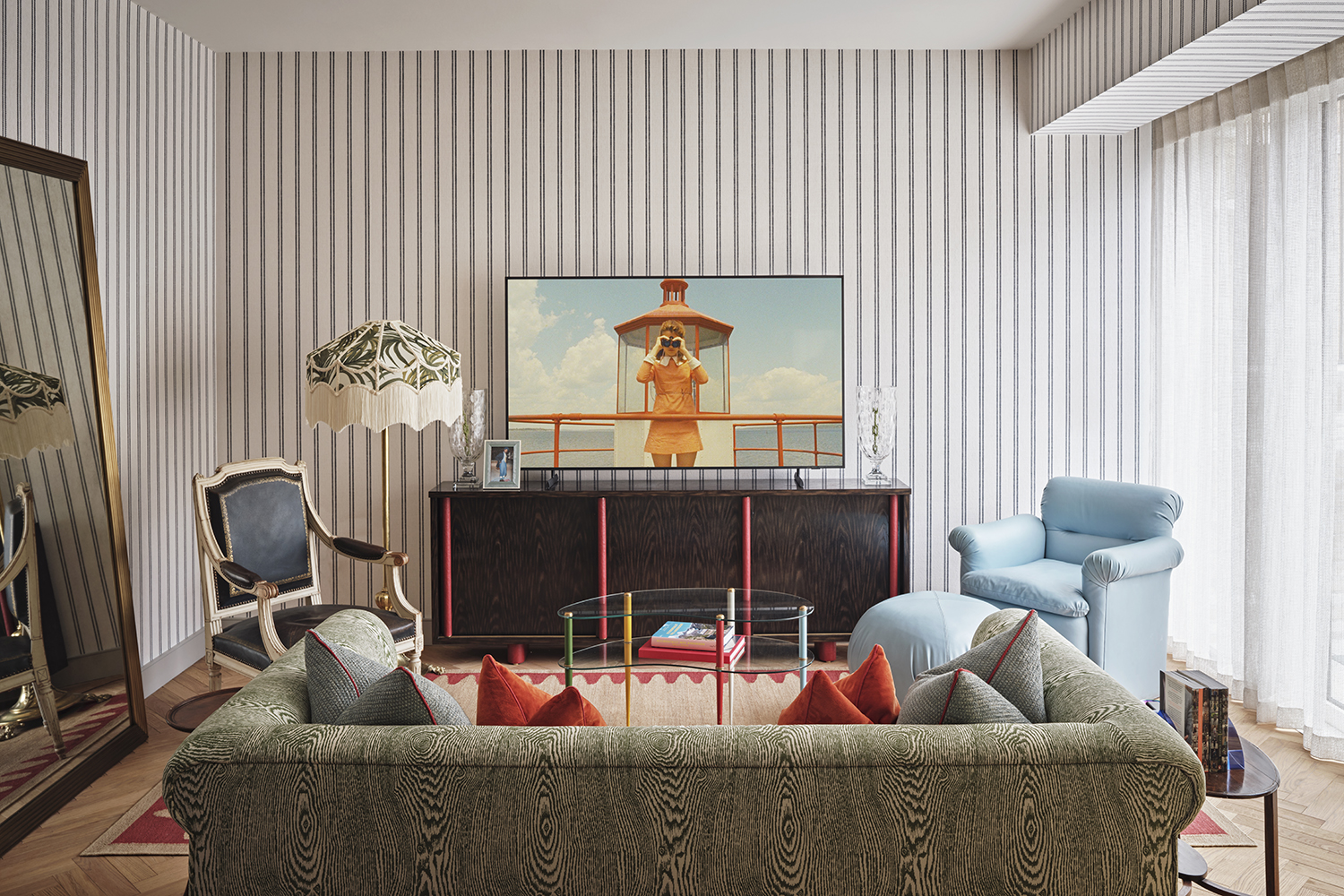
Image Source: cdn.mos.cms.futurecdn.net
The Challenge of Visible Outlets
Living rooms are the heart of many homes, where we relax, entertain, and spend quality time. However, the necessity of electrical outlets can often disrupt the aesthetic flow of a well-designed space. Those plastic covers, often an off-white or beige, can feel like a visual intrusion, especially when they’re prominently placed near beautiful furniture or artwork. The good news is that with a little creativity and the right approach, you can easily tuck away these functional necessities and elevate your living room’s overall appearance. This guide will delve into practical and stylish ways to achieve this, focusing on how to hide power points without compromising functionality or safety.
Strategic Furniture Placement: Your First Line of Defense
One of the simplest and most effective ways to hide outlets is through smart furniture placement. Before you even consider decorative outlet covers or complex DIY projects, think about how your existing or planned furniture can act as a natural screen.
Maximizing Existing Furniture
- Sofa Placement: Position your sofa so that it partially or fully covers wall outlets located behind it. Ensure there’s enough clearance for ventilation if electronic devices will be plugged in behind the sofa.
- Bookcases and Shelving Units: Tall bookcases or large shelving units can be placed strategically against walls with multiple outlets. This not only hides the outlets but also adds functional storage and decorative elements to your room.
- Console Tables: A console table placed behind a sofa or against a wall can effectively conceal outlets. Choose a table with a solid back or one that is deep enough to hide the outlet from view.
- Sideboards and Credenzas: These pieces of furniture are perfect for anchoring a wall and can easily hide outlets situated at floor level or mid-wall.
The Power of Plants and Decor
Even without large furniture pieces, you can use decorative elements to create visual barriers.
- Tall Potted Plants: A substantial potted plant, especially a floor-standing variety with a broad base, can do wonders to camouflage an outlet. Place it directly in front of the outlet for an instant green screen.
- Floor Lamps: The base of a floor lamp can often cover a lower wall outlet. Consider lamps with a wider base or those designed to sit close to the wall.
- Decorative Screens and Room Dividers: Freestanding decorative screens offer a flexible solution. They can be moved as needed and come in various styles to complement your decor.
- Baskets and Vases: Larger, decorative baskets or tall vases can be placed in front of outlets, especially those at floor level, adding a touch of personality while hiding the utilitarian plastic.
Table 1: Furniture Placement Strategies for Outlet Concealment
| Furniture Type | How it Hides Outlets | Best For |
|---|---|---|
| Sofa | Covers wall outlets behind it. | General living room seating areas. |
| Bookcase/Shelving | Blocks view of multiple outlets. | Walls with several outlets, adds storage. |
| Console Table | Hides outlets at the back or base of the unit. | Behind sofas or against accent walls. |
| Sideboard/Credenza | Conceals outlets near floor level. | Dining room adjacent living areas, TV stands. |
| Tall Potted Plant | Acts as a natural, living screen. | Outlets near windows or in corners. |
| Floor Lamp | Base can cover low-lying outlets. | Outlets near seating areas or reading nooks. |
| Decorative Screen | Provides a movable, aesthetic barrier. | Flexible placement for any visible outlet. |
| Large Basket/Vase | Discreetly covers floor-level outlets. | Outlets near entryways or behind furniture. |
Discreet Outlet Solutions and Outlet Camouflage
Beyond furniture, there are specific products and techniques designed to make outlets less conspicuous. These solutions focus on blending the outlet into its surroundings or making it part of the decor.
Outlet Covers: More Than Just Plastic
Traditional outlet covers are functional but rarely stylish. Fortunately, a vast array of decorative outlet covers exist that can transform a mundane necessity into a design feature.
- Designer Outlet Covers: Available in a wide range of materials like metal (brushed nickel, bronze, copper), wood, glass, and even fabric, these covers offer a significant aesthetic upgrade. Look for designs that match your trim, wall color, or overall decor theme.
- Themed Outlet Covers: For a more playful approach, you can find covers with patterns, images, or even artistic designs that can add a unique touch.
- Custom Painted Outlet Covers: Purchase plain, paintable outlet covers and match them precisely to your wall color. This is one of the most effective ways to make them disappear. Use a fine brush for a clean finish.
- Outlet Cover Plates with Shelves or Hooks: Some clever designs include small shelves to hold decorative items or hooks for keys and cables, adding utility while slightly obscuring the outlet itself.
Outlet Camouflage Techniques
These methods involve modifying the outlet or its immediate surroundings to make it less noticeable.
- Paintable Outlet Covers: As mentioned above, this is a simple yet highly effective technique. Ensure you use the correct type of paint for plastic surfaces and apply it carefully.
- Wallpaper or Wall Decals: You can carefully cut a hole in a piece of wallpaper or a wall decal to fit around an outlet. Alternatively, some clever designs incorporate outlet shapes into the decal itself. Ensure the wallpaper or decal material is heat-resistant if the outlet is likely to be used for high-power devices.
- Mirror or Artwork Placement: Position a small mirror or a piece of art so that it partially covers the outlet. This draws the eye away from the outlet and adds a decorative element. Be cautious with this, ensuring the item is securely mounted and not too close to the outlet to avoid any heat or fire hazards.
- Smart Plugs and Cord Management: While not directly hiding the outlet, using smart plugs can reduce the number of visible power adapters cluttering your space. Combine this with retractable cord reels or cord organizers to keep cables tidy and out of sight.
DIY Outlet Hiding Projects
For the more hands-on individual, several DIY outlet hiding projects can yield impressive results.
Creating Concealed Outlets
- The “Fake” Wall Vent: This is a popular DIY solution. You can purchase a decorative vent cover and mount it over an outlet. Ensure the vent cover is large enough to provide access and that the material is non-flammable. This works best for outlets that are not frequently used.
- Built-in Shelving with Outlet Access: If you’re comfortable with basic carpentry, you can build shallow shelving units or a small cabinet around an existing outlet. Design the unit so that the outlet is accessible but hidden within the structure.
- Decorative Boxes or Containers: Find a decorative box or container with a lid that is slightly larger than the outlet plate. Cut a discreet opening in the back or side for cords to exit. Ensure there is adequate ventilation within the box. Wooden boxes or metal tins can work well.
Modifying Existing Structures
- Recessed Outlets: For a truly integrated look, consider hiring an electrician to install recessed outlets. These are outlets that are set back into the wall, making them much less prominent. This is a more involved and costly solution but offers a sleek, modern appearance.
- Integrated Outlets with Furniture: Some modern furniture pieces come with built-in outlets and USB ports. This is an excellent way to conceal outlets by making them part of the furniture itself.
Table 2: DIY Outlet Hiding Project Ideas
| Project Idea | Materials Needed | Skill Level | Best For |
|---|---|---|---|
| Paintable Outlet Cover | Paintable outlet cover, matching wall paint, fine brush | Beginner | Making outlets blend with wall color. |
| Wallpaper/Wall Decal Camo | Wallpaper/decal, craft knife, adhesive (if needed) | Beginner | Hiding outlets in patterned or decorated walls. |
| Outlet with Decorative Vent | Decorative vent cover, screws, screwdriver, outlet cover plate | Intermediate | Creating a faux ventilation look to disguise outlets. |
| Decorative Box/Container | Decorative box, drill or craft knife, ventilation material (optional) | Intermediate | Hiding outlets in a more substantial way, adding decor. |
| Shallow Built-in Shelf | Wood, screws, saw, drill, paint/stain, outlet cover plate | Advanced | Creating a functional and concealed outlet solution. |
Advanced Solutions for Integrated Outlets
For those seeking the most seamless integration, there are advanced solutions that can make outlets virtually disappear.
Pop-Up Outlets and Tabletop Receptacles
These are excellent for areas where outlets are needed but visual clutter is a concern, such as near a sofa or a desk.
- Pop-Up Outlets: These are installed into countertops, tabletops, or even the floor. When not in use, they sit flush with the surface. With a push or pull, they rise to reveal the outlets and USB ports. They are ideal for creating discreet charging stations.
- Tabletop Receptacles: Similar to pop-up outlets, these are mounted into surfaces and offer a clean look when closed. They are often found in office environments but can be stylishly integrated into living room side tables or entertainment centers.
In-Wall Outlet Solutions
- Recessed Outlets: As mentioned earlier, recessing outlets into the wall creates a flush finish. This requires professional installation but results in a very clean and modern look, making the outlet almost invisible when not in use.
- Flush-Mount Outlet Covers: Beyond standard plates, some specialty covers are designed to sit perfectly flush with the wall surface, reducing the protrusion of the outlet.
Room Outlet Management: Beyond Just Hiding
Effective room outlet management involves more than just hiding the physical outlets. It’s about managing the cables, adapters, and devices that are plugged into them.
Cable Management is Key
Visible cables can be just as disruptive as exposed outlets.
- Cord Concealers and Covers: These are plastic or metal channels that stick to the wall or baseboard, allowing you to thread cables through them. They can be painted to match your walls, making them practically invisible.
- Cable Sleeves and Ties: For cables running behind furniture, cable sleeves or Velcro ties can bundle them together neatly, preventing a tangled mess.
- Surge Protectors with Flat Plugs: Opt for surge protectors with flat, angled plugs that allow furniture to sit closer to the wall, reducing the gap where cables might be visible.
- Wireless Charging Pads: For compatible devices, wireless charging pads eliminate the need for visible charging cables and adapters.
Smart Home Integration
Leveraging smart home technology can further reduce the need for visible infrastructure.
- Smart Plugs: As mentioned, these allow you to control lamps and other devices remotely and reduce the number of bulky adapters.
- Wireless Lighting: Consider battery-operated or smart wireless lighting solutions that don’t require direct plug-in access.
Considerations for Safety and Accessibility
While the goal is to hide outlets stylishly, safety and accessibility should always be paramount.
Ventilation is Crucial
When concealing outlets behind furniture or in enclosed spaces, ensure there is adequate ventilation. Overheating can be a fire hazard, especially for devices that draw a lot of power. Leave a small gap behind furniture or ensure any decorative covers have sufficient airflow.
Accessibility for Use
Outlets that are used frequently should remain reasonably accessible. Avoid permanently sealing off an outlet or making it so difficult to reach that it becomes impractical to use. Pop-up outlets or those hidden behind easily movable furniture are good solutions for frequently used outlets.
Electrical Codes and Professional Help
For any modifications that involve electrical wiring or recessing outlets, always consult with a qualified electrician. They can ensure that all work complies with local electrical codes and is performed safely. DIY electrical work can be dangerous if not done correctly.
Frequently Asked Questions About Hiding Living Room Outlets
Q1: What is the easiest way to hide an outlet in my living room?
The easiest way is often strategic furniture placement. Positioning a sofa, bookcase, or console table in front of an outlet can effectively hide it without any modification.
Q2: Can I paint over an outlet cover?
Yes, you can paint outlet covers. Use paintable outlet cover plates and a good quality paint that adheres to plastic. Matching the paint to your wall color is a highly effective way to make them blend in.
Q3: Are there special outlet covers that look better than standard ones?
Absolutely. Decorative outlet covers come in various materials like metal, wood, or glass, and in numerous styles and finishes to match your decor.
Q4: How can I hide cords along with outlets?
Use cord concealers, cable sleeves, or raceways that stick to your walls or baseboards. Bundling cables with ties also helps tidy them up.
Q5: Is it safe to put a plant in front of an outlet?
Yes, as long as the plant is not overly watered and does not pose a fire risk. Ensure there is still some airflow around the outlet.
Q6: What if I have too many outlets and nowhere to hide them?
Consider consolidating devices with power strips that have surge protection and numerous outlets, then hide the power strip behind furniture or in a decorative box. Smart plugs also help reduce the number of visible adapters.
Q7: How can I hide outlets in a high-traffic area?
For high-traffic areas, furniture placement or decorative screens are often the best options. If more permanent solutions are needed, consult an electrician about installing pop-up or recessed outlets.
Q8: What are integrated outlets?
Integrated outlets are electrical receptacles built directly into furniture, countertops, or walls, providing a much cleaner and more seamless look than traditional surface-mounted outlets.
By employing a combination of these strategies, you can transform your living room from a space cluttered with visible electrical necessities into a stylish and cohesive sanctuary. Remember to prioritize safety and consult professionals when necessary, and enjoy your beautifully tidied living space!