
Can you hide a trash can in the kitchen? Absolutely! Hiding your kitchen trash can is a fantastic way to keep your cooking space looking clean, tidy, and stylish. It’s one of the most common kitchen design dilemmas, and thankfully, there are many smart and attractive ways to achieve seamless kitchen bin concealment.
A cluttered kitchen can feel stressful, and an unsightly trash can is often a major culprit. Many homeowners grapple with finding effective kitchen trash can solutions that are both functional and aesthetically pleasing. This guide dives deep into the best strategies and ideas for concealing your kitchen waste, transforming your kitchen into a more serene and organized environment. From simple tricks to more involved renovations, we’ll explore various kitchen garbage solutions to suit every budget and style. Let’s discover how to elegantly hide garbage cans in the kitchen.
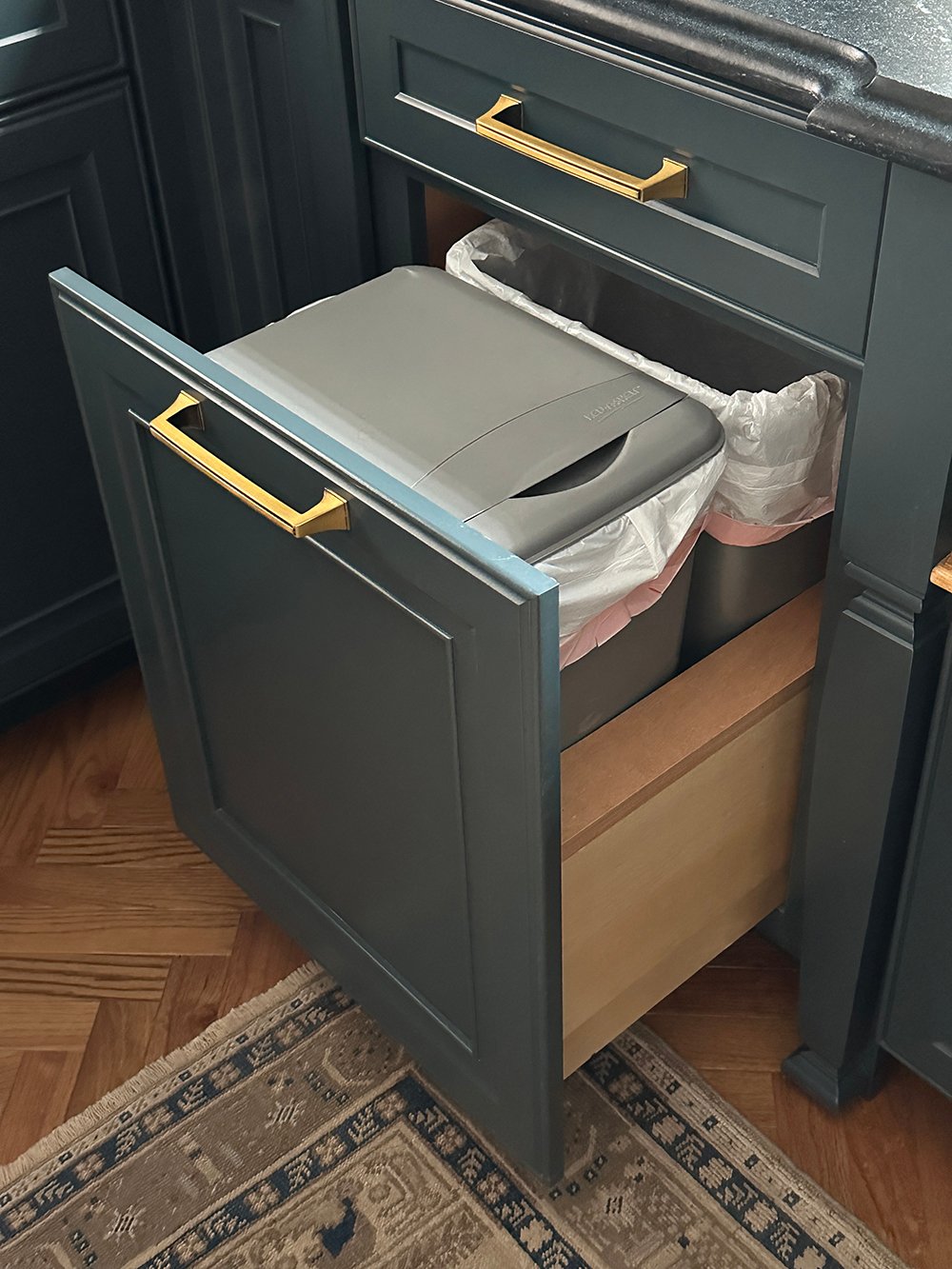
Image Source: roomfortuesday.com
The Importance of Kitchen Bin Concealment
Why is it so important to hide trash cans in the kitchen? Beyond aesthetics, good kitchen bin concealment contributes to a more hygienic and pleasant living space. Visible trash cans can accumulate odors, attract pests, and simply detract from the overall appeal of your kitchen, the heart of most homes. Effective kitchen waste disposal concealment means dealing with your refuse without making it a focal point.
Enhancing Kitchen Aesthetics
A well-hidden trash can contributes significantly to a polished and put-together kitchen. It allows your carefully chosen countertops, cabinetry, and décor to shine without the distraction of a utilitarian bin. It’s about creating a cohesive look where every element serves a purpose and also looks good.
Maintaining Hygiene
Concealing your trash can also helps in maintaining a cleaner kitchen environment. By keeping it out of sight, you reduce the chances of accidental spills or overflowing messes becoming visible. Many containment solutions also offer better sealing, which can help control odors and prevent pests from being attracted to the area.
Maximizing Space and Functionality
Smart kitchen trash can solutions can often be integrated into existing cabinetry or cleverly placed in otherwise unused nooks, thereby maximizing your kitchen’s usable space. This is particularly beneficial in smaller kitchens where every square inch counts.
Clever Ways to Hide Garbage Cans in the Kitchen
There are numerous approaches to achieve discreet kitchen trash storage. Let’s explore some of the most popular and effective methods.
1. Built-In Kitchen Trash Systems
One of the most sophisticated and seamless ways to hide your kitchen trash is through built-in kitchen trash solutions. These are often integrated directly into your cabinetry, offering a clean, hidden aesthetic.
Pull-Out Trash Can Drawers
- Description: These are cabinets that house a specially designed pull-out drawer, which holds one or more trash bins. You simply pull the drawer open to access the bin, and push it back in to conceal it.
- Benefits:
- Completely hidden when not in use.
- Easy access with a simple pull.
- Keeps odors contained within the cabinet.
- Can accommodate various sizes of bins, including recycling.
- Many systems have soft-close mechanisms.
- Considerations:
- Requires cabinet space and installation.
- Can be more expensive than standalone bins.
- May limit the size of the trash can you can use.
- Installation Tip: Ensure the drawer glides are heavy-duty enough to support the weight of a full trash can. Measure your existing bins or plan for specific bin sizes when designing the cabinet opening.
Cabinet Door Mounted Bins
- Description: Smaller, often single bins, that attach to the inside of a cabinet door. They are ideal for compost or general waste in smaller quantities.
- Benefits:
- Utilizes unused space inside cabinets.
- Very affordable and easy to install.
- Convenient for quick disposal of scraps.
- Considerations:
- Not suitable for large volumes of trash.
- Door needs to be open to use.
- May require drilling into the cabinet door.
2. Freestanding Solutions with Stylish Cover
If built-in options aren’t feasible, freestanding units designed for concealment are excellent kitchen waste bin ideas.
Decorative Trash Bins
- Description: Many manufacturers now produce trash cans that are designed to be seen, or at least less offensive to the eye. These come in various finishes like brushed stainless steel, matte black, or even wood grain, blending better with kitchen décor.
- Benefits:
- No installation required.
- Can be moved easily.
- Available in many styles to match your kitchen.
- Considerations:
- Still visible, so placement is key.
- May require ongoing effort to keep looking neat.
Rolling Carts and Cabinets
- Description: These are standalone units that often include a trash bin compartment, along with other storage like shelves or drawers. They can be wheeled away or tucked into a corner.
- Benefits:
- Multi-functional storage.
- Mobile, offering flexibility in placement.
- Provides a more integrated look than a single bin.
- Considerations:
- Can take up floor space.
- Design needs to complement your kitchen.
Basket or Furniture Enclosures
- Description: You can place a standard trash can inside a decorative basket, a wicker hamper, or a custom-built furniture piece that has a dedicated bin compartment.
- Benefits:
- Highly customizable to your style.
- Can effectively hide the bin’s appearance.
- Adds a decorative element to the kitchen.
- Considerations:
- Ensure adequate ventilation.
- The enclosure needs to be easy to access for emptying the bin.
- Consider the size of the bin when choosing an enclosure.
3. Creative Placement and Camouflage
Sometimes, the best way to hide a trash can is to get creative with its location and appearance.
Under the Sink Storage
- Description: The space under the kitchen sink is a prime location for concealing kitchen bins. Most standard trash cans fit well here, hidden behind cabinet doors.
- Benefits:
- Utilizes an often underused space.
- Keeps the bin out of sight.
- Convenient for prep work near the sink.
- Considerations:
- May require removing plumbing or pipes to fit larger bins.
- Limited by the dimensions of the under-sink cabinet.
- Ensure good ventilation to prevent odors from building up.
Corner Nooks and Out-of-the-Way Spots
- Description: Identify less trafficked corners or areas of your kitchen that are not primary visual focal points. A slim-profile trash can can often fit neatly into these spaces.
- Benefits:
- Simple solution that requires no modification.
- Keeps the bin away from main work areas.
- Considerations:
- Ensure easy access for emptying.
- Might still be visible from certain angles.
Utilizing Kick Plates and Toe Kicks
- Description: For the ultimate in discreet kitchen trash, consider a pull-out bin integrated into the toe kick of your cabinetry. This is a more advanced renovation, but it offers unparalleled concealment.
- Benefits:
- Completely invisible.
- Maximizes cabinet efficiency.
- Considerations:
- Requires professional custom cabinet work.
- Limited bin size.
- Can be expensive to implement.
Decorative Screens and Panels
- Description: A freestanding decorative screen or a custom-designed panel can be placed strategically to hide a trash can. These can be made from wood, metal, or even fabric.
- Benefits:
- Adds an artistic or decorative element.
- Can be easily moved or adjusted.
- Considerations:
- Ensure the screen is stable and won’t tip.
- Needs to be wide enough to cover the bin.
Factors to Consider When Choosing a Kitchen Trash Can Solution
When selecting the best way to hide your kitchen trash, several factors should guide your decision.
Size and Capacity
- Household Size: How much trash does your household generate? A single person might get by with a smaller bin, while a large family will need a larger capacity.
- Bin Dimensions: Ensure the solution you choose can accommodate a bin of the appropriate size and shape. Measure both your available space and potential bin dimensions carefully.
Accessibility and Ease of Use
- Daily Use: How easy is it to open the cabinet, pull out the drawer, or access the bin for daily disposal? A cumbersome system will quickly become frustrating.
- Emptying: Consider how you will empty the bin. Does the solution allow for easy removal and reinsertion of the bin liners?
Odor Control
- Sealed Bins: Look for bins with tight-fitting lids or consider adding odor-absorbing filters if your chosen concealment method allows.
- Ventilation: If hiding a bin within cabinetry, ensure there’s some form of ventilation to prevent stale odors from accumulating.
Material and Durability
- Cabinetry: If opting for built-in solutions, ensure the cabinetry and drawer slides are made from durable materials that can withstand regular use and the weight of trash.
- Bin Material: Stainless steel bins are often preferred for their durability and ease of cleaning.
Budget
- DIY vs. Professional: Built-in solutions and custom furniture can be more expensive than simply placing a trash can in an out-of-the-way spot or using a decorative basket.
- Long-Term Value: Consider the longevity and functionality of the solution. A well-designed built-in system might be a higher upfront investment but offers long-term satisfaction.
Popular Kitchen Waste Disposal Concealment Ideas by Style
Different kitchen styles lend themselves to specific kitchen garbage solutions.
Modern Kitchens
- Built-in pull-out drawers: These offer sleek lines and a minimalist aesthetic.
- Integrated toe-kick bins: For ultimate seamlessness.
- Stainless steel bins with clean designs: Placed discreetly in a corner.
Traditional Kitchens
- Wooden furniture enclosures: Baskets or cabinets that match cabinetry or furniture.
- Decorative bins in classic finishes: Such as brushed nickel or antique brass.
- Under-sink storage: Behind classic raised-panel cabinet doors.
Farmhouse/Country Kitchens
- Wicker baskets or rustic hampers: With a liner for easy cleaning.
- Wooden crates: Painted or stained to match the decor.
- Freestanding cabinets with a country charm: Perhaps with decorative hardware.
Minimalist Kitchens
- Integrated solutions: Built into islands or peninsulas.
- Slim-profile bins: In matte finishes, tucked neatly beside cabinets.
- Concealment behind a single, well-placed panel: That blends with the wall.
Implementing Your Kitchen Trash Can Solutions: A Step-by-Step Approach
Let’s break down how to implement some of the most popular kitchen bin storage ideas.
Option 1: The Pull-Out Drawer Installation (DIY Friendly)
This is a popular and effective kitchen trash can solution.
Materials Needed:
- New cabinet drawer slides (heavy-duty)
- Plywood or MDF for the drawer box
- Cabinet-grade wood for the drawer front (to match existing cabinets)
- Screws and wood glue
- Trash bin(s)
- Cabinet mounting hardware
Steps:
- Measure and Plan:
- Determine the size of trash bin you want to use.
- Measure the internal dimensions of your chosen cabinet.
- Calculate the drawer box dimensions, allowing for clearance around the bin and the drawer slides.
- Consider the width of the drawer slides and how they will mount.
- Build the Drawer Box:
- Cut your plywood or MDF to size for the drawer sides, front, back, and bottom.
- Assemble the box using wood glue and screws. Ensure it’s square.
- Attach Drawer Slides:
- Separate the cabinet member from the drawer member of the slides.
- Mount the cabinet members inside the existing cabinet, ensuring they are level and parallel. Use a level and measuring tape.
- Mount the drawer members to the sides of your newly built drawer box.
- Fit the Drawer:
- Carefully slide the drawer box into the cabinet members. Test the glide action.
- Attach the Drawer Front:
- Measure and cut your decorative drawer front to match your existing cabinet doors.
- Attach the drawer front to the drawer box. You might need to do this with the drawer partially extended to ensure proper alignment.
- Install hardware (like a pull or handle) if desired.
- Place the Bin:
- Place your trash bin inside the drawer.
- You might want to add a small lip or divider to keep the bin from sliding around.
Option 2: The Decorative Basket or Furniture Enclosure
This is a simpler approach, focusing on aesthetics.
Materials Needed:
- A stylish basket, hamper, or small furniture piece with an opening.
- A trash bin that fits inside.
- Optional: Liner for the basket, odor absorbers.
Steps:
- Select Your Enclosure:
- Choose a basket or furniture piece that complements your kitchen style and is large enough to hide the trash bin completely. Wicker, rattan, metal, or wood are good options.
- Consider ventilation – ensure air can circulate.
- Choose the Right Bin:
- Select a trash bin that fits snugly inside your chosen enclosure but still allows for easy removal.
- Prepare the Enclosure:
- If using a woven basket, you might want to add a fabric liner for hygiene and to prevent small items from falling through.
- Position and Use:
- Place the enclosure in a suitable location – a corner, next to an island, or under a counter overhang.
- Place the trash bin inside.
- Empty the bin regularly and keep the enclosure clean.
Option 3: Under-Sink Cabinet Conversion
This is about maximizing existing space.
Materials Needed:
- Cabinet-specific pull-out trash can mounts or small bins.
- Measuring tape.
- Drill and screws.
Steps:
- Assess Under-Sink Space:
- Open the cabinet doors and carefully assess the space. Note the location of pipes, garbage disposal, and cleaning supplies.
- Measure the available width, depth, and height.
- Choose Your System:
- Option A (Mounts): Purchase a pull-out system designed to mount to the cabinet floor or side. These often come with a bracket that attaches to the cabinet wall and a track for the bin.
- Option B (Small Bins): If space is limited, simply place one or two small, lidded bins under the sink.
- Install Mounts (If Applicable):
- Follow the manufacturer’s instructions for mounting. Ensure screws go into solid cabinet wood and avoid drilling into pipes.
- Test the pull-out mechanism.
- Place Bins:
- Position your trash bins. If using small bins, arrange them for easy access.
- Maintain Organization:
- Keep cleaning supplies neatly organized around the bins to maintain a tidy under-sink area.
Tips for Maintaining a Clean and Odor-Free Hidden Trash Can
Even the best kitchen waste disposal concealment requires regular maintenance.
- Regular Emptying: Don’t wait for the bin to overflow. Empty it daily or as needed to minimize odors and prevent messes.
- Clean the Bin: Wash out the trash bin itself regularly with soap and water.
- Use Quality Bin Liners: Opt for sturdy liners that won’t tear easily.
- Odor Absorbers: Place baking soda, activated charcoal, or commercial odor absorbers at the bottom of the bin or inside the cabinet.
- Wipe Down Surfaces: Regularly clean the inside of the cabinet or drawer where the bin is stored.
- Ventilation: If your bin is in a cabinet, crack the door open for a few minutes each day to allow fresh air to circulate.
Frequently Asked Questions (FAQ)
Q1: What is the best way to hide a trash can in a small kitchen?
In small kitchens, maximizing space is key. Consider under-sink pull-out bins, cabinet door-mounted bins for compost, or slim-profile bins placed in tight corners. A rolling trash cart that can be tucked away is also a great option.
Q2: Can I put a trash can in my kitchen island?
Yes, many kitchen islands are designed with built-in trash or recycling compartments, often as a pull-out drawer. This is a very effective way to achieve discreet kitchen trash storage.
Q3: How do I prevent odors when hiding my kitchen trash can?
Use sturdy bin liners, empty the bin frequently, and consider using baking soda or activated charcoal at the bottom of the bin. If the bin is in a cabinet, ensure there’s some ventilation and clean the cabinet interior regularly.
Q4: Are pull-out trash drawers worth the cost?
For many people, the convenience, aesthetics, and improved kitchen organization offered by pull-out trash drawers make them a worthwhile investment. They provide a clean, hidden solution that’s easy to use.
Q5: How do I choose the right size trash can for my kitchen?
Consider your household size and typical waste output. For a built-in solution, measure the available space precisely and select a bin that fits comfortably with room for the liner and access. For freestanding bins, aim for a capacity that suits your needs without being too bulky for the space.
Q6: What if I don’t have space for a pull-out drawer?
If cabinet space is limited, explore options like decorative baskets to hide freestanding bins, slim-profile bins tucked into corners, or even wall-mounted bins that can be discreetly placed.
By implementing these smart and stylish solutions, you can effectively hide your kitchen trash can, transforming your kitchen into a more beautiful, organized, and pleasant space to be in.