
So, what’s the best way to hire kitchen staff? The best way is to create a clear job description, look for the right skills and attitude, conduct thorough interviews, and check references carefully. This guide will walk you through each step of restaurant hiring to ensure you build a strong kitchen team for your food service jobs.
Building a great kitchen team is crucial for any successful restaurant. From the precision of a line cook to the organizational skills of a prep cook, each role plays a vital part. Restaurant employment requires careful attention to detail, especially when it comes to hiring kitchen talent. This comprehensive guide will help you navigate the process of kitchen crew hiring, ensuring you attract and retain the best candidates for your establishment. Whether you’re looking for a new chef recruitment specialist, dependable waitstaff hiring, or an efficient kitchen manager hiring, this guide has you covered.
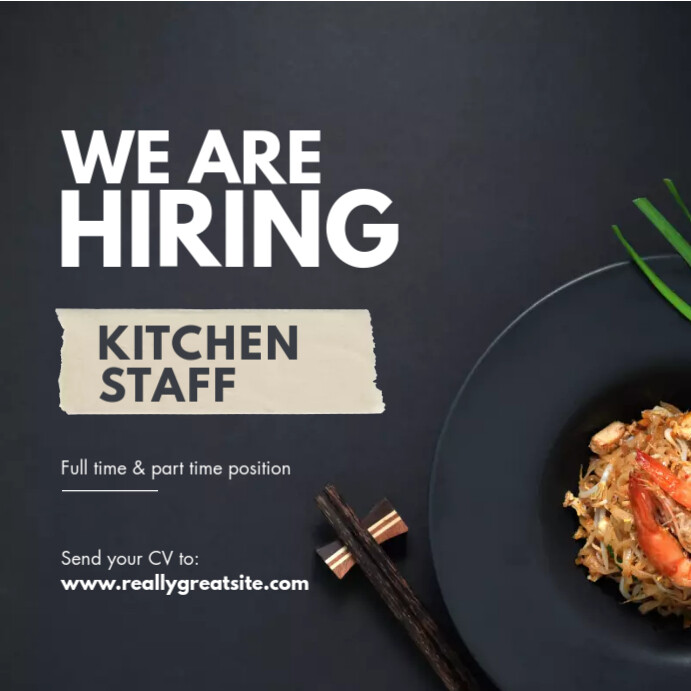
Image Source: d1csarkz8obe9u.cloudfront.net
Defining Your Needs: What Roles Require Filling?
Before you even think about placing an ad, you need to know exactly what you’re looking for. Different kitchen roles demand different skills and experience levels. Let’s break down some common positions and their key responsibilities.
Common Kitchen Roles and Their Functions
- Head Chef/Executive Chef: The top culinary authority. They design menus, manage the kitchen, train staff, control food costs, and maintain quality standards.
- Sous Chef: The second-in-command. They assist the Head Chef, oversee daily operations, manage staff during service, and can step in when the Head Chef is absent.
- Line Cook (Chef de Partie): Works a specific station (e.g., grill, sauté, pantry). They are responsible for preparing and plating dishes according to recipes and standards.
- Prep Cook: Handles the preparation of ingredients before service. This includes chopping vegetables, portioning meats, and making sauces. They ensure the kitchen is ready for busy periods.
- Pastry Chef: Specializes in desserts, breads, and other baked goods. Requires precision and an artistic touch.
- Dishwasher/Utility Staff: Essential for maintaining cleanliness and organization. They wash dishes, clean equipment, and help with basic prep tasks.
Identifying Essential Skills and Qualities
Beyond the specific duties, certain skills and qualities are universally important for kitchen staff.
- Culinary Skills: A fundamental grasp of cooking techniques, recipe execution, and food safety.
- Speed and Efficiency: The ability to work quickly and effectively, especially during busy service hours.
- Attention to Detail: Crucial for consistent dish quality, presentation, and portion control.
- Teamwork: Kitchens are high-pressure environments where collaboration is key.
- Cleanliness and Hygiene: Adherence to strict food safety and sanitation standards.
- Problem-Solving: The capacity to handle unexpected issues, like equipment malfunctions or ingredient shortages, calmly and effectively.
- Physical Stamina: Kitchen work is physically demanding, requiring long hours on your feet and the ability to lift and carry.
- Positive Attitude: A willingness to learn, take direction, and contribute to a positive work environment.
Crafting Effective Job Descriptions
A well-written job description is your first step in attracting the right candidates. It sets clear expectations and helps applicants self-select.
Key Components of a Strong Job Description
- Clear Job Title: Use industry-standard titles that accurately reflect the role.
- Concise Summary: Briefly describe the position and its main purpose within the kitchen.
- Detailed Responsibilities: List the day-to-day tasks and duties. Be specific about what the role entails.
- Required Qualifications: Outline the essential skills, experience, and any certifications needed (e.g., food handler’s permit).
- Preferred Qualifications: List any additional skills or experience that would be beneficial but not mandatory.
- Physical Requirements: Specify any physical demands (e.g., standing for long periods, lifting weight).
- Work Environment: Briefly describe the kitchen setting, including pace and hours.
- Compensation and Benefits: While not always detailed, mentioning competitive pay or benefits can attract more applicants.
- Equal Opportunity Employer Statement: A standard inclusion to promote diversity.
Using Keywords for Online Job Boards
To ensure your job postings are found by relevant candidates, incorporate food service jobs keywords. Think about what terms potential applicants would use when searching.
- Include terms like: “Line Cook,” “Prep Cook,” “Sous Chef,” “Kitchen Staff,” “Culinary,” “Restaurant Jobs,” Restaurant hiring, Chef recruitment, Waitstaff hiring, Kitchen manager hiring, Hiring for food service, Culinary staff recruitment, Restaurant employment, Hiring kitchen talent, Food service jobs, Kitchen crew hiring.
- Be specific: Instead of just “Cook,” use “Line Cook – Sauté Station.”
Sourcing Candidates: Where to Find Your Talent
Finding the right people requires casting a wide net and exploring various avenues.
Online Job Boards and Platforms
Several popular platforms cater to the hospitality industry.
- Industry-Specific Boards: CulinaryAgents, Poached, Hcareers.
- General Job Boards: Indeed, LinkedIn, ZipRecruiter, Monster.
- Social Media: LinkedIn, Facebook groups for chefs and restaurant professionals.
Leveraging Your Network
Your current staff can be an invaluable resource for referrals.
- Employee Referral Programs: Offer incentives for employees who refer successful hires.
- Networking Events: Attend local food events and industry gatherings.
Local Partnerships
Connect with culinary schools and community organizations.
- Culinary Schools: Recruit promising graduates and interns.
- Community Centers: Reach out for entry-level positions like dishwashers.
In-House Promotions
Don’t overlook talent already within your organization. Promoting from within can boost morale and loyalty.
The Interview Process: Assessing Fit and Skill
Interviews are your chance to get to know candidates beyond their resumes. A structured approach ensures consistency and fairness.
Structuring the Interview
Consider different interview formats.
- Phone Screening: A brief initial call to assess basic qualifications, availability, and salary expectations.
- In-Person Interview: A more in-depth discussion to evaluate skills, personality, and cultural fit.
- Working Interview/Trial Shift: Allows candidates to demonstrate their skills in a real kitchen environment. This is highly recommended for kitchen roles.
Key Interview Questions to Ask
Tailor your questions to the specific role.
For Line Cook Positions:
- “Describe your experience with [specific station, e.g., sauté, grill].”
- “How do you ensure consistency in your dishes during a busy service?”
- “What’s your process for prepping ingredients for a shift?”
- “How do you handle feedback or constructive criticism from a chef?”
- “Tell me about a time you had to deal with a challenging customer order or dietary restriction.”
- “What are your thoughts on food safety and sanitation practices?”
For Prep Cook Positions:
- “How do you organize your mise en place for a busy service?”
- “What’s your experience with knife skills and various cutting techniques?”
- “How do you ensure consistent portion sizes?”
- “Describe your approach to keeping your workspace clean and organized.”
For Kitchen Manager/Sous Chef Positions:
- “How do you manage and motivate a kitchen team?”
- “Describe your experience with inventory management and food cost control.”
- “How do you handle staff scheduling and conflict resolution?”
- “What’s your philosophy on creating a positive and productive kitchen culture?”
- “How do you ensure all health and safety regulations are met?”
Evaluating Candidates During a Working Interview
A working interview is invaluable for kitchen crew hiring.
- Observe Technical Skills: Can they execute basic tasks like chopping, sautéing, and plating efficiently and correctly?
- Assess Speed and Organization: How do they manage their time and workspace under pressure?
- Gauge Attitude: Are they receptive to feedback? Do they work well with existing staff? Are they clean and organized?
- Check Food Safety Practices: Do they follow proper hygiene and sanitation protocols?
Reference Checks: Verifying Past Performance
Don’t skip this crucial step. References can provide insights that interviews miss.
Who to Contact for References
- Direct Supervisors: Former Head Chefs, Sous Chefs, or Kitchen Managers.
- Colleagues: If possible, a former teammate can offer a different perspective.
Questions to Ask References
- “Can you confirm the candidate’s dates of employment and their role?”
- “What were their strengths and weaknesses in the kitchen?”
- “How did they perform under pressure during busy services?”
- “Would you rehire this individual? Why or why not?”
- “How was their punctuality and reliability?”
- “Did they adhere to food safety and sanitation standards?”
Onboarding and Training: Setting Them Up for Success
The hiring process doesn’t end when you make an offer. Effective onboarding and ongoing training are key to retention.
Creating a Welcoming Onboarding Process
- First Day Essentials: Ensure all necessary paperwork is completed, uniforms are ready, and a workstation is set up.
- Introductions: Introduce new hires to the entire team, including front-of-house staff.
- Kitchen Tour: Familiarize them with the layout, equipment, and storage areas.
Essential Training Components
- Menu Knowledge: Ensure they know all dishes, ingredients, preparation methods, and potential allergens.
- Station Specifics: Train them thoroughly on their assigned station and any cross-training opportunities.
- Restaurant Standards: Emphasize presentation, portion control, and plating standards.
- Food Safety and Sanitation: Reiterate and reinforce all relevant protocols.
- Team Communication: Teach them effective communication methods within the kitchen team.
Retaining Your Kitchen Talent
Hiring is only half the battle; keeping your good staff is essential for consistency and cost savings.
Fostering a Positive Kitchen Culture
A positive work environment leads to higher retention rates.
- Respect and Recognition: Value your staff’s contributions and show appreciation.
- Clear Communication: Maintain open lines of communication about expectations and feedback.
- Fair Scheduling: Try to provide consistent and predictable schedules.
- Opportunities for Growth: Offer chances for training, advancement, and learning new skills.
Competitive Compensation and Benefits
Ensure your pay and benefits are competitive within your market.
- Regular Performance Reviews: Tie pay increases to performance and tenure.
- Health Insurance: If feasible, offer health benefits to attract and retain staff.
- Paid Time Off: Provide paid vacation and sick leave.
Common Pitfalls to Avoid in Kitchen Hiring
Even with the best intentions, mistakes can happen. Be aware of these common traps.
Rushing the Process
Hiring someone quickly just to fill a spot often leads to a bad hire. Take your time to find the right fit.
Overlooking Soft Skills
Technical skills are important, but attitude, teamwork, and communication are equally crucial for a harmonious kitchen.
Inconsistent Interviewing
Asking different questions or evaluating candidates on different criteria can lead to unfair hiring decisions.
Not Checking References Thoroughly
Skipping reference checks can mean missing critical information about a candidate’s past performance or reliability.
Poor Onboarding and Training
A lack of proper introduction and training can set new hires up for failure and frustration, leading to them leaving quickly.
Frequently Asked Questions (FAQ)
Q1: How long should a working interview or trial shift be?
A1: A trial shift can range from 2-4 hours, depending on the role and your kitchen’s needs. It should be long enough for the candidate to demonstrate their skills in a real service setting but not so long that it becomes overly burdensome.
Q2: What if I can’t offer competitive wages?
A2: If your budget is tight, focus on other benefits. This could include flexible scheduling, opportunities for training and advancement, a positive work culture, and a commitment to work-life balance. Highlighting the learning opportunities your establishment provides can also be a strong draw.
Q3: How important is formal culinary education?
A3: While formal education can be a plus, it’s not always essential, especially for roles like prep cooks or dishwashers. Experience, a strong work ethic, and a willingness to learn are often more valuable. For higher-level positions like Head Chef or Pastry Chef, formal education or extensive experience is typically expected.
Q4: How do I handle dietary restrictions during a working interview?
A4: If a candidate informs you of a dietary restriction, be prepared to accommodate it during the trial shift. Have ingredients readily available and communicate clearly with the candidate about what can be safely prepared. This also serves as a test of your kitchen’s ability to handle such requests.
Q5: What are the legal considerations when hiring kitchen staff?
A5: Ensure you comply with all labor laws, including minimum wage, overtime, and workplace safety regulations. Properly classify employees as either full-time or part-time, and be mindful of any requirements for work permits or certifications like food handler’s cards. Always have clear, written policies for hiring and employment.
By following this guide, you’ll be well-equipped to navigate the complexities of restaurant hiring and build a cohesive, skilled, and dedicated kitchen team. Remember that successful hiring kitchen talent is an ongoing process, requiring continuous effort and refinement. Good luck!