
Yes, you can hook a garden hose to your kitchen sink, but it’s crucial to use the right hose adapter to avoid leaks and damage. This guide will walk you through the simple steps to achieve an indoor hose hookup for various needs, like filling large containers, cleaning up messes, or even providing water for indoor plants. We’ll cover everything from choosing the correct sink adapter to ensuring a secure and temporary hose connection.
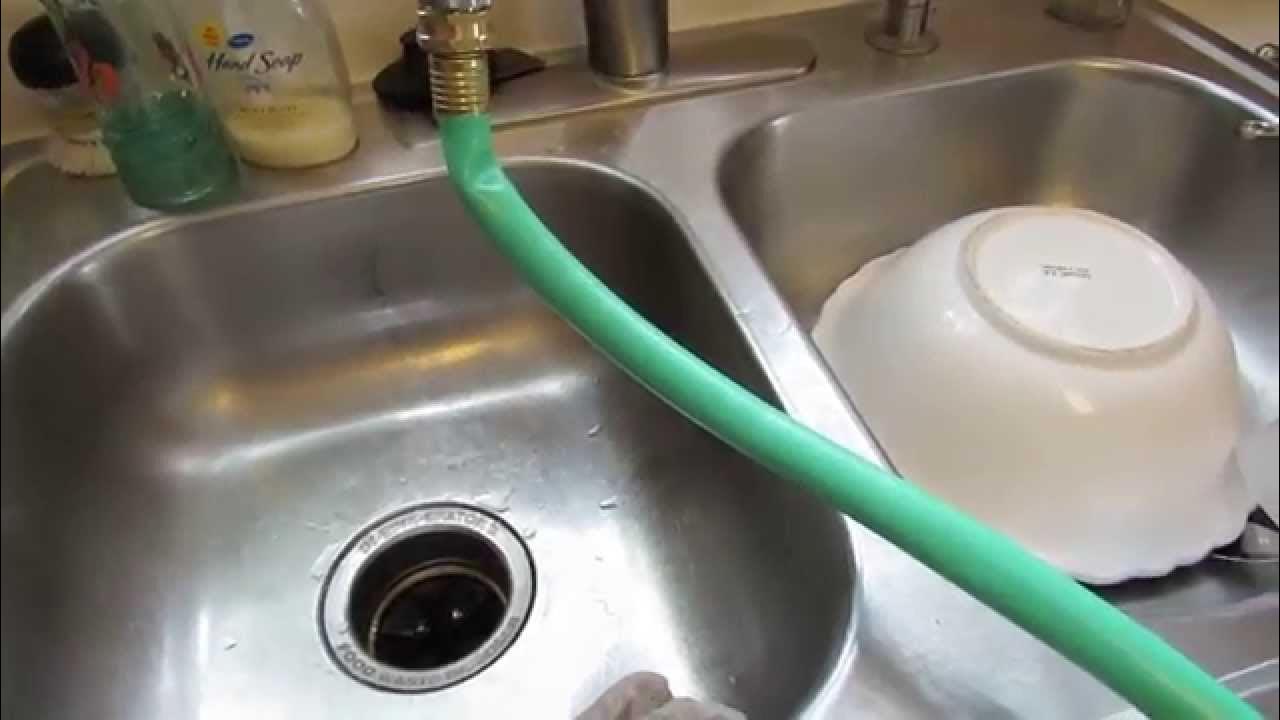
Image Source: i.ytimg.com
Why Connect a Garden Hose to Your Kitchen Sink?
There are several practical reasons why you might need to connect a garden hose to your kitchen sink.
- Filling Large Containers: Need to fill a large kiddie pool, a water cooler jug, or even a small portable washing machine? A garden hose connected to your sink is the fastest way to do it indoors.
- Cleaning Up Big Messes: Spilled something large and messy on your kitchen floor? Attaching a hose can help you wash it down the drain efficiently.
- Indoor Plant Care: If you have a lot of indoor plants, especially during winter when outdoor watering is impossible, a hose connection can make watering them much easier.
- Car Washing Indoors: In situations where you need to wash your car inside a garage or a covered area, a direct water source from the sink is invaluable.
- Pet Bathing: For larger pets that don’t fit easily in the tub, connecting a hose to the sink can be a more convenient way to bathe them.
- DIY Projects: Various DIY projects might require a steady supply of water indoors.
Essential Components for Your Indoor Hose Hookup
To successfully connect a garden hose to your kitchen sink, you’ll need a few key items. The most important among these is a specialized adapter.
The Crucial Piece: The Hose Adapter
You cannot directly connect a standard garden hose to your kitchen faucet. The threads are different. You need a specific hose adapter or a sink adapter designed for this purpose. These adapters bridge the gap between the faucet spout and the garden hose.
Here are the types of adapters you might encounter:
- Faucet Aerator Adapter: Most kitchen faucets have an aerator at the end of the spout. These adapters screw onto the faucet threads where the aerator normally sits. They often have a threaded connection on the other end that accepts a garden hose.
- Spout-End Adapter: Some adapters are designed to fit over the entire end of the faucet spout, clamping on securely. These are useful if your faucet doesn’t have standard removable aerator threads.
- Sink Sprayer Attachment Conversion: If your sink has a pull-out faucet sprayer or a side-mounted sink sprayer attachment, you might find adapters that can connect to these hoses for a temporary indoor watering solution. This is a less common but possible route.
Other Necessary Items
- Garden Hose: Make sure you have a garden hose of the appropriate length for your needs.
- Hose Clamps (Optional but Recommended): For an extra layer of security, especially if you’re concerned about pressure or leaks, hose clamps can be very helpful.
- Towels or Rags: Have plenty of these on hand to wipe up any drips or spills during the setup and disconnection process.
- Bucket: Useful for catching any residual water when disconnecting.
Step-by-Step Guide to Connecting Your Garden Hose
Let’s get your kitchen sink hose attachment set up. Follow these steps carefully.
Step 1: Identify Your Faucet Type
Before buying any adapters, take a close look at your kitchen faucet.
- Removable Aerator: Most modern faucets have a screw-on aerator at the tip of the spout. You can usually unscrew this by hand or with a wrench (wrap the aerator with a cloth to protect it if using a wrench). Measure the diameter of the threads if you can, or simply take the aerator with you to the hardware store to find a matching adapter.
- Non-Removable Aerator/Unique Spout: Some faucets have aerators built-in, or the spout design is unusual. In these cases, you might need a universal or clamping-style adapter.
Step 2: Choose the Right Hose Adapter
This is the most critical step. The adapter must fit both your faucet and your garden hose.
- Faucet Connection:
- Female Aerator Thread Adapter: If your faucet has male threads where the aerator screws in, you’ll need an adapter with female threads on one end.
- Male Aerator Thread Adapter: If your faucet has female threads, you’ll need an adapter with male threads.
- Universal Fit Adapters: These are designed to work with a variety of faucet spout shapes and sizes. They often use a clamp or a rubber gasket system.
- Garden Hose Connection:
- Most garden hoses have a standard 3/4-inch GHT (Garden Hose Thread) fitting. Your adapter needs to have a corresponding connection to accept this. This is typically a male threaded end.
A faucet adapter kit often includes various sizes and types of connectors, which can be very handy if you’re unsure about your faucet’s specifications. Look for kits that specifically mention compatibility with garden hoses.
Step 3: Prepare the Faucet
- Turn Off Hot Water: For safety, it’s a good idea to turn off the hot water supply to the kitchen faucet. Look for the shut-off valves under the sink. If you’re only using cold water, this step is less critical, but it’s good practice.
- Remove the Aerator (if applicable): Carefully unscrew the aerator from the tip of your faucet spout. Place it somewhere safe.
- Clean the Threads: Gently wipe the faucet threads to remove any debris or mineral buildup that could interfere with a good seal.
Step 4: Attach the Sink Adapter to the Faucet
- Screw on the Adapter: Take your chosen sink adapter and screw it onto the faucet spout threads.
- Hand-Tighten First: Always start by tightening it by hand. Make sure it’s going on straight to avoid cross-threading.
- Check for a Snug Fit: Once hand-tight, give it a gentle snug with a wrench if needed, but avoid over-tightening, which can damage the faucet or the adapter. If you have a universal clamp-on adapter, follow its specific attachment instructions. Ensure the rubber gasket or seal is properly seated.
Step 5: Connect the Garden Hose
- Align the Threads: Take your garden hose and carefully align its threaded end with the garden hose connection on your hose to faucet connector (the adapter you just attached).
- Screw the Hose On: Begin screwing the hose onto the adapter. Again, hand-tighten as much as you can.
- Add a Hose Clamp (Optional but Recommended): For maximum security, slide a hose clamp over the end of the hose fitting and tighten it around the adapter’s threads. This prevents the hose from accidentally unscrewing under pressure.
Step 6: Test for Leaks
- Turn On Water Slowly: Go back under the sink and slowly turn on the cold water supply valve (or both hot and cold if you’re using them).
- Check Connections: With the water pressure building, carefully inspect all connections: where the adapter meets the faucet, and where the hose connects to the adapter.
- Tighten if Necessary: If you see any drips, try gently tightening the connection. If it’s still leaking, you may need to adjust the adapter, check the rubber washer inside the hose fitting, or consider a different adapter.
- Turn on Faucet: Once you’ve checked the connections, turn on the faucet handle to let water flow through the hose.
Step 7: Using the Hose
Your indoor hose hookup is now ready!
- Control Water Flow: You can control the water flow using the kitchen faucet handle.
- Avoid High Pressure: Be mindful that connecting a garden hose to a household faucet can increase the pressure on your plumbing system. Avoid running water at full blast for extended periods if your home’s water pressure is already high.
- Secure the Hose: Ensure the hose is routed safely to prevent tripping hazards or damage to your sink or counters.
Step 8: Disconnecting the Hose
When you’re finished, follow these steps for safe disconnection:
- Turn Off Faucet: Turn off the water at the kitchen faucet handle completely.
- Relieve Pressure: Unscrew the hose from the adapter slightly to let any remaining water and pressure drain out. A bucket placed beneath the connection point is helpful here.
- Disconnect Hose: Once pressure is released, unscrew the garden hose from the adapter.
- Disconnect Adapter: Unscrew the adapter from the faucet.
- Re-attach Aerator: Screw the faucet aerator back onto the spout.
- Turn Water Back On: Slowly turn the water supply valves back on if you turned them off.
- Dry Everything: Dry off the faucet, adapter, and hose connection to prevent corrosion.
Troubleshooting Common Issues
Even with the best preparation, you might run into a few snags.
Leaks at the Faucet Connection
- Cause: Improperly seated adapter, worn-out rubber washer in the adapter, or damaged faucet threads.
- Solution: Ensure the adapter is screwed on straight and hand-tightened securely. Check the rubber washer inside the adapter’s faucet connection and replace it if it’s cracked or worn. If faucet threads are damaged, you might need a universal clamping adapter.
Leaks at the Hose Connection
- Cause: Loose hose connection, damaged hose washer, or a faulty adapter connection.
- Solution: Tighten the hose connection. Check the rubber washer inside the garden hose fitting and replace it if necessary. Using a hose clamp can prevent this issue.
Low Water Pressure
- Cause: The adapter itself might restrict flow, or there might be a partial clog in the faucet, adapter, or hose.
- Solution: Ensure the adapter isn’t clogged. If you’re using a hose with a spray nozzle, ensure it’s open. Check the faucet’s internal components if the problem persists.
Adapter Doesn’t Fit Faucet
- Cause: Incorrect adapter type purchased.
- Solution: Re-examine your faucet’s spout and threads. Visit a hardware store with the old aerator or a photo of your faucet to find the correct garden hose faucet adapter.
Tips for a Secure and Safe Indoor Hose Hookup
- Use Quality Adapters: Invest in adapters made from durable materials like brass or heavy-duty plastic. Cheap adapters are more prone to breaking or leaking.
- Check Your Hose: Ensure your garden hose is in good condition, without any cracks or leaks.
- Never Leave Unattended: Always supervise the hose connection when water is running. A sudden leak or burst hose can cause significant water damage indoors.
- Consider Water Flow Rate: Be aware that garden hoses typically have a much higher flow rate than a standard faucet. This can be great for filling large containers quickly, but it also means you need to be more cautious.
- Protect Your Sink Area: Place towels or mats around the sink to catch any drips and protect your countertop and flooring.
- Temporary Use Only: These setups are generally intended for temporary hose connection use. Avoid making it a permanent fixture unless you have a specialized plumbing solution.
Alternatives to Garden Hoses for Indoor Watering
While connecting a garden hose is effective, it might not be the best solution for everyone. Here are a few alternatives:
- Faucet Sprayer Attachment: Many kitchens come with a pull-out or side-mounted sink sprayer attachment. If yours is long enough, it can serve a similar purpose for smaller tasks.
- Specialized Indoor Hoses: You can purchase shorter, more flexible hoses designed specifically for indoor use, often with adapters that fit standard sink faucets. These might be a better option if you frequently need an indoor water hose.
- Watering Cans and Buckets: For plant watering or small tasks, traditional watering cans or buckets are always a safe and simple option.
Frequently Asked Questions (FAQ)
Q1: Can I permanently connect a garden hose to my kitchen sink?
While technically possible with extensive plumbing modifications, it is generally not recommended for typical household setups. The adapters discussed are designed for temporary use, and permanent connections could strain your plumbing or create potential leak hazards.
Q2: What size is a standard garden hose thread?
Standard garden hose threads are typically 3/4 inch GHT (Garden Hose Thread). Most adapters will be designed to connect to this size.
Q3: Will this damage my faucet?
If you use the correct adapter and do not over-tighten it, it should not damage your faucet. However, using excessive force or a poorly fitting adapter could lead to damage.
Q4: Can I use hot water with a garden hose attached?
Yes, you can, but be cautious. Some plastic components in adapters or older hoses might not be rated for high-temperature water. It’s generally safer to use cold water unless your adapter specifically states it’s safe for hot water.
Q5: What if my faucet doesn’t have removable threads?
If your faucet spout doesn’t have removable threads for an aerator, you’ll need a universal sink adapter that clamps or grips onto the spout itself. These are widely available and are designed to fit a variety of spout shapes.
Q6: How do I find the right hose adapter?
The best way is to identify your faucet type (removable aerator or universal fit needed) and the thread size if possible. Taking the aerator to a hardware store or looking for faucet adapter kit options that mention garden hose compatibility is a good strategy. Ensure the adapter has a male threaded end to connect to your standard garden hose.
Q7: Is it safe to leave the connected hose unattended?
No, it is strongly advised not to leave a garden hose connected to your kitchen sink unattended, especially when water is running. Always supervise the connection to prevent leaks or flooding.
By following these straightforward steps and choosing the right components, you can successfully connect your garden hose to your kitchen sink for a convenient indoor hose hookup. Remember to prioritize safety and check for leaks at every stage.