
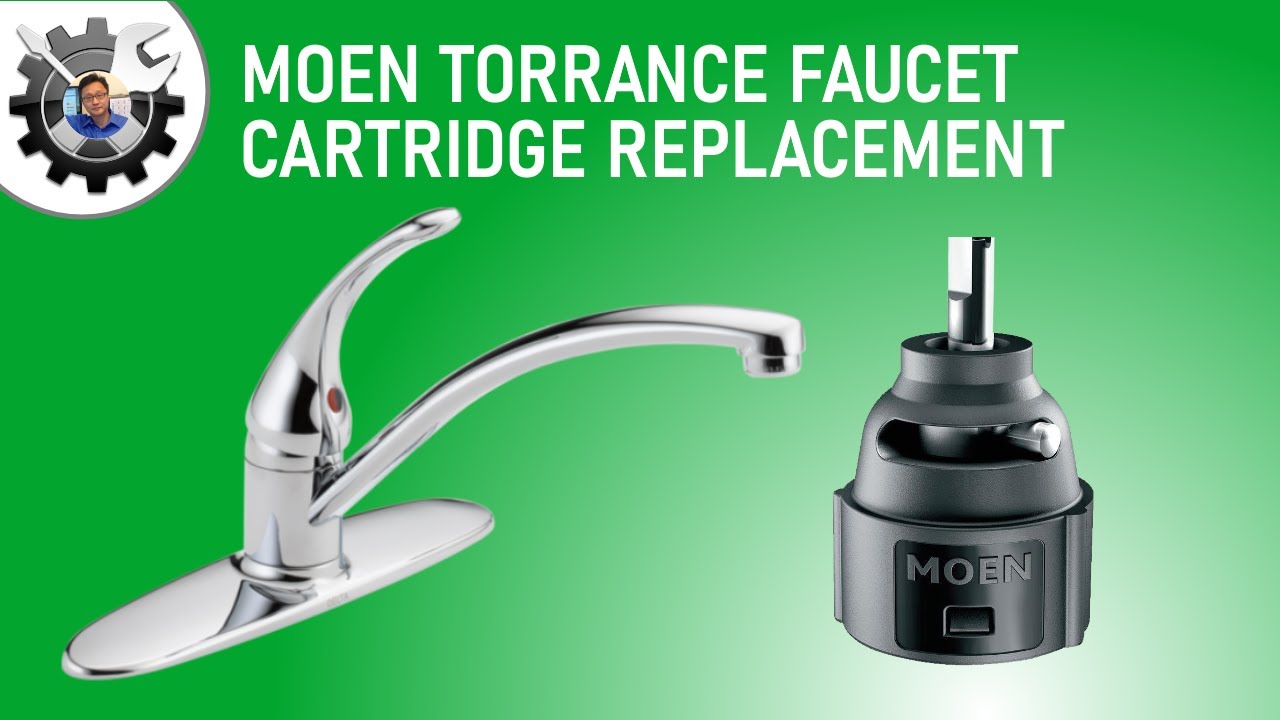
Image Source: i.ytimg.com
Easy Steps: Install Moen Kitchen Faucet Cartridge
Can I install a Moen kitchen faucet cartridge myself? Yes, you can install a Moen kitchen faucet cartridge yourself with the right tools and a step-by-step guide. This guide will walk you through how to replace a Moen cartridge, helping you fix common issues like a Moen kitchen faucet leak or a frustrating Moen faucet drip. We’ll cover everything from Moen handle removal to Moen cartridge removal, making your Moen faucet repair a breeze.
A faulty cartridge is often the culprit behind a leaky or stiff-operating faucet. Fortunately, replacing it is a manageable DIY project that can save you money on plumbing bills and restore your faucet’s functionality. This in-depth guide will equip you with the knowledge to tackle this common Moen faucet repair, ensuring your kitchen sink is back in perfect working order.
Essential Tools and Materials for Moen Cartridge Replacement
Before you begin, gather these necessary items to ensure a smooth Moen cartridge replacement:
- New Moen Cartridge: Make sure you have the correct replacement cartridge for your specific Moen faucet model. You can often find the model number on the underside of the faucet body or in your original manual. If unsure, take a picture of your faucet and cartridge to a hardware store for assistance.
- Allen Wrench Set: Moen faucets often use Allen screws to secure the handle. A set with various sizes will be helpful.
- Phillips and Flathead Screwdrivers: Standard screwdrivers are essential for removing decorative caps and other small components.
- Adjustable Wrench or Pliers: You’ll need these to loosen and tighten water supply line connections and possibly the retaining nut holding the cartridge.
- Plumber’s Grease or Silicone Grease: This lubricant helps the new cartridge seat properly and prevents future stiffness.
- Old Towels or Rags: To catch any residual water and keep your workspace clean.
- Bucket or Container: To place under the faucet to collect drained water.
- Moen Cartridge Removal Tool (Optional but Recommended): While not always strictly necessary, a Moen cartridge removal tool can make extracting a stubborn cartridge much easier. It’s a specialized tool designed to grip and pull the cartridge.
Step-by-Step Guide to Installing a Moen Kitchen Faucet Cartridge
Let’s get started with the process of replacing your Moen cartridge.
Step 1: Turn Off the Water Supply
Safety first! Before you do anything else, you must shut off the water supply to your faucet.
- Locate Shut-Off Valves: Look for the shut-off valves beneath your sink. There should be two valves, one for hot water and one for cold water.
- Close the Valves: Turn the handles of both valves clockwise until they are fully closed.
- Test the Faucet: Turn on the faucet handles to release any remaining water in the lines and confirm that the water supply is indeed off. No water should come out.
Step 2: Remove the Moen Faucet Handle
This is where we begin the process of Moen handle removal. The method for removing the handle can vary slightly depending on your Moen faucet model, but generally involves these steps:
- Find the Set Screw: On most single-handle Moen faucets, there’s a small set screw that holds the handle in place. This screw is usually located on the underside or backside of the handle. You might need to pry off a decorative cap to access it.
- Pry Off Decorative Cap (If Necessary): Some handles have a small plastic or metal cap that covers the set screw. Gently use a flathead screwdriver or a putty knife to pry this cap off. Be careful not to scratch the faucet finish.
- Loosen the Set Screw: Use the appropriate size Allen wrench to loosen the set screw. You don’t need to remove it completely, just loosen it enough to allow the handle to slide off.
- Remove the Handle: With the set screw loosened, gently pull the faucet handle straight up or off. If it’s stuck, you might need to wiggle it gently. Avoid forcing it, as this can damage the faucet.
Step 3: Remove the Escutcheon Cap and Handle Adapter (If Applicable)
After the handle is off, you’ll often find an escutcheon cap or a decorative cover.
- Unscrew the Escutcheon Cap: This cap usually unscrews by hand, turning counterclockwise. If it’s tight, you might need to use adjustable pliers, but protect the finish with a rag.
- Remove Handle Adapter: Some Moen faucets have a metal handle adapter that sits below the handle. This might lift off or have small screws holding it in place. Carefully remove any components that are blocking access to the cartridge.
Step 4: Remove the Retaining Clip or Nut
The cartridge is typically held in place by either a retaining clip or a retaining nut.
- Identify the Retaining Mechanism: Look for a small metal clip that slides into a slot on the faucet body, or a large nut that encircles the cartridge.
- Remove the Retaining Clip: If you have a clip, use needle-nose pliers or a flathead screwdriver to pull it straight out. Note its orientation, as you’ll need to reinsert it in the same way later.
- Remove the Retaining Nut: If there’s a retaining nut, use your adjustable wrench or pliers to unscrew it by turning it counterclockwise. Be prepared for a little residual water to drain out when you loosen this.
Step 5: Extract the Moen Cartridge
Now comes the critical step: Moen cartridge removal. This is where a Moen cartridge removal tool can be a lifesaver if the cartridge is stuck.
- Attempt Manual Removal: First, try to grip the top of the cartridge with pliers and pull it straight out. Wiggle it gently as you pull.
- Use the Moen Cartridge Removal Tool: If manual removal is proving difficult, insert the Moen cartridge removal tool. The tool usually has prongs that fit into grooves on the cartridge. Twist the handle of the tool to gradually pull the cartridge out of its housing. Follow the specific instructions that come with your removal tool.
- Note the Cartridge Orientation: Pay close attention to how the old cartridge was seated. There are usually notches or tabs that align it correctly. You’ll need to install the new cartridge in the same position.
Step 6: Clean the Cartridge Housing
Before installing the new cartridge, it’s essential to clean the area where the old one was seated.
- Inspect for Debris: Check for any mineral deposits, sediment, or old O-rings that might be lodged in the housing.
- Clean Thoroughly: Use a clean rag or a soft brush to wipe out the inside of the cartridge housing. You can also use a bit of plumber’s grease on the rag to help remove stubborn buildup. A clean housing ensures a good seal for the new cartridge.
Step 7: Install the New Moen Cartridge
This is the reverse of the removal process.
- Lubricate the New Cartridge: Apply a thin layer of plumber’s grease or silicone grease to the rubber O-rings on the new cartridge. This helps it slide in easily and creates a better seal.
- Align the Cartridge: Carefully align the new cartridge with the housing, ensuring that the notches or tabs are in the correct position, matching how the old one was seated.
- Seat the Cartridge: Gently push the new cartridge straight into the housing. It should slide in smoothly. If it feels like you’re forcing it, remove it and re-check the alignment.
Step 8: Reinstall the Retaining Clip or Nut
Secure the new cartridge in place.
- Reinstall the Retaining Clip: Slide the retaining clip back into its slot, making sure it’s fully seated.
- Reinstall the Retaining Nut: Screw the retaining nut back onto the faucet body by hand, then use your adjustable wrench to tighten it snugly. Don’t overtighten, as this can damage the cartridge or faucet body.
Step 9: Reassemble the Faucet Handle and Components
Now, reverse the disassembly steps to put your faucet back together.
- Replace Handle Adapter and Escutcheon Cap: Reattach any handle adapters or escutcheon caps you removed.
- Reattach the Faucet Handle: Slide the faucet handle back onto the valve stem, aligning it correctly.
- Tighten the Set Screw: Tighten the set screw firmly with your Allen wrench to secure the handle.
- Replace Decorative Cap: If you removed a decorative cap, snap it back into place.
Step 10: Turn the Water Supply Back On and Test
The final step to confirm your Moen faucet repair.
- Slowly Open Shut-Off Valves: Go back under the sink and slowly turn the hot and cold water shut-off valves counterclockwise to restore the water supply.
- Check for Leaks: Turn on the faucet and check carefully for any leaks around the handle, base, or spout.
- Test Faucet Operation: Operate the faucet handle through its full range of motion (hot, cold, and mixing) to ensure smooth operation and proper water flow. If you still notice a Moen faucet drip or other issues, you may need to re-check your work or consider if you have the correct Moen cartridge replacement.
Troubleshooting Common Issues During Moen Cartridge Replacement
Even with careful steps, you might encounter a few hiccups. Here’s how to address them:
- Stuck Handle: If the handle won’t budge after loosening the set screw, try spraying a little penetrating oil around the base of the handle where it meets the stem. Let it sit for a few minutes before trying again. Gentle tapping with a rubber mallet can also help.
- Stubborn Cartridge: This is where a Moen cartridge removal tool is invaluable. If you don’t have one, try gently tapping the faucet body around the cartridge with a rubber mallet to loosen it. You can also try rocking the cartridge slightly back and forth with pliers while pulling.
- Leaking After Replacement: If your faucet still leaks, double-check that the new cartridge is seated correctly and that the retaining nut is tightened properly. Ensure you used the correct replacement cartridge for your model. A faulty new cartridge is also a possibility, though less common.
- Low Water Pressure: If you notice reduced water pressure, the aerator at the tip of the spout might be clogged with debris dislodged during the repair. Unscrew the aerator and clean it out.
Frequently Asked Questions (FAQ)
Q1: How often should I replace a Moen faucet cartridge?
A1: There’s no set schedule. You typically replace a Moen cartridge when you experience issues like leaks, difficulty operating the handle, or reduced water flow. With proper maintenance, a cartridge can last many years.
Q2: What if my Moen faucet is old? Will a new cartridge still be available?
A2: Moen has a long history of producing quality faucets, and replacement cartridges are generally available for most models, even older ones. Check the Moen website or your local hardware store with your faucet’s model number.
Q3: Do I need a special Moen faucet repair kit?
A3: While you can buy individual cartridges, a Moen faucet repair kit might contain the cartridge along with other common replacement parts like O-rings or seals, which can be useful if you’re unsure which specific parts are failing. However, for a simple cartridge replacement, just the cartridge itself is usually sufficient.
Q4: How do I know which Moen cartridge to buy?
A4: The best way is to identify your faucet’s model number. This is often found on the underside of the faucet body, on the supply lines, or in your original installation manual. If you can’t find it, take clear photos of your faucet and the old cartridge to a plumbing supply store or hardware store for assistance. Moen uses different cartridge types (e.g., 1200, 1225, 1234) for different faucet series.
Q5: My single-handle Moen faucet is stiff. Is this a cartridge problem?
A5: Stiffness in a single-handle Moen faucet is very often caused by a worn-out or damaged cartridge. The internal seals can degrade, leading to increased friction. Replacing the cartridge usually resolves this issue.
Q6: What’s the difference between a Moen valve stem and a cartridge?
A6: In many modern Moen faucets, the “cartridge” is the component that incorporates the valve stem, along with the seals and other internal mechanisms that control water flow and temperature. So, when you replace the cartridge, you’re essentially replacing the valve stem and its associated parts.
Q7: I lost the little screw for the handle. Can I still fix it?
A7: Yes. If you lost the handle set screw, you can usually purchase a replacement screw at a hardware store. Make sure to get the correct size and thread type. You might need to take the handle or the faucet itself to match it.
By following these detailed steps, you can confidently perform your own Moen kitchen faucet repair and successfully install a new Moen cartridge. This DIY solution will help you fix leaks and restore your faucet’s smooth operation, making your kitchen more functional and pleasant.