
Can you keep a kitchen sponge from smelling? Yes, with consistent cleaning and proper storage, you can effectively combat kitchen sponge odor and maintain a fresh kitchen sponge. A smelly sponge isn’t just unpleasant; it’s a breeding ground for bacteria, which can transfer to your dishes and countertops. This guide will delve into the best methods to eliminate sponge smell and prevent it from returning. We’ll explore how to clean smelly sponges effectively, using natural solutions, and how to sanitize your kitchen sponge to ensure it remains a hygienic tool.
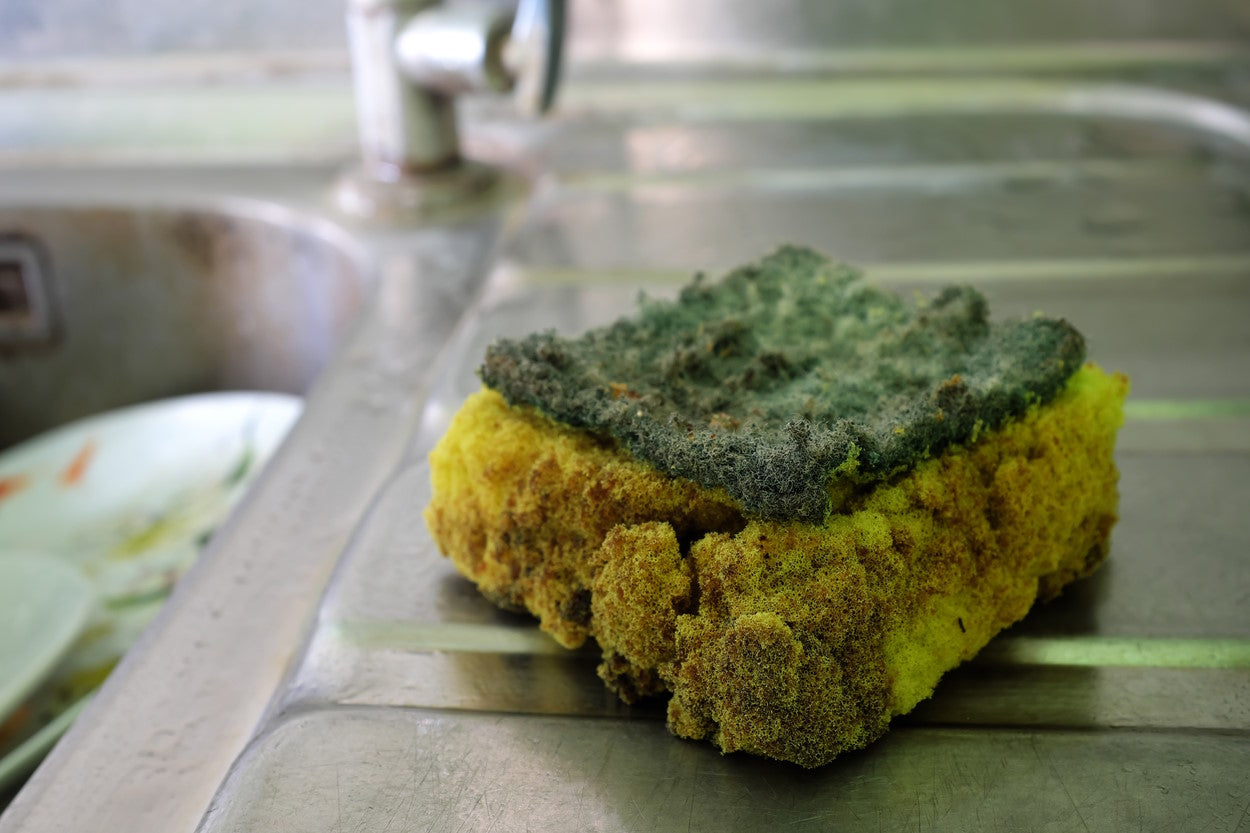
Image Source: molekule.com
Why Do Kitchen Sponges Smell?
Kitchen sponges are porous marvels designed to absorb liquids and trap food particles. Unfortunately, this absorbency also makes them ideal habitats for bacteria, mold, and mildew. When these microorganisms multiply, they produce volatile organic compounds (VOCs) that we perceive as unpleasant odors. The damp, warm environment inside a typical kitchen sink or holder further accelerates this microbial growth. Factors contributing to a smelly sponge include:
- Trapped Food Debris: Even after rinsing, tiny food particles can get lodged in the sponge’s pores.
- Moisture Retention: Sponges that don’t dry out completely between uses remain damp, creating a perfect breeding ground.
- Bacteria Accumulation: From raw meat juices to leftover food, sponges encounter a variety of bacteria daily.
- Lack of Regular Cleaning: Infrequent or ineffective cleaning allows microbial colonies to flourish.
The Science Behind Sponge Odor
The “smell” from a kitchen sponge is primarily due to the metabolic byproducts of bacteria and fungi. As these microbes break down organic matter (food particles) left on the sponge, they release gases like ammonia, sulfur compounds, and various organic acids. These gases have low molecular weights and are easily vaporized, reaching our noses and signaling a need for cleaning. Different types of bacteria and fungi can produce distinct odors, ranging from a general musty smell to a more acrid or sour scent. Comprehending this process helps us target the root cause: microbial growth.
Effective Methods to Eliminate Sponge Smell
Fortunately, there are several tried-and-true methods to combat kitchen sponge odor. These range from quick fixes to more thorough sanitization techniques.
1. The Power of Heat: Microwave Sponge Disinfection
One of the most effective ways to sanitize and eliminate sponge smell is through microwave sponge disinfection. The intense heat generated by microwaves kills most of the bacteria and mold that cause odors.
How to do it:
- Step 1: Thoroughly Wet the Sponge: Ensure the sponge is completely saturated with water. A dry sponge can catch fire in the microwave.
- Step 2: Place in Microwave: Place the wet sponge on a microwave-safe plate.
- Step 3: Microwave on High: Heat the sponge on high power for 1 to 2 minutes.
- Step 4: Cool Down: Crucially, let the sponge cool completely before removing it. It will be extremely hot! Use tongs to handle it.
Why it works: The steam created inside the sponge at high temperatures effectively kills a vast majority of microorganisms. This is a quick and powerful method to sanitize a kitchen sponge.
Caution: Never microwave a dry sponge. Always ensure it is thoroughly wet.
2. Vinegar Sponge Cleaning: A Natural Sponge Cleaner
Vinegar is a fantastic natural sponge cleaner due to its acidity, which can kill bacteria and neutralize odors.
How to do it:
- Step 1: Soak in Vinegar: Fill a bowl with undiluted white vinegar.
- Step 2: Submerge the Sponge: Place the sponge in the vinegar and let it soak for at least 5 minutes, or preferably longer for a more thorough clean.
- Step 3: Squeeze and Rinse: Remove the sponge from the vinegar, squeeze it out thoroughly, and rinse it under running water.
Why it works: The acetic acid in vinegar disrupts the cell membranes of bacteria and fungi, killing them and helping to eliminate the source of the smell. It’s an excellent way to clean smelly sponges without harsh chemicals.
3. Baking Soda Sponge Odor Control
Baking soda is a natural deodorizer and mild abrasive, making it another excellent tool for keeping your kitchen sponge fresh.
How to do it:
- Step 1: Make a Paste: Mix baking soda with a small amount of water to form a paste.
- Step 2: Apply to Sponge: Rub the paste all over the sponge, paying attention to any visible grime.
- Step 3: Scrub and Soak: Gently scrub the sponge with the paste. Then, you can either rinse it thoroughly or soak it in a baking soda and water solution (1 tablespoon of baking soda per cup of water) for about an hour.
- Step 4: Rinse and Squeeze: Rinse the sponge thoroughly and squeeze out excess water.
Why it works: Baking soda neutralizes acidic odor-causing compounds, effectively absorbing and eliminating the smell. Its abrasive quality also helps lift away grime.
4. Boiling for a Pristine Sponge
Similar to microwaving, boiling uses heat to sanitize. This method is very effective for a deep clean.
How to do it:
- Step 1: Prepare Water: Fill a pot with enough water to fully submerge the sponge.
- Step 2: Boil Water: Bring the water to a rolling boil.
- Step 3: Add Sponge: Carefully place the sponge into the boiling water using tongs.
- Step 4: Boil: Let the sponge boil for about 5 minutes.
- Step 5: Cool and Rinse: Remove the sponge with tongs and let it cool completely before rinsing it thoroughly.
Why it works: The high temperature of boiling water kills a wide range of bacteria and other microorganisms.
5. Lemon Juice: A Citrusy Freshness
Lemon juice, with its citric acid, can also act as a natural disinfectant and deodorizer.
How to do it:
- Step 1: Squeeze Fresh Lemon: Squeeze the juice of half a lemon into a bowl.
- Step 2: Add Water: Add a cup of water to the lemon juice.
- Step 3: Soak: Submerge the sponge in the lemon water solution for at least 10 minutes.
- Step 4: Rinse and Squeeze: Remove, squeeze, and rinse the sponge well.
Why it works: Citric acid in lemon juice helps to kill bacteria and break down odor-causing compounds, leaving the sponge with a pleasant, fresh scent.
Preventing Kitchen Sponge Smell: Proactive Strategies
The best defense against a smelly sponge is consistent prevention. Implementing these habits will help you maintain a fresh kitchen sponge for longer.
1. Squeeze and Dry After Each Use
This is arguably the most critical step in preventing kitchen sponge smell.
- Action: After every use, thoroughly squeeze out as much water as possible from the sponge.
- Why it matters: Reducing moisture content significantly inhibits bacterial growth. A well-squeezed sponge will dry much faster, creating a less hospitable environment for microbes.
2. Store Sponges Properly
Where you store your sponge after use makes a big difference.
- Avoid sealed containers: Don’t keep sponges in closed containers or drawers where air cannot circulate.
- Elevated holders: Use sponge caddies or holders that allow air to flow freely around the sponge. Suction cup holders that attach to the side of the sink are excellent for this.
- On the counter: If you don’t have a holder, place the sponge on a clean surface where it can air dry.
3. Regular Rinsing During Use
Don’t let food particles sit on the sponge for extended periods.
- Rinse frequently: If you’re using the sponge to clean up multiple messes, rinse it thoroughly under running water between tasks. This removes immediate food debris before it can fester.
4. Rotation is Key
Even with diligent cleaning, sponges have a lifespan.
- Replace regularly: Plan to replace your kitchen sponges every 1-2 weeks, or sooner if they become persistently smelly or degraded. Having a few on hand ensures you can always swap out a soiled sponge for a fresh one.
Deep Cleaning Frequency
How often should you deep clean your kitchen sponge? A good rule of thumb is to perform one of the sanitization methods (microwave, boiling, vinegar soak) at least every 2-3 days. This consistent effort will significantly help to prevent kitchen sponge smell.
Comparing Cleaning Methods
| Method | Effectiveness Against Odor | Sanitization Level | Time Required | Natural Ingredient | Ease of Use |
|---|---|---|---|---|---|
| Microwave Sponge Disinfection | Very High | Very High | 2-3 minutes | No | Easy |
| Vinegar Sponge Cleaning | High | High | 5+ minutes | Yes | Easy |
| Baking Soda Sponge Odor | High | Moderate | 1 hour+ | Yes | Moderate |
| Boiling for a Pristine Sponge | Very High | Very High | 10+ minutes | No | Moderate |
| Lemon Juice | Moderate | Moderate | 10+ minutes | Yes | Easy |
Note: Time required includes soaking/cooling time where applicable.
Identifying When to Replace Your Sponge
Despite your best efforts, there comes a time when a sponge needs to be replaced. Here are the signs:
- Persistent Odor: If the smell returns quickly after cleaning, or if it’s simply too strong to eliminate.
- Physical Degradation: If the sponge starts to fall apart, tear, or becomes overly matted and compact.
- Discoloration: While some staining is normal, significant or unusual discoloration can indicate deep-seated grime or mold.
- Lack of Absorbency: If the sponge no longer absorbs water effectively.
Beyond the Sponge: Keeping Your Sink Area Fresh
A clean sponge is only part of the equation for a fresh kitchen. Ensure your sink area is also clean:
- Clean the sink basin regularly: Wipe down your sink with a disinfectant or the vinegar/baking soda mixture.
- Wash dishcloths and rags: These can harbor just as many germs as sponges. Wash them frequently in hot water.
- Wipe down countertops: Regularly clean all surfaces where the sponge might touch.
Frequently Asked Questions (FAQ)
Q: How often should I replace my kitchen sponge?
A: It’s generally recommended to replace your kitchen sponge every 1 to 2 weeks. If it develops a persistent odor or shows signs of wear and tear, replace it sooner.
Q: Can I use dish soap to clean my sponge?
A: Dish soap can help remove grease and food particles, but it doesn’t typically kill bacteria as effectively as heat or acidic cleaners like vinegar. It’s good for a quick rinse, but not a deep sanitization.
Q: Is it safe to clean a sponge in the dishwasher?
A: Yes, running your sponge through a hot cycle in the dishwasher can help sanitize it. However, ensure the sponge is placed securely so it doesn’t block the spray arms.
Q: What if my sponge is still smelly after cleaning?
A: If the odor persists after trying multiple cleaning methods, it’s likely time to discard the sponge and start with a new one. The bacteria may have become too entrenched.
Q: Are there any specific types of sponges that resist odor better?
A: Some newer sponge materials, like silicone or those with antimicrobial treatments, may resist odor and bacteria growth slightly better. However, no sponge is entirely immune, and regular cleaning is still essential.
By implementing these tips and understanding the causes of kitchen sponge odor, you can enjoy a cleaner, fresher kitchen environment. Regularly sanitizing and properly storing your sponge is key to preventing that unwelcome smell and ensuring your cleaning tools are as hygienic as possible. Keeping a fresh kitchen sponge is an achievable goal with a little consistent effort.