
Does your kitchen sponge smell bad? Yes, it absolutely can and often does. A damp, used sponge is a breeding ground for bacteria and mold, which cause that unpleasant odor. Keeping your kitchen sponge smelling fresh is achievable with regular care and specific cleaning methods.
The kitchen sponge is an unsung hero of our daily routines. It tackles grease, grime, and spills, leaving our dishes sparkling and our countertops clean. However, this essential tool can quickly turn into a source of unpleasant smells if not properly maintained. The damp environment and food particles trapped within its porous structure create the perfect conditions for bacteria and mold to thrive, leading to that unmistakable kitchen sponge odor. Fortunately, with the right kitchen sponge care, you can eliminate sponge smell and ensure your sponge stays fresh and hygienic.
This in-depth guide will explore various methods to disinfect kitchen sponge, sanitize kitchen sponge, and prevent sponge mildew, ensuring your sponge remains a powerful ally in your kitchen hygiene arsenal, rather than a hidden source of odor. We’ll cover everything from simple daily practices to more robust cleaning solutions, including effective homemade sponge cleaner options.
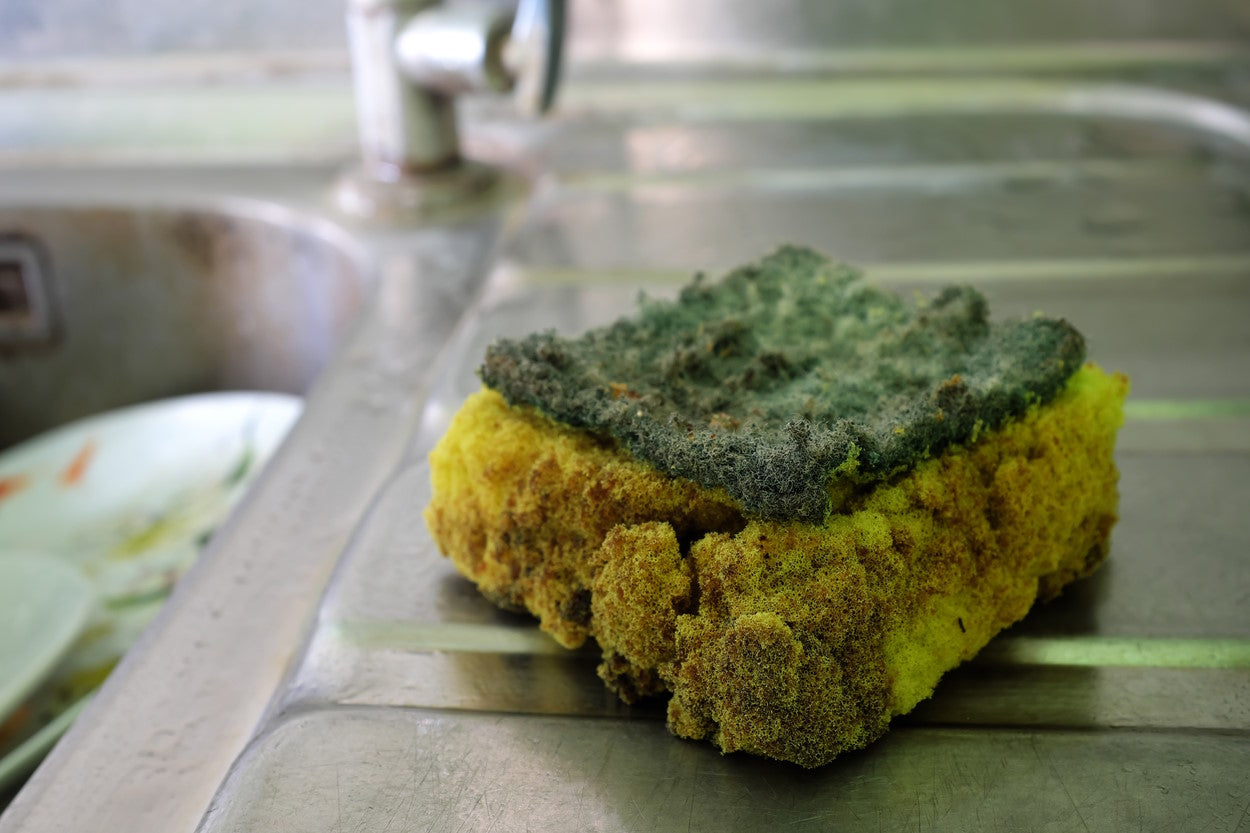
Image Source: molekule.com
Why Do Kitchen Sponges Smell?
Before we dive into solutions, it’s helpful to understand why kitchen sponges get smelly. It all comes down to the perfect storm of conditions:
- Moisture: Sponges are designed to absorb water. This constant dampness is ideal for microbial growth.
- Food Particles: Tiny food remnants cling to the sponge’s surface and get trapped within its pores. These act as food for bacteria.
- Bacteria and Microbes: Kitchen sponges harbor a wide variety of bacteria, yeasts, and molds. Some of these are harmless, but others produce volatile organic compounds (VOCs) that cause foul odors. E. coli and Salmonella can even be present, posing a health risk.
- Lack of Airflow: When a sponge sits in a wet sink or holder without proper ventilation, it stays damp for longer, encouraging further growth.
This combination creates a cycle where the more you use a sponge, the more likely it is to develop that characteristic sour, musty smell, a clear indicator of a kitchen sponge odor problem.
The Importance of Kitchen Sponge Hygiene
Maintaining kitchen sponge hygiene is not just about preventing bad smells; it’s crucial for your health. A dirty sponge can spread bacteria around your kitchen, contaminating food preparation surfaces and utensils. Regularly cleaning and sanitizing your sponge helps to eliminate sponge smell and reduce the risk of cross-contamination. A clean sponge is a safe sponge.
Common Odor-Causing Culprits
- Bacteria: Bacillus, Serratia, and Pseudomonas are common bacteria found on kitchen sponges, often contributing to the “sour milk” smell.
- Molds and Yeasts: Aspergillus and Penicillium species can grow in damp conditions, producing musty odors.
- Food Residue Breakdown: As food particles decompose, they release gases that contribute to unpleasant smells.
Simple Daily Practices to Prevent Odors
Prevention is always better than cure. Incorporating a few simple daily habits can significantly extend the freshness of your kitchen sponge and prevent sponge mildew.
Rinse Thoroughly After Each Use
This is the most basic yet critical step.
- Action: After washing dishes, rinse your sponge under hot running water until all food particles and soap suds are gone.
- Why it Works: Removing food debris deprives bacteria of their food source.
Squeeze Out Excess Water
- Action: Wring out your sponge as dry as possible after rinsing.
- Why it Works: Reducing moisture is key to slowing down bacterial growth and preventing that damp, musty smell.
Store Properly
Proper storage allows the sponge to dry out between uses.
- Action: Place your sponge in a well-ventilated area, such as a sponge holder with drainage or a wire rack. Avoid leaving it in a pool of water at the bottom of the sink.
- Why it Works: Air circulation helps the sponge dry out, making it less hospitable for microbes.
Consider a Sponge Holder
- Action: Invest in a sponge holder that allows for maximum air exposure. Many have raised designs or drainage holes.
- Why it Works: This actively promotes drying and prevents the sponge from sitting in its own moisture.
Effective Methods to Clean Kitchen Sponges
Even with daily care, your sponge will eventually need a more thorough cleaning to disinfect kitchen sponge and eliminate sponge smell. Here are some proven methods.
Method 1: Microwave Magic (The Quick Sanitize)
This is a highly effective way to kill bacteria and mold.
-
What You’ll Need:
- Microwave-safe bowl
- Water
- Your kitchen sponge
-
Steps:
- Thoroughly rinse the sponge to remove any loose food particles.
- Place the damp sponge in the microwave-safe bowl.
- Fill the bowl with enough water to completely submerge the sponge. This is crucial to prevent the sponge from catching fire.
- Microwave on high power for 1 to 2 minutes.
- Caution: The sponge and bowl will be extremely hot! Use oven mitts to carefully remove the bowl from the microwave.
- Allow the sponge to cool completely before handling.
- Squeeze out any excess water and store as usual.
-
Frequency: This can be done daily or every other day.
Method 2: The Dishwasher Deep Clean
Your dishwasher can work wonders for your sponge.
-
What You’ll Need:
- Dishwasher
- Your kitchen sponge
-
Steps:
- Rinse the sponge thoroughly.
- Place the sponge in the top rack of your dishwasher. You can place it in the silverware basket or on a shelf.
- Run a regular hot water cycle with your usual detergent.
- Once the cycle is complete, remove the sponge (it will be hot!) and allow it to air dry completely.
-
Frequency: Once a week.
Method 3: Boiling for Sterilization
A classic method for ensuring a truly sanitized kitchen sponge.
-
What You’ll Need:
- Pot
- Water
- Your kitchen sponge
-
Steps:
- Fill a pot with enough water to cover the sponge.
- Bring the water to a rolling boil.
- Carefully place the sponge into the boiling water using tongs.
- Boil for at least 5 minutes.
- Caution: The sponge will be very hot. Use tongs to carefully remove it.
- Allow the sponge to cool and dry completely.
-
Frequency: Weekly or bi-weekly.
Natural Sponge Deodorizer Options
If you prefer to avoid harsh chemicals, there are several effective natural sponge deodorizer solutions.
Vinegar Wash
White vinegar is a natural disinfectant and deodorizer.
-
What You’ll Need:
- White vinegar
- Water
- Bowl
-
Steps:
- Mix equal parts white vinegar and water in a bowl.
- Submerge the sponge in the solution.
- Let it soak for at least 5 minutes, or longer for tougher odors.
- Rinse the sponge thoroughly under hot water.
- Squeeze out excess water and allow to air dry.
-
Frequency: Weekly.
Baking Soda Paste
Baking soda is excellent at absorbing odors.
-
What You’ll Need:
- Baking soda
- Water
- Small bowl
-
Steps:
- Make a paste by mixing baking soda with a little water.
- Spread the paste all over the sponge, ensuring it gets into the pores.
- Let the paste sit for at least 10-15 minutes.
- Scrub the sponge with the paste, then rinse thoroughly under hot water.
- Squeeze out excess water and allow to air dry.
-
Frequency: As needed for odor control.
Lemon Juice or Citric Acid
The acidity of lemon juice can help break down odor-causing compounds.
-
What You’ll Need:
- Lemon juice (fresh or bottled) or citric acid powder
- Water
- Bowl
-
Steps:
- Mix a few tablespoons of lemon juice or a teaspoon of citric acid powder with a cup of water.
- Soak the sponge in the solution for about 30 minutes.
- Rinse thoroughly with water.
- Squeeze out excess water and allow to air dry.
-
Frequency: Weekly.
Homemade Sponge Cleaner Recipes
Beyond simple deodorizing, you can create homemade sponge cleaner solutions that also help disinfect kitchen sponge.
Hydrogen Peroxide Soak
Hydrogen peroxide is a mild antiseptic that can kill bacteria and break down organic matter.
-
What You’ll Need:
- 3% Hydrogen Peroxide solution
- Water
- Bowl
-
Steps:
- Mix equal parts hydrogen peroxide and water in a bowl.
- Submerge the sponge in the solution.
- Let it soak for about 10-15 minutes. You might see some fizzing, which indicates it’s working.
- Rinse the sponge thoroughly under running water.
- Squeeze out excess water and air dry.
-
Frequency: Weekly.
Saltwater Soak
Salt can draw moisture out of the sponge and has mild antimicrobial properties.
-
What You’ll Need:
- Salt (table salt or sea salt)
- Warm water
- Bowl
-
Steps:
- Dissolve a few tablespoons of salt in a bowl of warm water.
- Soak the sponge in the saltwater solution for at least 30 minutes.
- Rinse the sponge thoroughly.
- Squeeze out excess water and allow to air dry.
-
Frequency: Weekly.
Preventing Sponge Mildew
Prevent sponge mildew by making your sponge an unwelcome environment for it. Mildew thrives in dark, damp, and stagnant conditions.
- Ensure Proper Drying: As mentioned, the most crucial step is allowing your sponge to dry completely between uses.
- Avoid Stagnant Water: Never leave your sponge sitting in a puddle.
- Regular Cleaning: Consistent cleaning and sanitizing will remove the spores before they can establish themselves.
- Sunlight Exposure: If possible, place your sponge in direct sunlight for a few hours. UV rays can help kill mold and bacteria. Be cautious, as prolonged exposure might degrade some sponge materials.
When to Replace Your Kitchen Sponge
Even with the best kitchen sponge care, sponges have a limited lifespan. They are porous tools that inevitably harbor bacteria, no matter how diligently you clean them.
-
Signs it’s Time for a New Sponge:
- Persistent kitchen sponge odor that doesn’t go away after cleaning.
- Visible signs of wear and tear, such as disintegration or thinning.
- The sponge doesn’t absorb water as well as it used to.
- It’s been over a week or two since you last replaced it (even with regular cleaning).
-
General Guideline: Most experts recommend replacing your kitchen sponge every 1-2 weeks, depending on usage and cleaning frequency.
Alternatives to Traditional Sponges
If you’re struggling to keep traditional sponges fresh, consider these alternatives:
- Silicone Scrubbers: These are non-porous, easy to clean, and dry quickly.
- Dishcloths: While they also need frequent washing and drying, they can be laundered in hot water to sanitize.
- Boar Bristle Brushes: These are durable and can be aired out easily.
- Cellulose Sponges: These are biodegradable and can often withstand higher temperatures for cleaning.
Table: Sponge Cleaning Methods Comparison
| Method | Effectiveness (Bacteria Kill) | Ease of Use | Time Required | Frequency | Notes |
|---|---|---|---|---|---|
| Microwave | Very High | High | 2-3 minutes | Daily/Bi-daily | Caution: HOT! Ensure sponge is wet. |
| Dishwasher | High | Medium | 1 cycle | Weekly | Use hot water cycle. |
| Boiling | Very High | Medium | 5+ minutes | Weekly | Caution: HOT! Requires tongs. |
| Vinegar Soak | Medium-High | High | 5+ minutes | Weekly | Natural deodorizer. |
| Baking Soda Paste | Medium | Medium | 15+ minutes | As needed | Good for odor absorption. |
| Lemon Juice/Citric Acid | Medium | High | 30 minutes | Weekly | Natural deodorizer. |
| Hydrogen Peroxide Soak | High | High | 10-15 minutes | Weekly | Mild antiseptic properties. |
| Saltwater Soak | Low-Medium | High | 30 minutes | Weekly | Mild antimicrobial, helps draw moisture. |
Frequently Asked Questions (FAQ)
Q1: How often should I really clean my kitchen sponge?
A1: For optimal kitchen sponge hygiene, aim to disinfect or sanitize your sponge daily or every other day using a method like microwaving or a vinegar soak. A deeper clean in the dishwasher or boiling can be done weekly.
Q2: Can I reuse a sponge after microwaving it?
A2: Yes, after microwaving and allowing it to cool completely, your sponge is sanitized and ready for reuse. Remember to squeeze out excess water and store it properly.
Q3: My sponge still smells after cleaning. What should I do?
A3: If a persistent kitchen sponge odor remains even after thorough cleaning, it’s likely time to replace the sponge. Bacteria may have deeply penetrated the material, making it impossible to fully sanitize.
Q4: Are there any risks to using the microwave method?
A4: The primary risk is burns, as the sponge and water become extremely hot. Always use oven mitts and let the sponge cool before handling. Ensure the sponge is thoroughly wet; a dry sponge can be a fire hazard.
Q5: How do I prevent my sponge from getting that yellow film?
A5: The yellow film is often a sign of bacterial buildup. Regular cleaning and drying, along with methods like microwaving or boiling, will help prevent this. Replacing your sponge regularly is also key.
Q6: Can I use bleach to clean my sponge?
A6: While bleach can kill bacteria, it’s a harsh chemical. Many prefer natural sponge deodorizer options or milder disinfectants. If you do use bleach, dilute it significantly (e.g., 1 tablespoon bleach to 1 quart of water), soak for 5 minutes, rinse extremely thoroughly, and ensure good ventilation. Due to its porous nature, residues can remain, making it less ideal for sponges used with food.
Q7: My sponge is disintegrating. Is this normal?
A7: Some wear and tear are normal over time, but rapid disintegration can occur if the sponge is exposed to harsh chemicals or excessive heat without proper precautions. It’s also a sign that the sponge has reached the end of its lifespan and needs replacement.
Q8: What’s the best way to eliminate sponge smell permanently?
A8: There’s no permanent solution other than regular, diligent cleaning and timely replacement. By consistently following the cleaning and drying methods outlined, you can significantly minimize and prevent kitchen sponge odor.
Conclusion
Maintaining a fresh and odor-free kitchen sponge is vital for both a clean kitchen and good health. By incorporating simple daily habits and employing effective cleaning methods, you can successfully eliminate sponge smell and prevent sponge mildew. Remember that even with the best kitchen sponge care, sponges are consumables. Don’t hesitate to replace them every couple of weeks to ensure the highest level of kitchen sponge hygiene. Your kitchen – and your nose – will thank you!