
Can you light a living room without overhead lighting? Absolutely! You can create a warm, inviting, and functional living room even without a central ceiling fixture. This guide will show you how.
Living rooms are the heart of the home. They’re where we relax, entertain, and spend quality time. Getting the lighting right is key to making this space feel cozy and usable. When your living room lacks overhead lighting, don’t worry! You can still achieve beautiful and practical illumination. This guide will help you master the art of lighting a room without a ceiling light. We’ll explore different lighting types, smart placement strategies, and tips to make your space shine.
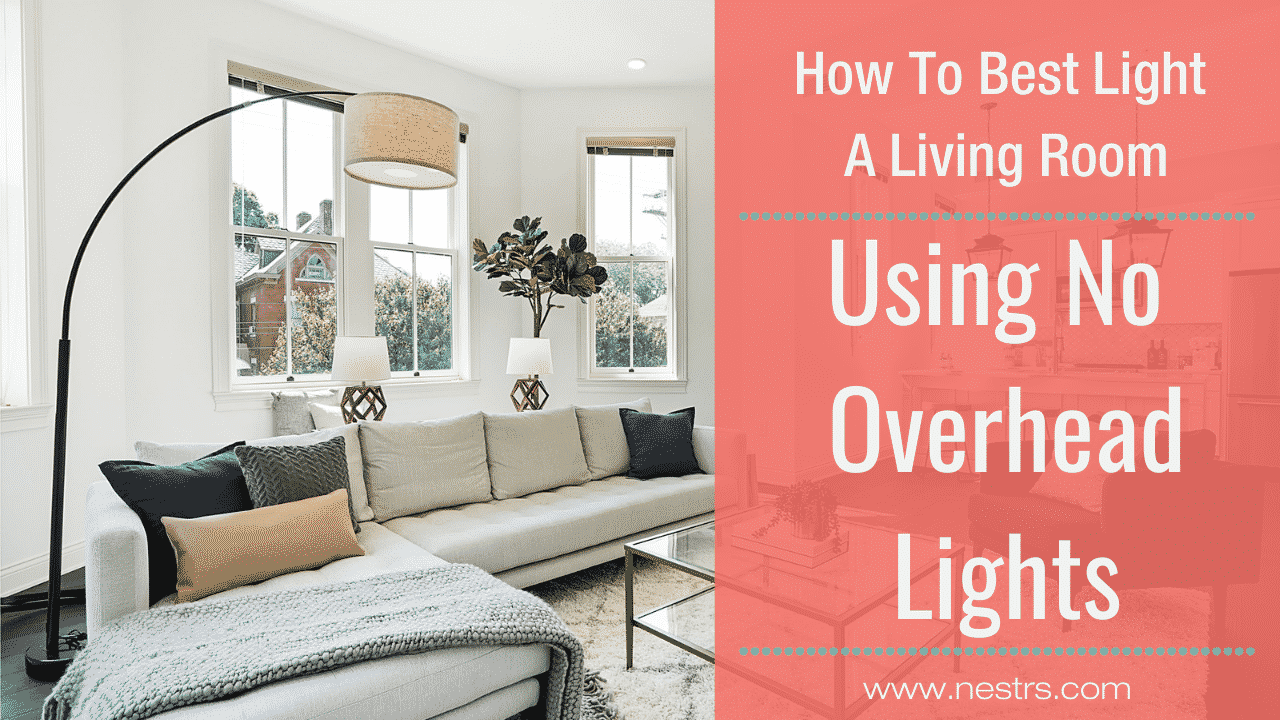
Image Source: nestrs.com
Fathoming the Fundamentals: Types of Living Room Lighting
To light a living room without overhead lighting, you need to understand the different jobs light can do. Think of it like painting a picture. You need various shades and intensities to bring the scene to life.
Ambient Lighting: The Room’s Glow
Ambient lighting is the general, overall light in a room. It’s the foundation that makes the space feel welcoming. Without a ceiling light, you achieve this through a combination of other light sources. Think of it as the soft, diffused light that fills the space, making it comfortable to be in. It’s not about bright, direct light, but rather a gentle glow.
Task Lighting: Doing Specific Jobs
Task lighting is focused light for specific activities. This could be reading a book, knitting, or working on a puzzle. It needs to be brighter and more directed than ambient light. Without overhead lights, you’ll rely heavily on lamps to provide this focused illumination.
Accent Lighting: Highlighting Features
Accent lighting draws attention to particular objects or areas. This could be a piece of art, a favorite plant, or architectural details. It adds depth and drama to your room. These lights are often brighter and more directional, used to create focal points.
The Power of Placement: Strategic Lamp Arrangement
Lamp placement is crucial when you don’t have overhead lights. Where you put your lamps makes a big difference. Good placement spreads light evenly. It also helps avoid dark corners and creates a balanced feel.
The Trio of Table and Floor Lamps
Table lamps and floor lamps are your best friends in a room without overhead lighting. They are versatile and can be placed almost anywhere.
- Table Lamps: These are great for side tables, console tables, and even large bookshelves. Place them at seating height to provide light for reading or conversation. A table lamp on each end of a sofa can create a symmetrical and inviting look.
- Floor Lamps: These offer more height and can illuminate larger areas. Consider a torchiere floor lamp that directs light upwards, bouncing it off the ceiling for a softer, ambient effect. A pharmacy-style floor lamp is perfect for reading nooks.
Using Wall Sconces for Added Light
Wall sconces can be a stylish and effective way to add light without taking up floor or table space. They cast light upwards, downwards, or both, providing ambient or accent light.
- Placement: Install sconces on walls flanking a fireplace, a large piece of furniture, or a doorway. They can also be used to highlight artwork or create a warm glow in corners.
- Types: Choose plug-in sconces if you don’t have wall wiring. Many modern sconces are battery-operated and can be easily moved.
Layering Light: Creating Depth and Mood
Light layering is the technique of combining different types of lighting to create a rich and dynamic atmosphere. This is especially important in rooms without overhead fixtures. Think of it as building your lighting with different elements.
Building Your Ambient Layer
To create ambient lighting without a ceiling fixture, you need multiple sources.
- Floor Lamps: Torchiere floor lamps are excellent for bouncing light off the ceiling, creating a soft, diffused glow. Place one in a corner to light up a larger section of the room.
- Table Lamps: Use several table lamps at different heights on side tables and consoles. This spreads the light around the room, preventing harsh shadows.
- Sconces: Wall sconces provide ambient light that can fill in gaps and add a warm glow to walls.
- Picture Lights: These small lights can illuminate artwork and also contribute to the overall ambient light.
Defining Your Task Lighting Needs
Where do you do specific activities in your living room?
- Reading Nooks: Place a focused floor lamp or an adjustable table lamp next to your favorite armchair. The light should shine directly onto your book or craft.
- Craft Areas: If you have a desk or a craft table, ensure it has its own dedicated task lamp. An articulated desk lamp is a great option.
- Conversational Areas: Side table lamps are perfect for illuminating seating areas, making it easier for guests to see each other and their drinks.
Crafting Your Accent Lighting
Accent lighting makes your room visually interesting.
- Spotlights: Use small, adjustable spotlights to highlight artwork, sculptures, or plants. These can be placed on shelves or mounted on furniture.
- Uplights: Place small uplights at the base of plants or in corners to cast light upwards, creating dramatic shadows and highlighting textures.
- Cabinet Lighting: If you have display cabinets, install small LED strips or puck lights inside to illuminate your collectibles.
Smart Choices for Your Lighting Arsenal
When selecting your lamps and fixtures, consider these factors.
Bulb Types and Color Temperature
The type of bulb you choose affects the mood and quality of light.
- LEDs: These are energy-efficient and last a long time. They come in various brightness levels and color temperatures.
- Color Temperature: Measured in Kelvin (K), this describes the warmth or coolness of the light.
- Warm White (2700K – 3000K): Creates a cozy, inviting atmosphere, ideal for living rooms.
- Cool White (3500K – 4100K): Brighter and more energizing, often used for task lighting or kitchens.
- Daylight (5000K+): Mimics natural daylight, good for focused tasks but can feel stark in a living room.
Dimmers: The Key to Control
Dimmers are essential for controlling the intensity of your lights. They allow you to adjust the mood from bright and functional to soft and relaxing. Installing dimmers on your table lamps, floor lamps, and sconces gives you ultimate control over your room’s ambiance.
Maximizing Natural Light Sources
Even without overhead lighting, you can harness the power of the sun. Natural light sources are your first and best option for illumination during the day.
- Window Placement: Arrange your furniture to take advantage of natural light. Place seating areas near windows for reading or enjoying the view.
- Light-Reflecting Decor: Use mirrors to bounce natural light deeper into the room. Light-colored walls and sheer curtains also help maximize daylight.
- Sheer Curtains: Opt for sheer or semi-sheer curtains that allow light to filter through while still providing privacy. Avoid heavy, dark drapes that block out precious daylight.
Creating Zones with Light
Divide your living room into functional zones using different lighting.
- Conversation Area: Use table lamps on side tables and a floor lamp to create a warm, inviting glow around your sofa and chairs.
- Reading Corner: Position a directional floor lamp or an adjustable table lamp to provide bright, focused light for reading.
- Pathways: Use a floor lamp in a corner or a wall sconce to gently illuminate walkways and prevent dark spots.
Sample Lighting Plan: A Case Study
Let’s imagine a living room with a sofa, two armchairs, a coffee table, and a side table. There’s a window on one wall.
| Lighting Type | Fixture Type | Placement | Purpose |
|---|---|---|---|
| Ambient | Torchiere Floor Lamp | Corner opposite the window | General glow |
| Ambient | Table Lamp | Side table next to the sofa | Soft illumination |
| Ambient/Task | Table Lamp | Other side table next to the sofa | Reading light |
| Task | Pharmacy Floor Lamp | Next to one armchair | Focused reading |
| Accent | Picture Light | Above artwork on the main wall | Highlight art |
| Accent | Small Uplight | Behind a large plant in a corner | Add depth |
This plan uses a variety of light sources to create a layered and functional lighting scheme.
Common Pitfalls to Avoid
- Too Few Lights: Don’t rely on just one or two lamps. You need multiple sources to distribute light evenly.
- All Lights the Same Height: Mix heights with table lamps and floor lamps to create visual interest and better light distribution.
- Harsh, Direct Light: Avoid lamps with bare bulbs or shades that create glare. Use shades that diffuse light softly.
- Ignoring Corners: Dark corners can make a room feel smaller and less inviting. Use floor lamps or uplights to brighten them.
- Forgetting Dimmers: Dimmers give you control over mood and intensity, making your lighting much more versatile.
Frequently Asked Questions (FAQ)
Q: What is the best type of bulb for living room lamps?
A: LED bulbs are highly recommended for their energy efficiency and long lifespan. For living rooms, aim for a warm white color temperature (2700K-3000K) to create a cozy and inviting atmosphere.
Q: Can I use only floor lamps in a living room?
A: While floor lamps are excellent, relying solely on them might not provide balanced illumination. It’s best to combine floor lamps with table lamps and possibly wall sconces for a layered lighting effect.
Q: How many lamps do I need in a living room without overhead lighting?
A: The number of lamps needed depends on the size of your room and how you use it. Generally, aim for at least three to four light sources for a medium-sized living room: one to two floor lamps and two to three table lamps.
Q: Should all my lamps be the same style?
A: Not necessarily! Mixing and matching styles can add character to your room. However, ensure the finishes and overall color palettes complement each other for a cohesive look.
Q: How do I prevent my living room from looking like a collection of spotlights?
A: This is where light layering and diffusion come in. Use lamps with opaque or fabric shades that soften the light. Position lamps at varying heights and distances to create a more natural, ambient glow rather than harsh, isolated pools of light. Dimmers also help blend the light more softly.
By carefully selecting and strategically placing your lighting, you can transform a living room with no overhead lighting into a beautifully illuminated and comfortable space. Embrace the flexibility of lamps and create a warm, inviting atmosphere for everyone to enjoy.