
Can you mix and match living room furniture? Yes, absolutely! Mixing and matching furniture is a fantastic way to create a unique, stylish, and personal living room. It’s not about randomly throwing pieces together; it’s about thoughtful curation to achieve a cohesive and inviting space. This guide will walk you through the process, helping you master the art of blending different styles, materials, and colors for your living room.
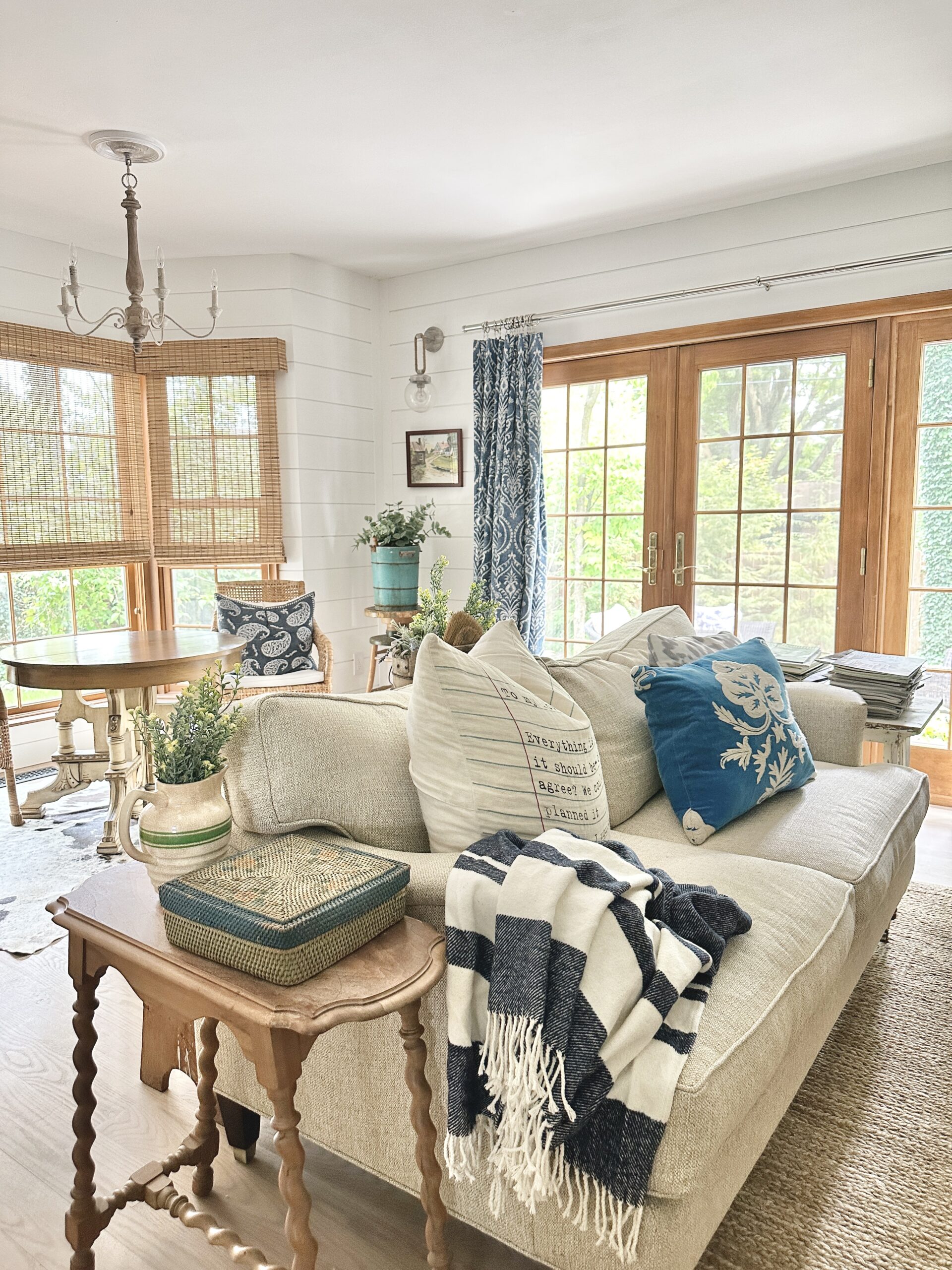
Image Source: bungalow47.com
Deciphering the Art of Furniture Pairing
The thought of mixing furniture can feel daunting. Will it look messy? Will it clash? The good news is that with a little guidance, you can create a harmonious look that reflects your personality. It’s all about finding common ground between disparate pieces and using them to tell a visual story.
Building a Foundation: Your Starting Point
Before diving into mixing, identify the core pieces of your living room. This usually includes a sofa, armchairs, and a coffee table. These will be the anchors around which you build your style.
- Sofa: Often the largest piece, your sofa sets the tone. Is it modern, traditional, or somewhere in between?
- Armchairs: These are great opportunities to introduce a contrasting style or color.
- Coffee Table: This piece can be a statement or a supporting player. Think about its material, shape, and how it relates to your seating.
The Power of a Color Palette for Living Room
A well-chosen color palette for living room is crucial when mixing furniture. It acts as a unifying element, tying together different styles and materials.
- Choose a Base Palette: Select 2-3 neutral colors that will form the backbone of your room. Think shades of beige, grey, white, cream, or even soft blues and greens.
- Introduce Accent Colors: Use 1-2 bolder colors sparingly to add personality and visual interest. These can come from throw pillows, art, or even a single statement piece of furniture.
- Consider Undertones: Pay attention to the undertones of your colors. Warm colors (reds, yellows, oranges) can feel cozy, while cool colors (blues, greens, purples) can create a more serene atmosphere. Ensure your chosen colors complement each other.
Fathoming Different Decor Styles
Mixing styles doesn’t mean creating chaos. It means finding elements that resonate with each other across different design aesthetics. This is where the magic of a truly unique living room happens.
Embracing Eclectic Living Room Design
An eclectic living room design is all about personality. It’s where you can confidently mix vintage finds with modern pieces, or traditional patterns with contemporary textures.
- Key to Eclectic: The secret is to have a common thread. This could be a color palette, a recurring material, or a shared overall mood.
- Balance is Key: While it’s about mixing, don’t overcrowd the space. Ensure there’s enough visual breathing room between pieces.
- Texture Play: Eclectic spaces often thrive on texture. Mix rough wood with smooth metal, plush velvet with crisp linen.
Navigating Transitional Living Room Style
Transitional living room style beautifully blends traditional and contemporary elements. It’s about creating a comfortable, elegant, and timeless space.
- Soft Lines and Clean Silhouettes: Look for furniture with softer lines than purely modern pieces, but cleaner silhouettes than overtly traditional ones.
- Neutral Colors with Pops of Interest: Transitional spaces often feature a neutral base with subtle pops of color or pattern in accents.
- Mixing Textures: Smooth finishes can be paired with textured fabrics for a layered effect.
Practical Furniture Pairing Tips
Here are some actionable furniture pairing tips to help you mix and match like a pro.
Harmonizing Materials: Wood, Metal, Glass, and Upholstery
The interplay of materials can be a powerful tool in your mixing and matching arsenal.
Wood Furniture Mixing
Mixing different types of wood can add depth and character.
- Varying Finishes: Don’t be afraid to mix a dark stained wood coffee table with lighter wood side tables. The key is to ensure the finishes don’t completely clash. A mid-tone wood can act as a bridge between very dark and very light woods.
- Consider the Grain: Different wood grains can add visual interest. A rustic, weathered wood can look great paired with a smooth, modern wood.
- The Rule of Three (or Four): Aim to have at least three pieces of the same wood tone or finish to create a sense of cohesion, but don’t feel the need to match everything.
Table: Wood Tone Combinations
| Primary Wood Tone | Complementary Wood Tones | Notes |
|---|---|---|
| Dark Walnut | Medium Oak, Light Maple | Adds warmth and sophistication. |
| Light Oak | Cherry, Walnut | Creates a bright and airy feel. |
| Reclaimed Wood | Painted Wood, Smooth Maple | Offers a rustic yet refined aesthetic. |
| Painted Wood | Natural Wood Tones | Can unify different wood types with a consistent color. |
Metal and Glass Furniture
These materials offer a modern touch and can help lighten a space.
- Mixing Metals: Don’t shy away from mixing metals like brushed nickel, brass, and black iron. The trick is to ensure they have similar finishes (e.g., all matte or all brushed).
- Glass for Lightness: A glass coffee table or side table can make a room feel larger and more open, especially when paired with heavier upholstered pieces.
- Balance Metal with Warmth: Pair metal and glass with warmer materials like wood and fabric to prevent the room from feeling too cold.
Upholstered Furniture Combinations
Mixing and matching upholstered pieces is where you can really play with pattern and texture.
- Sofa and Armchair Pairing: If your sofa is a solid neutral, you can opt for an armchair with a bold pattern or a contrasting color. Conversely, if your sofa is patterned, choose a solid, complementary armchair.
- Texture is Your Friend: Pair a smooth leather sofa with a textured fabric armchair, or a velvet sofa with a linen chair.
- Consider Scale: Ensure the scale of your upholstered pieces is appropriate for the room and for each other. A massive armchair might overwhelm a smaller sofa.
The Importance of Cohesive Living Room Decor
Cohesion doesn’t mean sameness. It means creating a unified feeling, even with diverse elements.
- The Unifying Element: As mentioned, a consistent color palette is vital. This can also be achieved through a shared design style (like transitional), a recurring motif, or a dominant material.
- Visual Weight: Distribute the visual weight of your furniture evenly. If you have a very large sofa, balance it with substantial armchairs or a robust coffee table.
- Flow and Functionality: Regardless of style, your living room furniture arrangement should prioritize flow and functionality. Ensure there’s enough space to walk around easily and that the furniture serves its purpose.
Arranging Your Mixed and Matched Masterpieces
Once you have your furniture, how do you place it? The living room furniture arrangement is as important as the pieces themselves.
Creating Zones
Even in a single living room, you can create distinct zones for conversation, reading, or entertainment.
- Conversation Area: Arrange seating pieces (sofa, armchairs) to face each other, fostering interaction. A coffee table should be easily accessible from all seating.
- Reading Nook: A comfortable armchair, a small side table, and a floor lamp can create a cozy reading corner.
- Focal Point: Whether it’s a fireplace, a television, or a piece of art, arrange your furniture to either face or complement the focal point.
Accent Furniture Placement
Accent furniture pieces are your chance to add personality and quirk.
- Side Tables: Place them next to sofas and armchairs for convenient surfaces. They can be a great place to introduce a different material or style.
- Ottomans and Poufs: These are versatile. They can act as footrests, extra seating, or even coffee tables when topped with a tray. They’re perfect for introducing a pop of color or texture.
- Console Tables: Often placed behind a sofa or against a wall, console tables can display lamps, artwork, or decorative objects.
Table: Accent Furniture Placement Ideas
| Accent Furniture | Typical Placement | Mixing & Matching Opportunity |
|---|---|---|
| Side Table | Next to sofa/armchair | Mix materials (e.g., wood side table with metal lamp) |
| Ottoman/Pouf | In front of sofa/armchair, in a corner | Introduce bold pattern or texture; use as a coffee table substitute |
| Console Table | Behind sofa, against a wall | Display varied decor styles; pair with a unique mirror above |
| Accent Chair | As a pair with sofa, in a corner | Introduce a contrasting style, color, or pattern to the main seating |
| Floor Lamp | Beside an armchair, in a corner | Adds vertical interest and can be a sculptural element |
Common Pitfalls to Avoid
Even with the best intentions, there are a few common mistakes that can derail your mixed-and-matched efforts.
Overcrowding the Space
Too many pieces, no matter how well-chosen, can make a room feel cluttered and cramped.
- Measure Twice, Buy Once: Always measure your space and the furniture before purchasing.
- Negative Space: Allow for empty spaces. This “breathing room” is crucial for a balanced and calm atmosphere.
Ignoring Scale and Proportion
Mismatched scales can make your room feel off-kilter.
- Visual Hierarchy: Ensure your pieces have a sense of visual hierarchy. The sofa is usually the largest, with armchairs and accent pieces following.
- Height Consistency (with exceptions): While you can mix styles, try to keep the heights of certain pieces somewhat consistent, like side tables or lamps, unless you’re intentionally creating a height contrast for artistic effect.
Forgetting the Anchor Piece
While mixing is encouraged, having one dominant style or piece that anchors the room can provide a sense of direction.
- The Sofa as Anchor: Often, the sofa serves this purpose. Build your other pieces around its style, color, and scale.
- A Statement Piece: Alternatively, a striking piece of art, a unique rug, or a standout armchair can act as your anchor.
Neglecting Texture and Light
A room that’s all the same material or finish can feel flat.
- Layering is Key: Introduce a variety of textures through rugs, throws, pillows, and different furniture materials.
- Lighting Matters: Different types of lighting (overhead, task, accent) can highlight different furniture pieces and create mood.
Frequently Asked Questions (FAQ)
Q1: Can I mix different types of wood in my living room?
A1: Yes! Mixing wood tones can add depth and interest. The key is to find complementary tones and finishes. Aim for at least three pieces in a similar wood tone to create a sense of unity.
Q2: What if my sofa is patterned? Can I still use patterned armchairs?
A2: Absolutely, but do so strategically. If your sofa has a busy pattern, opt for an armchair with a simpler, more subtle pattern, or a solid color that pulls a shade from the sofa’s pattern. Ensure the patterns share a common color or theme.
Q3: How do I make sure my eclectic living room doesn’t look like a jumble?
A3: The secret to a successful eclectic living room design is a unifying element. This could be a consistent color palette for living room, a common material, or a prevailing mood. Balance is also crucial – ensure there’s enough negative space and that the scale of your pieces works together.
Q4: Is it okay to mix metal finishes, like brass and black iron, in the same room?
A4: Yes, it is! When mixing metals, aim for similar finishes (e.g., all brushed, all polished, or all matte). You can also group similar metals together in different areas of the room, or use one dominant metal finish with a few accent pieces in another.
Q5: How do I choose the right accent furniture placement?
A5: Accent furniture should serve a purpose and enhance the overall design. Place side tables next to seating for convenience, ottomans for footrests or extra seating, and console tables to display decor. Consider how each piece contributes to the room’s flow and visual balance.
Mixing and matching furniture is a journey of personal expression. By thoughtfully considering color, material, scale, and arrangement, you can transform your living room into a stylish, inviting, and uniquely you space. Happy decorating!